 EN
EN
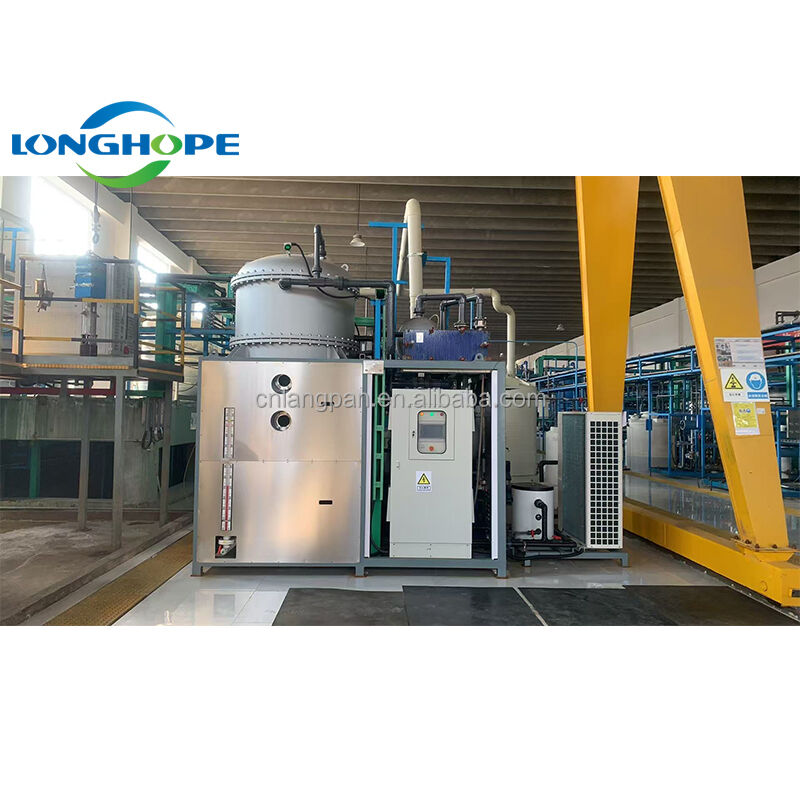
Teollisen jäteveden käsittely on kehittynyt merkittävästi viime vuosikymmeninä, ja alhaisessa lämpötilassa toimiva tyhjiöhaihdutus on nousemassa monissa teollisuudenaloissa yhä suositummaksi ratkaisuksi tehokkaiden konsentrointi- ja puhdistusprosessien tarpeisiin. Tämä edistynyt tekniikka toimii alhaisemmassa ilmanpaineessa, mikä mahdollistaa veden kiehumisen huomattavasti matalammassa lämpötilassa kuin perinteisissä haihdutusmenetelmissä. Alhaisessa lämpötilassa toimivan tyhjiöhaihdutuksen perusperiaate perustuu tyhjiöympäristön luomiseen, jossa nesteiden kiehumispiste laskee, mikä puolestaan mahdollistaa herkkien lämpöherkkien materiaalien varovaisen käsittelyn ilman niiden ominaisuuksien tai kemiallisten rakenteiden heikentymistä.
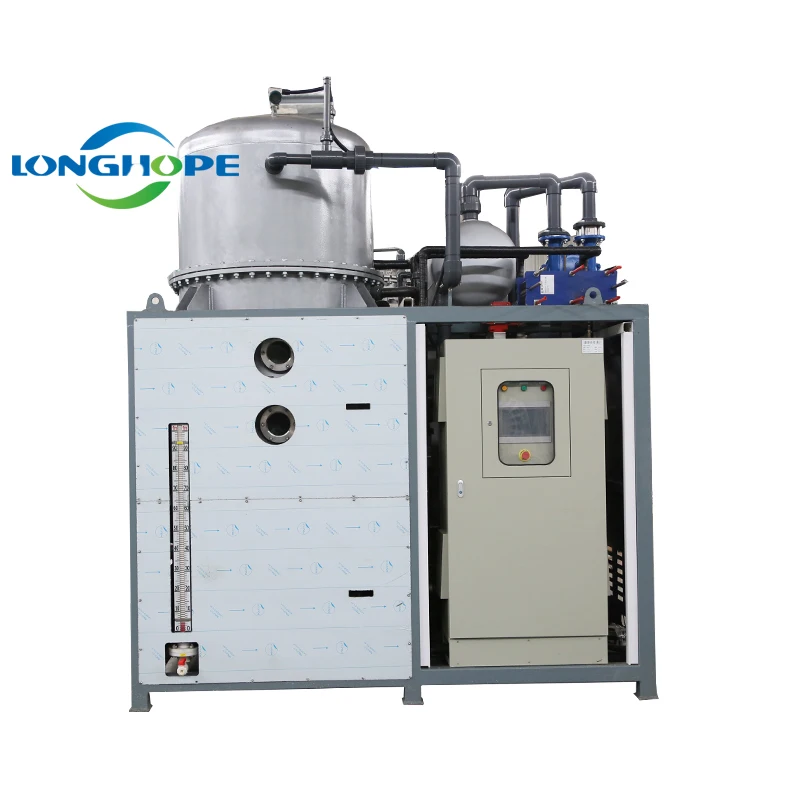
Teknologia on saavuttanut huomattavaa suosiota lääke-, kemiallisissa, elintarviketeollisuuden ja ympäristösektoreilla sen ainutlaatuisen kyvyn vuoksi käsitellä monimutkaisia jätteitä vähimmäisellä lämpöhajoamisella. Toisin kuin perinteiset lämpöprosessit, jotka vaativat korkeita lämpötiloja, matalan lämpötilan tyhjiöhaihdutusjärjestelmät toimivat tyypillisesti 40–80 °C välillä, mikä tekee niistä ihanteellisen ratkaisun lämpöherkkien yhdisteiden käsittelyyn ja merkittävästi vähentää energiankulutusta.
Matalan lämpötilan tyhjiöhaihdutusteknologian ymmärtäminen
Ydintoimintaperiaatteet
Alhaisen lämpötilan tyhjiöhaihdutusjärjestelmät toimivat luomalla säädetyssä suljetussa kammiossa tyhjiöympäristön, jossa alentunut ilmanpaine mahdollistaa veden ja haihtuvien yhdisteiden höyrystymisen huomattavasti niiden normaalia kiehumispistettä matalammassa lämpötilassa. Tämä prosessi sisältää yleensä useita haihdutusvaiheita, joissa jokainen vaihe toimii edellistä matalammassa paineessa maksimoidakseen tehokkuuden ja minimoitakseen energiankulutuksen. Tyhjiöpumput ylläpitävät vakioita painetasoja samalla kun lämmönvaihtimet tarjoavat haihduttamiseen tarvittavan lämpöenergian.
Höyrystynyt vesihöyry tiivistyy erillisissä kammioissa, mikä mahdollistaa puhtaan veden talteenoton usein jätevesijärjestelyjen vaatimusten mukaisesti tai teollisuuden prosesseissa uudelleenkäytettäväksi. Samalla keskittynyt jättevirta sisältää huomattavasti korkeammat liuenneiden aineiden pitoisuudet, mikä vähentää jätteen kokonaismäärää 80–95 % useimmilla sovellusaloilla. Tämä kaksinkertainen hyöty vedentalteenotossa ja jätteen vähentämisessä tekee alhaisesta lämpötilasta toimivan tyhjiöhöyrystyksen erityisen houkuttelevalaksi teollisuuden aloille, jotka kohtaavat tiukkoja ympäristömääräyksiä.
Järjestelmän komponentit ja rakenne
Modernit alhaisen lämpötilan tyhjiöhaihdutusjärjestelmät sisältävät useita keskeisiä komponentteja, jotka toimivat yhdessä saavuttaakseen optimaalisen suorituskyvyn. Haihdutuskammio toimii ensisijaisena tilana, jossa erotus tapahtuu, kun taas tyhjiöpumput ylläpitävät vaadittuja paineolosuhteita koko prosessin ajan. Lämpönsiirtimet, jotka yleensä käyttävät höyryä, kuumaa vettä tai lämmönsiirtonestettä, tarjoavat ohjattua lämmitystä edistääkseen haihtumista ilman, että ylitetään sellaisia lämpötilarajoja, jotka voisivat vahingoittaa herkkiä materiaaleja.
Kondensointiyksiköt ovat keskeisessä asemassa haihtuneen vesihöyryn keräämisessä ja jäähdyttämisessä, jolloin se muuttuu takaisin nestemäiseksi muodoksi, jota voidaan kerätä ja mahdollisesti käyttää uudelleen. Edistyneet ohjausjärjestelmät valvovat jatkuvasti lämpötilaa, painetta ja virtausnopeuksia varmistaakseen optimaaliset toimintaolosuhteet ja estääkseen järjestelmän vioittumisen. Moniin nykyaikaisiin yksikköihin sisältyy myös automaattiset puhdistusjärjestelmät sekä korroosionkestävät materiaalit, joilla pystytään käsittelemään teollisten jätevesivirtojen yleisissä kemiallisissa ympäristöissä esiintyviä vaativia olosuhteita.
Matalan lämpötilan tyhjöhaihdutuksen kustannusanalyysi
Alkuperäinen pääomainvestointi
Alustavat kustannukset, jotka liittyvät alhaisessa lämpötilassa toimivien tyhjiöhaihdutusjärjestelmien käyttöönottoon, vaihtelevat huomattavasti järjestelmän kapasiteetin, monimutkaisuuden ja erityisten sovellustarpeiden mukaan. Pienimuotoiset yksiköt, jotka on suunniteltu laboratorio- tai pilottisovelluksiin, voivat olla hinnaltaan 50 000–200 000 dollaria, kun taas teollisuuden mittakaavan asennukset voivat edellyttää investointeja 500 000 dollarista useisiin miljooniin dollareihin. Nämä kustannukset sisältävät laitteiston hankinnan, asennuksen, käyttöönoton ja käyttöhenkilöstön alkuperäisen koulutuksen.
Useita tekijöitä vaikuttaa alustaviin pääomavaatimuksiin, mukaan lukien tarve erikoismateriaaleille korroosioalttisten jätteiden käsittelyyn, automaation taso ja integraatio olemassa olevan tilainfrastruktuurin kanssa. Räätälöidyt suunnitteluratkaisut ainutlaatuisille jätteiden koostumuksille tai tietyille suoritusvaatimuksille voivat lisätä peruslaitteistokustannuksiin 20–40 %. Monet valmistajat tarjoavat kuitenkin modulaarisia ratkaisuja, jotka mahdollistavat vaiheittaisen toteutuksen, ja näin yritykset voivat jakaa pääomakustannukset useammalle budjettikaudelle samalla kun ne osoittavat järjestelmän toimivuuden ja hyödyt.
Käyttö- ja huoltokustannukset
Matalan lämpötilan tyhjiöhaihdutusjärjestelmien jatkuvat käyttökustannukset liittyvät pääasiassa energiankulutukseen, kunnossapitotarpeisiin ja ajoittaisiin komponenttien vaihtoihin. Energian hinnat muodostavat tyypillisesti 30–50 % kokonaiskäyttökustannuksista, joista suurimmat kuluttajat ovat tyhjiöpumput ja lämmitysjärjestelmät. Kuitenkin alhaisempien lämpötilavaatimusten ansiosta energiankulutus on huomattavasti pienempi verrattuna perinteisiin lämpökäsittelymenetelmiin, mikä johtaa usein 40–60 %:n säästöihin energiankulutuksessa.
Kunnossapitokustannukset muodostavat yleensä 5–10 % alkuperäisistä pääomakustannuksista vuosittain, ja ne kattavat säännölliset tarkastukset, komponenttien vaihdot sekä jaksottaiset järjestelmähuollot. Ennakoiva kunnossapito voi pidentää laitteiston käyttöikää ja vähentää odottamattomia seisokeja, kun taas ennustavaan kunnossapitoon perustuvat teknologiat auttavat optimoimaan huoltosuunnitelmia ja minimoimaan kustannukset. Järjestelmän käyttöön liittyvät työvoimakustannukset ovat yleensä vähäisiä korkean automaatiotason vuoksi, vaikka kunnossapidossa ja vianetsinnässä tarvitaan päteviä teknikoita.
Taloudelliset hyödyt ja investointipalautus
Jätteenkäsittelykustannusten alentaminen
Yhden merkittävimmän taloudellisen edun alhaisen lämpötilan tyhjiöhaihdutuksessa muodostaa jätteiden hävitystilavuuksien ja niihin liittyvien kustannusten dramaattinen vähentäminen. Keskitämällä jätesuot, 10–20-kertaiseksi alkuperäiseen tilavuuteen verrattuna, yritykset voivat saavuttaa merkittäviä säästöjä kuljetuksissa, käsittelyssä ja hävitysmaksuissa. Teollisuudenaloilla, jotka tuottavat suuria määriä nestemäisiä jätteitä, nämä säästöt voivat vuosittain nousta satoihin tuhansiin dollareihin, mikä tekee teknologiasta taloudellisesti houkuttelevan, vaikka alkuperäiset investoinnit ovatkin korkeammat.
Järjestelmien tuottamat keskitetyt jätesuot matalan lämpötilan vakuumiekvaporaatio usein oikeutuvat erilaisiin hävitysluokituksiin, mikä voi vähentää vaarallisten jätteiden maksuja ja säädösten noudattamiskustannuksia. Lisäksi jätteiden keruutaajuuden ja kuljetustarpeen vähentyminen johtaa alhaisempiin logistiikkakustannuksiin sekä kuljetustoiminnan aiheuttaman ympäristövaikutuksen pienentymiseen.
Veden talteenotto ja uudelleenkäyttöarvo
Alhaisessa lämpötilassa tyhjiöhaihdutusprosessien kautta saatu puhdistettu vesi edustaa arvokasta resurssia, joka voi kattaa järjestelmän käyttökustannukset ja tuottaa lisäetuja. Paikallisten vesihintojen ja laaturajoitusten mukaan kierrätettyä vettä voidaan käyttää uudelleen jäähdytyspakan täydennykseen, prosessivedeksi tai jopa juomavedeksi asianmukaisen käsittelyn jälkeen. Tämä vesienkierrätyskyky on erityisen arvokas alueilla, joilla vesivaroja on vähän tai teollisuusveden hinnat nousevat.
Monet laitokset saavuttavat vesienkierrätysasteen 85–95 % jätemääristään, luoden tehokkaasti uuden vesilähteen, joka vähentää riippuvuutta kunnallisten tai kaivovesien toimituksista. Kierrätetyn veden taloudellinen arvo vaihtelee sijainnin ja käyttötarkoituksen mukaan, mutta se voi olla 2–10 dollaria tuhat gallonaa kohden, mikä merkittävästi vaikuttaa järjestelmän takaisinmaksuaikaan ja pitkän aikavälin käyttösäästöihin.
Ympäristö- ja sääntelyvaatimusten noudattamisen edut
Päästöjen vähentäminen ja ympäristövaikutukset
Alhaisen lämpötilan tyhjiöhaihdutusjärjestelmät edistävät merkittävästi ympäristönsuojelua vähentämällä ilmansaasteita ja pienentämällä teollisten prosessien kokonaisvaikutusta ympäristöön. Suljetun kierron rakenne estää haihtuvia orgaanisia yhdisteitä ja muita saasteita pääsemästä ilmakehään, ja alhaisempi energiankulutus vähentää kasvihuonekaasupäästöjä verrattuna korkealämpötilaisiin lämpöprosesseihin. Tämä ympäristöhyöty kasvaa yhä tärkeämmäksi sääntelyolosuhteiden kiristyessä ja hiilidioksidin hinnoittelujärjestelmien leviäessä maailmanlaajuisesti.
Teknologia poistaa myös tarpeen kemiallisille lisäaineille, joita usein vaaditaan muissa käsittelymenetelmissä, mikä vähentää toissijaisen saastumisen riskiä ja yksinkertaistaa jätteiden käsittelyä. Epäpuhtauksien keskittäminen pienempiin tilavuuksiin mahdollistaa tehokkaamman käsittelyn vaarallisille aineille ja vähentää ympäristöön pääsyn riskiä kuljetus- ja hävitystoimintojen aikana.
Sääntelyvaatimusten noudattaminen ja riskienhallinta
Yhä tiukempien ympäristömääräysten noudattaminen on merkittävä etu, joka liittyy alhaisessa lämpötilassa toimivan tyhjiöhaihdutusteknologian käyttöönottoon. Järjestelmät auttavat laitoksia noudattamaan erilaisten saastuttajien päästörajoja samalla kun vähennetään vaarallisten jätteiden määrää, joihin liittyy erityiskäsittely- ja hävitystarpeita. Tämä noudattamiskyky vähentää säädöllisiä riskejä ja mahdollisia seuraamuksia sekä asettaa yritykset suotuisaan asemaan tulevia sääntelymuutoksia vastaan.
Teknologia tarjoaa myös toiminnallista joustavuutta, joka auttaa yrityksiä sopeutumaan muuttuviin säädöksiin ilman merkittäviä järjestelmämuutoksia. Kun ympäristöstandardit kiristyvät, alhaisessa lämpötilassa toimivat tyhjiöhaihdutusjärjestelmät usein sijoittavat laitokset parempaan asemaan uusien vaatimusten täyttämiseksi verrattuna niihin, jotka luottavat perinteisiin käsittelymenetelmiin. Tämä sääntelyjoustavuus edustaa arvokasta pitkän aikavälin etua, joka suojelee tulevia noudattamiskustannuksia ja toiminnallisia häiriöitä vastaan.
Teollisuuden alan spesifiset Sovellukset ja hyödyt
Lääke- ja kemiateollisuus
Lääke- ja kemianalat ovat omaksuneet matalan lämpötilan tyhjiöhaihdutusteknologian sen hellävaraisen käsittelyn ja arvokkaita yhdisteitä sisältävien monimutkaisten jätteiden käsittelykyvyn vuoksi. Nämä alat käsittelevät usein lämpöherkkiä materiaaleja, jotka hajoaisivat perinteisissä lämpökäsittelymenetelmissä, mikä tekee matalan lämpötilan tyhjiöhaihdutuksesta ihanteellisen ratkaisun arvokkaiden tuotteiden talteenottamiseksi ja samalla jätevirtojen tehokkaaseen käsittelyyn.
Lääketuotannossa tämä teknologia mahdollistaa kalliiden vaikuttavien ainesosien ja liuottimien talteenoton jätevirroista, tarjoten lisätuloja ja parantaen kokonaisprosessitaloutta. Kemianalan valmistajat hyötyvät siitä, että he voivat keskittää raskasmetalleja tai orgaanisia yhdisteitä sisältäviä jätteitä ilman lämpöhajoamista, mikä helpottaa tehokkaampaa jälkikäsittelyä ja hävittämistä samalla kun tuotelaadun vaatimukset säilyvät voimassa.
Ruoka- ja juomateollisuus
Elintarvikkeiden ja juomien jalostajat ovat havainneet matalan lämpötilan tyhjiöhaihdutuksen olevan erityisen arvokasta prosessivirtojen konsentroinnissa samalla kun säilytetään ravintoarvoja ja makuaineita. Lempeät käsittelyolosuhteet estävät epämiellyttävien maittain muodostumisen tai lämpöherkkien vitamiinien ja ravinteiden hajoamisen, mikä tekee teknologiasta sopivan korkealaatuisten keskittyneiden tuotteiden valmistukseen. Tämä ominaisuus on johtanut teknologian käyttöönottoon mehujen konsentroinnissa, maitojalostuksessa ja erikoisruoan tuotannossa.
Teknologia ratkaisee myös jätevesien käsittelyhaasteita elintarviketeollisuuden laitoksissa, joissa korkea orgaaninen kuorma ja kausivaihtelut tuotannossa aiheuttavat monimutkaisia käsittelyvaatimuksia. Matalan lämpötilan tyhjiöhaihdutusjärjestelmät pystyvät tehokkaasti käsittelemään näitä vaihtelevia olosuhteita ja tuottamaan puhdasta vettä, joka soveltuu uudelleenkäyttöön puhdistuksessa tai muissa tuotekontaktittomissa sovelluksissa, mikä vähentää laitoksen kokonaisvesenkulutusta ja käsittelykustannuksia.
Suorituskyvyn optimointi ja tehokkuustekijät
Järjestelmän suunnittelu ja konfigurointi
Alhaisen lämpötilan tyhjiöhaihdutusjärjestelmän suorituskyvyn optimoiminen edellyttää huolellista suunnitteluun liittyvien parametrien, kuten lämmönsiirtopinta-alan, tyhjiötason ja oleskeluajan, huomioon ottamista. Monivaiheiset haihduttimet voivat merkittävästi parantaa energiatehokkuutta hyödyntämällä jätteeksi jäävää lämpöä edellisistä vaiheista, mikä vähentää kokonaisenergiankulutusta 50–70 % verrattuna yksivaiheisiin laitteisiin. Lämmönsiirto-pintojen ja tyhjiöpumppujen konfiguraation valinta vaikuttavat myös suorituskykyyn ja käyttökustannuksiin.
Edistyneet ohjausjärjestelmät mahdollistavat käyttöparametrien tarkan optimoinnin reaaliajassa säätämällä lämpötiloja, paineita ja virtausnopeuksia, jotta ylläpidetään optimaalista suorituskykyä erilaisissa syöttöolosuhteissa. Nämä automatisoidut järjestelmät voivat nopeasti tunnistaa ja korjata toiminnallisia tehottomuuksia, estäen suorituskyvyn heikkenemisen ja minimoimalla energiahukat. Kasviteollisuuden laajojen ohjausjärjestelmien integrointi mahdollistaa koordinaatiotoiminnan, joka maksimoi koko tilan tehokkuuden.
Syötteen ominaisuudet ja esikäsittely
Syötevirran ominaisuudet vaikuttavat merkittävästi matalan lämpötilan tyhjiöhaihdutusjärjestelmän suorituskykyyn ja taloudellisuuteen. Suuriin kiintoainesisältöihin liittyvät virrat saattavat vaatia esikäsittelyä, jotta voidaan estää likaantuminen ja ylläpitää lämmönsiirron tehokkuutta. pH:n säätö ja kemiallinen saostus voivat poistaa epäpuhtauksia, jotka saattaisivat häiritä järjestelmän toimintaa, kun taas suodatusjärjestelmät suojaavat laitteita hiukkasten aiheuttamilta vaurioilta.
Syötevirran vaihtelevuuden ymmärtäminen ja asianmukaisten esikäsittelystrategioiden toteuttaminen voivat merkittävästi pidentää laitteiston käyttöikää ja vähentää huoltotarvetta. Jotkin laitokset käyttävät tasoitussäiliöitä ja virtauksen tasaamisjärjestelmiä syötteen vaihteluiden tasoittamiseksi ja järjestelmän suorituskyvyn optimoimiseksi. Nämä muutokset maksavat usein itsensä takaisin parantuneen tehokkuuden ja alentuneiden huoltokustannusten kautta järjestelmän käyttöiän aikana.
Teknologiavertailu ja valintakriteerit
Vaihtoehtoiset käsittelytekniikat
Arvioitaessa alhaisen lämpötilan tyhjiöhaihdutusta vaihtoehtoisten käsittelytekniikoiden kanssa on otettava huomioon useita keskeisiä tekijöitä, kuten pääomakustannukset, käyttökustannukset, käsittelyn tehokkuus ja ympäristövaikutukset. Käänteisosmoosijärjestelmillä saattaa olla alhaisemmat pääomakustannukset, mutta ne voivat kamppailla monimutkaisten jätteenvirtujen ja korkean likaantumisnopeuden kanssa. Kemiallisen saostuksen ja biologisen käsittelyn järjestelmät voivat olla kustannustehokkaita, mutta ne eivät välttämättä saavuta haihdutusteknologian mahdollistamia konsentraatiotasoa.
Lämpöhaihdutus ilmakehän paineessa tarjoaa yksinkertaisemman käyttöön, mutta vaatii suurempia energiamääriä ja voi aiheuttaa lämpöherkkien yhdisteiden hajoamista. Kalvohäätäminen ja muut uudet teknologiat näyttävät lupaavilta, mutta niillä ei ole alhaisessa lämpötilassa toimivien tyhjiöhaihtumisjärjestelmien verran todettua toimivuutta tai kaupallista saatavuutta. Teknologioiden valinta perustuu usein sovellukseen liittyviin jätteiden ominaisuuksiin, käsittelytavoitteisiin ja taloudellisiin rajoituksiin.
Valinta- ja mitoitusnäkökohdat
Alhaisen lämpötilan tyhjiöhaihdutusjärjestelmien oikea kokoaminen ja valinta edellyttää kattavaa jätteenvirtauksen ominaisuuksien, käsittelytavoitteiden ja kohteenkohtaisten rajoitteiden analysointia. Pilottitestaus todellisilla jätteenvirroilla tarjoaa arvokasta tietoa järjestelmän suunnittelua ja suorituskyvyn ennustamista varten, mikä vähentää riskejä täysimittakaavaisessa toteutuksessa. Kevyen virtauksen vuodenaikaiset vaihtelut, saasteiden pitoisuudet ja vaaditut käsittelytasot vaikuttavat kaikki järjestelmän kokoon ja konfigurointipäätöksiin.
Kokemustensa kanssa toimivien järjestelmätoimittajien ja teknisten konsulttien kanssa työskenteleminen voi auttaa tunnistamaan optimaaliset konfiguraatiot ja välttämään yleisiä ongelmia järjestelmän valinnassa. Modulaariset suunnitteluratkaisut tarjoavat joustavuutta tulevaa laajennusta tai prosessimuutoksia varten, kun taas standardoidut konfiguraatiot voivat vähentää kustannuksia ja yksinkertaistaa huoltovaatimuksia. Valintaprosessin tulisi myös ottaa huomioon integraatio olemassa olevan tilainfrastruktuurin kanssa sekä mahdolliset synergia-alueet muiden käsittelyprosessien kanssa.
Tulevaisuuden trendit ja teknologian kehitys
Energiatehokkuuden parantaminen
Jatkuva tutkimus ja kehitys alhaisessa lämpötilassa toimivassa tyhjiöhaihdutusteknologiassa keskittyy voimakkaasti energiatehokkuuden parantamiseen ja käyttökustannusten vähentämiseen. Lämpöpumppujen integrointi ja hukkalämmön talteenottojärjestelmät tarjoavat merkittäviä mahdollisuuksia ulkoisten energiatarpeiden vähentämiseksi, kun taas edistyneet materiaalit ja pintakäsittelyt parantavat lämmönsiirron tehokkuutta ja vähentävät likaantumista. Nämä kehitykset parantavat edelleen teknologian taloudellista houkuttelevuutta eri sovelluksissa.
Kehittyvät ohjausteknologiat, jotka hyödyntävät tekoälyä ja koneoppimisalgoritmeja, mahdollistavat monimutkaisemman käyttöparametrien optimoinnin, jolloin saavutetaan potentiaalisesti 10–20 prosentin energiansäästöt verrattuna perinteisiin ohjausjärjestelmiin. Näiden älykkäiden järjestelmien avulla voidaan ennustaa ja estää käyttöhäiriöitä sekä säätää automaattisesti muuttuvien syöttöolosuhteiden ja suoritusvaatimusten mukaan. Näiden teknologioiden kypsyessä ne parantavat entisestään alhaisen lämpötilan tyhjiöhaihdutusjärjestelmien taloudellisia etuja.
Yhdyskäytön toteuttaminen uusiutuvien energialähteiden kanssa
Alhaisen lämpötilan tyhjiöhaihdutusjärjestelmien yhdistäminen uusiutuvien energialähteiden kanssa edustaa nousevaa trendiä, joka voisi merkittävästi parantaa teknologian ympäristö- ja talousprofiilia. Auringon lämpökeruimet ja maalämpöjärjestelmät voivat tarjota haihdutusprosesseihin tarvittavan alhaisen lämmön, vähentäen fossiilisten polttoaineiden käyttöä ja alentamalla käyttökustannuksia. Akkuvarastojärjestelmät voivat varastoida ylimääräistä uusiutuvaa energiaa käytettäväksi huippukulutusaikoina, mikä optimoi energiakustannukset ja sähköverkon vakautta.
Nämä uusiutuvan energian integroinnit tulevat erityisen houkutteleviksi alueilla, joilla aurinko- tai geoterminen energia on runsasta ja perinteiset energiakustannukset korkeat. Hallituksen kannustimet uusiutuvan energian käytön edistämiseksi voivat edelleen parantaa hankkeiden taloudellisuutta, mikä tekee matalan lämpötilan tyhjiöhaihdutusjärjestelmistä saavutettavampia pienemmille toimilaitoksille ja kehittyville markkinoille. Kun uusiutuvan energian kustannukset jatkavat laskuaan, nämä integroidut ratkaisut tulevat todennäköisesti olemaan yleinen käytäntö monissa sovelluksissa.
UKK
Mikä on tyypillinen takaisinmaksuaika matalan lämpötilan tyhjiöhaihdutusjärjestelmille
Matalan lämpötilan tyhjöhaihdutusjärjestelmien takaisinmaksuajat vaihtelevat yleensä 2–5 vuoden välillä riippuen jätteen hävityskustannuksista, järjestelmän koosta ja käyttöolosuhteista. Laitoksissa, joissa on korkeat jätteen hävityskustannukset tai arvokkaat kierrätysmahdollisuudet, takaisinmaksuaika on usein 18–36 kuukautta, kun taas pienemmissä asennuksissa tai niissä, joissa hävitysvaihtoehdot ovat edullisempia, täysi kustannusten palautuminen saattaa kestää 4–6 vuotta. Takaisinmaksuaikaa vaikuttavat keskeiset tekijät ovat jätetilavuuden vähentämisen suhde, hävityskustannuksissa saavutettavat säästöt, vesipitoisuuden hyödyntämismahdollisuudet ja energiankulutuksen taso.
Miten matalan lämpötilan tyhjöhaihdutus vertautuu käänteisosmoosiin jäteveden käsittelyssä
Matalan lämpötilan tyhjiöhaihdutus ja käänteisosmoosi palvelevat eri sovelluskohteita jätteiden käsittelyssä. Käänteisosmoosi toimii hyvin laimeille virtauksille, joilla on alhainen likaantumisalttius, mutta sen käyttö on hankalaa korkean suolapitoisuuden tai monimutkaisten jätteiden käsittelyssä, koska kalvot voivat likaantua nopeasti. Matalan lämpötilan tyhjiöhaihdutus selviytyy tehokkaasti monimutkaisista jätteistä ja saavuttaa korkeammat konsentraatiosuhteet, mutta vaatii enemmän energiaa ja sillä on korkeammat pääomakustannukset. Teknologian valinta riippuu jätteenvirtauksen ominaisuuksista, käsittelytavoitteista ja kunkin sovelluksen taloudellisista tekijöistä.
Mitkä huoltovaatimukset liittyvät matalan lämpötilan tyhjiöhaihdutusjärjestelmiin
Alhaisen lämpötilan tyhjiöhaihdutusjärjestelmien huoltovaatimukset sisältävät lämmönsiirtopintojen säännöllisen tarkastuksen ja puhdistuksen, tyhjiöpumpun huollon sekä tiivistysten ja tiivisteiden ajoittaisen vaihtamisen. Useimmissa järjestelmissä vaaditaan puhdistusjaksoja 1–4 viikon välein riippuen syöttövirtauksen ominaisuuksista ja likaantumisalttiudesta. Vuosittaiseen huoltoon kuuluu yleensä lämmönvaihtimen tarkastus, tyhjiöjärjestelmän testaus ja ohjausjärjestelmän kalibrointi. Ennakoiva huoltotoiminta voi pidentää laitteiston käyttöikää ja vähentää odottamattomia pysähdysajoja, ja kokonaiset huoltokustannukset ovat tyypillisesti noin 5–10 % alkuperäisestä pääomainvestoinnista vuosittain.
Voivatko alhaisen lämpötilan tyhjiöhaihdutusjärjestelmät käsitellä muuttuvia jättevirtauksia
Modernit alhaisen lämpötilan tyhjiöhaihdutusjärjestelmät on suunniteltu käsittelemään merkittäviä jätteiden koostumuksen vaihteluita edistyneiden ohjausjärjestelmien ja joustavien käyttöparametrien avulla. Vaimennustankit voivat tasoittaa koostumusvaihteluita, kun taas automatisoidut ohjaukset säätävät lämpötilaa, painetta ja kiertoaikaa optimaalisen suorituskyvyn ylläpitämiseksi. Kuitenkin äärimmäiset vaihtelut saattavat edellyttää esikäsittelyä tai järjestelmän muutoksia käyttöongelmien estämiseksi. Pilottitestaus todellisten jätteiden kanssa auttaa tunnistamaan mahdollisia ongelmia ja optimoimaan järjestelmän suunnittelua vaihtelevia syöttöolosuhteita varten.
Sisällys
- Matalan lämpötilan tyhjiöhaihdutusteknologian ymmärtäminen
- Matalan lämpötilan tyhjöhaihdutuksen kustannusanalyysi
- Taloudelliset hyödyt ja investointipalautus
- Ympäristö- ja sääntelyvaatimusten noudattamisen edut
- Teollisuuden alan spesifiset Sovellukset ja hyödyt
- Suorituskyvyn optimointi ja tehokkuustekijät
- Teknologiavertailu ja valintakriteerit
- Tulevaisuuden trendit ja teknologian kehitys
-
UKK
- Mikä on tyypillinen takaisinmaksuaika matalan lämpötilan tyhjiöhaihdutusjärjestelmille
- Miten matalan lämpötilan tyhjöhaihdutus vertautuu käänteisosmoosiin jäteveden käsittelyssä
- Mitkä huoltovaatimukset liittyvät matalan lämpötilan tyhjiöhaihdutusjärjestelmiin
- Voivatko alhaisen lämpötilan tyhjiöhaihdutusjärjestelmät käsitellä muuttuvia jättevirtauksia