
 EN
EN
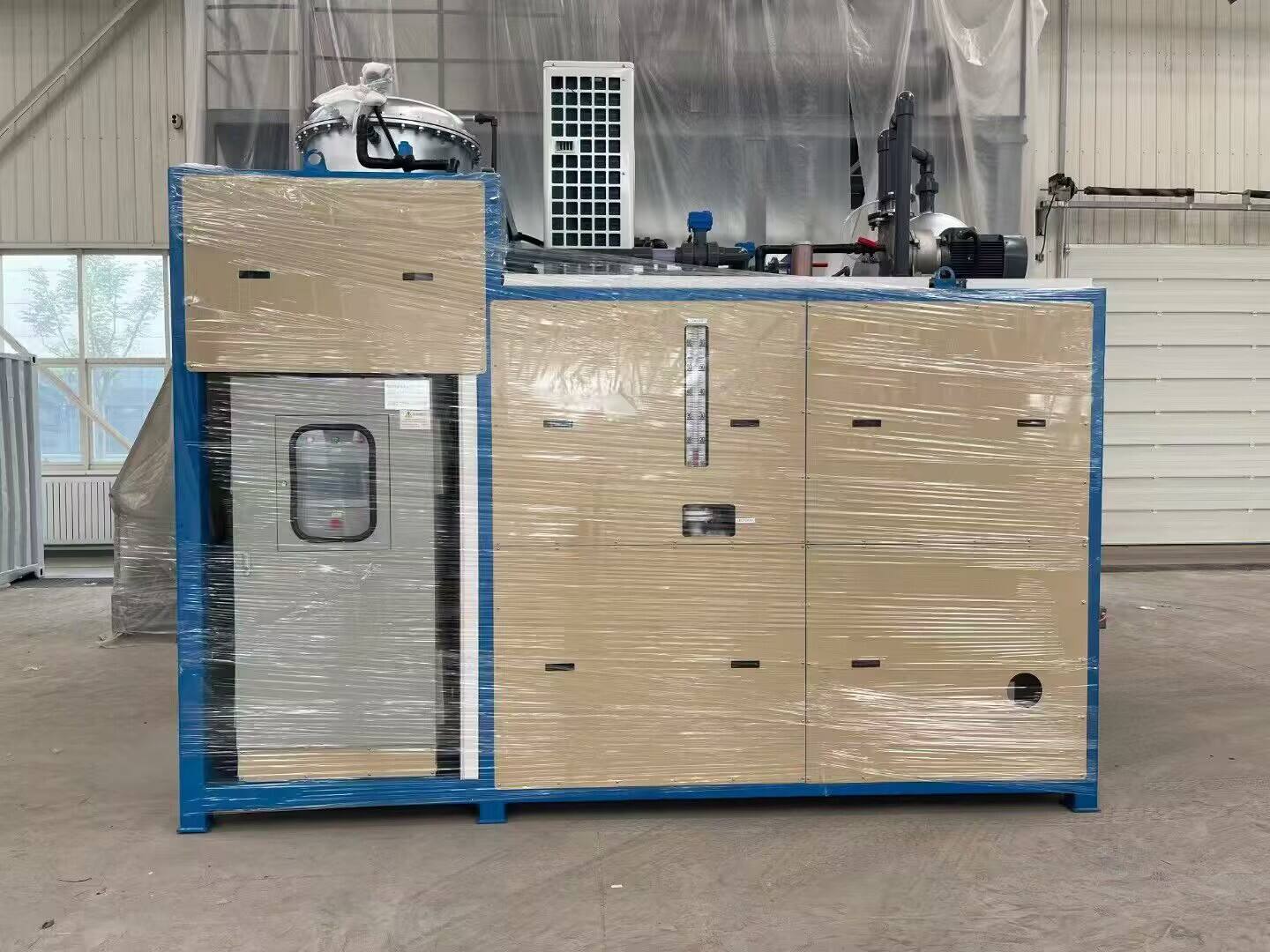
Peisajul industrial al cristalizării a cunoscut progrese remarcabile în ultimii ani, cristalizarea cu raclet la temperatură scăzută afirmându-se ca o tehnologie esențială pentru procesele moderne de fabricație. Această abordare inovatoare combină precizia managementului controlat al temperaturii cu eficiența sistemelor mecanice de racletare, oferind rezultate excepționale în diverse aplicații industriale. Companii din întreaga lume adoptă din ce în ce mai mult sisteme de cristalizare cu raclet la temperatură scăzută pentru a îmbunătăți calitatea produselor, a reduce consumul de energie și a obține o eficiență superioară a separării în operațiunile lor.
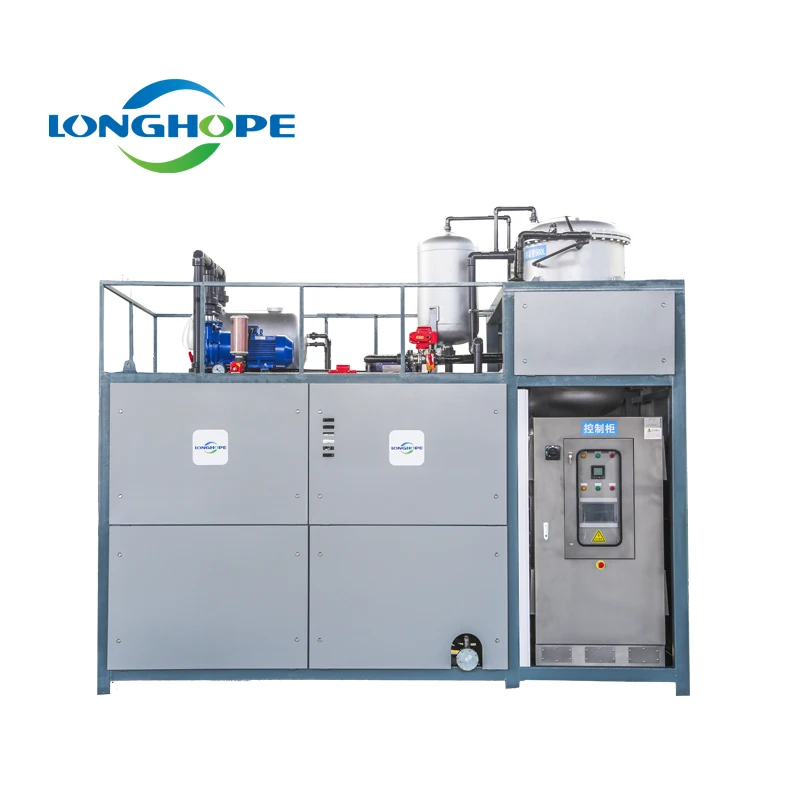
Facilitățile industriale moderne necesită soluții de cristalizare care să poată funcționa eficient la temperaturi reduse, menținând în același timp productivitatea optimă și consistența produsului. Integrarea unor mecanisme avansate de curățare cu medii controlate termic a revolutionat modul în care producătorii abordează procesele de cristalizare. Aceste sisteme oferă un control sporit asupra formării cristalelor, rezultând în dimensiuni ale particulelor mai uniforme și caracteristici ale produsului îmbunătățite, care respectă standardele stricte de calitate.
Evoluția tehnologică în echipamentele de cristalizare a fost determinată de necesitatea unor metode de producție mai durabile și eficiente din punct de vedere al costurilor. Sistemele de cristalizare cu raclet la temperaturi scăzute răspund acestor cerințe prin reducerea stresului termic asupra materialelor sensibile, în același timp crescând ratele de recuperare. Această abordare s-a dovedit deosebit de valoroasă în industria farmaceutică, chimică și în prelucrarea alimentelor, unde controlul precis al parametrilor de cristalizare este esențial pentru menținerea integrității produsului.
Principiile fundamentale ale cristalizării la temperatură scăzută
Mecanisme de Control al Temperaturii
Fundamentul cristalizării eficiente prin racordare la temperaturi scăzute constă în sisteme sofisticate de control al temperaturii care mențin condiții termice precise pe tot parcursul procesului de cristalizare. Aceste mecanisme utilizează tehnologii avansate de schimb termic pentru a crea gradienți optimi de temperatură care favorizează formarea uniformă a cristalelor, prevenind în același timp nucleele nedorite. Procesul controlat de răcire asigură menținerea nivelurilor de suprasaturație în limitele ideale, rezultând o calitate constantă a cristalelor și o distribuție uniformă a dimensiunilor acestora.
Sistemele avansate de monitorizare a temperaturii urmăresc în mod continuu condițiile termice din mai multe zone ale cristalizatorului, permițând ajustări în timp real pentru menținerea unor condiții optime de funcționare. Acest nivel de control este deosebit de important în aplicațiile de cristalizare la temperaturi joase cu raclete, unde chiar și variațiile minore de temperatură pot influența semnificativ formarea cristalelor și calitatea produsului final. Integrarea sistemelor automate de control asigură o performanță constantă, reducând în același timp necesitatea intervenției manuale.
Integrare sistem de raclete
Componenta mecanică de racletare a sistemelor de cristalizare la temperatură scăzută cu racletare are un rol esențial în prevenirea acumulării cristalelor pe suprafețele de transfer termic și în menținerea unui schimb termic eficient. Aceste mecanisme de racletare sunt proiectate pentru a funcționa eficient la temperaturi reduse, oferind în același timp o acțiune constantă de curățare a suprafeței. Considerentele de proiectare pentru operațiunile la temperatură scăzută includ selecția materialelor, sistemele de rulmenți și mecanismele de acționare care pot funcționa fiabil în condiții termice dificile.
Sistemele moderne de răzuire includ acționări cu viteză variabilă care permit operatorilor să optimizeze frecvența de răzuire în funcție de cerințele specifice ale procesului și de caracteristicile materialului. Această flexibilitate permite ajustarea fină a procesului de cristalizare pentru a obține proprietăți dorite ale cristalelor, menținând în același timp eficiența sistemului. Construcția robustă a acestor ansamble de răzuire asigură o fiabilitate pe termen lung și un minim de întreținere în mediile industriale solicitante.
Caracteristici avansate ale proiectării sistemului
Optimizarea schimbului de căldură
Contemporan cristalizare cu rașetă la temperaturi joase sistemele dispun de designuri îmbunătățite ale schimbului de căldură care maximizează eficiența termică în timp ce funcționează la temperaturi reduse. Suprafețele optimizate de transfer termic oferă o performanță termică superioară prin geometrii inovatoare și tratamente de suprafață care promovează un schimb eficient de căldură. Capacitățile îmbunătățite de transfer termic permit rate mai rapide de cristalizare, menținând totodată un control precis al temperaturii pe parcursul întregului proces.
Integrarea sistemelor de încălzire și răcire cu mai multe zone permite profile de temperatură treptate, care pot fi personalizate în funcție de cerințele specifice de cristalizare. Această abordare zonală permite operatorilor să creeze medii termice optime pentru diferite etape ale procesului de cristalizare, de la nuclearea inițială până la creșterea finală a cristalelor și separarea acestora. Rezultatul este o consistență îmbunătățită a produsului și o eficiență generală sporită a procesului.
Automatizare și control al procesului
Sistemele moderne de cristalizare cu racletor la temperaturi scăzute integrează tehnologii sofisticate de automatizare care permit un control și monitorizare precisă a procesului. Aceste sisteme automate monitorizează în mod continuu parametrii importanți ai procesului, inclusiv temperatură, presiune, debite și caracteristicile formării cristalelor. Capacitățile de colectare și analiză în timp real a datelor oferă operatorilor informații complete despre performanța sistemului și indicatorii calității produsului.
Algoritmii avansați de control optimizează condițiile de cristalizare prin ajustarea automată a parametrilor operaționali în funcție de feedback-ul în timp real provenit de la senzorii procesului. Această abordare inteligentă de control asigură o calitate constantă a produsului, minimizând consumul de energie și reducând probabilitatea apariției unor perturbări în proces. Integrarea funcționalităților de întreținere predictivă sporește în continuare fiabilitatea sistemului prin identificarea problemelor potențiale înainte ca acestea să afecteze operațiunile de producție.
Industrial Aplicații și beneficii
Fabricarea de produse farmaceutice
Industria farmaceutică a adoptat tehnologia de cristalizare cu raclete la temperaturi joase pentru producția de ingrediente farmaceutice active și intermediari de înaltă puritate. Aceste sisteme oferă controlul precis necesar pentru obținerea unei morfologii cristaline constante și a unei distribuții uniforme a dimensiunii particulelor, factori critici pentru eficacitatea și biodisponibilitatea produselor farmaceutice. Condițiile blânde de cristalizare păstrează structurile moleculare sensibile, asigurând în același timp separarea completă și recuperarea compușilor valoroși.
Operațiunile la temperaturi scăzute sunt deosebit de benefice pentru compușii farmaceutici sensibili la căldură, care s-ar putea degrada sau suferi modificări chimice nedorite la temperaturi ridicate. Mediul controlat de cristalizare permite producătorilor să obțină produse farmaceutice cu o stabilitate, solubilitate și caracteristici de dizolvare îmbunătățite. Această calitate superioară a produsului se traduce prin rezultate terapeutice mai bune și costuri de producție reduse datorită creșterii randamentului și reducerii deșeurilor.
Aplicații pentru procesarea chimică
Instalațiile de producție chimică utilizează sisteme cu cristalizare cu raclet la temperaturi joase pentru purificarea și separarea diferitelor compuși chimici, inclusiv produse chimice speciale, substanțe intermediare și produse de înaltă valoare. Aceste sisteme se remarcă în aplicațiile în care metodele tradiționale de cristalizare la temperatură ridicată ar putea provoca descompunere termică sau reacții secundare nedorite. Controlul precis al temperaturii și acțiunea eficientă de raclet asigură o recuperare optimă a produsului, menținând în același timp puritatea chimică.
Versatilitatea cristalizării cu raclet la temperatură joasă o face potrivită pentru procesarea unei game largi de materiale chimice, de la solvenți organici și acizi până la compuși polimerici complecși. Capacitatea de a funcționa la temperaturi reduse, menținând în același timp debite mari, face ca aceste sisteme să fie deosebit de atractive pentru procesele chimice intensive din punct de vedere energetic, unde reducerea costurilor operaționale este o preocupare majoră.
Eficiența energetică și impactul asupra mediului
Consum Redus de Energie
Sistemele de cristalizare prin răzuire la temperatură scăzută demonstrează avantaje energetice semnificative în comparație cu metodele convenționale de cristalizare la temperatură ridicată. Necesitățile reduse de căldură se traduc direct printr-un consum mai mic de energie pentru operațiunile de încălzire și răcire, rezultând economii substanțiale de costuri pe durata de viață a sistemului. Proiectarea eficientă a schimbului de căldură și controlul optimizat al temperaturii minimizează risipa de energie, în timp ce maximizează recuperarea termică.
Integrarea sistemelor de recuperare a căldurii sporește în continuare eficiența energetică prin captarea și reutilizarea energiei termice care altfel ar fi pierdută în mediul înconjurător. Aceste mecanisme de recuperare a căldurii pot reduce semnificativ necesarul total de energie, contribuind în același timp la o sustenabilitate îmbunătățită a procesului. Beneficiile ambientale ale consumului redus de energie sunt în conformitate cu obiectivele corporative de sustenabilitate și cu cerințele reglementare privind operațiunile de producție eficiente din punct de vedere energetic.
Sustenabilitatea mediului
Avantajele ecologice ale cristalizării cu raclet la temperatură scăzută merg dincolo de eficiența energetică, incluzând reducerea emisiilor și o gestionare mai bună a deșeurilor. Temperaturile mai joase de funcționare determină scăderea emisiilor termice și reducerea impactului asupra mediului provenit din operațiunile de răcire. Eficiența sporită a separării în aceste sisteme contribuie, de asemenea, la rate mai mari de recuperare a produselor și la generarea redusă de deșeuri.
Sistemele moderne de cristalizare cu raclet la temperatură scăzută incorporează agenți frigorifici și tehnologii de răcire prietenoase cu mediul care minimizează potențialul de epuizare a ozonului și impactul asupra încălzirii globale. Proiectarea în buclă închisă a acestor sisteme previne eliberarea materialelor procesate în mediu, asigurând în același timp recuperarea completă a produselor valoroase și a solvenților. Aceste beneficii ecologice fac din cristalizarea cu raclet la temperatură scăzută o opțiune atrăgătoare pentru companiile care doresc să-și reducă amprenta ecologică.
Dezvoltări și inovații viitoare
Tehnologii Emergente
Viitorul tehnologiei de cristalizare cu racletor la temperaturi joase promite dezvoltări interesante în domenii precum materiale avansate, senzori inteligenți și integrarea inteligenței artificiale. Eforturile de cercetare se concentrează asupra dezvoltării unor noi suprafețe de transfer termic cu proprietăți termice îmbunătățite și o rezistență sporită la depuneri și coroziune. Aceste materiale avansate vor permite un schimb de căldură și mai eficient și o durată de viață mai lungă a echipamentelor.
Integrarea tehnologiilor de inteligență artificială și învățare automată va transforma operațiunile de cristalizare cu racletor la temperaturi joase prin optimizarea predictivă a proceselor și funcționalități de control autonom. Aceste sisteme inteligente vor putea prezice condițiile optime de funcționare pe baza datelor istorice și a feedback-ului în timp real al procesului, permițând un nivel fără precedent de control al procesului și o consistență ridicată a calității produsului.
Tendințe ale pieței și adoptarea în industrie
Adoptarea industrială a tehnologiei de cristalizare cu racletor la temperatură scăzută continuă să se accelereze pe măsură ce producătorii recunosc avantajele semnificative oferite de aceste sisteme în ceea ce privește calitatea produsului, eficiența energetică și flexibilitatea operațională. Accentul tot mai mare pus pe practicile de fabricație durabile și conservarea energiei stimulează un interes tot mai crescut față de tehnologiile de procesare la temperatură scăzută în diverse sectoare industriale.
Tendințele de piață indică o extindere a aplicațiilor pentru cristalizarea cu racletor la temperatură scăzută în industrii emergente precum biotehnologia, materialele avansate și energia regenerabilă. Versatilitatea și eficiența acestor sisteme le recomandă pentru procesarea unor noi tipuri de materiale și compuși care necesită control precis al temperaturii și manipulare delicată. Această oportunitate de piață în expansiune stimulează inovația și dezvoltarea continuă în tehnologia de cristalizare.
Întrebări frecvente
Care sunt principalele avantaje ale cristalizării cu racletor la temperatură scăzută față de metodele convenționale
Cristalizarea prin raclare la temperatură scăzută oferă mai multe avantaje importante, printre care consum redus de energie, calitate îmbunătățită a produsului datorită unor condiții de procesare mai blânde, uniformitate crescută a cristalelor și o conservare mai bună a materialelor sensibile la căldură. Controlul precis al temperaturii și acțiunea eficientă de raclare rezultă într-o eficiență superioară a separării și rate mai mari de recuperare a produsului în comparație cu metodele tradiționale la temperatură ridicată.
Cum îmbunătățește mecanismul de raclare eficiența cristalizării
Mecanismul de raclare previne acumularea cristalelor pe suprafețele de transfer termic, menținând schimbul termic optim pe tot parcursul procesului de cristalizare. Această acțiune continuă de curățare a suprafeței asigură rate constante de transfer termic și previne formarea stratelor de cristale izolatoare care ar putea reduce eficiența sistemului. Acțiunea mecanică promovează, de asemenea, amestecarea uniformă și suspendarea cristalelor, ducând la o calitate mai constantă a produsului.
Ce industrii beneficiază cel mai mult de tehnologia cristalizării cu perie la temperatură scăzută
Industriile farmaceutică, chimică, alimentară și băuturilor, precum și cea a materialelor speciale beneficiază în mod semnificativ de tehnologia cristalizării cu perie la temperatură scăzută. Aceste industrii prelucrează adesea materiale sensibile la căldură, care necesită un manevrare delicată și un control precis al temperaturii pentru a menține integritatea și calitatea produsului. Tehnologia este deosebit de valoroasă pentru producerea de produse de înaltă puritate, unde calitatea cristalului și uniformitatea acestuia sunt critice.
Ce factori trebuie luați în considerare la alegerea unui sistem de cristalizare cu perie la temperatură scăzută
Factorii cheie de selecție includ proprietățile specifice ale materialelor și cerințele de procesare, capacitatea dorită de producție, necesitățile de precizie în controlul temperaturii, utilitățile disponibile și restricțiile de spațiu, precum și considerentele privind întreținerea pe termen lung. Trebuie evaluate, de asemenea, compatibilitatea materialelor de construcție cu substanțele chimice utilizate în proces, cerințele de automatizare și posibilitățile de integrare cu sistemele existente din uzină, pentru a asigura o performanță și o fiabilitate optime ale sistemului.
Cuprins
- Principiile fundamentale ale cristalizării la temperatură scăzută
- Caracteristici avansate ale proiectării sistemului
- Industrial Aplicații și beneficii
- Eficiența energetică și impactul asupra mediului
- Dezvoltări și inovații viitoare
-
Întrebări frecvente
- Care sunt principalele avantaje ale cristalizării cu racletor la temperatură scăzută față de metodele convenționale
- Cum îmbunătățește mecanismul de raclare eficiența cristalizării
- Ce industrii beneficiază cel mai mult de tehnologia cristalizării cu perie la temperatură scăzută
- Ce factori trebuie luați în considerare la alegerea unui sistem de cristalizare cu perie la temperatură scăzută