
 EN
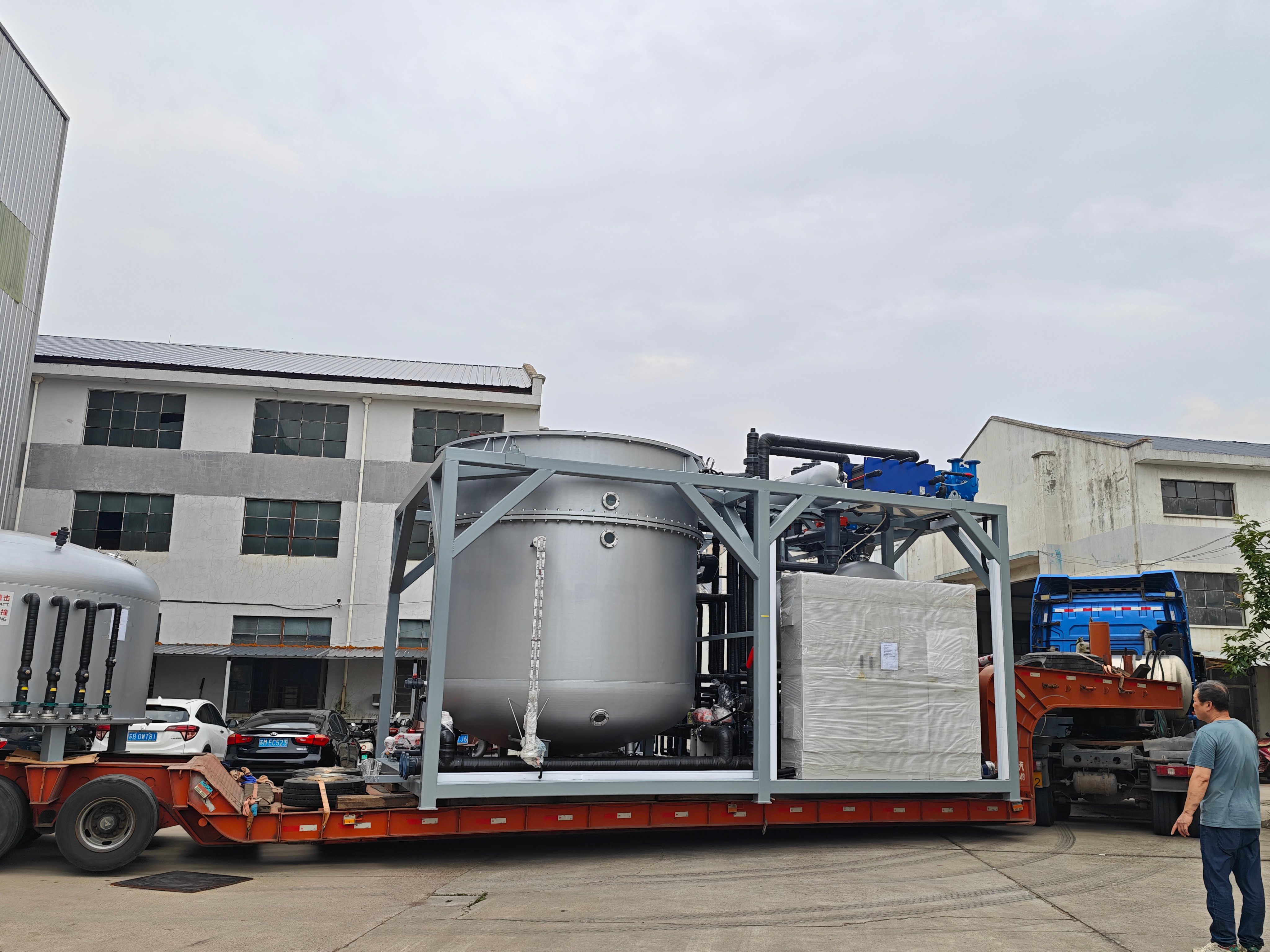
A vacuum evaporator concentrator is a critical piece of industrial equipment designed to remove liquid from dissolved solids through controlled heating and pressure reduction. This technology is essential in pharmaceutical, chemical, food processing, and environmental treatment applications where precise concentration is required. The quality of your production output and operational efficiency depend heavily on understanding the design features that make these systems effective.
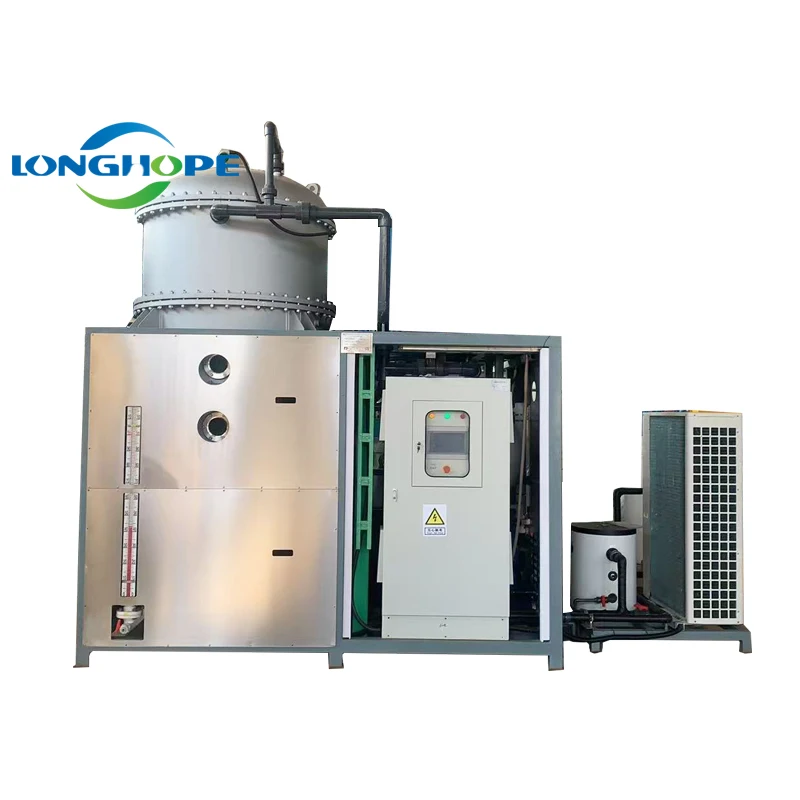
Selecting equipment with the right concentrator design characteristics can reduce energy consumption, minimize product degradation, and improve yield consistency. Modern concentration equipment incorporates innovations that address the challenges of large-scale production while maintaining product quality. Understanding these five key features will help you evaluate vacuum concentrators and make informed decisions for your facility.
Temperature Control and Heat Exchange Efficiency
Precision Temperature Management in Evaporator Design
The thermal regulation system in an evaporator design directly impacts product integrity and energy consumption. Modern vacuum concentrator systems employ advanced heat exchangers that maintain exact temperature ranges required by sensitive materials. When evaporator design incorporates jacketed chambers with precise thermostatic controls, operators can prevent thermal degradation while achieving target viscosity levels. This precision is particularly important in pharmaceutical and food applications where heat-sensitive compounds cannot tolerate high temperatures.
A well-engineered evaporator design minimizes boiling point elevation while maximizing evaporation rates. The heat transfer surface area and material composition determine how efficiently thermal energy is distributed throughout the concentrator. Systems with stainless steel or titanium surfaces resist corrosion and maintain consistent performance across thousands of operating hours. Temperature uniformity prevents hot spots that could damage valuable products during the concentration process.
Energy Recovery and Reduced Operating Costs
Advanced concentrator design integrates vapor recompression technology that captures latent heat and recycles it back into the system. This approach significantly reduces energy input requirements compared to conventional vacuum concentrators. By recovering condensation energy and reintroducing it to the evaporator chamber, facilities can cut utility costs by up to forty percent. The initial investment in this concentrator design feature typically pays for itself within two to three years of continuous operation.
Vacuum System Performance and Pressure Control
Multi-Stage Vacuum Pump Integration
A robust vacuum concentrator must maintain consistent pressure levels throughout the evaporation cycle to ensure reliable concentration equipment performance. Multi-stage vacuum pump systems create the low-pressure environment necessary for evaporation at reduced temperatures. The quality of your vacuum pump directly affects cycle time, product purity, and equipment longevity. Modern concentration equipment incorporates variable-speed vacuum pumps that adjust automatically based on system demands, optimizing both performance and energy efficiency.
The vacuum system in an evaporator design must achieve and maintain pressures ranging from near-atmospheric to deep vacuum conditions depending on product requirements. Rotary vane, rotary screw, or oil-sealed pump options each offer distinct advantages for specific vacuum concentrator applications. A well-designed concentrator includes multiple safety valves, pressure gauges, and automated monitoring systems to prevent pressure spikes that could compromise both equipment and product quality.
Condensation and Vapor Management
Effective evaporator design incorporates condenser systems that rapidly convert vapors back to liquid form, maintaining system vacuum integrity. Surface condensers or shell-and-tube configurations are standard in quality concentration equipment. The condenser capacity must match or exceed the evaporator's maximum vapor generation rate to prevent backpressure buildup. Undersized condensers force the vacuum pump to work harder, increasing operational costs and reducing equipment service life.
Product Recovery and Separation Efficiency
Centrifugal Separation and Discharge Systems
Modern vacuum concentrator designs integrate separation mechanisms that efficiently recover concentrated products without contamination or product loss. Basket centrifuges or pusher centrifuges attached to the evaporator chamber enable continuous or batch separation of solids from mother liquor. This concentrator design feature dramatically improves product yield and reduces waste handling costs. The discharge system must allow for reliable product removal without exposing the vacuum chamber to atmospheric pressure.
An optimized evaporator design incorporates slurry handling capabilities that prevent clogging and crystal buildup within the system. Product contact surfaces must be smooth and slope appropriately to enable gravity-assisted discharge. Concentration equipment with well-engineered product pathways reduces cleaning time between batches and extends intervals between maintenance shutdowns. The ability to adjust discharge rates independently of evaporation rates gives operators maximum flexibility for different product viscosities.
Material Compatibility and Corrosion Resistance
Concentrator design material selection fundamentally affects equipment durability and product compatibility. Stainless steel constructions resist corrosion in acidic, alkaline, or saline solutions commonly encountered in pharmaceutical and chemical processing. Specialized alloys or coatings extend service life in aggressive environments where standard steel would deteriorate rapidly. The vacuum concentrator investment protection depends on selecting materials matched to your specific concentration process chemistry.
Automation, Control Systems, and Safety Features
Integrated Process Monitoring and Data Logging
Contemporary vacuum concentrator technology incorporates sophisticated control systems that monitor multiple parameters continuously throughout operation. Real-time data logging enables precise documentation of batch parameters for regulatory compliance and quality assurance. An advanced evaporator design includes sensors tracking temperature, pressure, vacuum level, and product density with output to centralized process control systems. Automated alerts notify operators of any deviation from target parameters, enabling rapid corrective action before product loss occurs.
The integration of concentration equipment with manufacturing execution systems allows seamless batch tracking and quality records management. Touchscreen interfaces and programmable logic controllers enable operators to run complex multi-stage evaporation profiles without manual intervention. Historical data stored by the system enables troubleshooting and process optimization based on actual operating experience. This level of process visibility transforms vacuum concentrators from equipment into integrated production intelligence tools.
Safety Interlocks and Emergency Protection
A well-designed vacuum concentrator incorporates multiple independent safety systems protecting personnel and equipment. Emergency pressure relief valves prevent dangerous pressure buildups regardless of automatic control system status. Vacuum break valves allow rapid pressure equalization if the vacuum system fails unexpectedly. Concentrator design includes safety interlocks preventing unsafe operating sequences such as attempting to heat an unpressurized chamber or applying vacuum to a warm system.
Modern concentration equipment meets stringent industrial safety standards including ASME, PED, and industry-specific regulations for pharmaceutical or food processing facilities. Guard rails, warning labels, and interlock systems protect operators from contact with rotating equipment or hot surfaces. The evaporator design incorporates accessible shutdown controls and emergency stop buttons positioned at multiple locations around the equipment. Regular safety inspections and preventive maintenance schedules ensure these systems remain reliable throughout the equipment lifecycle.
FAQ
What specific concentrator design features improve product yield in vacuum concentrators?
Product yield improves through multiple integrated features including optimized heat transfer preventing thermal loss, efficient vapor recovery reducing evaporation time, and reliable separation systems capturing all concentrated material. Concentrator design that minimizes heat exchanger fouling and product adhesion to surfaces directly impacts recovery percentages. Temperature uniformity and gentle evaporation conditions preserve product integrity and maximize usable output compared to older equipment.
How does evaporator design affect energy consumption compared to conventional drying methods?
Modern vacuum concentrator systems consume thirty to fifty percent less energy than traditional drum dryers or spray dryers for equivalent throughput due to lower operating temperatures and vapor recompression technology. Evaporator design features like heat recovery and energy-efficient vacuum pumps compound these savings over months of operation. The payback period for investing in premium concentrator design typically ranges from eighteen to thirty-six months depending on operational intensity and energy costs at your facility.
What maintenance considerations should guide concentrator design selection for continuous operation facilities?
Select concentration equipment with easily accessible components, standardized fasteners, and readily available replacement parts to minimize downtime during maintenance activities. Evaporator design incorporating modular heat exchangers, quick-disconnect vacuum lines, and cleanable surfaces simplifies servicing procedures. Facilities running continuous operations should prioritize equipment with extended service intervals and designs that support preventive maintenance without production interruptions, ensuring reliability matches your operational requirements.