 EN
EN
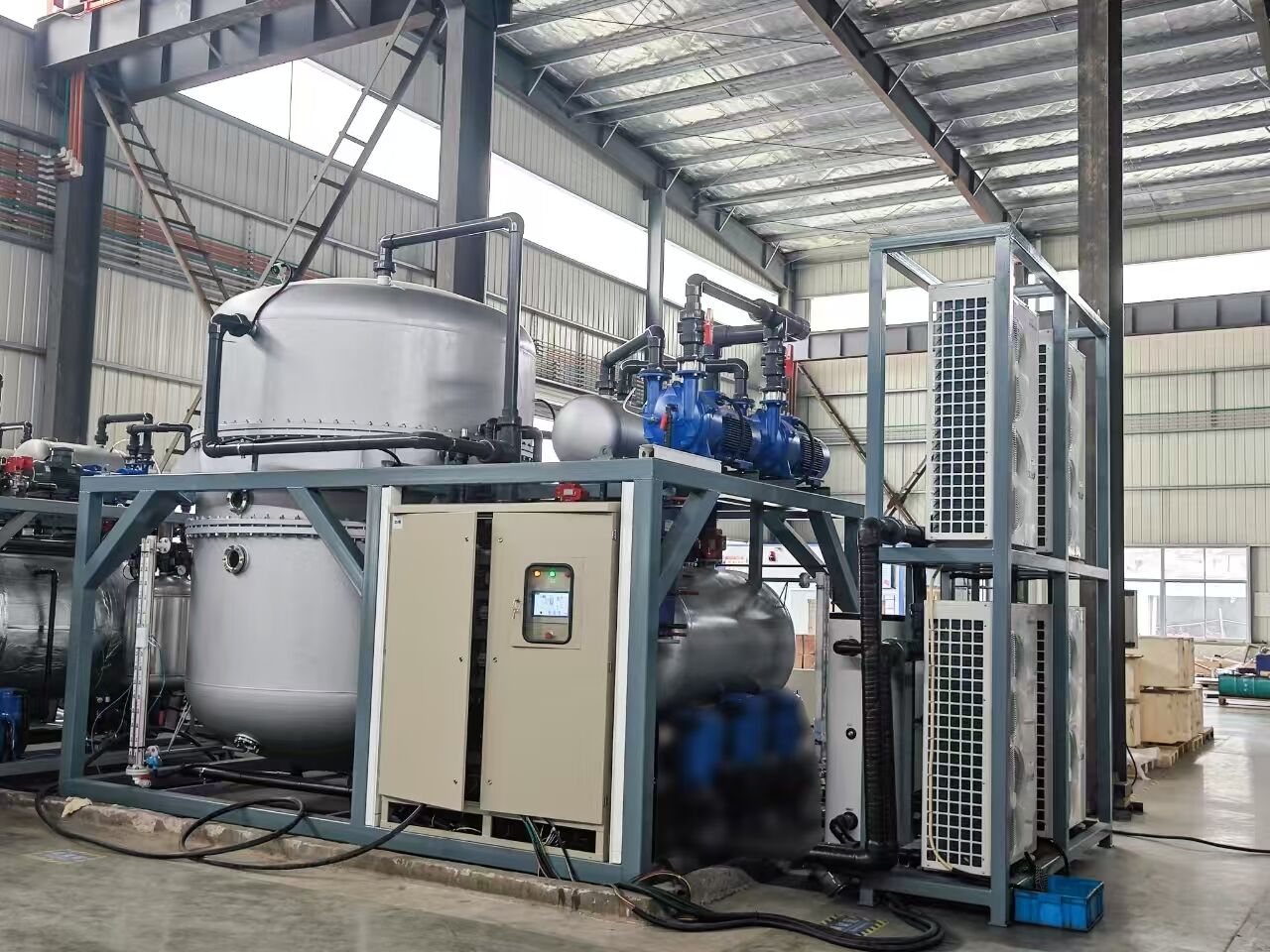
Revolutionizing Industrial Water Management Through Advanced Treatment Systems
The industrial sector faces mounting pressure to address environmental concerns and optimize resource utilization. At the forefront of sustainable water management stands wastewater zero liquid discharge, a groundbreaking approach that transforms how industries handle their water resources. This innovative technology eliminates liquid waste discharge while maximizing water recovery and minimizing environmental impact. As global water scarcity intensifies and environmental regulations become more stringent, zero liquid discharge solutions are becoming increasingly vital for industrial operations worldwide.
The concept represents a paradigm shift in industrial water treatment, moving beyond traditional waste management to create closed-loop systems that recover and reuse water resources. By implementing wastewater zero liquid discharge systems, companies can achieve remarkable water conservation rates while simultaneously reducing their environmental footprint and operating costs.
Core Components of Zero Liquid Discharge Systems
Pretreatment and Filtration Technologies
The journey to achieving wastewater zero liquid discharge begins with robust pretreatment processes. Advanced filtration systems, including ultrafiltration and microfiltration technologies, remove suspended solids, organic compounds, and other contaminants from the wastewater stream. This crucial first step ensures the efficiency of subsequent treatment stages and protects downstream equipment from fouling and damage.
Modern pretreatment systems incorporate smart sensors and automated controls, optimizing the filtration process while reducing maintenance requirements. These technologies work in concert to prepare wastewater for more intensive treatment phases, ensuring consistent performance and reliable results.
Membrane-Based Separation Systems
At the heart of many wastewater zero liquid discharge systems lie sophisticated membrane-based separation technologies. Reverse osmosis (RO) and nanofiltration systems play pivotal roles in removing dissolved solids and concentrating the waste stream. These advanced membrane systems can achieve recovery rates exceeding 95%, significantly reducing the volume of waste requiring further treatment.
The latest developments in membrane technology have led to more durable and efficient systems, capable of handling increasingly challenging waste streams while maintaining consistent performance over extended periods. This advancement has made zero liquid discharge solutions more accessible and economically viable for a broader range of industries.
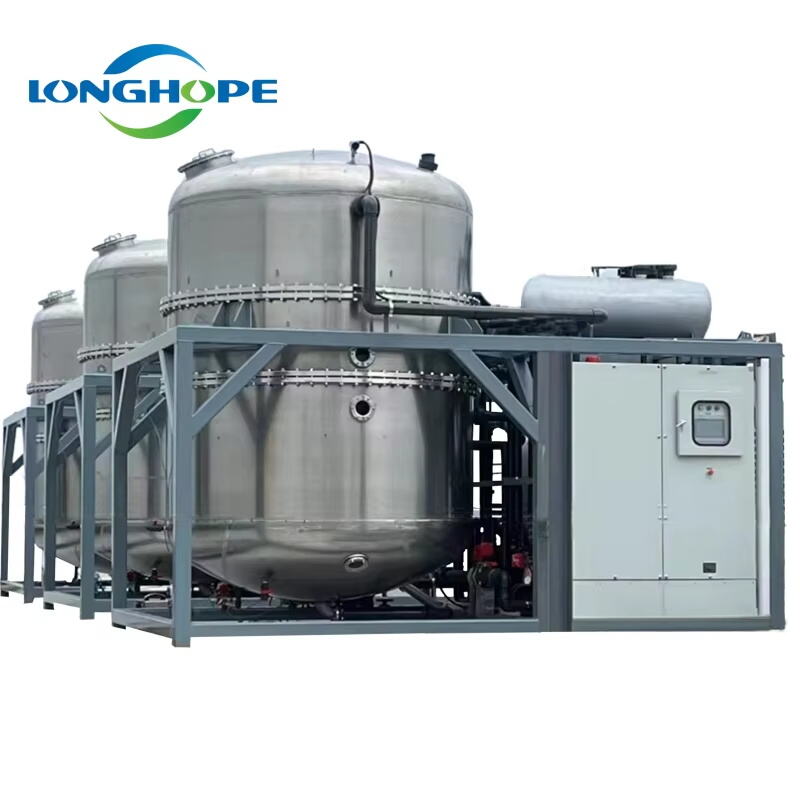
Evaporation and Crystallization Processes
Thermal Evaporation Technologies
Thermal evaporation represents a critical stage in the wastewater zero liquid discharge process, concentrating the remaining waste stream to near-saturation levels. Modern evaporator systems utilize multiple effects or vapor recompression technology to maximize energy efficiency while minimizing operating costs. These systems can handle high-salinity waste streams and are particularly effective in recovering valuable minerals and chemicals from the process.
Advanced thermal systems incorporate features such as scale prevention mechanisms and automated cleaning systems, ensuring reliable operation even with challenging waste streams. The integration of heat recovery systems further enhances energy efficiency, making the overall process more sustainable and cost-effective.
Crystallization and Solid Recovery
The final stage in wastewater zero liquid discharge systems involves crystallization, where dissolved solids are converted into easily manageable dry products. Modern crystallizers utilize sophisticated temperature and pressure control systems to optimize crystal formation and ensure consistent product quality. The recovered solids can often be repurposed or sold, transforming waste streams into valuable byproducts.
Recent innovations in crystallization technology have led to more efficient systems that require less energy while producing higher quality solid products. These advances have made zero liquid discharge solutions more attractive to industries seeking sustainable waste management alternatives.
Economic Benefits and ROI Considerations
Operational Cost Reduction
Implementing wastewater zero liquid discharge systems often results in significant operational cost savings over time. By recovering and reusing water resources, companies can substantially reduce their fresh water consumption and associated costs. Additional savings come from reduced waste disposal fees and potential revenue from recovered materials.
Modern systems incorporate energy-efficient technologies and smart controls that optimize resource utilization, further improving the economic benefits of zero liquid discharge implementation. The reduction in environmental compliance costs and potential regulatory fines adds another layer of financial advantage to these systems.
Long-term Investment Benefits
While the initial capital investment in wastewater zero liquid discharge systems may be substantial, the long-term benefits often justify the expenditure. Companies implementing these systems frequently experience improved operational efficiency, reduced environmental liability, and enhanced corporate reputation. The ability to operate in water-scarce regions and meet stringent environmental regulations provides a significant competitive advantage.
The scalability of modern zero liquid discharge solutions allows companies to phase their implementation, spreading capital costs while gradually expanding treatment capacity as needed. This flexibility makes the technology more accessible to businesses of various sizes and industries.
Environmental Impact and Sustainability
Water Conservation Benefits
The implementation of wastewater zero liquid discharge systems directly contributes to water conservation efforts by eliminating liquid waste discharge and maximizing water recovery. This approach helps preserve local water resources and reduces the strain on municipal water supplies. Industries implementing these systems often achieve water recovery rates exceeding 95%, significantly reducing their water footprint.
The positive environmental impact extends beyond water conservation, as these systems help prevent groundwater contamination and protect aquatic ecosystems. The reduced demand for fresh water resources also helps maintain ecological balance in water-stressed regions.
Carbon Footprint Reduction
Modern wastewater zero liquid discharge systems incorporate energy-efficient technologies and heat recovery systems that minimize their carbon footprint. The reduction in water transportation and treatment requirements further contributes to decreased energy consumption and associated greenhouse gas emissions. Companies implementing these systems often find they align well with corporate sustainability goals and environmental stewardship initiatives.
The integration of renewable energy sources and smart energy management systems can further enhance the environmental benefits of zero liquid discharge systems, making them an integral part of sustainable industrial operations.
Frequently Asked Questions
What industries benefit most from zero liquid discharge systems?
Industries with high water consumption and strict discharge regulations, such as power generation, chemical manufacturing, pharmaceuticals, and textile processing, typically benefit most from implementing wastewater zero liquid discharge systems. These industries often face significant water management challenges and regulatory pressures that make zero liquid discharge solutions particularly valuable.
How long does it take to implement a zero liquid discharge system?
The implementation timeline for a wastewater zero liquid discharge system typically ranges from 6 to 18 months, depending on the system's complexity, facility size, and specific requirements. This includes design, construction, installation, and commissioning phases. Proper planning and phased implementation can help optimize the transition process.
What maintenance requirements should be expected?
Modern wastewater zero liquid discharge systems require regular maintenance, including membrane cleaning, equipment inspection, and periodic replacement of components. However, advanced automation and monitoring systems help minimize maintenance requirements while ensuring optimal performance. Implementing a comprehensive maintenance program is essential for maximizing system efficiency and longevity.