
 EN
EN
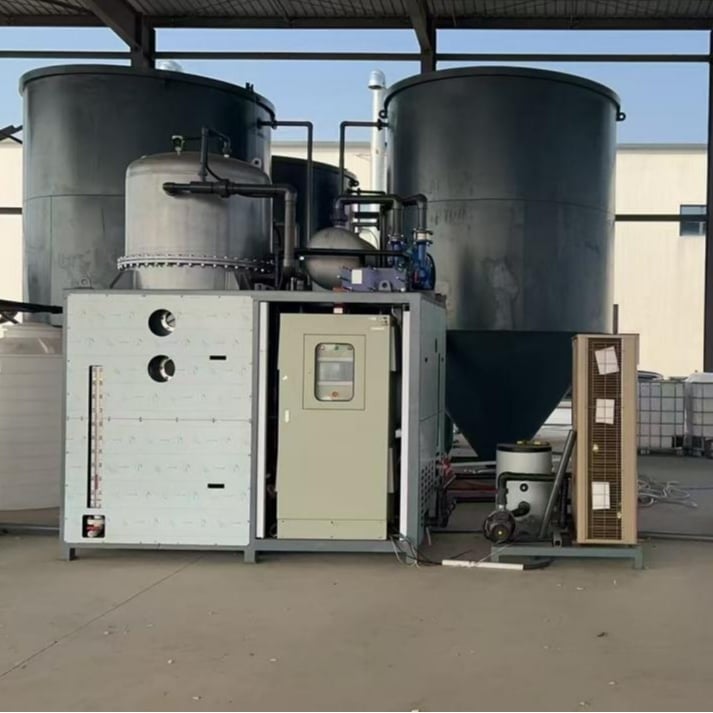
Effective low temperature heat pump evaporator maintenance is essential for preserving system efficiency, extending equipment lifespan, and preventing costly downtime in industrial refrigeration applications. The evaporator represents a critical heat transfer component where refrigerant absorbs thermal energy from the surrounding environment, and when this component operates at low temperatures, specialized maintenance protocols become non-negotiable. Neglecting low temperature heat pump evaporator maintenance leads to performance degradation, increased energy consumption, and potential system failures that disrupt production schedules.
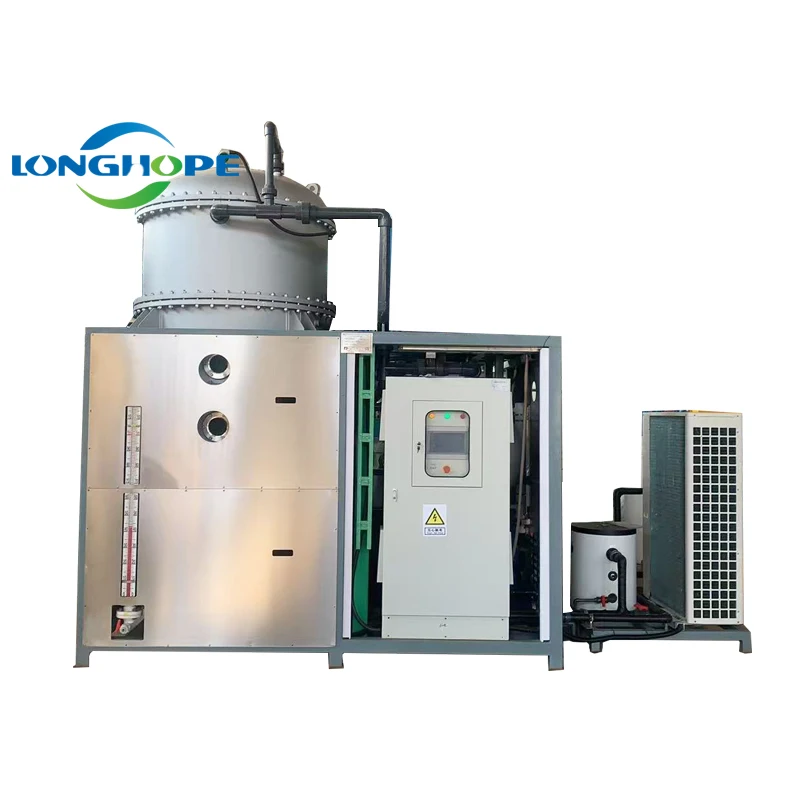
Regular low temperature heat pump evaporator maintenance requires understanding the unique challenges posed by extremely cold operating conditions. Frost accumulation, refrigerant saturation issues, and thermal stress on metal surfaces create distinct maintenance demands compared to standard HVAC systems. Implementing structured low temperature heat pump evaporator maintenance protocols protects your investment and ensures reliable operation across demanding industrial environments.
Understanding Low Temperature Heat Pump Evaporator Maintenance Requirements
Critical Maintenance Factors for Low Temperature Operation
Low temperature heat pump evaporator maintenance begins with recognizing how sub-zero conditions affect component integrity and performance. When the evaporator operates below freezing, moisture in the air freezes on the heat transfer surfaces, creating frost layers that insulate the refrigerant from the ambient environment. This frost accumulation directly reduces thermal transfer efficiency, forcing the compressor to work longer and consume more energy. Additionally, low temperature heat pump evaporator maintenance must address the expansion and contraction cycles that metal components endure during temperature swings, which accelerates fatigue and potential microfractures in solder joints and connection points.
The refrigerant itself behaves differently at low temperatures, affecting oil circulation and lubrication delivery throughout the low temperature heat pump evaporator maintenance system. Oil return becomes sluggish in cold conditions, potentially leading to inadequate lubrication of compressor bearings if the evaporator passages become partially blocked. Understanding these thermodynamic challenges positions maintenance teams to implement proactive measures that preserve system stability and prevent emergency repairs.
Consequences of Neglecting Low Temperature Heat Pump Evaporator Maintenance
Deferred low temperature heat pump evaporator maintenance creates a cascade of operational problems that compound over time. Frost buildup reduces heat transfer by 15–40 percent, depending on accumulation thickness and duration. This efficiency loss translates to extended run cycles, elevated energy bills, and accelerated wear on compressors and motors. Furthermore, inadequate low temperature heat pump evaporator maintenance allows refrigerant circulation problems to develop, potentially causing liquid slugging if oil-laden refrigerant reaches the compressor unexpectedly. The financial impact of skipped low temperature heat pump evaporator maintenance far exceeds the cost of preventive care, especially when emergency service calls or equipment replacement becomes necessary during peak production periods.
Essential Low Temperature Heat Pump Evaporator Maintenance Procedures
Inspection and Diagnostic Protocols
Thorough low temperature heat pump evaporator maintenance inspection establishes the baseline condition and identifies emerging issues before they escalate. Visual examination should assess frost accumulation patterns, discoloration, corrosion on fins and tubes, and any signs of refrigerant leakage such as oil stains or crystalline deposits. Thermographic imaging reveals temperature distribution across the heat exchanger surface, helping technicians identify partially blocked passages or areas of poor refrigerant flow. Pressure and temperature measurements taken during low temperature heat pump evaporator maintenance confirm that the refrigerant is reaching proper saturation conditions and that superheat levels remain within specification. These diagnostic insights guide decisions about when more intensive cleaning or component replacement becomes necessary within your low temperature heat pump evaporator maintenance schedule.
Documentation of inspection findings creates a maintenance history that supports predictive trend analysis. Comparing successive measurements helps identify gradual deterioration patterns that indicate when low temperature heat pump evaporator maintenance should advance to more aggressive intervention. This data-driven approach optimizes the timing of maintenance activities and reduces reactive emergency service.
Cleaning Techniques and Frost Management
Low temperature heat pump evaporator maintenance cleaning addresses frost accumulation through mechanical and thermal methods appropriate for the system design. Periodic defrost cycles, where warm refrigerant or external heat temporarily reverses the temperature gradient, melt frost layers and restore thermal contact between the refrigerant and air-side surfaces. The duration and frequency of these defrost cycles should be optimized during low temperature heat pump evaporator maintenance planning to balance frost removal with energy consumption and compressor runtime. Manual frost removal using soft brushes or compressed air remains viable for accessible evaporator designs, though care must be taken to avoid damaging delicate fins or puncturing refrigerant tubing.
Chemical cleaning solutions may be deployed during comprehensive low temperature heat pump evaporator maintenance when mineral deposits or biological fouling impair heat transfer. Flushing systems with appropriate solvents removes scale and debris without introducing moisture that could freeze at low operating temperatures. After any cleaning procedure, low temperature heat pump evaporator maintenance protocols should include moisture removal through evacuation to ensure the refrigerant circuit remains free of water content that would otherwise contaminate the oil and form ice crystals.
Sealing and Component Integrity in Low Temperature Heat Pump Evaporator Maintenance
Refrigerant leaks represent a critical concern addressed within low temperature heat pump evaporator maintenance, as low temperatures can mask small leaks that become obvious at warmer conditions. Bubble testing, electronic detection, and pressure decay monitoring should all be incorporated into low temperature heat pump evaporator maintenance routines to catch leaks early. Solder joints and brazed connections require particular attention, as thermal cycling at extreme temperatures accelerates fatigue crack initiation. Vibration isolation and flexible connectors reduce mechanical stress transmission to the evaporator, forming an important component of preventive low temperature heat pump evaporator maintenance.
Seasonal and Planned Low Temperature Heat Pump Evaporator Maintenance Scheduling
Developing a Maintenance Calendar
Structured low temperature heat pump evaporator maintenance scheduling prevents surprises and ensures consistent performance throughout the operational year. Pre-season maintenance before peak demand periods should include comprehensive inspection, cleaning, and calibration of all temperature and pressure sensors. Mid-season checks during heavy usage periods focus on frost management, oil return verification, and refrigerant charge confirmation. Post-season inspection after extended operation identifies wear patterns and informs decisions about component replacement timing. This cyclical approach to low temperature heat pump evaporator maintenance distributes workload and cost while maintaining system readiness.
Planning low temperature heat pump evaporator maintenance around production schedules minimizes operational disruption. Many facilities coordinate maintenance during naturally slower periods or use redundant equipment configurations that allow maintenance of one unit while a backup system maintains operations. Communicating low temperature heat pump evaporator maintenance schedules to operations teams ensures that production capacity planning accounts for temporary capacity reduction during maintenance windows.
Record Keeping and Compliance Documentation
Comprehensive documentation of all low temperature heat pump evaporator maintenance activities creates a compliance record and supports trend analysis. Recording refrigerant charge quantities, pressure readings, temperature measurements, and any repairs performed during low temperature heat pump evaporator maintenance establishes a historical baseline. This documentation satisfies regulatory requirements for refrigeration systems in many jurisdictions and provides evidence of due diligence should environmental or safety incidents occur. Additionally, maintenance records for low temperature heat pump evaporator maintenance activities support warranty claims and demonstrate to auditors that equipment is receiving appropriate care.
FAQ
How often should low temperature heat pump evaporator maintenance be performed?
Low temperature heat pump evaporator maintenance frequency depends on operating conditions, ambient humidity, and system design, but most industrial systems benefit from quarterly comprehensive inspections with monthly visual checks. Systems in high-humidity environments or those operating continuously may require more frequent low temperature heat pump evaporator maintenance, possibly every four to six weeks. Consulting the manufacturer's guidelines and adjusting intervals based on your facility's historical performance data ensures optimal low temperature heat pump evaporator maintenance scheduling.
What causes frost accumulation on low temperature heat pump evaporator surfaces?
Frost forms when humid air contacts the cold heat transfer surfaces of the low temperature heat pump evaporator maintenance system. As air temperature drops below the dew point while passing over the frigid evaporator, water vapor condenses and immediately freezes into ice crystals. The rate of frost accumulation increases with higher ambient humidity levels and lower evaporator temperatures. Managing frost during low temperature heat pump evaporator maintenance involves periodic defrost cycles, improving air circulation, or using hydrophobic coatings on the evaporator fins to reduce ice adhesion.
Can low temperature heat pump evaporator maintenance be performed in-house or should it require professional technicians?
Visual inspections and routine cleaning can often be managed by trained in-house staff as part of low temperature heat pump evaporator maintenance protocols. However, pressure testing, refrigerant recovery, evacuation procedures, and component replacement during low temperature heat pump evaporator maintenance typically require EPA certification and specialized equipment. Combining in-house routine checks with periodic professional service maximizes the cost-effectiveness of low temperature heat pump evaporator maintenance while ensuring compliance with regulations.