
 EN
EN
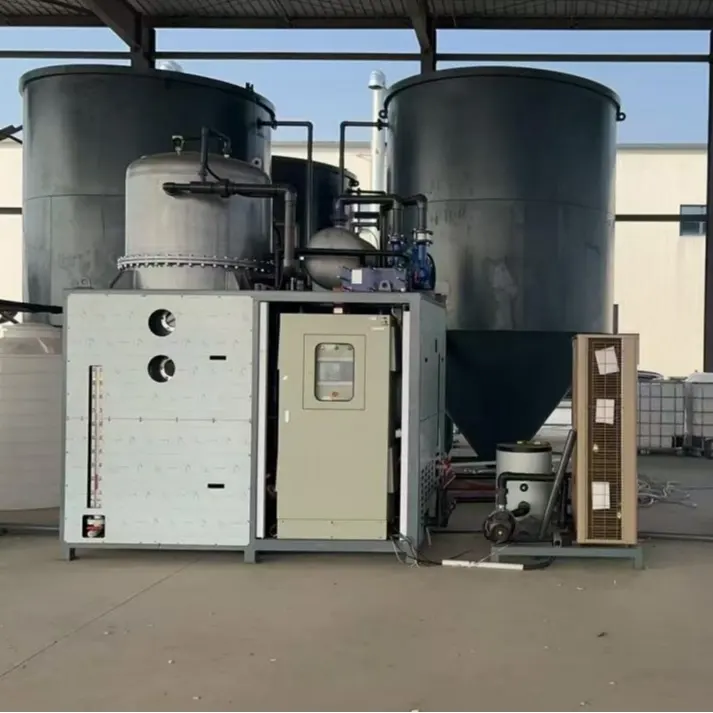
A vacuum distillation setup represents a significant investment in industrial separation technology, and protecting that investment requires a structured maintenance approach. Whether your vacuum distillation setup operates in a pharmaceutical laboratory, chemical processing facility, or research environment, regular care directly impacts equipment lifespan, separation efficiency, and operational safety. Many operators overlook proactive maintenance until performance degradation becomes noticeable, by which point preventive action has already become costly repair.
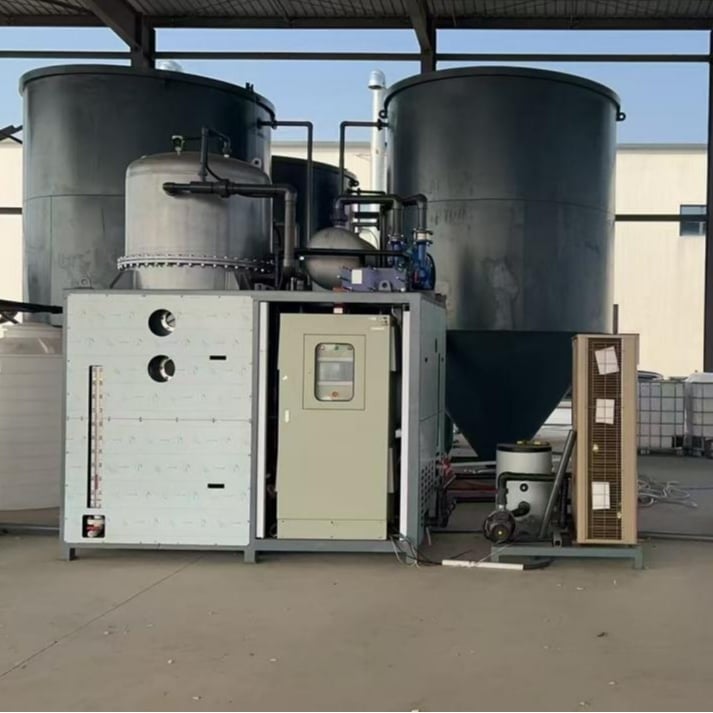
Understanding the core mechanical and operational demands of a vacuum distillation setup allows technicians and operators to implement maintenance protocols that preserve equipment integrity. This article explores the essential maintenance practices, inspection schedules, and preventive measures that extend the functional lifespan of your vacuum distillation setup while maintaining separation quality and safety compliance.
Understanding Vacuum Distillation Setup Components and Their Wear Patterns
Core Mechanical Elements in a Vacuum Distillation Setup
Every vacuum distillation setup contains interconnected mechanical, thermal, and vacuum subsystems that work together to achieve low-temperature separation. The heating system, condenser, vacuum pump, collection vessel, and vapor pathway each undergo distinct wear patterns. Your vacuum distillation setup's heating element experiences thermal cycling stress, condensers accumulate mineral deposits and corrosion, vacuum pumps lose efficiency through oil degradation, and seals gradually lose elasticity over months of operation. Understanding how each component degrades helps technicians prioritize maintenance actions and anticipate failure points before they compromise the entire vacuum distillation setup.
Vacuum Integrity and Seal Performance
The vacuum performance of your vacuum distillation setup depends entirely on seal integrity. Elastomeric seals, O-rings, and gaskets lose compression over time, particularly when exposed to chemical vapors, temperature fluctuations, and mechanical stress. A vacuum distillation setup with degraded seals experiences vacuum decay, reduced separation efficiency, and increased energy consumption as the vacuum pump compensates for leakage. Regular seal inspection and replacement on a predictable schedule prevents gradual vacuum loss that can go unnoticed until distillation efficiency drops below acceptable thresholds.
Establishing a Preventive Maintenance Schedule for Your Vacuum Distillation Setup
Daily and Weekly Maintenance Tasks for Vacuum Distillation Setup Operation
Successful maintenance of a vacuum distillation setup begins with simple daily checks that take minutes but prevent major issues. Before each operation, verify that your vacuum distillation setup connections are tight, check the vacuum pump oil level and color, inspect for visible leaks or corrosion around the condenser, and confirm that all cooling water inlet and outlet lines flow freely. Weekly maintenance includes draining condensation from the condenser, checking vacuum gauge readings for consistency, and visually inspecting the heating element exterior for obvious damage. These routine touchpoints create a baseline understanding of your vacuum distillation setup's normal operating state, making deviations immediately apparent.
Monthly and Quarterly Intervals for Deep Vacuum Distillation Setup Inspection
Monthly maintenance of a vacuum distillation setup involves measuring actual vacuum pressure performance under controlled conditions, cleaning the condenser coils to remove mineral buildup, and checking all electrical connections for corrosion or loose terminals. Quarterly inspection of your vacuum distillation setup includes changing or filtering the vacuum pump oil, testing seal integrity through vacuum hold-down tests, and examining the vapor pathway for restrictions or blockages. A quarterly maintenance cycle prevents seasonal performance changes and catches emerging issues before they cascade into equipment failure or lost production time.
Addressing Common Degradation Issues in Vacuum Distillation Setup Systems
Vacuum Loss and Leak Detection in a Vacuum Distillation Setup
Vacuum loss represents the most common performance complaint in a vacuum distillation setup, yet identifying the source often requires systematic troubleshooting. Start by isolating the vacuum distillation setup from the vacuum pump and observing how quickly the vacuum decays—rapid decay indicates leaks in the main vessel, while slow decay suggests vacuum pump performance degradation. Use bubble-test solutions on suspected seal locations, listen for hissing sounds that pinpoint major leaks, and employ helium detection equipment for pinhole-level leaks in a vacuum distillation setup. Once you locate the leak source, assess whether your vacuum distillation setup requires seal replacement, re-tightening, or complete component substitution.
Heat Transfer Efficiency and Condenser Maintenance
Declining heat transfer performance often indicates condenser fouling in your vacuum distillation setup. Hard water minerals, thermal degradation residues, and condensed vapors accumulate on internal condenser surfaces, reducing cooling efficiency and forcing your vacuum distillation setup heating system to work harder. Descaling the condenser quarterly using approved chemical solutions removes mineral deposits without damaging the vacuum distillation setup's internal surfaces. If your facility operates with hard water, installing a water softening system upstream of the condenser prevents future buildup and extends maintenance intervals for your vacuum distillation setup significantly.
Vacuum Pump Oil Management and Vapor Contamination
The vacuum pump represents the heart of your vacuum distillation setup's vacuum system, and oil condition directly affects performance longevity. Vacuum pump oil degrades through thermal oxidation, water absorption, and vapor contamination from your vacuum distillation setup's separation process. Monthly oil inspection—checking color, clarity, and viscosity—alerts you to contamination before it damages pump internals. Changing vacuum pump oil every three to six months depending on usage intensity prevents sludge accumulation that reduces efficiency and increases maintenance costs for your vacuum distillation setup. Installing a cold trap or vapor filter between your vacuum distillation setup and the vacuum pump dramatically extends oil life and improves reliability.
FAQ
How often should vacuum distillation setup seals be replaced?
Most vacuum distillation setup operators should replace primary seals annually or after 500 operating hours, whichever comes first. However, aggressive feed stocks containing corrosive chemicals or temperature extremes may require replacement every 6 months. Track seal performance by monitoring vacuum retention—when your vacuum distillation setup begins losing vacuum faster than historical baseline, seal replacement becomes urgent. Using high-quality replacement seals matched to your specific vacuum distillation setup model prevents premature failure and ensures consistent performance.
What is the ideal maintenance interval for vacuum pump oil in a vacuum distillation setup?
Standard vacuum pump oil change intervals for a vacuum distillation setup range from 250 to 500 operating hours, or every 3 to 6 months with regular use. Heavy continuous operation in a vacuum distillation setup may necessitate monthly oil changes, while light intermittent use might extend intervals to 12 months. Testing oil samples quarterly provides objective data on degradation—once the vacuum distillation setup's pump oil shows significant color darkening, water content increase, or viscosity change, immediate replacement preserves pump longevity.
Can improper vacuum distillation setup maintenance affect product quality?
Yes, neglected vacuum distillation setup maintenance directly compromises separation quality through vacuum loss, thermal inconsistency, and condensation problems. When your vacuum distillation setup loses vacuum gradually, boiling point elevation increases, risking thermal degradation of heat-sensitive compounds. Condenser fouling in a vacuum distillation setup reduces vapor collection efficiency, leading to incomplete separation and contaminated fractions. Regular maintenance of a vacuum distillation setup maintains stable operating conditions that ensure consistent, high-quality distillation results batch after batch.