 EN
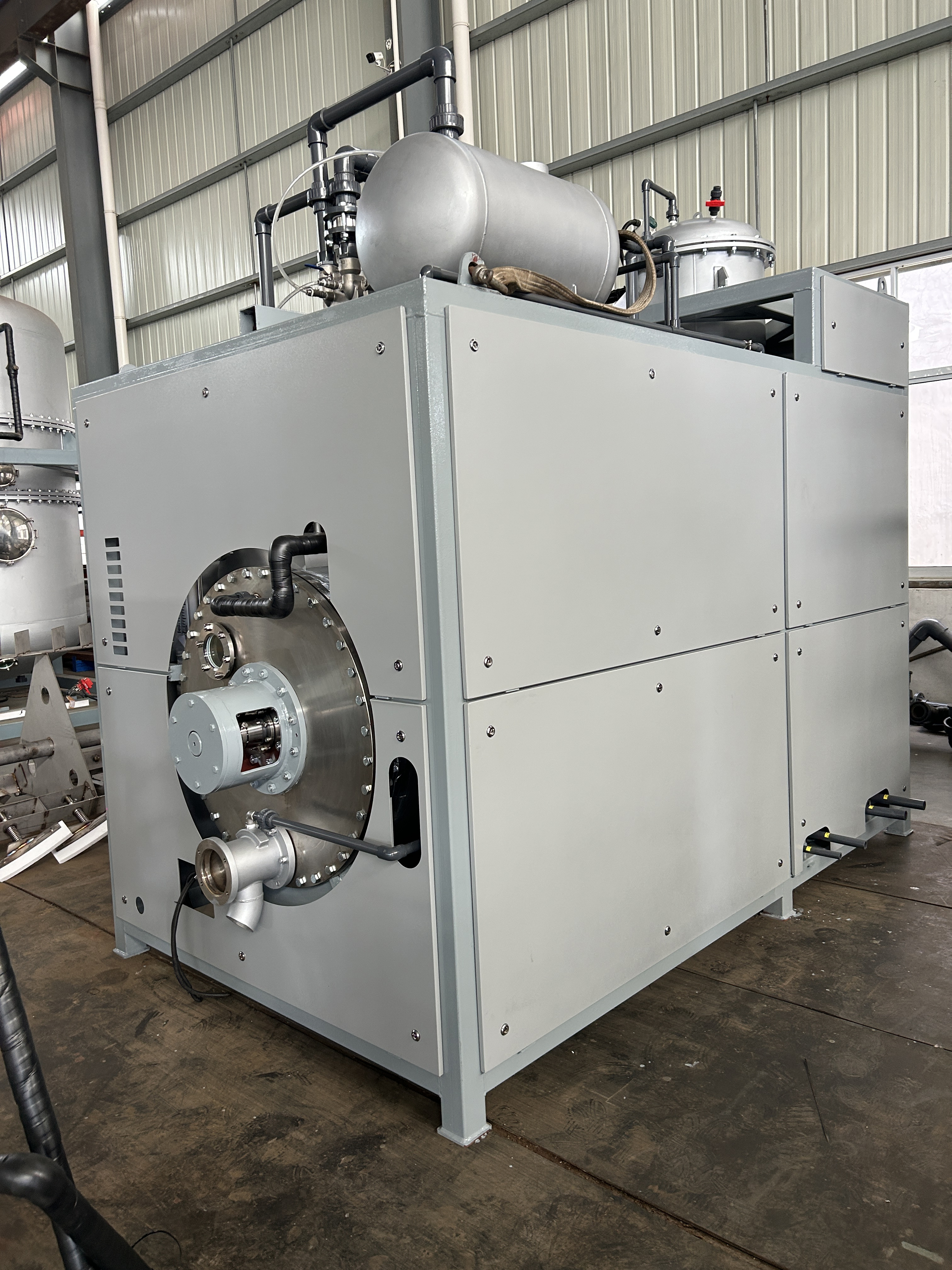
A crystallization machine represents a critical piece of industrial equipment across numerous sectors where solid crystal formation from solution must be controlled, predictable, and optimized. Unlike generic evaporators or separation systems, dedicated crystallization machinery incorporates precise temperature regulation, agitation control, and nucleation management to produce crystals of consistent size, purity, and morphology. Understanding which industries depend on this specialized technology helps manufacturers and process engineers make informed equipment investment decisions and operational choices.
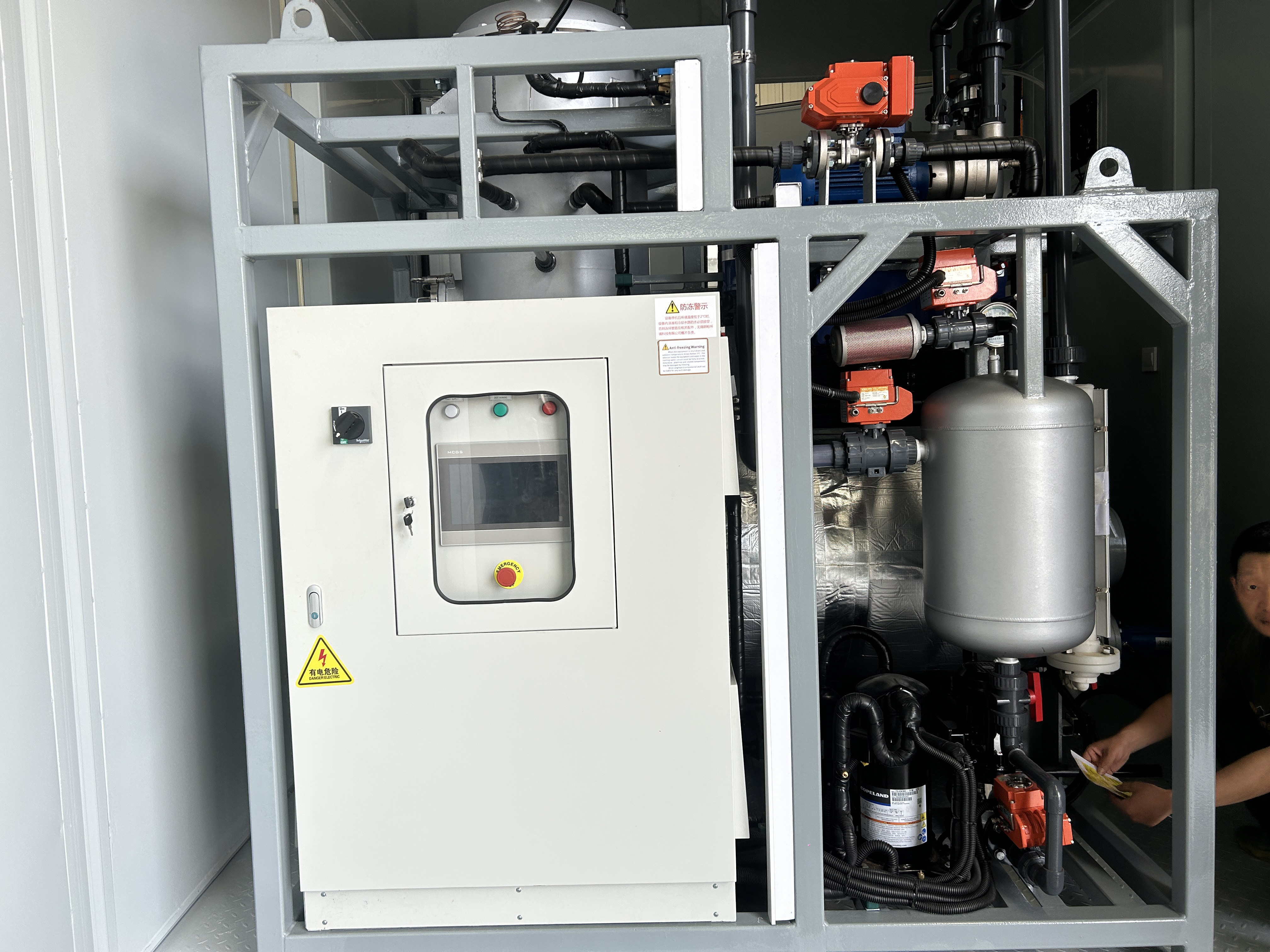
The demand for dedicated crystallization equipment stems from fundamental chemistry and market requirements. Industries that generate salts, organic compounds, pharmaceuticals, or mineral products all face the challenge of separating target compounds from solution in controllable form. Without proper crystallization process control, yields suffer, product quality becomes inconsistent, and downstream processing costs rise dramatically. This article examines the primary industrial sectors where dedicated crystallization machinery has become essential, explores the technical drivers behind this necessity, and clarifies how different industries apply crystal growth optimization strategies to their unique operational contexts.
Pharmaceutical and Chemical Manufacturing
Active Pharmaceutical Ingredient Production
Pharmaceutical manufacturers depend heavily on crystallization machinery to isolate and purify active pharmaceutical ingredients from synthesis streams. During drug synthesis, target molecules are produced alongside byproducts and unreacted starting materials. Crystallization allows selective separation of the desired compound by manipulating solubility and temperature. Crystallization process control becomes critical because crystal size distribution, polymorphic form, and purity directly impact bioavailability, dissolution rate, and regulatory compliance. Modern pharmaceutical operations require industrial crystallizer equipment that maintains exact temperature profiles, manages cooling rates, and prevents contamination throughout the crystallization cycle.
Fine Chemical Synthesis
Fine chemical producers working with organic compounds, specialty chemicals, and advanced intermediates use crystallization machinery extensively. These operations often produce compounds with high intrinsic value, making crystal growth optimization economically essential. Industrial crystallizer equipment must deliver consistent product form and minimal loss during separation. The crystallization process control systems employed in fine chemistry allow manufacturers to achieve high purity levels that would be impossible through simple precipitation or filtration alone. Many fine chemical companies operate multiple crystallization machines in parallel to manage throughput while maintaining stringent quality standards.
Mineral Processing and Salt Production
Industrial Salt Extraction and Refining
Salt production from brine, seawater, or mineral deposits relies on crystallization machinery to separate sodium chloride and other mineral salts at commercial scale. The crystallization process control systems regulate temperature, concentration, and residence time to influence crystal size and separation efficiency. Food-grade salt, chemical-grade salt, and specialty salts all demand different crystal characteristics, which industrial crystallizer equipment can be adjusted to provide. By managing cooling rates and agitation patterns, manufacturers optimize yield and reduce energy consumption, making the crystallization machinery investment critical to operational profitability.
Potassium and Specialty Salt Processing
Potassium salts, magnesium salts, and other mineral compounds extracted from ore or natural deposits require dedicated crystallization machinery to achieve commercial purity and form. Mineral processing operations handle large volumes and must maintain cost-effective crystallization process control to compete globally. Industrial crystallizer equipment in these settings is engineered for continuous operation, high throughput, and minimal maintenance downtime. Crystal growth optimization in mineral operations often focuses on maximizing recovery rates and reducing waste, directly impacting the bottom line for these commodity-oriented businesses.
Food Processing and Specialty Ingredient Manufacturing
Sugar and Sweetener Production
Sugar manufacturing has depended on crystallization machinery for centuries, though modern industrial crystallizer equipment incorporates sophisticated crystallization process control systems. Vacuum crystallizers remove water under controlled pressure and temperature to drive sucrose crystallization while preventing decomposition and color development. The crystallization machinery must handle viscous molasses streams, manage massecuite consistency, and produce consistent crystal size suitable for centrifugal separation and subsequent refining. High-purity white sugar and specialty sweetener grades demand precise crystal growth optimization to meet food industry and export standards.
Amino Acid and Food Additive Crystallization
Producers of amino acids, citric acid, ascorbic acid, and other food additives employ crystallization machinery to isolate and purify these compounds from fermentation or chemical synthesis. Crystallization process control ensures that products meet specifications for crystal appearance, moisture content, and particle size distribution. Industrial crystallizer equipment in food ingredient production must comply with food safety regulations and avoid contamination. Crystal growth optimization directly affects product marketability and downstream processing efficiency, making equipment selection and operational discipline essential investments.
Technical Drivers Behind Equipment Selection
Why Dedicated Equipment Outperforms Generic Solutions
Generic vessels with basic heating and cooling cannot deliver the crystallization process control required by modern industrial operations. Dedicated crystallization machinery incorporates baffles, specialized agitators, and instrumentation designed to encourage consistent nucleation and minimize unwanted effects like secondary nucleation or excessive crystal growth. Industrial crystallizer equipment allows operators to control supersaturation levels, residence time distribution, and cooling profiles with precision that generic equipment cannot match. This technical capability directly translates to product quality, yield consistency, and operational reliability that justify the equipment investment.
Crystal Growth Optimization as Competitive Advantage
Industries using crystallization machinery gain competitive advantage by optimizing crystal characteristics to match downstream processing requirements and customer specifications. Pharmaceutical companies reduce milling and drying costs through optimized particle size distribution. Food producers achieve better dissolution properties and visual appeal through controlled crystal morphology. Mineral processors reduce filtration losses and improve throughput by tailoring crystal growth. Industrial crystallizer equipment with advanced crystallization process control systems enables these optimizations, allowing manufacturers to reduce waste, lower energy consumption, and differentiate products in competitive markets.
FAQ
Why should I invest in a dedicated crystallization machine instead of using existing equipment?
Dedicated crystallization machinery provides the precision, reliability, and product quality control that generic equipment cannot deliver. Crystallization process control systems integrated into industrial crystallizer equipment enable consistent crystal size, purity, and morphology that directly impact yield, downstream processing costs, and final product value. For pharmaceutical, food, and chemical manufacturers, the investment in proper crystallization equipment typically pays for itself through improved recovery rates and reduced waste within the first operating year.
How does industrial crystallizer equipment improve crystal growth optimization?
Industrial crystallizer equipment manages multiple parameters simultaneously: temperature profile, supersaturation levels, agitation intensity, and residence time distribution. These variables directly influence crystal nucleation, growth rate, and final particle size. Modern crystallization machinery allows operators to adjust cooling strategies, seeding protocols, and mixing patterns to achieve specific crystal characteristics required by downstream processing or customer specifications. Crystal growth optimization through dedicated equipment reduces batch variability and enables consistent, predictable production outcomes.
Which industries benefit most from crystallization process control technology?
Pharmaceutical manufacturers, fine chemical producers, food processors, and mineral operations all rely heavily on crystallization process control systems. Any industry that must separate, purify, or standardize solid compounds from solution benefits from dedicated crystallization machinery. Industries handling high-value products like pharmaceuticals or specialty chemicals prioritize industrial crystallizer equipment investment because small improvements in yield and quality directly improve profitability. Industries processing commodity products like salt or sugar optimize for throughput and cost reduction through advanced crystallization machinery.