 EN
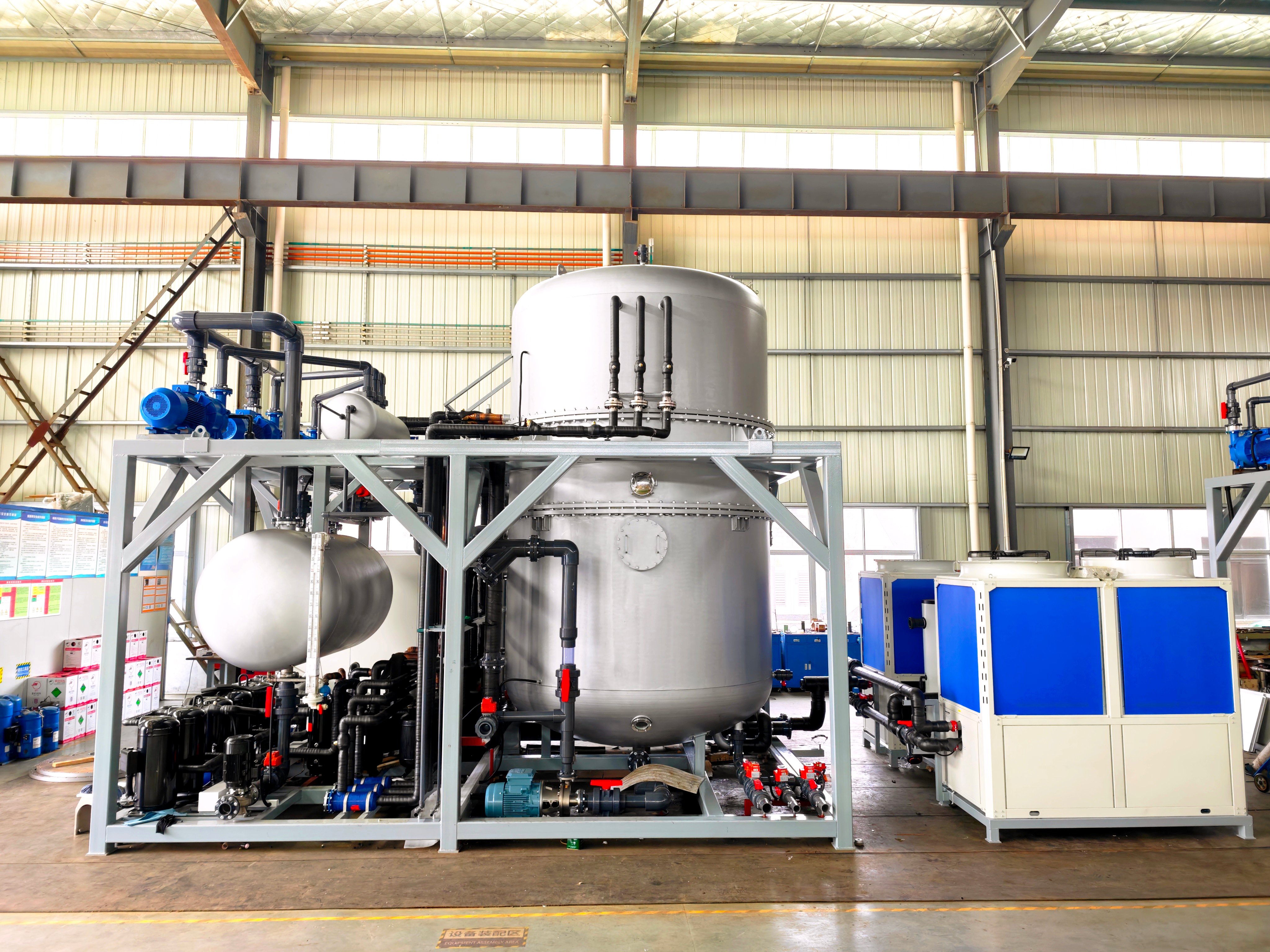
A vacuum evaporator concentrator represents a critical technology in industrial liquid processing, particularly in chemical manufacturing, food production, and wastewater treatment applications. These systems operate by reducing pressure within the evaporation chamber, which lowers the boiling point of liquids and enables efficient separation of solids from liquids at lower temperatures. This approach fundamentally transforms how industries handle thermal separation, offering significant advantages over conventional atmospheric evaporation methods in both energy consumption and product quality preservation.
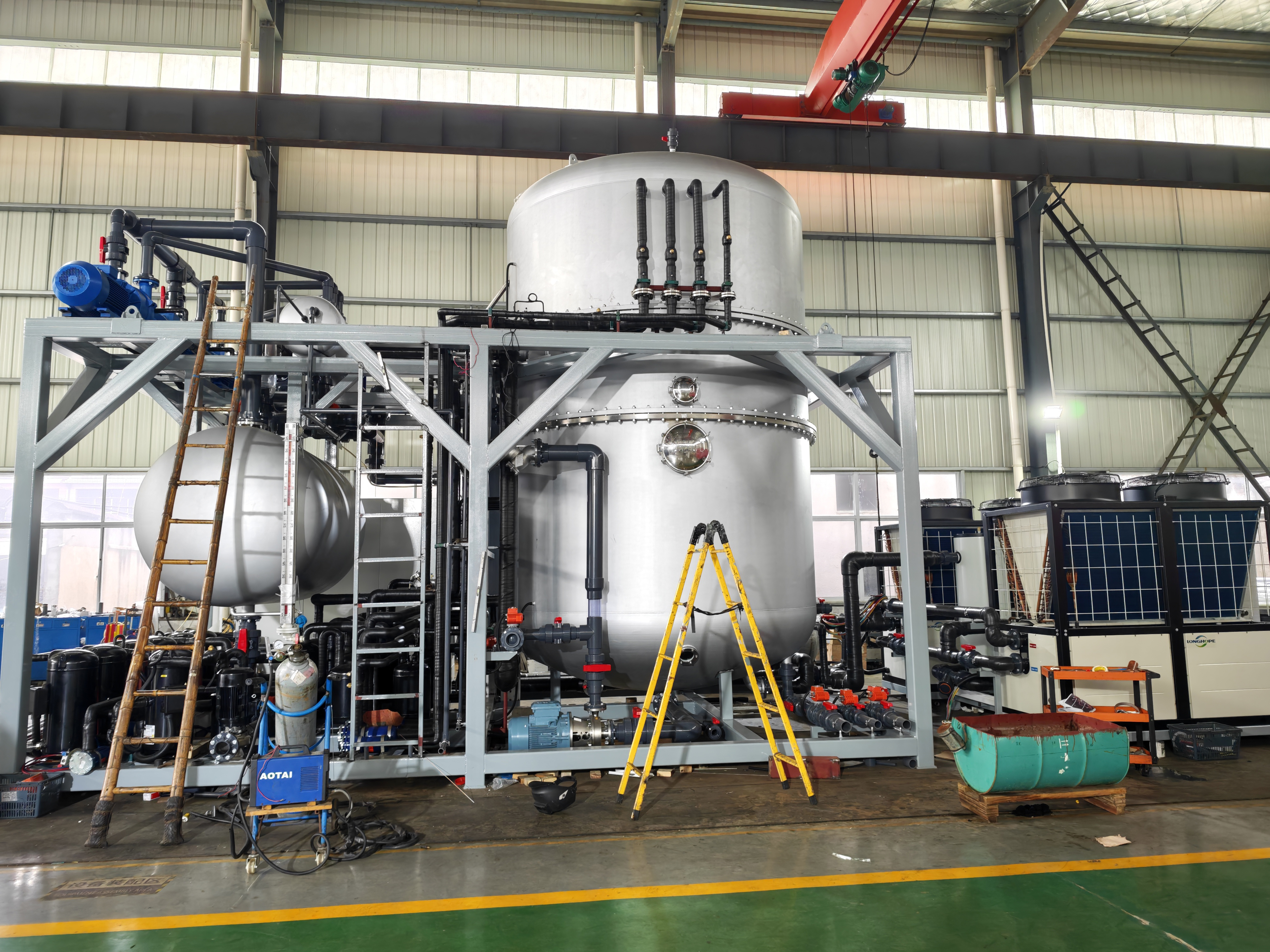
Performance optimization of your evaporator concentrator directly impacts operational costs, throughput capacity, and final product specifications. Industrial facilities increasingly demand higher concentration optimization standards while maintaining tight control over energy inputs and environmental compliance. Understanding how to maximize evaporation performance through strategic equipment configuration, process parameter tuning, and maintenance protocols enables organizations to achieve competitive advantages in their respective sectors while reducing waste and improving sustainability outcomes.
Understanding Vacuum Concentrator Operating Principles
Pressure Reduction and Boiling Point Dynamics
The fundamental mechanism of a vacuum concentrator involves creating a partial vacuum within the evaporation chamber, which substantially lowers the boiling point of the liquid being processed. When atmospheric pressure drops, water molecules require less thermal energy to transition from liquid to vapor phase. This principle allows industries to concentrate solutions at temperatures 20 to 40 degrees Celsius below standard atmospheric boiling points, preserving heat-sensitive components like vitamins, proteins, and flavor compounds that would otherwise degrade during conventional atmospheric evaporation performance processes.
Heat Transfer Efficiency in Vacuum Systems
Effective heat transfer within a vacuum concentrator depends on multiple interdependent factors including heat exchanger surface area, temperature differential between heating medium and processing liquid, and vapor removal efficiency. When designing or optimizing an evaporator concentrator for your facility, engineers must balance steam consumption against throughput targets while accounting for energy losses through system walls and vapor exhaust streams. Modern vacuum systems incorporate advanced condensing technologies and vapor recompression capabilities to recover latent heat, directly enhancing concentration optimization and reducing overall energy costs by 30 to 50 percent compared to traditional single-effect systems.
Concentration Optimization Strategies and Best Practices
Process Parameter Fine-Tuning
Achieving optimal concentration optimization requires systematic adjustment of key operational parameters including inlet feed temperature, vacuum level, circulation flow rate, and residence time distribution. Industrial operators must conduct detailed trials to establish the precise parameter window where product quality, energy efficiency, and throughput converge at their optimal point. An evaporation performance monitoring system that tracks real-time metrics such as steam economy, evaporation rate, and concentrate density enables continuous process adjustment, preventing equipment drift that accumulates operational inefficiencies over weeks and months of operation.
Feed Preheating and Recovery Systems
Strategic integration of feed preheating stages significantly enhances vacuum concentrator efficiency by reducing the thermal load required from primary heat sources. When incoming feed material is preheated using waste heat recovered from condenser exhaust or vapor streams, the evaporator concentrator requires substantially less fresh steam to reach target concentrate specifications. Multi-effect vacuum systems, where vapor from one concentrator stage provides heating energy to a downstream stage, represent advanced concentration optimization approaches that industrial facilities employ to achieve 60 to 70 percent steam economy improvements compared to single-stage installations.
Performance Enhancement Through Equipment Maintenance and Upgrades
Scale Management and Heat Exchanger Maintenance
Mineral scale accumulation on internal heat exchanger surfaces represents a primary cause of declining evaporation performance in vacuum systems processing solutions containing dissolved minerals, salts, or hardness compounds. Regular preventive maintenance schedules that include chemical descaling, mechanical cleaning, or combined approaches maintain heat transfer coefficients within design parameters. Implementation of predictive maintenance protocols using temperature monitoring, pressure trend analysis, and thermal efficiency calculations enables facilities to identify emerging fouling conditions before significant performance degradation occurs, extending vacuum concentrator service life while maintaining consistent evaporation performance standards.
Vapor Handling System Optimization
The efficiency of vapor removal directly influences the driving force for evaporation and therefore the overall evaporation performance of the system. Advanced condensing systems equipped with multi-stage jet condensers, surface condensers with optimized cooling circuits, or hybrid designs significantly reduce the vacuum exhaust load compared to traditional single-stage approaches. When facilities upgrade vapor handling capabilities on existing vacuum concentrator equipment, evaporation rate improvements of 15 to 25 percent often result from enhanced pressure differential stability and improved non-condensable gas removal. Proper vapor handling also addresses corrosion concerns in downstream processing stages while improving concentration optimization through superior liquid-vapor separation efficiency.
Industrial Applications and Performance Benchmarking
Sector-Specific Performance Requirements
Different industrial sectors demand distinct evaporation performance profiles from their vacuum concentrator installations. Chemical manufacturers prioritize consistent product concentration levels and minimal thermal degradation, requiring precise vacuum control and distributed heat input strategies. Food and beverage processors emphasize sensory property retention alongside concentration optimization, necessitating gentle evaporation performance through lower temperature operation enabled by vacuum technologies. Wastewater treatment facilities focus on maximum volume reduction and resource recovery, implementing advanced evaporator concentrator configurations with sequential stages and solids handling capabilities designed for extreme concentration optimization requirements.
Performance Measurement and Continuous Improvement
Establishing robust performance measurement frameworks enables quantification of vacuum concentrator efficiency and identification of specific optimization opportunities. Key performance indicators include steam consumption per unit of water evaporated, overall heat transfer coefficient trends, concentration rate consistency, and energy cost per kilogram of concentrate produced. Industries implementing comprehensive vacuum concentrator performance dashboards, monthly benchmarking reviews, and operator training programs consistently achieve 10 to 20 percent operational cost reductions within 18 months compared to facilities using reactive maintenance and minimal process monitoring approaches.
FAQ
How does vacuum technology improve energy efficiency in evaporator concentrator systems?
Vacuum technology reduces the boiling point of liquids, enabling evaporation at substantially lower temperatures, which minimizes energy requirements compared to atmospheric evaporation. This lower operating temperature reduces steam consumption significantly, and when combined with vapor recompression or multi-effect configurations, steam economy improvements reach 50 to 70 percent. The reduced thermal load translates directly to lower operational costs while improving product quality preservation in heat-sensitive applications where conventional atmospheric evaporation would cause unacceptable degradation.
What maintenance practices most critically impact vacuum concentrator performance longevity?
Preventive maintenance focused on heat exchanger surface protection, vacuum system sealing integrity, and vapor line corrosion prevention represents the most cost-effective approach to maintaining consistent evaporation performance. Regular monitoring of fouling indicators, systematic descaling protocols, and replacement of gaskets and seals before failure prevents the cascade of operational inefficiencies that develop when equipment components begin degrading. Facilities that implement predictive maintenance using thermal efficiency monitoring and pressure trend analysis extend equipment service life by 30 to 40 percent while maintaining peak concentration optimization throughout operational lifecycles.
Can vacuum concentrator systems achieve higher concentration levels than atmospheric evaporators?
Yes, vacuum concentrator technology enables superior concentration optimization compared to atmospheric systems, particularly for applications requiring extreme concentration ratios or gentle thermal handling. Lower operating temperatures in vacuum systems prevent thermal degradation of dissolved components, allowing for more aggressive concentration without product quality compromise. Advanced vapor removal and controlled crystallization features in modern vacuum concentrators enable concentration levels reaching 70 to 80 percent by weight in certain applications, which would be impossible using conventional atmospheric evaporation methods due to thermal damage and corrosion constraints.