
 EN
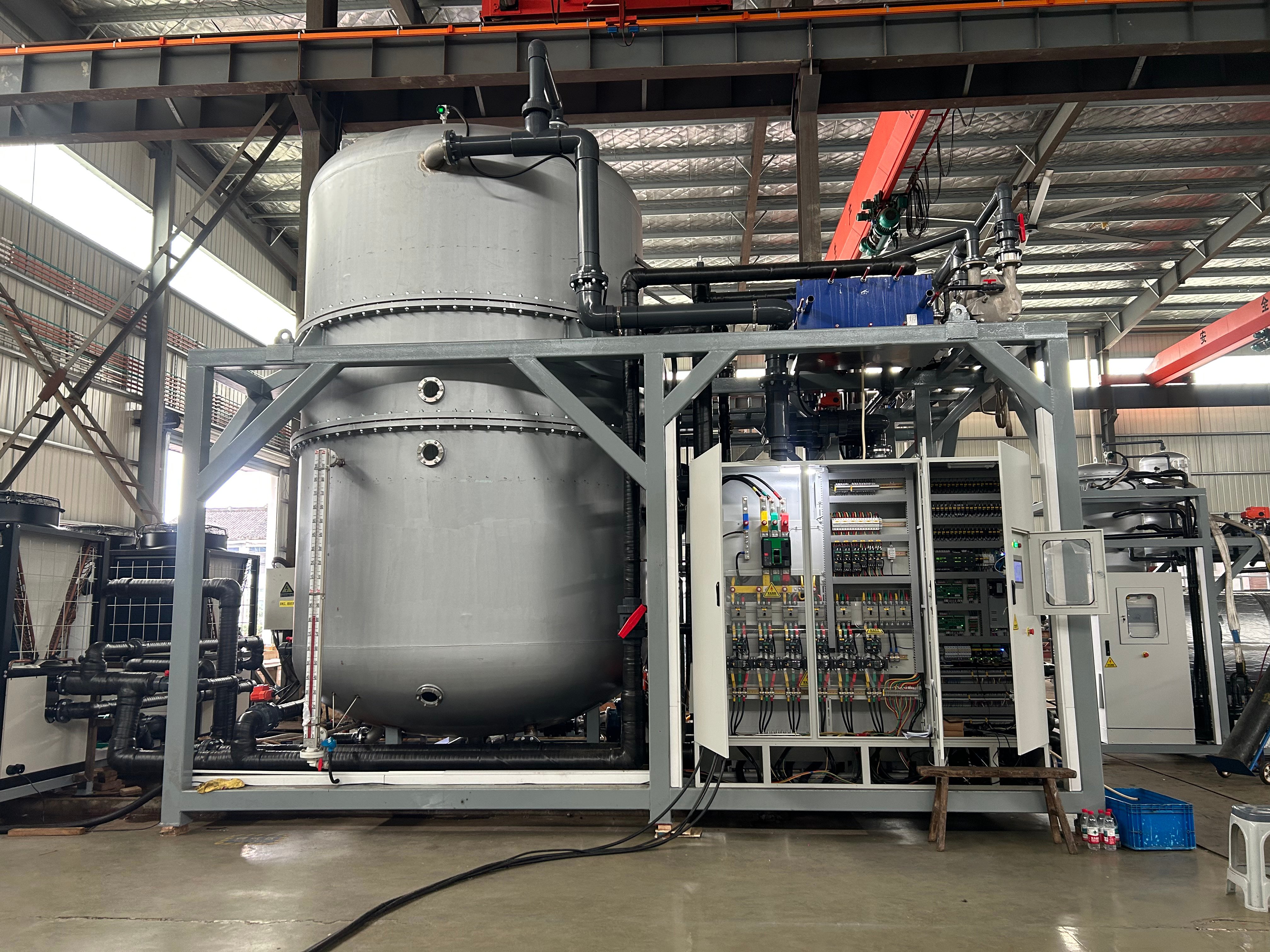
The industrial vacuum evaporator has emerged as a cornerstone technology for modern manufacturing and environmental management. As we move into 2026, evaporator technology continues to advance at an accelerating pace, driven by stricter environmental regulations and the need for sustainable industrial processes. This technology represents a critical shift in how industries manage liquid waste, recover valuable materials, and reduce their operational footprint.
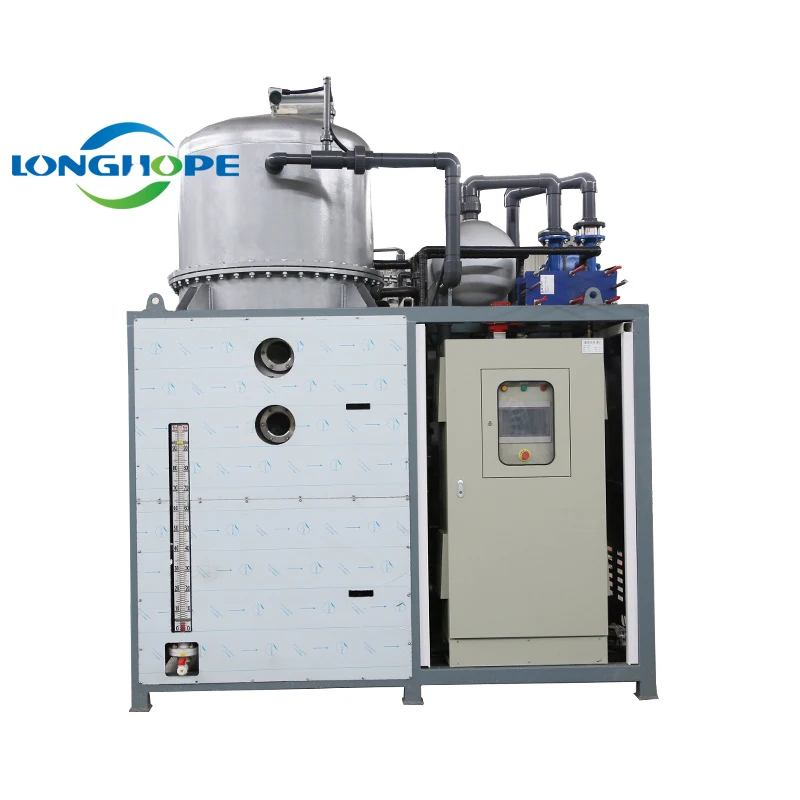
Vacuum technology has fundamentally transformed industrial processes by enabling lower-temperature evaporation, reducing energy consumption, and preserving product quality. The 2026 generation of these systems demonstrates improved efficiency metrics, enhanced automation capabilities, and better integration with Industry 4.0 standards. Understanding how these systems work and what innovations define the current landscape is essential for decision-makers evaluating evaporator solutions for their operations.
Core Principles of Industrial Vacuum Evaporator Systems
How Vacuum Technology Enhances Evaporation Efficiency
Vacuum technology reduces the atmospheric pressure above a liquid, thereby lowering its boiling point dramatically. This principle enables efficient evaporation at much lower temperatures than conventional atmospheric processes. Industrial vacuum evaporator units leverage this mechanism to process temperature-sensitive materials without degradation, which is particularly valuable in pharmaceutical, food processing, and chemical manufacturing sectors.
The operational advantage of this approach extends beyond temperature control. By operating under vacuum, these systems minimize heat input requirements, translating directly into lower energy consumption and reduced operational costs. The evaporator technology employed in 2026 models has achieved even greater thermal efficiency through advanced heat recovery systems and optimized vapor pathways that capture and reuse residual heat.
Key Components and Their Functional Role
A modern industrial vacuum evaporator comprises several interconnected components: the evaporation chamber, condenser unit, vacuum pump assembly, heat exchanger, and control systems. Each element works in concert to maintain precise operational parameters. The evaporation chamber is where the actual liquid-to-vapor phase transition occurs under controlled vacuum conditions. The condenser then transforms the vapor back into liquid form, allowing for either product recovery or waste stream treatment.
The vacuum pump maintains the reduced pressure environment essential for low-temperature operation. Advanced evaporator technology in 2026 incorporates variable-speed vacuum pumps that adjust to real-time process demands, optimizing energy efficiency. Control systems now feature predictive algorithms that anticipate process variations, enabling proactive adjustments before deviations impact product quality or system stability.
Industrial Innovation Driving Evaporator Performance Advances
Automation and Smart Monitoring Integration
Industrial innovation has fundamentally reshaped how evaporator systems operate and report performance data. Modern units integrate real-time monitoring sensors that track temperature gradients, pressure fluctuations, product concentration levels, and energy consumption metrics. This data feeds into centralized control dashboards accessible remotely, enabling operators to optimize processes without constant physical presence at the equipment.
The 2026 generation incorporates machine learning algorithms that learn facility-specific operational patterns and automatically adjust process parameters to maximize throughput while minimizing waste. Predictive maintenance features anticipate component wear before failures occur, reducing unplanned downtime. These advancements represent significant industrial innovation that directly impacts bottom-line profitability and production continuity.
Energy Efficiency and Sustainability Improvements
Evaporator 2026 designs emphasize energy efficiency as a primary engineering objective. Multi-effect evaporator configurations allow vapor from one stage to heat the next stage, dramatically reducing fresh energy input per unit of product evaporated. Hybrid systems combining vacuum technology with heat pump assistance have become increasingly common, further reducing electrical consumption by up to forty percent compared to earlier models.
Sustainability considerations now drive material selection and component design. Corrosion-resistant alloys reduce maintenance cycles and component replacement frequency. Closed-loop water systems minimize environmental impact while recovering condensate for reuse. These improvements align with global industrial innovation trends toward circular economy principles and measurable environmental stewardship.
Application Scenarios and Industry Suitability Assessment
Wastewater Treatment and Hazardous Waste Management
Industrial facilities generating hazardous or problematic liquid waste streams benefit significantly from vacuum technology applications. Treatment plants use industrial vacuum evaporator systems to concentrate heavy metals, salts, and chemical contaminants into manageable volumes, reducing disposal costs and environmental liability. The low-temperature operation preserves the integrity of sensitive compound structures, ensuring regulatory compliance and enabling potential material recovery.
Pharmaceutical companies employ this technology to reclaim solvents and concentrate valuable product residues. Food processing operations use evaporator technology to concentrate juices, whey, and other nutritious liquids while preserving nutritional profiles. Manufacturing facilities generating aqueous industrial waste find that vacuum-based evaporation offers the most economical path to regulatory compliance and environmental responsibility.
Chemical Recovery and Product Concentration Operations
Distilleries, refineries, and chemical plants leverage vacuum technology for both waste reduction and product recovery. The gentle evaporation process enabled by reduced-pressure environments allows recovery of volatile compounds that would be lost in conventional atmospheric evaporation. Industrial innovation in condenser design has improved recovery rates, making product reclamation economically viable even for lower-value streams.
Evaporator 2026 systems demonstrate superior control over concentration profiles, enabling operators to achieve exact product specifications consistently. This precision reduces batch rejections, improves yield metrics, and strengthens supply chain reliability. Industries processing specialty chemicals, cosmetics, or pharmaceutical intermediates find that advanced industrial vacuum evaporator technology justifies capital investment through improved output quality and reduced material losses.
FAQ
What makes vacuum technology superior to conventional evaporation methods?
Vacuum technology reduces boiling points through lower atmospheric pressure, enabling evaporation at temperatures fifty to eighty degrees Celsius lower than atmospheric methods. This preservation of temperature-sensitive compounds, combined with dramatically lower energy consumption, makes industrial vacuum evaporator systems more efficient and cost-effective for most industrial applications. The evaporator technology also enables better product recovery and waste concentration with minimal thermal degradation.
How does industrial innovation impact operating costs for 2026 evaporator systems?
Modern industrial innovation has reduced energy consumption by thirty to forty percent through improved heat recovery, variable-speed pumps, and multi-effect configurations. Automated monitoring and predictive maintenance capabilities minimize unplanned downtime and extend component life. Evaporator 2026 models achieve payback periods of eighteen to thirty-six months in most industrial applications through cumulative energy savings and reduced maintenance expenses.
Which industries benefit most from implementing industrial vacuum evaporator technology?
Pharmaceutical, food processing, chemical manufacturing, and waste treatment sectors derive the greatest benefits from vacuum technology implementation. Any industry generating problematic liquid waste or requiring product concentration at low temperatures finds economic justification for this evaporator technology. Environmental regulations increasingly favor vacuum-based evaporation over alternative methods, making industrial vacuum evaporator systems strategically important for long-term regulatory compliance.