
 EN
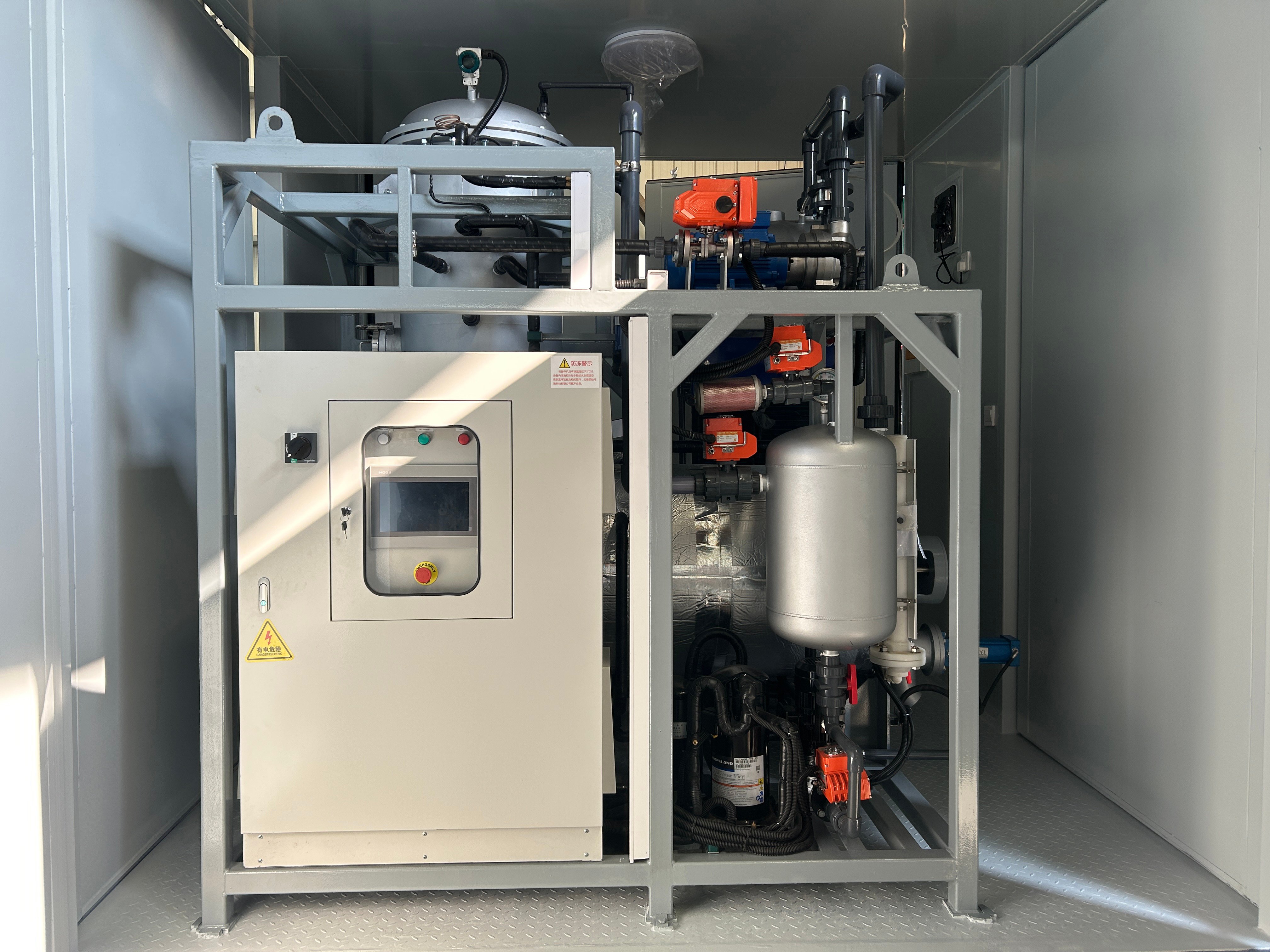
Selecting the right crystallization machine requires careful evaluation of your feed material characteristics and process requirements. The performance, efficiency, and final product quality of any industrial crystallization process depend heavily on understanding what enters the equipment and how those feed conditions interact with the crystallizer's design and operational parameters. Many operations experience unexpected downtime, inconsistent crystal size distribution, or reduced throughput simply because feed conditions were not properly assessed during equipment selection.
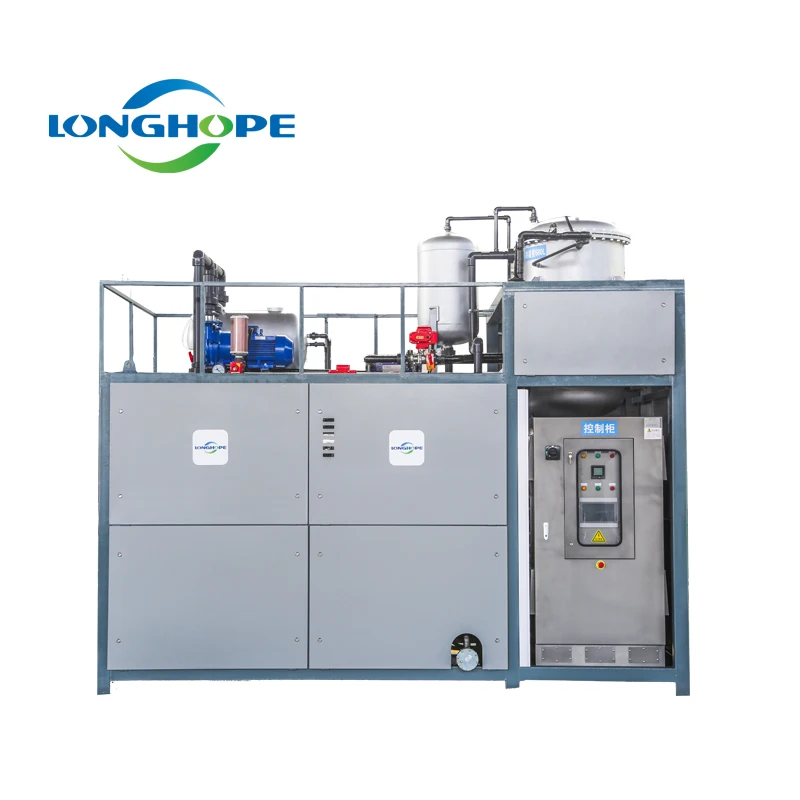
Feed condition assessment is not an afterthought or minor technical detail. It is the foundation upon which successful batch crystallization systems are built. The solute concentration, temperature profile, viscosity, thermal stability, and presence of impurities all influence which evaporative crystallizer equipment will deliver reliable operation and meet your production targets. This article explores the critical feed parameters that should guide your crystallization machine selection process and how each one shapes your equipment investment decision.
Understanding Feed Composition and Solute Properties
Dissolved Solids Concentration and Saturation State
The concentration of dissolved solids in your feed stream directly impacts how an industrial crystallization process will perform. Feed material arriving at near-saturation requires gentler handling than undersaturated material, as premature crystal formation in piping or feed tanks can cause blockages and equipment damage. Evaporative crystallizer equipment must be sized and configured to handle the specific saturation state of your incoming feed without triggering uncontrolled precipitation. Operating feed with a concentration significantly below saturation may require more evaporative capacity, while feed already close to saturation demands precise temperature and pressure control to prevent fouling and scale accumulation inside the crystallizer.
Impurity Content and Purity Requirements
Impurities within the feed stream influence both the performance of batch crystallization systems and the final crystal purity. Some impurities remain dissolved and pass through the system; others co-crystallize or deposit on crystal surfaces, degrading product quality. Understanding your feed purity level helps determine whether additional pre-treatment is needed before the material enters the equipment, or whether the crystallization machine itself must incorporate filtration or mother liquor recycling capabilities. High-impurity feeds may require equipment with enhanced separation stages, pushing the total capital and operational investment higher than initially anticipated.
Feed Temperature and Thermal Dynamics
Inlet Temperature Range and Process Heating Load
Feed temperature arriving at your evaporative crystallizer equipment directly affects the energy consumption and heating surface requirements of the industrial crystallization process. Cold feed entering a hot crystallizer creates steep temperature gradients, which can drive rapid, uncontrolled nucleation and result in small, irregular crystals rather than the large, uniform crystals preferred in most applications. Conversely, feed that is already warm reduces the heating load but may complicate temperature control if the feed temperature fluctuates. Batch crystallization systems must be selected with the realistic inlet temperature range in mind, as undersized or oversized heating capacity will either fail to achieve target cooling or create unnecessary energy waste and operational complexity.
Thermal Stability of Dissolved Material
Some dissolved materials degrade or lose solubility rapidly when exposed to elevated temperatures. Feed containing thermally sensitive compounds requires gentle, controlled heating within the crystallization machine to prevent decomposition or undesired side reactions. If your material begins to degrade above a certain temperature threshold, the evaporative crystallizer equipment must be designed to maintain temperatures below that limit, which may restrict the evaporative cooling rate and require more sophisticated heat management. This thermal sensitivity constraint often becomes a critical decision factor when comparing different batch crystallization systems, as it directly limits processing flexibility and production speed.
Viscosity, Flow Properties, and Concentration Build-up
Feed Viscosity and Pumping Requirements
High-viscosity feed presents substantial challenges for any industrial crystallization process. Thick, syrupy feed material resists circulation within the evaporative crystallizer equipment, reducing heat transfer efficiency and increasing the risk of stagnant zones where unwanted crystal growth or precipitation occurs. Feed viscosity also demands more robust pumping systems and may require heat tracing to maintain flowability during storage and transfer. When selecting a crystallization machine, confirming that the design anticipates your feed viscosity range ensures adequate mixing, reasonable residence time, and reliable mother liquor recirculation without equipment stress or performance degradation.
Viscosity Changes During Evaporation and Concentration
As water evaporates during the industrial crystallization process, the remaining solution becomes progressively more concentrated and often significantly more viscous. Batch crystallization systems must be selected with this dynamic viscosity profile in mind, as the equipment must handle not only the initial feed but also the increasingly thick slurry as crystallization proceeds. Evaporative crystallizer equipment lacking adequate circulation capacity or cooling surface area for high-viscosity slurry may experience poor heat transfer, reduced throughput, or crystal settling that blocks discharge ports. Understanding this concentration-viscosity relationship prevents selecting undersized equipment that performs adequately at the start but becomes bottlenecked as the batch progresses toward completion.
Feed Rate Consistency and Batch Timing
Feed Volume and Batch Load Definition
The total volume of feed material and the desired batch size directly determine the active processing volume required within your crystallization machine. Undersized equipment attempting to process large batches risks overflow, incomplete separation, or excessive residence time that permits undesired secondary nucleation and crystal growth irregularities. Oversized equipment processing small batches wastes capital investment and operational efficiency. Industrial crystallization process designers must align batch load with equipment capacity to achieve the residence time, evaporation rate, and cooling dynamics needed for optimal crystal formation within batch crystallization systems. Realistic feed volume estimates prevent either purchasing inadequate evaporative crystallizer equipment or paying for excess capacity that will rarely be fully utilized.
Feed Introduction Rate and Operational Stability
The rate at which feed is introduced into the crystallization machine influences nucleation intensity and crystal growth kinetics throughout the industrial crystallization process. Rapid feed introduction can overwhelm nucleation capacity and create a population of very fine crystals or even uncontrolled precipitation. Slow feed introduction extends the processing time but may improve crystal size uniformity and product purity. Batch crystallization systems must be configured with adequate control flexibility—such as adjustable inlet valves, level sensors, or flow restrictors—to maintain feed introduction at rates compatible with the desired crystal quality. When selecting evaporative crystallizer equipment, confirm that the design accommodates the specific feed rate range your process requires and includes instrumentation to monitor and control feed flow throughout the batch cycle.
FAQ
How does feed temperature affect crystallization machine performance?
Feed temperature directly influences the heating or cooling load within the crystallization machine and the rate of nucleation during the industrial crystallization process. Cold feed entering a hot crystallizer creates steep temperature gradients that can trigger rapid, uncontrolled crystal formation, resulting in fine, irregular crystals. Warm feed reduces heating requirements but may complicate temperature control if fluctuations occur. When selecting batch crystallization systems, the inlet temperature range must be realistic and compatible with the evaporative crystallizer equipment's thermal capacity and control capabilities.
What role does feed viscosity play in crystallization machine selection?
High-viscosity feed reduces heat transfer efficiency within the industrial crystallization process and increases pumping demands on batch crystallization systems. As the feed becomes more concentrated during evaporation, viscosity typically increases significantly, requiring robust circulation capacity within the crystallization machine. Evaporative crystallizer equipment must be sized to handle both the initial feed viscosity and the much thicker slurry that develops as water evaporates, preventing flow blockages and ensuring adequate mixing and heat exchange throughout the batch cycle.
Why is understanding feed composition important before purchasing a crystallization machine?
Feed composition, including dissolved solids concentration, impurity content, and thermal stability, determines how the industrial crystallization process will perform and what capabilities the crystallization machine must provide. Different feed conditions require different batch crystallization systems and evaporative crystallizer equipment configurations. Assessing feed properties upfront ensures the selected equipment has adequate heating or cooling capacity, separation efficiency, and control flexibility to deliver consistent product quality and meet production targets without unexpected operational problems or additional modifications.