 EN
EN
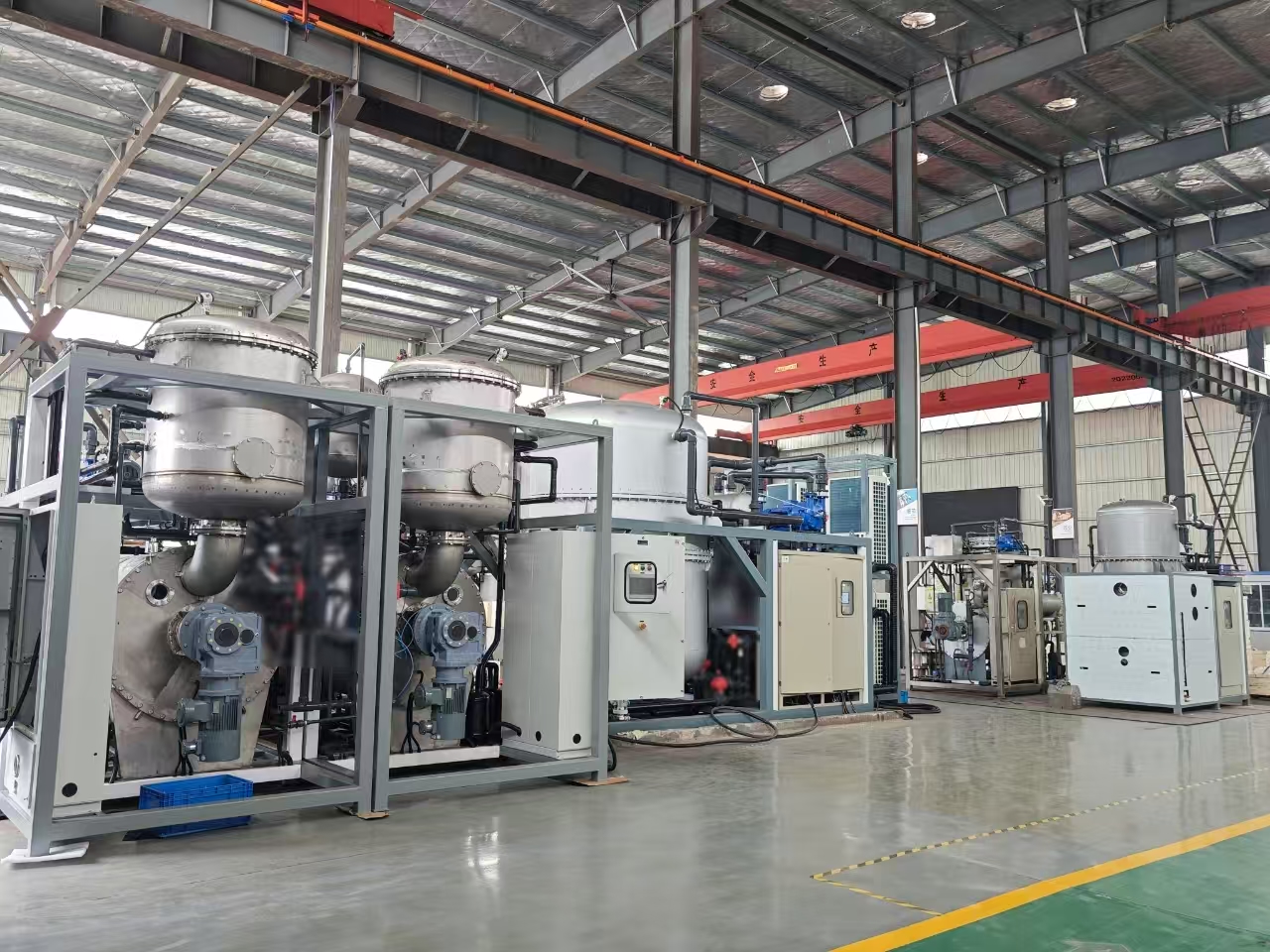
Modern industrial facilities face mounting pressure to reduce wastewater disposal costs while meeting strict environmental regulations. An evaporator systems for wastewater represents a transformative solution that addresses both operational expenses and sustainability mandates. By converting liquid waste into recoverable solids and clean distillate, modern evaporator systems for wastewater fundamentally reshape how industries manage their discharge obligations and environmental footprint.
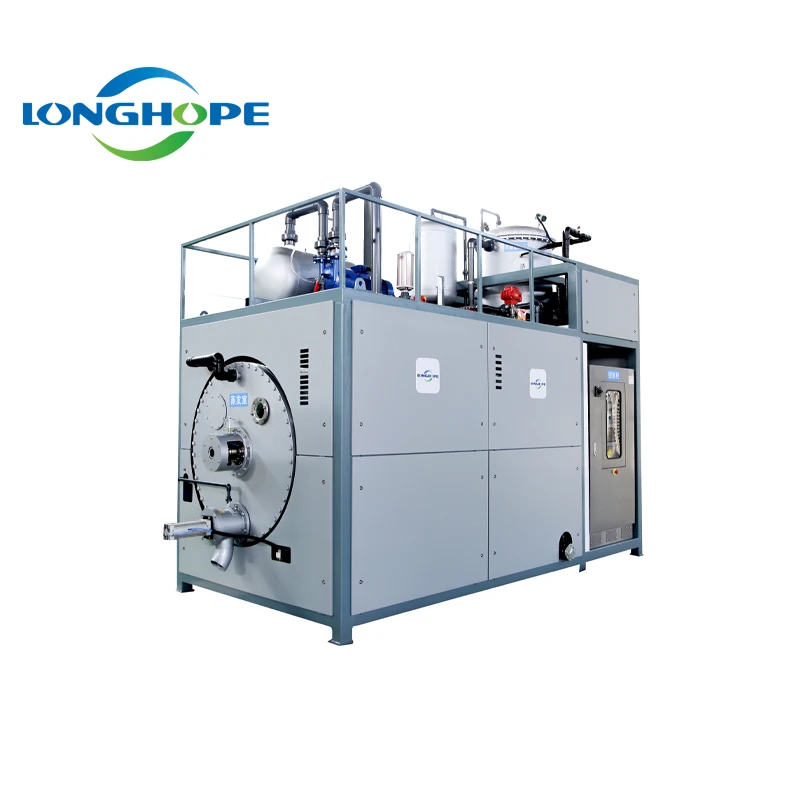
The evolution of evaporator systems for wastewater technology has accelerated dramatically over the past decade, driven by tighter discharge standards and rising landfill costs. Modern evaporator systems for wastewater incorporate advanced vacuum and heating mechanisms that dramatically improve efficiency compared to older generation equipment. For industrial operators, this technological leap translates into measurable reductions in both operating expenses and environmental liability, making modern evaporator systems for wastewater a critical strategic investment.
Core Operating Advantages of Modern Evaporator Systems for Wastewater
Energy Efficiency and Cost Reduction
Contemporary evaporator systems for wastewater employ vacuum evaporation technology that operates at substantially lower temperatures than traditional atmospheric systems. This fundamental design difference means evaporator systems for wastewater consume far less energy per unit of liquid processed, directly lowering utility bills and carbon intensity. Facilities implementing modern evaporator systems for wastewater typically report energy consumption reductions of 40 to 50 percent compared to legacy equipment, a savings that compounds across months and years of continuous operation.
Beyond direct energy savings, modern evaporator systems for wastewater reduce operating labor requirements through automated monitoring and control systems. Operators can oversee evaporator systems for wastewater performance from remote dashboards, minimizing manual intervention and allowing staff to focus on higher-value tasks. This automation capability makes modern evaporator systems for wastewater particularly attractive for facilities operating extended production schedules or rotating shifts.
Waste Volume Reduction and Disposal Economics
Industrial wastewater often contains 95 to 99 percent water by volume, yet disposal costs are typically assessed by total liquid volume. Modern evaporator systems for wastewater separate these streams by concentrating dissolved solids while producing distillate that may be recycled or safely discharged. By reducing disposal volume by 70 to 95 percent, evaporator systems for wastewater can achieve payback periods of 18 to 36 months in high-volume operations, transforming a cost center into a financial benefit.
The concentrated residue from modern evaporator systems for wastewater also becomes easier and less expensive to handle. Rather than managing thousands of gallons of dilute waste, facilities work with compact solids that occupy minimal space and command lower transportation and landfill fees. Many industrial operators have discovered that recovered materials from modern evaporator systems for wastewater possess secondary value in recycling or remanufacturing streams, further improving the return on investment.
Environmental and Regulatory Compliance Benefits
Meeting Stringent Discharge Standards
Regulatory bodies worldwide continue tightening permitted discharge limits for industrial wastewater, particularly in regions with water scarcity or sensitive ecosystems. Modern evaporator systems for wastewater enable facilities to achieve compliance by removing dissolved contaminants and producing distillate that meets or exceeds local water quality standards. This capability transforms regulatory risk into managed compliance, eliminating the uncertainty and penalties associated with exceedances or violations.
Distillate produced by modern evaporator systems for wastewater is often clean enough for reuse within manufacturing processes, closed-loop cooling systems, or landscape irrigation. By capturing this reusable resource, facilities using modern evaporator systems for wastewater reduce both their freshwater consumption and their wastewater discharge volume. This dual benefit strengthens sustainability credentials while cutting municipal water charges, creating multiple layers of operational advantage.
Supporting Circular Economy and ESG Goals
Corporate environmental, social, and governance (ESG) commitments increasingly depend on demonstrating measurable reductions in waste generation and resource consumption. Modern evaporator systems for wastewater directly advance these objectives by minimizing landfill dependency and recovering valuable materials from waste streams. Investors, customers, and regulatory agencies now view facilities with modern evaporator systems for wastewater as leaders in environmental stewardship and operational responsibility.
The installation of modern evaporator systems for wastewater signals genuine commitment to sustainability beyond rhetorical positioning. Because modern evaporator systems for wastewater deliver quantifiable environmental improvements alongside financial benefits, they represent authentic progress on ESG metrics rather than greenwashing. Facilities can document waste diversion rates, water savings, and emissions reductions tied directly to modern evaporator systems for wastewater deployment, strengthening stakeholder confidence and brand reputation.
Integration and Operational Flexibility
Scalability Across Industrial Applications
Modern evaporator systems for wastewater are available in configurations ranging from small batch units serving specialized departments to large continuous systems handling entire facility discharge. This scalability means evaporator systems for wastewater solutions can be sized precisely to match current needs with room for growth, avoiding both underutilized capacity and overwhelming overdesign. Manufacturers of modern evaporator systems for wastewater offer modular architectures that allow phased implementation, enabling facilities to start with pilot operations and expand as operational confidence grows.
Different industrial sectors generate wastewater with distinct chemical compositions and treatment requirements. Modern evaporator systems for wastewater incorporate material selection, temperature control, and crystallization optimization tailored to specific waste streams. Whether handling pharmaceutical manufacturing discharge, food processing effluent, or metal finishing rinse water, modern evaporator systems for wastewater can be configured to maximize solids recovery and minimize equipment corrosion or fouling.
Maintenance and Equipment Longevity
Advanced materials and design innovations embedded in modern evaporator systems for wastewater extend operational life and reduce unplanned downtime. Stainless steel construction, self-cleaning mechanisms, and modular component design mean modern evaporator systems for wastewater require less frequent maintenance than previous generations. Scheduled maintenance intervals for modern evaporator systems for wastewater have expanded substantially, reducing labor costs and maximizing productive uptime.
Manufacturers of modern evaporator systems for wastewater increasingly provide remote monitoring capabilities that predict maintenance needs before failures occur. Sensor networks integrated into modern evaporator systems for wastewater track temperature, pressure, flow rates, and heat exchanger performance, alerting operators to degradation patterns. This predictive approach transforms maintenance from reactive crisis management into planned, cost-effective service, further reducing total cost of ownership for modern evaporator systems for wastewater.
FAQ
What contaminants can modern evaporator systems for wastewater remove?
Modern evaporator systems for wastewater effectively separate dissolved salts, heavy metals, organics, and suspended solids from wastewater streams. The evaporation and crystallization processes concentrate non-volatile contaminants while producing distillate containing only water and highly volatile compounds. Effectiveness depends on the specific waste composition, but modern evaporator systems for wastewater generally achieve removal efficiencies exceeding 95 percent for most industrial contaminants, producing distillate suitable for discharge or reuse.
How long does it take to achieve return on investment with modern evaporator systems for wastewater?
Return on investment timelines for modern evaporator systems for wastewater vary based on facility size, wastewater volume, disposal costs, and energy prices. High-volume industrial operations in regions with expensive wastewater disposal typically achieve payback within 18 to 30 months. Smaller facilities may require 3 to 5 years to recover capital investment, but modern evaporator systems for wastewater produce savings across decades of operation, ensuring substantial total life-cycle benefits regardless of initial payback timing.
Are modern evaporator systems for wastewater suitable for small or medium-sized facilities?
Yes, modern evaporator systems for wastewater manufacturers now offer compact and modular configurations designed specifically for smaller operations. Batch-type evaporator systems for wastewater allow facilities to process accumulated waste during off-peak hours, reducing capital costs and space requirements. Small and medium-sized facilities benefit from the same efficiency gains, regulatory compliance advantages, and waste reduction benefits as larger industrial operators, making modern evaporator systems for wastewater increasingly accessible across the facility size spectrum.