 EN
EN
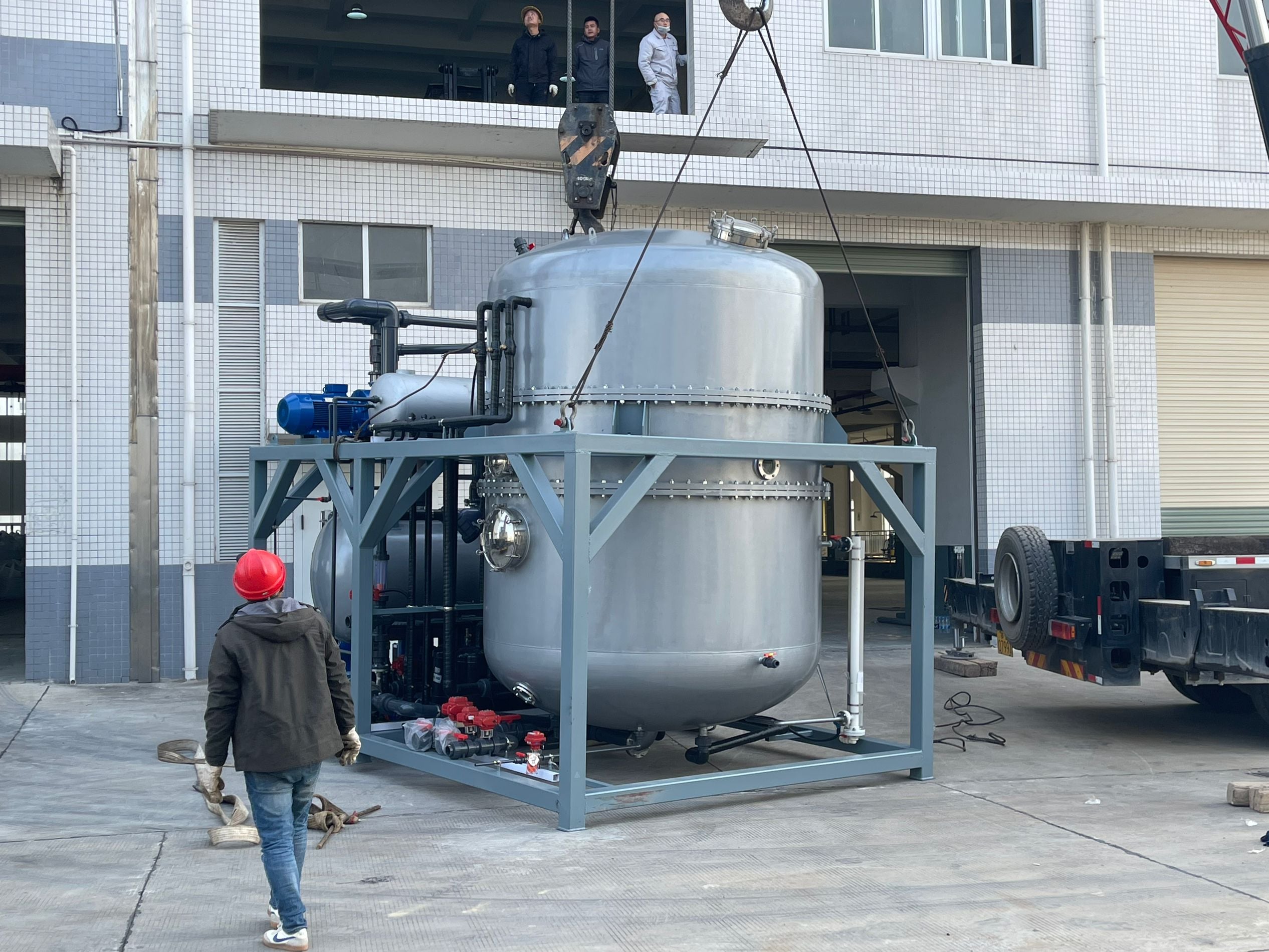
Industrial processing facilities across chemical, pharmaceutical, and food manufacturing sectors face increasing pressure to optimize their concentration and crystallization operations. Traditional evaporation methods often fall short of modern efficiency requirements, leading many companies to explore advanced solutions. A scraper evaporation system represents a sophisticated approach to thermal processing that addresses these challenges through enhanced heat transfer capabilities and reduced fouling tendencies. These systems have become indispensable for operations requiring precise control over viscous materials, heat-sensitive compounds, and applications where conventional evaporators struggle to maintain consistent performance.
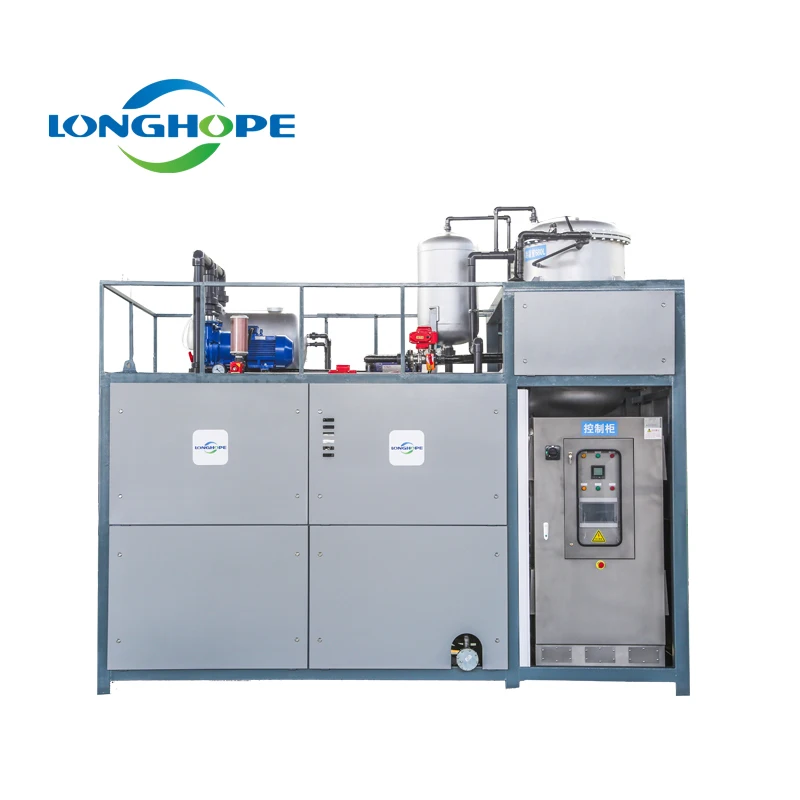
Understanding Scraper Evaporation Technology
Core Operating Principles
The fundamental design of a scraper evaporation system centers around a heated cylindrical vessel equipped with rotating scrapers that continuously remove material from the heat transfer surface. This mechanical action prevents the buildup of concentrated materials that typically cause fouling in conventional evaporators. The scrapers maintain intimate contact between the product and heating surface, ensuring maximum heat transfer efficiency while preventing thermal degradation of sensitive materials. This design principle makes the scraper evaporation system particularly effective for handling materials with high viscosity or those prone to crystallization during the concentration process.
The continuous scraping action creates a thin film of material on the heated surface, dramatically reducing residence time and minimizing the risk of product degradation. Heat transfer coefficients in these systems often exceed those of conventional evaporators by factors of three to five, resulting in significantly improved energy efficiency. The uniform heat distribution and controlled residence time make this technology ideal for processing pharmaceutical intermediates, food concentrates, and specialty chemicals where product quality cannot be compromised.
Advanced Heat Transfer Mechanisms
Modern scraper evaporation systems employ sophisticated heat transfer mechanisms that optimize thermal efficiency while protecting product integrity. The rotating scrapers create turbulent flow patterns that enhance mixing and heat transfer rates, while simultaneously preventing the formation of stagnant zones where thermal decomposition might occur. This mechanical agitation ensures that even highly viscous materials maintain consistent flow characteristics throughout the evaporation process.
The heat transfer surface design incorporates advanced materials and coatings that maximize thermal conductivity while providing excellent corrosion resistance. Steam or thermal fluid heating systems can be precisely controlled to maintain optimal temperature profiles across the entire heating surface. This level of control allows operators to fine-tune the evaporation process for specific materials, achieving target concentrations while preserving critical product characteristics such as color, flavor, or biological activity.
Operational Advantages and Performance Benefits
Enhanced Processing Efficiency
The operational efficiency of a scraper evaporation system significantly surpasses conventional evaporation technologies in numerous measurable parameters. Energy consumption typically decreases by twenty to thirty percent compared to traditional forced circulation evaporators, primarily due to improved heat transfer coefficients and reduced fouling tendencies. The continuous cleaning action of the scrapers eliminates the need for frequent shutdowns and cleaning cycles, maintaining consistent performance throughout extended production runs.
Processing capacity improvements are equally impressive, with many installations reporting throughput increases of forty to sixty percent when upgrading from conventional systems. The ability to handle high-viscosity materials that would overwhelm traditional evaporators opens new possibilities for product concentration levels and processing strategies. Operators can achieve higher final concentrations in a single pass, reducing the need for multiple evaporation stages and simplifying overall process design.
Product Quality Preservation
Maintaining product quality during thermal processing represents one of the most compelling advantages of implementing a scraper evaporation system in industrial applications. The controlled residence time and uniform heat distribution minimize thermal stress on sensitive compounds, preserving nutritional content in food applications and maintaining biological activity in pharmaceutical processes. The gentle handling characteristics of these systems make them particularly valuable for processing natural extracts, protein solutions, and other heat-sensitive materials.
Temperature control precision enables operators to process materials at optimal conditions for quality retention while achieving desired concentration levels. The absence of hot spots and the continuous surface renewal prevent localized overheating that can lead to product degradation or unwanted chemical reactions. This level of process control is essential for maintaining consistent product specifications and meeting stringent quality standards in regulated industries.
Economic and Environmental Considerations
Investment Return Analysis
The financial justification for investing in a scraper evaporation system becomes compelling when analyzing both direct cost savings and productivity improvements over the system lifecycle. Energy savings alone often justify the initial investment within two to three years, particularly in facilities with high thermal processing demands. The reduced maintenance requirements and extended operating periods between cleaning cycles contribute additional operational savings that enhance the overall return on investment.
Production capacity increases enabled by the improved processing efficiency translate directly into revenue enhancement opportunities. Facilities can process larger volumes of material in the same timeframe or achieve higher product concentrations that command premium pricing in the marketplace. The ability to handle previously problematic materials opens new market opportunities and product development possibilities that can significantly impact long-term profitability.
Environmental Impact Reduction
Modern environmental regulations and sustainability initiatives make the energy efficiency advantages of scraper evaporation system technology increasingly valuable for industrial facilities. Reduced energy consumption directly correlates with lower greenhouse gas emissions and decreased environmental footprint. The improved processing efficiency also minimizes waste generation and reduces the volume of materials requiring disposal or treatment.
Water conservation benefits arise from the enhanced evaporation efficiency and reduced cleaning requirements of these systems. Many facilities report significant reductions in process water consumption and wastewater generation when implementing scraper evaporation technology. These environmental benefits often qualify for regulatory incentives or carbon credit programs that provide additional economic advantages beyond the direct operational savings.
Implementation and Customization Strategies
System Design Considerations
Successful implementation of a scraper evaporation system requires careful consideration of specific process requirements and facility constraints. Material characteristics such as viscosity, thermal sensitivity, and fouling tendency must be thoroughly evaluated to determine optimal system configuration and operating parameters. The heating medium selection, vacuum capabilities, and control system sophistication should align with process requirements and operational preferences.
Capacity planning involves not only current processing needs but also anticipated future requirements and potential product diversification. Modular system designs allow for future expansion while maintaining operational flexibility. Integration with existing facility infrastructure requires careful planning to ensure optimal performance while minimizing installation complexity and associated downtime.
Optimization and Performance Monitoring
Advanced control systems and monitoring technologies enable continuous optimization of scraper evaporation system performance throughout the operational lifecycle. Real-time data collection on temperature profiles, heat transfer rates, and product quality parameters allows operators to fine-tune processing conditions for maximum efficiency. Predictive maintenance capabilities help identify potential issues before they impact production, maintaining consistent performance and minimizing unplanned downtime.
Performance benchmarking and continuous improvement programs ensure that the system continues to deliver expected benefits over time. Regular analysis of energy consumption, throughput, and product quality metrics helps identify optimization opportunities and validates the ongoing value of the investment. Training programs for operating personnel ensure that the system capabilities are fully utilized and maintained according to manufacturer specifications.
FAQ
What materials can be effectively processed using a scraper evaporation system?
Scraper evaporation systems excel at processing a wide range of materials including highly viscous liquids, heat-sensitive compounds, crystallizing solutions, and fouling-prone materials. Common applications include pharmaceutical intermediates, food concentrates, chemical solutions, natural extracts, and specialty polymers. The system's gentle handling characteristics make it particularly suitable for materials that would degrade or foul conventional evaporators.
How does the energy efficiency of scraper evaporation compare to conventional methods?
Energy efficiency improvements typically range from twenty to thirty percent compared to conventional evaporation technologies. This improvement results from enhanced heat transfer coefficients, reduced fouling, and the ability to operate at lower temperatures while maintaining processing rates. The continuous cleaning action eliminates energy losses associated with fouled heat transfer surfaces common in traditional systems.
What maintenance requirements are associated with scraper evaporation systems?
Maintenance requirements are generally lower than conventional evaporators due to reduced fouling and the self-cleaning action of the scrapers. Routine maintenance includes scraper blade inspection and replacement, bearing lubrication, and periodic cleaning of the heating surface. The frequency of major cleaning cycles is significantly reduced compared to traditional systems, often extending from weekly to monthly intervals depending on the application.
Can existing facilities be retrofitted with scraper evaporation technology?
Most existing facilities can accommodate scraper evaporation system retrofits with appropriate planning and engineering support. The compact design and flexible installation options of modern systems make integration feasible in most industrial settings. Retrofit projects typically require evaluation of utilities, structural support, and process integration requirements to ensure optimal performance and regulatory compliance.
Table of Contents
- Understanding Scraper Evaporation Technology
- Operational Advantages and Performance Benefits
- Economic and Environmental Considerations
- Implementation and Customization Strategies
-
FAQ
- What materials can be effectively processed using a scraper evaporation system?
- How does the energy efficiency of scraper evaporation compare to conventional methods?
- What maintenance requirements are associated with scraper evaporation systems?
- Can existing facilities be retrofitted with scraper evaporation technology?