 EN
EN
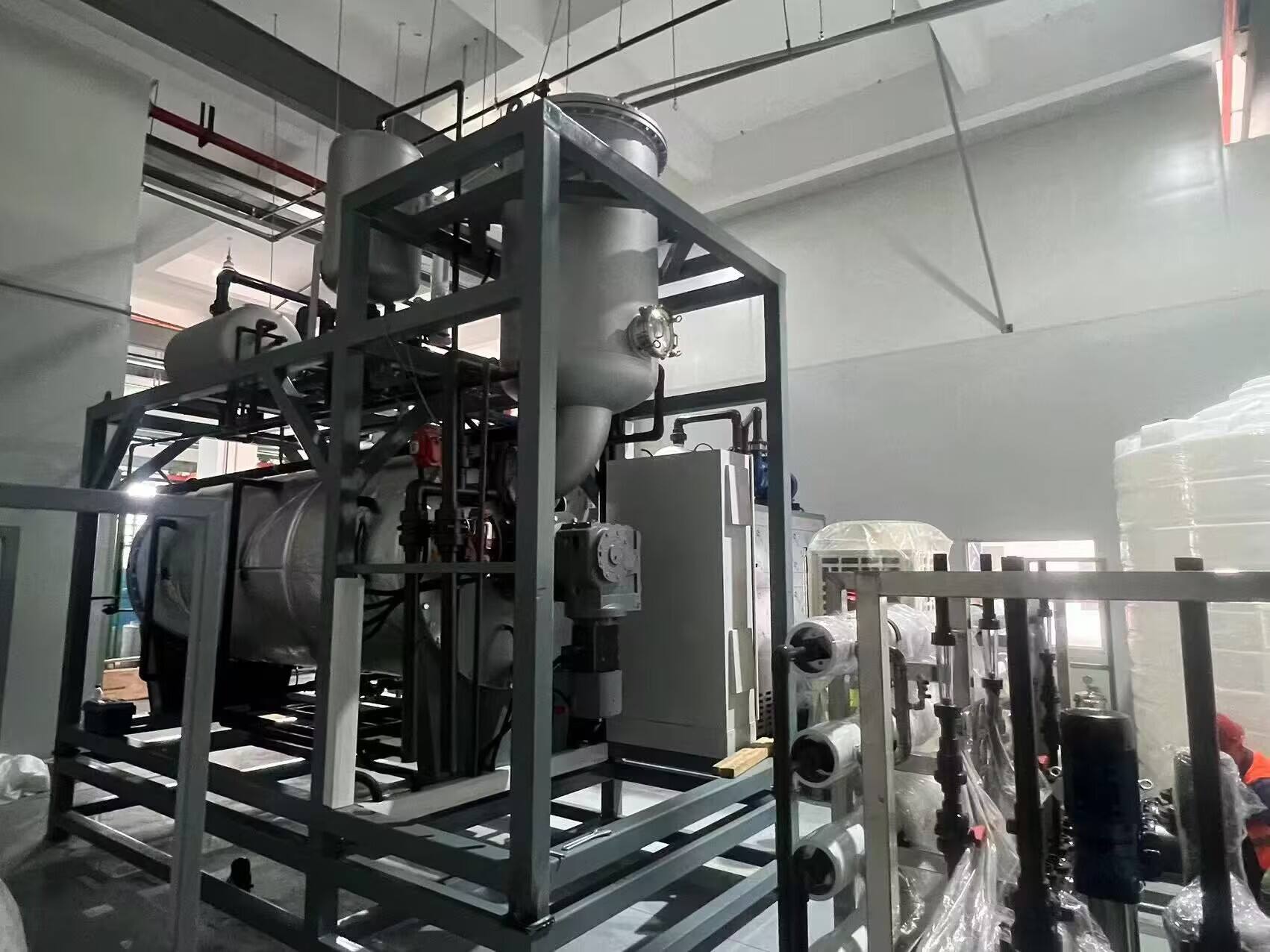
Industrial solvent recovery has become a critical concern for manufacturers seeking to reduce operational costs while meeting environmental compliance standards. Vacuum evaporation equipment represents one of the most effective technologies for recovering valuable solvents from industrial waste streams. This sophisticated process enables companies to reclaim expensive solvents that would otherwise be disposed of as hazardous waste, creating significant economic and environmental benefits across various manufacturing sectors.
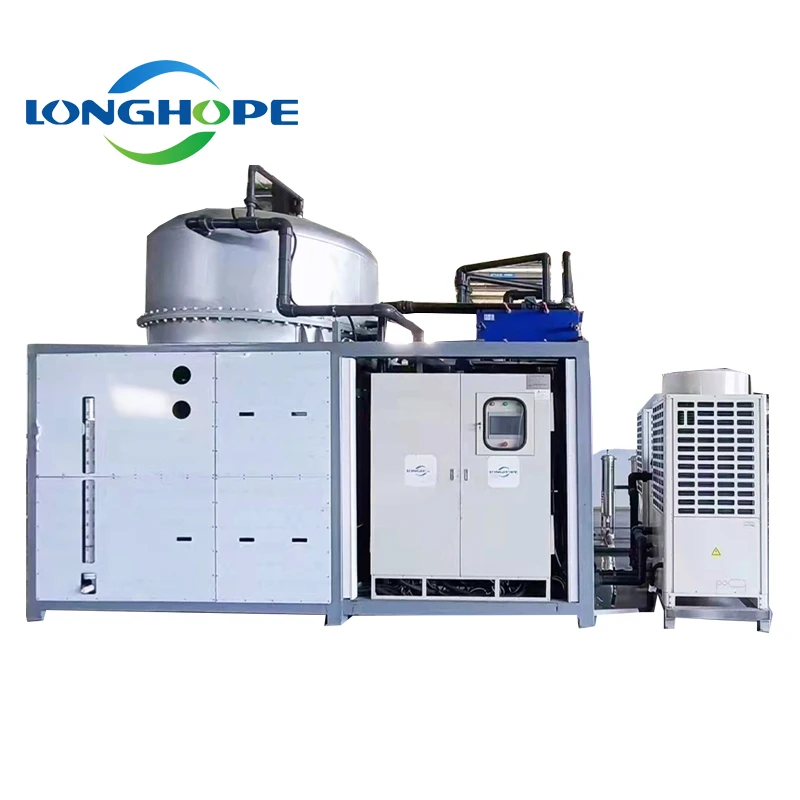
Understanding Vacuum Evaporation Technology for Solvent Recovery
Fundamental Principles of Vacuum Evaporation
Vacuum evaporation equipment operates on the principle that liquids boil at lower temperatures when subjected to reduced atmospheric pressure. This fundamental physics concept enables the separation of solvents from contaminated solutions without exposing them to excessive heat that could cause thermal degradation. The process creates a controlled environment where valuable solvents can be vaporized, condensed, and collected while leaving behind impurities and contaminants in the evaporator vessel.
The vacuum system maintains consistently low pressure levels throughout the evaporation chamber, typically ranging from 10 to 100 torr depending on the specific solvent being recovered. This reduced pressure environment allows volatile organic compounds to transition from liquid to vapor phase at temperatures significantly below their normal boiling points. The controlled evaporation process ensures maximum solvent recovery efficiency while preserving the chemical integrity of the reclaimed materials.
Heat Transfer Mechanisms in Vacuum Systems
Modern vacuum evaporation equipment incorporates advanced heat transfer systems designed to optimize energy efficiency while maintaining precise temperature control. These systems typically employ indirect heating methods such as steam jackets, thermal oil circulation, or electric heating elements that provide uniform heat distribution across the evaporator surface. The careful management of heat input prevents localized overheating that could compromise solvent quality or system performance.
The heat transfer coefficient in vacuum evaporation systems is significantly enhanced by the reduced pressure environment, which promotes rapid vapor formation and improved mass transfer rates. This enhanced heat transfer efficiency allows vacuum evaporation equipment to achieve higher processing rates while consuming less energy compared to atmospheric pressure distillation systems. The optimized heat distribution ensures consistent evaporation rates throughout the process cycle, maximizing solvent recovery yields.
Types of Solvents Recoverable Through Vacuum Evaporation
Organic Solvent Recovery Applications
Vacuum evaporation equipment excels in recovering a wide range of organic solvents commonly used in industrial manufacturing processes. Alcohols such as methanol, ethanol, and isopropanol can be efficiently recovered from contaminated solutions with purity levels exceeding 99 percent. These recovered alcohols maintain their original chemical properties and can be reintroduced into production processes without compromising product quality or manufacturing specifications.
Ketones, esters, and aromatic hydrocarbons represent another category of valuable solvents that benefit from vacuum evaporation recovery. Acetone, methyl ethyl ketone, toluene, and xylene are frequently recovered using vacuum evaporation equipment in pharmaceutical, chemical, and coating industries. The gentle evaporation conditions prevent thermal decomposition of these sensitive compounds while achieving high recovery rates that justify the investment in vacuum evaporation technology.
Specialty Chemical and Pharmaceutical Solvents
The pharmaceutical industry relies heavily on vacuum evaporation equipment for recovering expensive specialty solvents used in drug synthesis and purification processes. Dichloromethane, tetrahydrofuran, and various glycol ethers can be successfully recovered and purified to pharmaceutical grade standards. These high-value solvents often cost hundreds or thousands of dollars per drum, making their recovery through vacuum evaporation economically attractive for pharmaceutical manufacturers.
Fine chemical manufacturers utilize vacuum evaporation equipment to recover complex solvent mixtures containing multiple components with varying boiling points. Advanced vacuum systems can be configured with fractional distillation capabilities to separate and purify individual solvents from mixed waste streams. This multi-component recovery capability maximizes the value extracted from solvent waste while minimizing disposal costs and environmental impact.
Economic Benefits of Solvent Recovery Systems
Cost Reduction Analysis
Implementing vacuum evaporation equipment for solvent recovery generates substantial cost savings across multiple operational areas. Direct savings result from reduced solvent purchasing requirements as recovered materials replace virgin solvents in production processes. Companies typically achieve 70 to 90 percent reduction in solvent procurement costs within the first year of vacuum evaporation system operation, with payback periods ranging from 12 to 24 months depending on solvent usage volumes.
Waste disposal cost elimination represents another significant economic benefit of vacuum evaporation equipment implementation. Hazardous solvent waste disposal costs can range from $200 to $800 per drum depending on location and waste classification. By recovering and reusing solvents through vacuum evaporation, manufacturers eliminate these recurring disposal expenses while reducing their environmental liability and regulatory compliance burden.
Return on Investment Calculations
Financial analysis of vacuum evaporation equipment investments typically reveals attractive return on investment scenarios for companies with significant solvent usage. The combined savings from reduced solvent purchases and eliminated disposal costs often generate annual savings equal to 150 to 300 percent of the initial equipment investment. These calculations become even more favorable when considering avoided costs associated with environmental remediation, regulatory fines, and insurance premiums related to hazardous waste generation.
Long-term financial benefits extend beyond direct cost savings to include improved cash flow management and reduced exposure to volatile solvent pricing. Companies operating vacuum evaporation equipment gain greater control over their solvent supply chain while insulating themselves from market price fluctuations that can significantly impact manufacturing costs. This enhanced cost predictability enables more accurate financial planning and improved profit margin stability.
Environmental Impact and Sustainability
Waste Reduction and Circular Economy
Vacuum evaporation equipment plays a crucial role in advancing circular economy principles within industrial manufacturing by transforming waste streams into valuable resources. The technology enables manufacturers to close solvent loops by continuously recycling and reusing materials that would otherwise contribute to hazardous waste generation. This circular approach reduces the environmental footprint of manufacturing operations while creating economic value from waste materials.
The waste reduction achieved through vacuum evaporation equipment implementation extends beyond solvent recovery to include reduced packaging waste, transportation emissions, and storage requirements. Recovered solvents eliminate the need for new solvent drums, reducing packaging waste by thousands of containers annually for high-volume users. Additionally, on-site solvent recovery reduces transportation requirements and associated carbon emissions from frequent solvent deliveries and waste pickups.
Regulatory Compliance and Environmental Stewardship
Environmental regulations increasingly require manufacturers to minimize hazardous waste generation through source reduction and recycling initiatives. Vacuum evaporation equipment helps companies achieve compliance with Resource Conservation and Recovery Act requirements while demonstrating environmental stewardship to stakeholders and regulatory agencies. The technology supports sustainability reporting requirements by providing quantifiable metrics for waste reduction and resource conservation achievements.
Air quality benefits result from reduced volatile organic compound emissions associated with solvent handling and disposal activities. Vacuum evaporation equipment operates as a closed-loop system that captures and condenses solvent vapors rather than releasing them to the atmosphere. This emission control capability helps manufacturers maintain compliance with air quality permits while reducing their contribution to ground-level ozone formation and other air quality issues.
Technical Considerations for System Selection
Capacity and Throughput Requirements
Selecting appropriate vacuum evaporation equipment requires careful evaluation of solvent volumes, processing schedules, and recovery targets specific to each manufacturing facility. System capacity should accommodate peak solvent generation rates while providing sufficient flexibility for varying production demands throughout the year. Undersized vacuum evaporation equipment can create processing bottlenecks that limit solvent recovery efficiency, while oversized systems may result in unnecessary capital expenditure and reduced energy efficiency.
Throughput calculations must consider not only the volume of contaminated solvent but also the concentration of impurities and the desired purity level of recovered materials. Higher contamination levels require longer processing times and may reduce overall system throughput. Vacuum evaporation equipment manufacturers provide detailed performance curves and sizing guidelines to help customers select optimal system configurations based on their specific application requirements.
Material Compatibility and Construction
Material selection for vacuum evaporation equipment components is critical for ensuring long-term reliability and preventing contamination of recovered solvents. Stainless steel construction provides excellent corrosion resistance and chemical compatibility with most organic solvents, while specialized alloys may be required for highly corrosive applications. Sealing materials, gaskets, and internal components must be carefully selected to maintain vacuum integrity while preventing chemical degradation or contamination.
Surface finishes and cleaning protocols significantly impact the quality of recovered solvents and system maintenance requirements. Electropolished surfaces minimize contamination risks while facilitating thorough cleaning between different solvent types. Vacuum evaporation equipment designed for multi-solvent applications incorporates quick-change components and automated cleaning systems to minimize downtime during product changeovers.
Installation and Operation Best Practices
System Integration and Utilities
Successful vacuum evaporation equipment installation requires careful coordination of utility connections including electrical power, cooling water, compressed air, and process drainage systems. Adequate electrical capacity must be available to support vacuum pumps, heating systems, and control electronics while maintaining stable power quality to prevent process interruptions. Cooling water systems should provide consistent temperature and flow rates to ensure reliable condenser performance and optimal solvent recovery efficiency.
Process integration considerations include solvent feed systems, recovered product storage, and waste concentrate handling capabilities. Vacuum evaporation equipment performs most effectively when integrated with automated feed systems that maintain consistent processing rates while minimizing operator intervention. Proper storage facilities for recovered solvents must meet applicable safety and environmental regulations while providing convenient access for production use.
Maintenance and Performance Optimization
Preventive maintenance programs are essential for maximizing vacuum evaporation equipment performance and extending system service life. Regular maintenance tasks include vacuum pump servicing, heat transfer surface cleaning, and calibration of temperature and pressure instrumentation. Well-maintained vacuum evaporation equipment achieves higher solvent recovery rates, better energy efficiency, and reduced unplanned downtime compared to systems receiving inadequate maintenance attention.
Performance monitoring systems track key operating parameters including vacuum levels, temperatures, flow rates, and energy consumption to identify optimization opportunities and detect potential problems before they impact system reliability. Modern vacuum evaporation equipment incorporates advanced control systems that automatically adjust operating parameters to maintain optimal performance while providing detailed operational data for analysis and reporting purposes.
Industry Applications and Case Studies
Pharmaceutical Manufacturing Applications
Pharmaceutical companies have achieved remarkable success implementing vacuum evaporation equipment for recovering high-value solvents used in active pharmaceutical ingredient synthesis and purification processes. A major pharmaceutical manufacturer reported recovering over 85 percent of methanol and acetone from their synthesis waste streams, generating annual savings exceeding $2 million while eliminating 500 tons of hazardous waste disposal. The recovered solvents met pharmaceutical grade purity requirements and were successfully reintroduced into production processes.
Research and development laboratories benefit significantly from vacuum evaporation equipment due to their use of expensive specialty solvents in small quantities. Laboratory-scale vacuum evaporation systems enable research teams to recover and reuse solvents that would otherwise represent significant operating expenses. These smaller systems provide the same recovery efficiency as industrial units while occupying minimal laboratory space and requiring minimal operator training.
Electronics and Semiconductor Industry
Electronics manufacturers utilize vacuum evaporation equipment to recover cleaning solvents used in circuit board assembly and semiconductor fabrication processes. Isopropanol, acetone, and various fluorinated solvents are routinely recovered with purities exceeding 99.5 percent, meeting the stringent quality requirements of electronics manufacturing applications. The closed-loop solvent recovery system eliminates concerns about supply chain disruptions while reducing operating costs and environmental impact.
Semiconductor fabrication facilities have implemented large-scale vacuum evaporation equipment to handle the substantial solvent volumes required for wafer cleaning and photolithography processes. These installations demonstrate the scalability of vacuum evaporation technology while achieving recovery rates that justify significant capital investments. The consistent quality of recovered solvents ensures that semiconductor manufacturing processes maintain their required precision and yield rates.
Future Developments and Technology Trends
Advanced Control Systems and Automation
Next-generation vacuum evaporation equipment incorporates artificial intelligence and machine learning algorithms to optimize processing parameters and predict maintenance requirements. These advanced control systems continuously analyze operating data to identify patterns and automatically adjust system settings for maximum recovery efficiency and energy conservation. Predictive maintenance capabilities reduce unplanned downtime while extending equipment service life through optimized operating conditions.
Remote monitoring and control capabilities enable facility managers to oversee vacuum evaporation equipment operations from centralized control rooms or mobile devices. Cloud-based data analytics platforms provide detailed performance insights and benchmarking capabilities that help operators identify improvement opportunities and optimize system performance. These digital technologies enhance the value proposition of vacuum evaporation equipment by improving operational efficiency and reducing labor requirements.
Energy Efficiency and Heat Recovery
Emerging vacuum evaporation equipment designs incorporate advanced heat recovery systems that capture and reuse thermal energy from condensation processes. These heat integration technologies significantly reduce overall energy consumption while improving system economics through lower utility costs. Heat pump integration and waste heat recovery systems can reduce energy requirements by 30 to 50 percent compared to conventional vacuum evaporation equipment designs.
Multi-effect evaporation configurations enable vacuum evaporation equipment to achieve exceptional energy efficiency by using vapor from one evaporation stage to provide heating for subsequent stages. These advanced configurations are particularly attractive for high-volume solvent recovery applications where energy costs represent a significant portion of operating expenses. The improved energy efficiency enhances the economic attractiveness of vacuum evaporation technology while supporting corporate sustainability goals.
FAQ
What types of solvents can be recovered using vacuum evaporation equipment
Vacuum evaporation equipment can recover virtually any organic solvent including alcohols, ketones, esters, hydrocarbons, and specialty chemicals. Common recoverable solvents include methanol, ethanol, acetone, toluene, xylene, dichloromethane, and tetrahydrofuran. The technology works best with solvents that have distinct boiling points from their contaminants and do not form azeotropic mixtures that would complicate separation.
How pure are the solvents recovered through vacuum evaporation
Properly designed vacuum evaporation equipment typically recovers solvents with purities exceeding 99 percent, often meeting or exceeding the quality of virgin solvents. The purity level depends on factors such as the original contamination level, system design, and operating conditions. Many recovered solvents achieve pharmaceutical or electronic grade purity levels suitable for demanding manufacturing applications.
What is the typical payback period for vacuum evaporation equipment
Payback periods for vacuum evaporation equipment typically range from 12 to 24 months depending on solvent usage volumes, solvent costs, and waste disposal expenses. Companies with high-value solvent usage often achieve payback periods under 12 months, while those processing lower-cost solvents may require 24 to 36 months. The calculation includes savings from reduced solvent purchases and eliminated disposal costs.
Can vacuum evaporation equipment handle mixed solvent waste streams
Yes, vacuum evaporation equipment can process mixed solvent waste streams, particularly when configured with fractional distillation capabilities. Advanced systems can separate and recover individual solvents from complex mixtures based on their different boiling points. However, the separation efficiency depends on the specific solvent combination and may require multiple processing stages for optimal results.
Table of Contents
- Understanding Vacuum Evaporation Technology for Solvent Recovery
- Types of Solvents Recoverable Through Vacuum Evaporation
- Economic Benefits of Solvent Recovery Systems
- Environmental Impact and Sustainability
- Technical Considerations for System Selection
- Installation and Operation Best Practices
- Industry Applications and Case Studies
- Future Developments and Technology Trends
- FAQ