 EN
EN
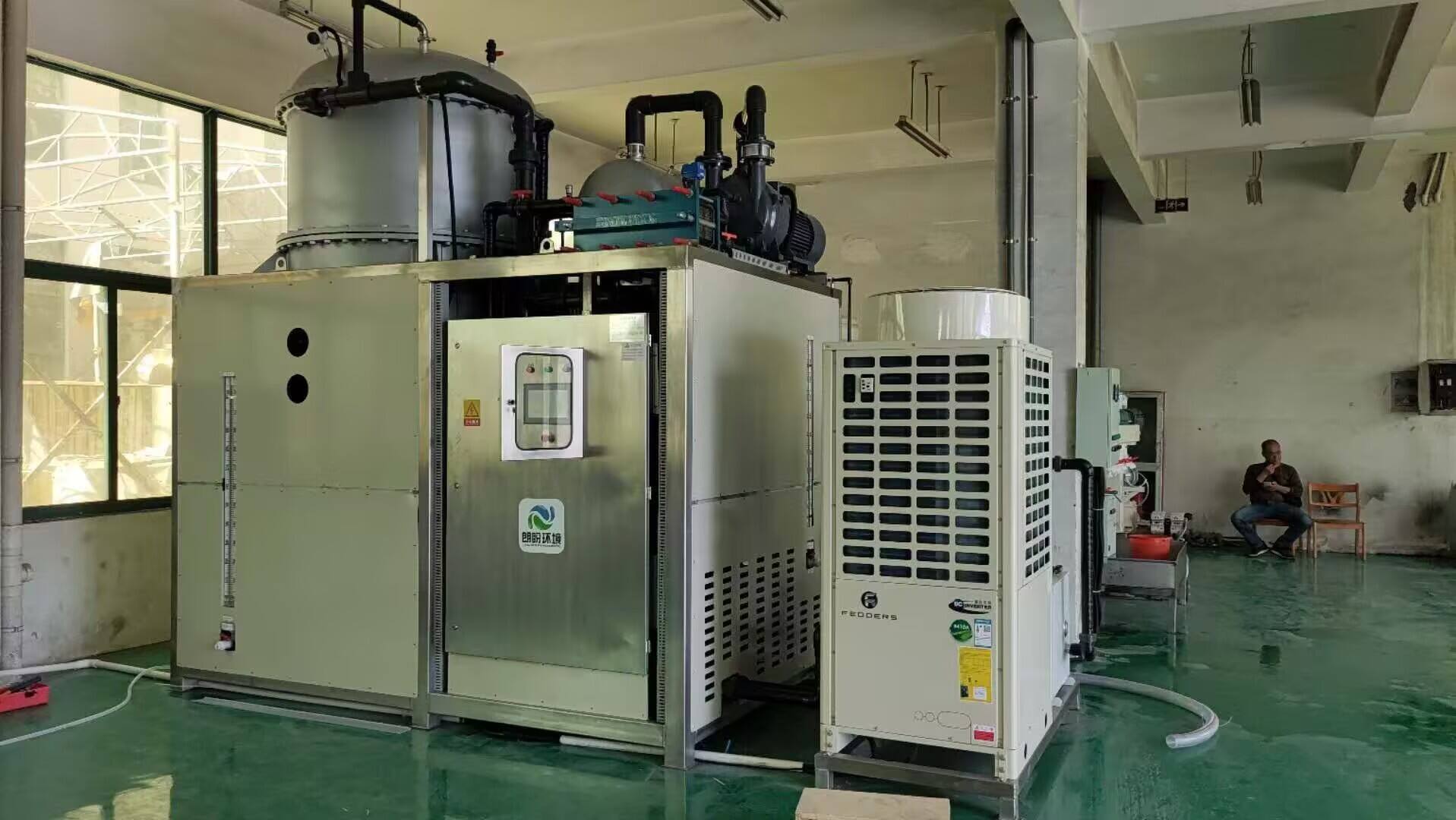
Industrial processes across manufacturing, wastewater treatment, and chemical production increasingly rely on specialized equipment to handle liquid concentration and separation tasks. Among the most critical pieces of equipment in these operations is the vacuum evaporator, a sophisticated system that removes solvents and concentrates solutions under reduced pressure conditions. Understanding how to select the appropriate vacuum evaporator for your specific application can significantly impact operational efficiency, product quality, and overall process economics. The choice involves careful consideration of factors including feed characteristics, desired concentration levels, energy requirements, and operational constraints that define your particular industrial environment.
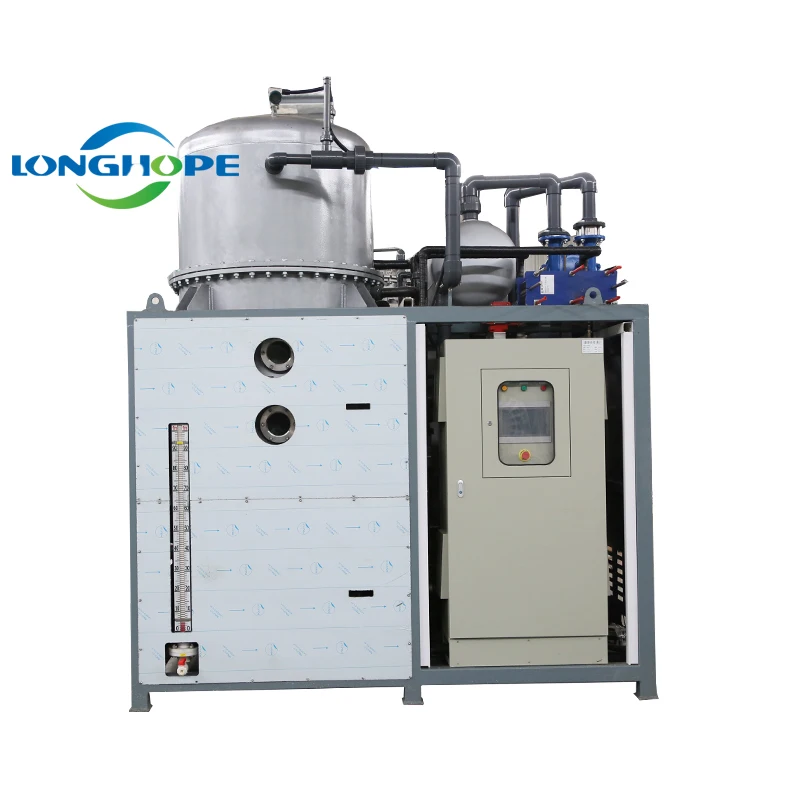
Understanding Vacuum Evaporator Fundamentals
Operating Principles and Mechanisms
A vacuum evaporator operates by reducing the atmospheric pressure within the evaporation chamber, which lowers the boiling point of liquids and enables evaporation at significantly lower temperatures than conventional methods. This principle proves particularly valuable when processing heat-sensitive materials that would degrade under standard atmospheric pressure conditions. The vacuum environment facilitates gentle evaporation while maintaining the integrity of valuable compounds and preventing thermal decomposition that could compromise product quality.
The fundamental mechanism involves creating a controlled low-pressure environment using vacuum pumps or steam ejectors, followed by the application of heat through various methods including steam heating, electrical heating, or thermal oil circulation. As the liquid feed enters the evaporator, the reduced pressure causes rapid vaporization, with vapors subsequently condensed and collected separately from the concentrated liquid residue. This process enables precise control over concentration levels while minimizing energy consumption compared to atmospheric pressure evaporation systems.
Key Performance Characteristics
Modern vacuum evaporator systems demonstrate exceptional thermal efficiency through optimized heat transfer surfaces and advanced vacuum control mechanisms. The performance characteristics include high evaporation rates, consistent concentration accuracy, and minimal product degradation during processing. These systems typically achieve concentration ratios ranging from 2:1 to 20:1 depending on feed properties and operational parameters, making them suitable for diverse industrial applications.
Energy efficiency represents a critical performance metric, with contemporary designs incorporating heat recovery systems and multi-effect configurations that significantly reduce steam consumption and operational costs. The ability to operate at lower temperatures also contributes to reduced fouling and scaling, extending equipment lifespan and reducing maintenance requirements compared to conventional evaporation methods.
Types and Configurations of Vacuum Evaporators
Falling Film Vacuum Evaporators
Falling film configurations represent one of the most widely utilized vacuum evaporator designs, particularly effective for processing viscous liquids and heat-sensitive materials. In this arrangement, the feed solution forms a thin film that flows downward along heated vertical tubes under vacuum conditions. The thin film design maximizes heat transfer efficiency while minimizing residence time, making it ideal for applications requiring gentle processing conditions.
These systems excel in handling solutions with varying viscosities and demonstrate excellent performance in concentrating pharmaceutical products, food extracts, and chemical intermediates. The falling film vacuum evaporator design allows for continuous operation with high throughput rates while maintaining precise temperature control throughout the evaporation process. The configuration also facilitates easy cleaning and maintenance procedures, essential for applications requiring frequent product changeovers.
Forced Circulation Vacuum Evaporators
Forced circulation designs incorporate recirculation pumps that maintain constant liquid flow through the heating elements, providing superior heat transfer coefficients and handling capabilities for high-viscosity or crystallizing solutions. This vacuum evaporator type proves particularly effective when processing solutions prone to fouling or when high concentration ratios are required. The circulation system ensures uniform heating and prevents localized overheating that could damage sensitive components.
The forced circulation configuration enables processing of solutions containing suspended solids or those that tend to form crystals during concentration. The continuous circulation prevents settling and maintains homogeneous conditions throughout the evaporation process, making this design suitable for chemical processing, mining applications, and industrial waste concentration where feed consistency may vary significantly.
Application-Specific Selection Criteria
Feed Characteristics Analysis
Selecting the optimal vacuum evaporator begins with comprehensive analysis of feed solution properties including viscosity, thermal sensitivity, corrosivity, and solid content. Solutions with high initial viscosity may require forced circulation designs to maintain adequate heat transfer, while heat-sensitive materials benefit from the low-temperature operation possible with efficient vacuum systems. Corrosive feeds necessitate specialized materials of construction and protective coatings to ensure long-term reliability.
The presence of suspended solids or crystallizing compounds significantly influences design selection, as these materials can cause fouling or blockages in certain evaporator configurations. Feed pH levels, chemical compatibility, and potential for thermal degradation must be evaluated to determine appropriate operating conditions and material specifications for the vacuum evaporator system components.
Process Requirements and Constraints
Industrial process requirements encompass production capacity, desired final concentration, energy availability, and operational flexibility needs. High-volume applications may require multi-effect vacuum evaporator systems that maximize energy efficiency through staged evaporation processes. The required final concentration levels determine the number of effects needed and the degree of vacuum required to achieve target specifications.
Energy availability and costs play crucial roles in system selection, as different vacuum evaporator designs have varying steam, electricity, and cooling water requirements. Facilities with limited energy resources may benefit from designs that incorporate heat recovery systems or alternative heating methods. Operational flexibility requirements, including the need for rapid startup, shutdown procedures, and product changeover capabilities, influence the complexity and automation level of the selected system.
Engineering Considerations and Design Parameters
Heat Transfer Optimization
Effective heat transfer design forms the foundation of efficient vacuum evaporator operation, requiring careful consideration of heating surface area, temperature differentials, and heat transfer coefficients. The selection of heating methods, whether steam, thermal oil, or electrical heating, depends on available utilities and process temperature requirements. Optimized heat exchanger designs maximize energy efficiency while minimizing fouling potential and maintenance requirements.
Surface area calculations must account for expected fouling factors and heat transfer degradation over time to ensure consistent performance throughout operational cycles. The vacuum evaporator design should incorporate provisions for cleaning and maintenance access, including removable tube bundles or cleaning-in-place systems that maintain hygiene standards and operational efficiency without extended downtime periods.
Vacuum System Design and Control
The vacuum system represents a critical component that directly impacts evaporator performance and energy consumption. Proper sizing of vacuum pumps, condensers, and associated equipment ensures stable operating conditions and consistent product quality. The choice between steam ejectors, liquid ring pumps, or dry vacuum pumps depends on required vacuum levels, available utilities, and environmental considerations.
Advanced control systems enable precise vacuum level management, automatic pressure regulation, and integration with overall process control schemes. Modern vacuum evaporator installations incorporate sophisticated monitoring systems that track key performance indicators including vacuum levels, temperatures, flow rates, and energy consumption to optimize operational efficiency and detect potential issues before they impact production.
Installation and Operational Considerations
Facility Integration and Utilities
Successful vacuum evaporator installation requires careful planning of utility connections, including steam supply, cooling water systems, electrical power, and compressed air for instrumentation and control systems. The physical layout must accommodate equipment dimensions, maintenance access requirements, and safety considerations including ventilation and emergency shutdown procedures. Integration with existing process systems requires compatible control interfaces and appropriate isolation capabilities.
Utility capacity planning ensures adequate steam pressure and flow rates, cooling water temperatures and quantities, and electrical power availability to support design operating conditions. The vacuum evaporator installation should include provisions for thermal expansion, vibration isolation, and accessibility for routine maintenance and component replacement without disrupting adjacent operations.
Operational Procedures and Maintenance
Establishing comprehensive operational procedures ensures consistent vacuum evaporator performance and extends equipment lifespan through proper startup, shutdown, and routine monitoring practices. Operator training programs should cover system principles, safety procedures, troubleshooting techniques, and maintenance requirements specific to the installed configuration and process application.
Preventive maintenance schedules address critical components including vacuum pumps, heat transfer surfaces, control valves, and instrumentation systems. Regular inspection and cleaning procedures prevent fouling accumulation, maintain heat transfer efficiency, and identify potential wear items before failure occurs. Documentation systems track performance trends, maintenance activities, and operational parameters to support continuous improvement initiatives and regulatory compliance requirements.
Economic Analysis and Return on Investment
Capital Cost Considerations
The initial investment in a vacuum evaporator system encompasses equipment costs, installation expenses, utility modifications, and commissioning activities. Equipment costs vary significantly based on capacity, materials of construction, automation level, and specific design features required for the application. Stainless steel construction, specialized coatings, and exotic materials for corrosive applications increase capital requirements but provide essential durability and product quality benefits.
Installation costs include foundation work, piping systems, electrical connections, and integration with existing process infrastructure. The complexity of vacuum evaporator installations often requires specialized contractors and extended commissioning periods to achieve design performance specifications. Proper project planning and vendor selection minimize installation costs while ensuring system reliability and performance compliance with design criteria.
Operating Cost Analysis
Operating costs for vacuum evaporator systems include energy consumption for heating and vacuum generation, cooling water usage, maintenance materials, and labor requirements. Energy costs typically represent the largest operational expense, making efficiency optimization crucial for long-term economic viability. Multi-effect designs and heat recovery systems significantly reduce energy consumption and improve operational economics compared to single-effect configurations.
Maintenance costs encompass routine servicing, replacement parts, and periodic overhauls of major components including vacuum pumps, heat exchangers, and control systems. The vacuum evaporator design selection significantly influences maintenance requirements, with some configurations requiring more frequent attention than others. Life cycle cost analysis should consider these factors along with expected equipment lifespan and technological obsolescence rates.
FAQ
What factors determine the appropriate vacuum level for my evaporator application
The optimal vacuum level depends primarily on the boiling point characteristics of your feed solution and the maximum allowable processing temperature for heat-sensitive components. Generally, deeper vacuum levels enable lower operating temperatures but require more energy for vacuum generation. Most industrial vacuum evaporator applications operate between 50-200 mmHg absolute pressure, providing effective evaporation while maintaining reasonable energy consumption. Your specific vacuum requirements should be determined through pilot testing or thermodynamic calculations based on feed composition and desired concentration levels.
How do I calculate the required evaporation capacity for my process
Evaporation capacity calculations require knowledge of feed flow rate, initial concentration, final desired concentration, and solvent properties. The basic calculation involves determining the mass of solvent that must be removed to achieve target concentration levels, then applying safety factors for operational variations. Most vacuum evaporator suppliers provide sizing software or engineering services to perform detailed calculations including heat and mass balance analysis, ensuring proper equipment selection for your specific application requirements and operational conditions.
What maintenance procedures are critical for vacuum evaporator reliability
Critical maintenance procedures include regular cleaning of heat transfer surfaces to prevent fouling buildup, vacuum pump servicing according to manufacturer schedules, and calibration of temperature and pressure instrumentation. The vacuum evaporator system requires periodic inspection of heating elements, vacuum system components, and control valves for wear and proper operation. Establishing a preventive maintenance program based on operating hours, processing volumes, or calendar intervals helps prevent unexpected failures and maintains optimal performance throughout the equipment lifecycle.
How can I improve energy efficiency in my existing vacuum evaporator system
Energy efficiency improvements include optimizing vacuum levels to minimize heating requirements while maintaining adequate evaporation rates, implementing heat recovery systems to capture waste heat from condensers, and improving insulation to reduce heat losses. Regular cleaning of heat transfer surfaces maintains optimal heat transfer coefficients, while upgrading control systems can provide better process optimization. Consider installing variable frequency drives on pumps and fans, upgrading to more efficient vacuum pumps, or adding additional evaporation effects to reduce steam consumption in your vacuum evaporator system.
Table of Contents
- Understanding Vacuum Evaporator Fundamentals
- Types and Configurations of Vacuum Evaporators
- Application-Specific Selection Criteria
- Engineering Considerations and Design Parameters
- Installation and Operational Considerations
- Economic Analysis and Return on Investment
-
FAQ
- What factors determine the appropriate vacuum level for my evaporator application
- How do I calculate the required evaporation capacity for my process
- What maintenance procedures are critical for vacuum evaporator reliability
- How can I improve energy efficiency in my existing vacuum evaporator system