 EN
EN
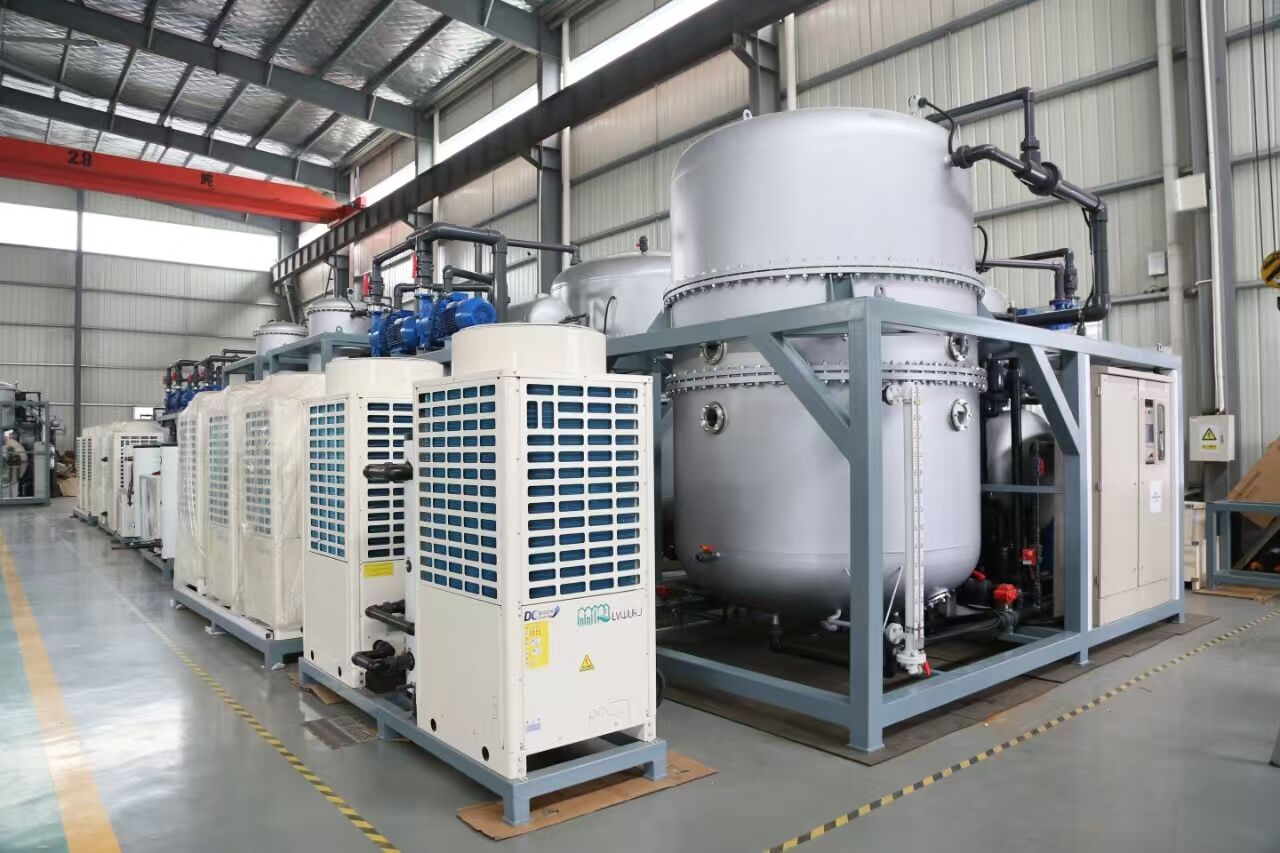
In industrial processing and waste water treatment applications, selecting the optimal crystallization technique can significantly impact operational efficiency, product quality, and overall cost-effectiveness. Scraper evaporation has emerged as a leading technology for handling challenging materials that require precise temperature control and continuous crystal removal. This comprehensive comparison examines how scraper evaporation performs against other established crystallization methods, helping engineers and facility managers make informed decisions for their specific applications.
Understanding Scraper Evaporation Technology
Core Principles and Mechanisms
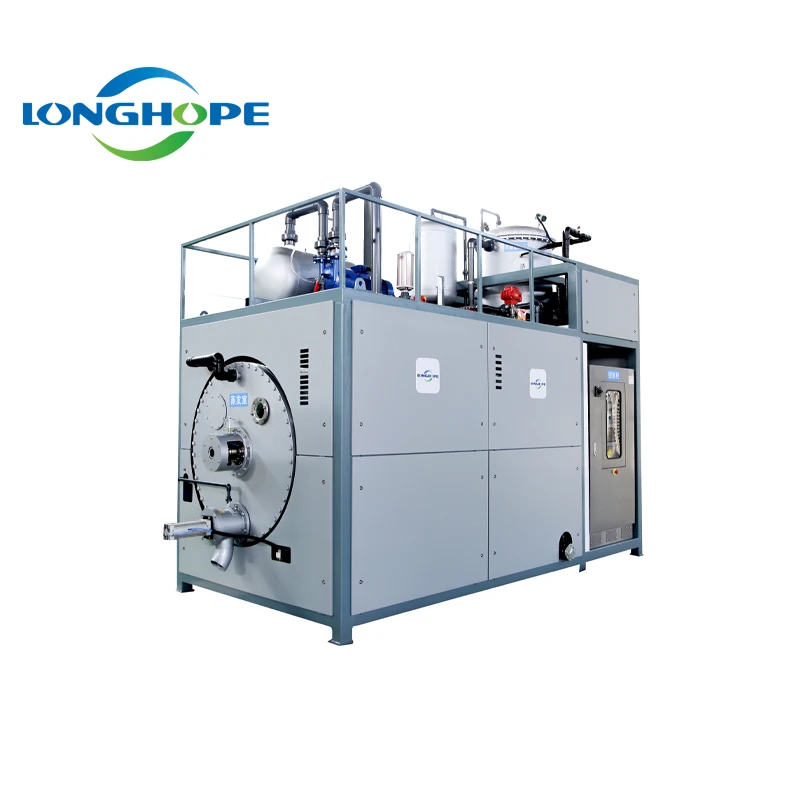
Scraper evaporation operates on the principle of continuous heat transfer combined with mechanical scraping action to prevent fouling and maintain consistent heat transfer coefficients. The technology utilizes a heated cylindrical vessel with internal rotating scraper blades that continuously remove crystallized material and accumulated deposits from the heat transfer surfaces. This mechanical action ensures sustained thermal efficiency while preventing the formation of insulating layers that commonly plague other crystallization methods.
The scraper evaporation process maintains optimal heat transfer rates through constant surface renewal, making it particularly effective for materials with high fouling tendencies or temperature-sensitive compounds. The controlled residence time and uniform mixing achieved through the scraping mechanism result in consistent crystal size distribution and improved product quality compared to static crystallization approaches.
Key Operational Advantages
One of the primary benefits of scraper evaporation systems is their ability to handle viscous solutions and slurries that would cause operational difficulties in conventional evaporators. The mechanical scraping action prevents scaling and fouling, which translates to extended operating periods between maintenance shutdowns and reduced cleaning chemical consumption. This reliability factor makes scraper evaporation systems particularly valuable in continuous industrial processes where unplanned downtime carries significant economic penalties.
The precise temperature control achievable with scraper evaporation technology enables processing of heat-sensitive materials that might degrade in other high-temperature crystallization methods. This capability expands the range of applications and allows for recovery of valuable compounds that would otherwise be lost through thermal degradation in alternative processing approaches.
Comparison with Forced Circulation Evaporators
Heat Transfer Efficiency Analysis
Forced circulation evaporators rely on external pumps to maintain liquid velocity across heat transfer surfaces, creating turbulence to minimize fouling. While effective for many applications, these systems consume significant pumping energy and can experience reduced efficiency when handling high-solids content solutions. In contrast, scraper evaporation systems achieve superior heat transfer coefficients through direct mechanical action, maintaining consistent performance even as solution concentration increases.
The energy consumption comparison reveals that scraper evaporation often operates more efficiently for difficult-to-handle materials, despite the power requirements for the scraping mechanism. The elimination of external circulation pumps and associated piping reduces both energy consumption and maintenance requirements, while the consistent heat transfer performance minimizes steam consumption per unit of evaporation.
Maintenance and Operational Considerations
Forced circulation systems require regular maintenance of circulation pumps, valves, and extensive piping networks, which can result in complex troubleshooting and extended downtime periods. The multiple components and higher system complexity increase the potential failure points and maintenance costs over the equipment lifecycle. Scraper evaporation systems, while requiring periodic blade replacement and drive system maintenance, offer more predictable maintenance schedules and simpler diagnostic procedures.
The reduced fouling tendency in scraper evaporation systems translates to less frequent chemical cleaning cycles and reduced consumption of cleaning agents. This environmental benefit, combined with the lower maintenance requirements, makes scraper evaporation an attractive option for facilities prioritizing sustainability and operational efficiency.
Performance Against Flash Crystallization Methods
Crystal Quality and Size Distribution
Flash crystallization relies on rapid pressure reduction or temperature change to induce supersaturation and crystal formation. While this method can achieve high production rates, the rapid nucleation often results in inconsistent crystal size distribution and potentially inferior crystal quality. Scraper evaporation provides better control over nucleation and growth conditions, resulting in more uniform crystal characteristics and improved product specifications.
The controlled environment within scraper evaporation systems allows for precise manipulation of supersaturation levels, temperature gradients, and residence times. This level of process control enables optimization for specific crystal morphologies and size distributions that may be required for downstream processing or end-use applications. Flash crystallization methods typically offer limited ability to fine-tune these critical parameters once the system design is established.
Process Flexibility and Adaptability
Flash crystallization systems are often designed for specific operating conditions and may require significant modifications to accommodate changes in feed composition or product requirements. Scraper evaporation systems offer greater operational flexibility, allowing for adjustments in temperature, residence time, and agitation intensity to accommodate varying feed conditions or product specifications without major equipment modifications.
The ability to operate scraper evaporation systems across a wide range of concentrations and viscosities provides operational advantages when processing variable feed streams or when product specifications change. This flexibility reduces the need for multiple specialized pieces of equipment and can improve overall process economics through enhanced asset utilization.
Economic and Environmental Impact Analysis
Capital Investment Considerations
The initial capital investment for scraper evaporation systems typically falls between that of simple batch crystallizers and complex forced circulation systems. While the specialized mechanical components and precision manufacturing requirements contribute to higher equipment costs compared to basic crystallization methods, the enhanced reliability and performance often justify the additional investment through improved process economics and reduced lifecycle costs.
When evaluating total cost of ownership, scraper evaporation systems frequently demonstrate superior economic performance due to reduced energy consumption, lower maintenance requirements, and higher product yield. The elimination of fouling-related downtime and the associated production losses can provide significant economic benefits that offset the higher initial investment within typical payback periods.
Environmental Performance Metrics
The environmental impact of crystallization technologies encompasses energy consumption, chemical usage for cleaning and maintenance, and waste generation from the process. Scraper evaporation systems typically demonstrate favorable environmental performance through reduced steam consumption per unit of product, lower cleaning chemical requirements, and minimal waste generation due to improved product recovery rates.
The consistent operation and reduced fouling characteristics of scraper evaporation systems contribute to more stable emissions and reduced environmental variability compared to systems that experience periodic performance degradation and intensive cleaning cycles. This operational stability supports environmental compliance and can contribute to corporate sustainability objectives.
Application-Specific Performance Considerations
Waste Water Treatment Applications
In waste water treatment applications, scraper evaporation technology excels at handling high-solids content streams and materials with significant fouling potential. The continuous cleaning action prevents accumulation of deposits that can harbor bacterial growth or create operational inefficiencies in other crystallization methods. This capability makes scraper evaporation particularly suitable for industrial waste streams containing organic compounds, suspended solids, or scaling minerals.
The ability to achieve high concentration ratios while maintaining stable operation allows scraper evaporation systems to minimize liquid waste volumes and maximize water recovery rates. This performance advantage is particularly valuable in zero liquid discharge applications where complete water recovery is required for environmental compliance or water conservation objectives.
Chemical Processing and Recovery Operations
Chemical processing applications often require precise control over crystal characteristics to meet product specifications or optimize downstream processing efficiency. Scraper evaporation systems provide the process control capabilities necessary to achieve consistent product quality while maintaining high recovery rates of valuable compounds. The gentle handling characteristics prevent crystal breakage and maintain product integrity throughout the crystallization process.
The temperature control precision achievable with scraper evaporation technology enables processing of thermally sensitive compounds that might decompose or polymerize in other high-temperature crystallization methods. This capability expands the range of recoverable materials and can improve overall process economics through enhanced product yield and quality.
Future Technology Developments and Trends
Process Automation and Control Integration
Advanced process control systems are increasingly being integrated with scraper evaporation technology to optimize performance and reduce operator intervention requirements. Modern installations incorporate real-time monitoring of heat transfer coefficients, crystal size distribution, and fouling rates to enable predictive maintenance scheduling and process optimization. These technological advances further enhance the competitive advantages of scraper evaporation systems compared to conventional crystallization methods.
The integration of artificial intelligence and machine learning algorithms with scraper evaporation systems enables continuous optimization of operating parameters based on feed characteristics and product requirements. This intelligent process control capability represents a significant advancement over static crystallization methods and provides opportunities for improved efficiency and product quality.
Material and Design Innovations
Ongoing developments in materials science and mechanical design are enhancing the performance and durability of scraper evaporation systems. Advanced coating technologies and specialized alloys are extending equipment life and reducing maintenance requirements, while improved scraper blade designs are enhancing heat transfer efficiency and crystal quality. These innovations continue to strengthen the competitive position of scraper evaporation technology in challenging applications.
Energy recovery and heat integration technologies are being incorporated into modern scraper evaporation systems to further improve energy efficiency and reduce operating costs. These developments, combined with enhanced process control capabilities, are expanding the economic viability of scraper evaporation technology across a broader range of applications and operating conditions.
FAQ
What types of materials are best suited for scraper evaporation processing
Scraper evaporation is particularly well-suited for processing viscous solutions, heat-sensitive materials, and streams with high fouling potential. This includes pharmaceutical intermediates, fine chemicals, food processing waste streams, and industrial waste waters containing suspended solids or scaling compounds. The technology excels with materials that would cause operational difficulties in conventional evaporators due to fouling or thermal degradation concerns.
How does the energy efficiency of scraper evaporation compare to other methods
Scraper evaporation systems typically demonstrate superior energy efficiency when processing difficult materials due to consistent heat transfer performance and elimination of circulation pumping requirements. While the mechanical scraping action does consume power, this is often offset by reduced steam consumption and elimination of fouling-related inefficiencies. For challenging applications, scraper evaporation frequently achieves lower overall energy consumption per unit of product compared to forced circulation or batch crystallization methods.
What are the typical maintenance requirements for scraper evaporation equipment
Maintenance requirements for scraper evaporation systems primarily involve periodic replacement of scraper blades, drive system servicing, and routine inspection of mechanical components. The reduced fouling characteristics mean less frequent chemical cleaning compared to other crystallization methods. Typical maintenance intervals range from 6-12 months for blade replacement, with major overhauls required every 3-5 years depending on operating conditions and material characteristics.
Can scraper evaporation systems be retrofitted into existing crystallization processes
Retrofit possibilities depend on the specific application and existing infrastructure, but many facilities have successfully upgraded from conventional crystallization methods to scraper evaporation technology. The compact design and reduced auxiliary equipment requirements often facilitate retrofits, though careful evaluation of utilities, space requirements, and process integration is necessary. Professional engineering assessment is recommended to determine retrofit feasibility and optimize the integration approach for each specific application.
Table of Contents
- Understanding Scraper Evaporation Technology
- Comparison with Forced Circulation Evaporators
- Performance Against Flash Crystallization Methods
- Economic and Environmental Impact Analysis
- Application-Specific Performance Considerations
- Future Technology Developments and Trends
-
FAQ
- What types of materials are best suited for scraper evaporation processing
- How does the energy efficiency of scraper evaporation compare to other methods
- What are the typical maintenance requirements for scraper evaporation equipment
- Can scraper evaporation systems be retrofitted into existing crystallization processes