
 EN
EN
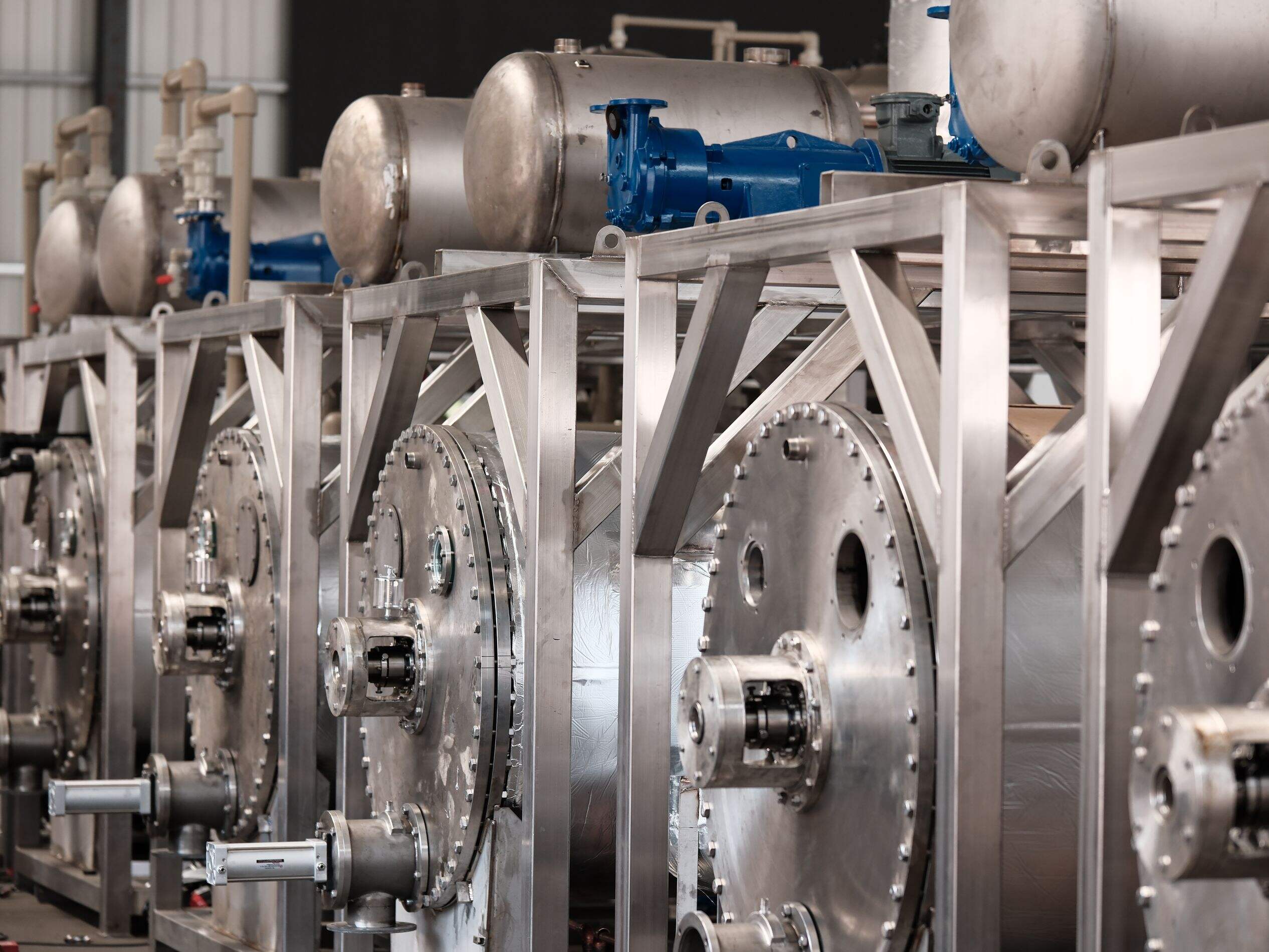
Industrial crystallization processes demand precision, efficiency, and reliability to meet the stringent requirements of modern manufacturing. Among the various crystallization technologies available today, the scraper crystallizer stands out as a sophisticated solution for continuous crystal production. This advanced equipment combines mechanical scraping mechanisms with controlled thermal conditions to produce high-quality crystals while maintaining optimal operational efficiency. Understanding the key design features that make a scraper crystallizer effective is crucial for engineers and facility managers seeking to optimize their crystallization processes.
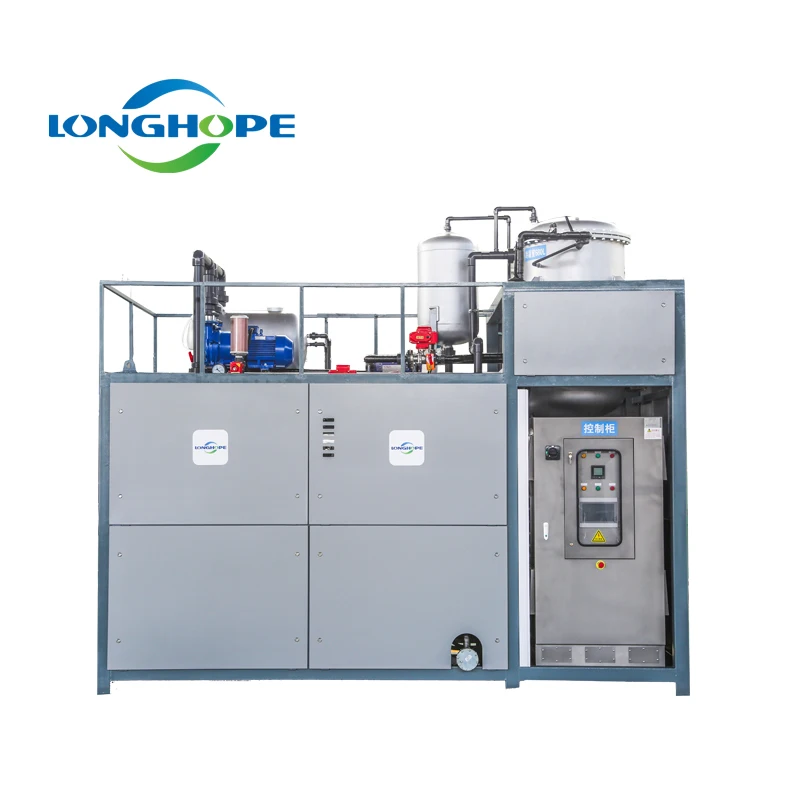
Fundamental Design Architecture
Core Structural Components
The foundation of any efficient scraper crystallizer lies in its robust structural design that accommodates continuous operation under demanding conditions. The vessel construction typically features a cylindrical or rectangular chamber with precision-engineered internal surfaces that facilitate uniform heat transfer and crystal formation. These chambers are manufactured from high-grade stainless steel or specialized alloys that resist corrosion and maintain structural integrity under thermal cycling. The internal geometry is carefully calculated to optimize residence time and ensure proper mixing characteristics throughout the crystallization zone.
Critical to the scraper crystallizer performance is the integration of multiple heat exchange surfaces that maximize thermal efficiency while minimizing energy consumption. The vessel walls incorporate cooling jackets or embedded coiling systems that provide precise temperature control across the entire crystallization surface. This design approach ensures uniform cooling rates and prevents the formation of unwanted crystal polymorphs that could compromise product quality. The structural framework also accommodates necessary instrumentation ports and access points for maintenance operations.
Mechanical Scraping Systems
The heart of the scraper crystallizer operation revolves around its sophisticated mechanical scraping mechanism that continuously removes crystals from the heat transfer surfaces. These systems typically employ rotating shafts equipped with specially designed scraper blades that maintain optimal clearance from the crystallization surface. The blade configuration varies depending on the specific application, with options including straight blades, helical arrangements, or segmented designs that accommodate different crystal types and production requirements.
Advanced scraper crystallizer designs incorporate variable-speed drive systems that allow operators to adjust scraping frequency based on crystallization kinetics and product specifications. The mechanical components are precision-manufactured to minimize wear and ensure consistent performance over extended operating periods. Proper blade design prevents crystal breakage while maintaining effective heat transfer coefficients through continuous surface renewal. The scraping mechanism also includes provisions for quick blade replacement and adjustment to accommodate different operating conditions.
Heat Transfer Optimization Features
Enhanced Surface Area Design
Efficient heat transfer represents a cornerstone of effective scraper crystallizer operation, directly impacting both production capacity and energy efficiency. Modern designs maximize heat transfer surface area through innovative geometric configurations that increase the contact area between the cooling medium and the crystallizing solution. These configurations often include extended surfaces, internal baffles, or specialized tube arrangements that enhance convective heat transfer while maintaining uniform temperature distribution throughout the crystallization zone.
The scraper crystallizer heat transfer surfaces are engineered with specific roughness characteristics that promote nucleation while preventing excessive fouling or crystal adhesion. Surface treatments may include specialized coatings or texturing that enhance heat transfer coefficients and facilitate crystal removal during scraping operations. The thermal design also considers thermal expansion and contraction effects to prevent mechanical stress that could compromise equipment integrity or performance.
Temperature Control Systems
Precise temperature control throughout the crystallization process requires sophisticated thermal management systems integrated into the scraper crystallizer design. These systems typically employ multiple temperature measurement points and automated control loops that maintain optimal thermal conditions for crystal formation. The control architecture includes provisions for both heating and cooling operations, allowing operators to implement complex temperature profiles that optimize crystal quality and production rates.
Advanced scraper crystallizer installations incorporate predictive temperature control algorithms that anticipate thermal transients and adjust cooling or heating inputs accordingly. The temperature control system interfaces with the mechanical scraping operation to coordinate thermal and mechanical parameters for optimal performance. Safety interlocks prevent thermal excursions that could damage equipment or compromise product quality, while data logging capabilities provide complete thermal history documentation for process validation and optimization.
Process Flow and Material Handling
Feed Distribution Systems
Effective material handling begins with proper feed distribution that ensures uniform concentration and temperature conditions throughout the scraper crystallizer. Feed systems typically incorporate multiple injection points strategically positioned to promote mixing and prevent localized concentration gradients that could lead to uncontrolled crystallization. The feed distribution design considers the rheological properties of the crystallizing solution and accommodates variations in feed composition or temperature that may occur during normal operations.
Modern scraper crystallizer designs integrate advanced flow measurement and control systems that maintain precise feed rates regardless of upstream process variations. The feed piping and distribution manifolds are designed to minimize pressure drop while ensuring complete mixing with the circulating crystallizer contents. Specialized injection nozzles or distribution plates promote turbulent mixing that enhances mass transfer and nucleation rates throughout the crystallization volume.
Crystal Discharge and Classification
The efficient removal and classification of crystals from the scraper crystallizer requires carefully engineered discharge systems that separate crystals from mother liquor while maintaining product quality. Discharge mechanisms typically employ overflow weirs, bottom outlets, or specialized classification devices that selectively remove crystals based on size or density characteristics. The discharge design prevents crystal breakage while ensuring complete separation of the solid and liquid phases.
Advanced scraper crystallizer installations may include internal classification systems that separate fine and coarse crystals, allowing for recirculation of undersized material to improve overall product uniformity. The discharge system interfaces with downstream processing equipment such as centrifuges, filters, or dryers to maintain continuous operation without material accumulation or process interruption. Proper discharge design also facilitates cleaning and maintenance operations essential for maintaining sanitary conditions in pharmaceutical or food applications.
Advanced Control and Monitoring Features
Process Instrumentation Integration
Contemporary scraper crystallizer designs incorporate comprehensive instrumentation packages that provide real-time monitoring and control of critical process parameters. These systems typically include temperature, pressure, flow, and concentration measurement devices strategically positioned throughout the crystallizer to provide complete process visibility. Advanced sensors may include online crystal size analyzers, turbidity meters, or specialized probes that monitor crystallization kinetics and product quality in real-time.
The instrumentation architecture supports both local and remote monitoring capabilities, enabling operators to track scraper crystallizer performance from centralized control rooms or mobile devices. Data acquisition systems capture and archive process data for trend analysis, process optimization, and regulatory compliance documentation. Integration with plant-wide control systems allows the scraper crystallizer to operate as part of larger automated production sequences while maintaining independent control capabilities for specialized operations.
Automation and Safety Systems
Modern scraper crystallizer installations employ sophisticated automation systems that optimize operating parameters while ensuring safe and reliable operation. These systems implement advanced control algorithms that coordinate mechanical scraping, thermal management, and material handling operations to maximize efficiency and product quality. Automated startup and shutdown sequences reduce operator workload while ensuring consistent operating procedures that minimize variability and operational risks.
Comprehensive safety systems protect both personnel and equipment through multiple layers of protection including emergency shutdown capabilities, fire and gas detection systems, and mechanical safety interlocks. The automation architecture includes provisions for remote diagnostics and predictive maintenance capabilities that identify potential issues before they impact production. Safety systems comply with applicable industrial standards and regulations while providing flexibility for future upgrades or modifications as operational requirements evolve.
Material Selection and Corrosion Resistance
Construction Materials Optimization
The selection of appropriate construction materials significantly impacts the longevity and performance of a scraper crystallizer installation. Material choices must consider the corrosive nature of the crystallizing solution, operating temperatures, mechanical stresses, and cleaning requirements specific to the application. High-grade stainless steels represent the most common choice for scraper crystallizer construction, with specific alloy selections based on chloride content, pH levels, and temperature conditions encountered during operation.
Specialized applications may require exotic alloys such as hastelloy, inconel, or titanium to provide adequate corrosion resistance under extreme chemical conditions. The scraper crystallizer material selection process also considers thermal expansion characteristics, mechanical properties, and fabrication requirements that affect both initial cost and long-term maintenance needs. Surface finishes are specified to meet sanitary requirements while providing appropriate characteristics for crystal formation and removal operations.
Protective Coatings and Treatments
Beyond base material selection, scraper crystallizer designs may incorporate protective coatings or surface treatments that enhance corrosion resistance and extend equipment service life. These treatments range from electropolishing and passivation procedures that improve stainless steel performance to specialized polymer or ceramic coatings that provide chemical resistance in aggressive environments. The coating selection process considers adhesion characteristics, thermal cycling effects, and mechanical wear resistance required for scraping operations.
Regular maintenance of protective systems ensures continued effectiveness throughout the scraper crystallizer service life. Inspection procedures identify coating degradation or localized corrosion that could compromise equipment integrity or product quality. Maintenance programs include provisions for coating repair or renewal as needed to maintain optimal protection levels and extend equipment service intervals.
Energy Efficiency and Environmental Considerations
Heat Recovery Systems
Energy efficiency represents a critical design consideration for modern scraper crystallizer installations, particularly in applications requiring significant thermal input for crystallization operations. Heat recovery systems capture waste heat from crystallizer discharge streams and utilize this energy for feed preheating or other plant operations. These systems typically employ heat exchangers designed specifically for crystallizer applications that accommodate the presence of suspended solids and varying thermal conditions.
Advanced scraper crystallizer designs integrate heat pump technology that recovers low-grade waste heat and upgrades it to useful temperature levels for process heating requirements. This approach significantly reduces external energy consumption while improving overall plant thermal efficiency. The heat recovery system design considers fouling potential, maintenance requirements, and economic optimization to ensure long-term viability and performance.
Environmental Impact Minimization
Contemporary scraper crystallizer designs incorporate features that minimize environmental impact through reduced emissions, waste generation, and resource consumption. Closed-loop cooling systems eliminate the need for once-through cooling water while vapor recovery systems capture and condense solvent vapors that might otherwise require disposal or treatment. The crystallizer design may include provisions for complete material recovery that eliminates waste streams and maximizes raw material utilization efficiency.
Environmental compliance features ensure that scraper crystallizer operations meet applicable emissions standards and waste disposal regulations. Monitoring systems track environmental parameters and provide documentation required for regulatory reporting and compliance verification. The design philosophy emphasizes sustainable operation that minimizes long-term environmental impact while maintaining economic viability and operational flexibility for changing regulatory requirements.
FAQ
What factors determine the optimal scraping speed for a crystallizer
The optimal scraping speed depends on several interconnected factors including crystal growth kinetics, solution viscosity, and heat transfer requirements. Generally, higher scraping speeds improve heat transfer coefficients but may cause crystal breakage in fragile crystal systems. The ideal speed balances crystal integrity with thermal performance while preventing excessive mechanical wear on scraping components. Most installations operate with variable speed capability allowing optimization for specific product requirements and operating conditions.
How does crystal size distribution affect scraper crystallizer design
Crystal size distribution requirements significantly influence scraper crystallizer design parameters including residence time, mixing intensity, and classification systems. Applications requiring narrow size distributions may incorporate internal classification devices or recirculation systems that selectively remove oversized or undersized crystals. The scraping mechanism design must accommodate the target size range while preventing excessive breakage that could shift the distribution toward finer materials.
What maintenance considerations are specific to scraper crystallizers
Scraper crystallizer maintenance focuses primarily on the mechanical scraping system including blade wear monitoring, shaft alignment verification, and bearing lubrication. Regular inspection of heat transfer surfaces identifies fouling or corrosion that could impact performance. The scraping mechanism requires periodic adjustment to maintain proper clearances as components wear during normal operation. Preventive maintenance programs should include spare parts inventory management and planned shutdown procedures for major maintenance activities.
How do scraper crystallizers compare to other crystallization technologies
Scraper crystallizers excel in applications requiring continuous operation with high heat transfer rates and consistent product quality. Compared to batch crystallizers, they provide steady-state operation with reduced labor requirements and more consistent product characteristics. The continuous scraping action prevents fouling that limits other continuous crystallizer designs while maintaining high heat transfer coefficients throughout the operating cycle. However, they require higher initial investment and more complex mechanical systems compared to simpler crystallization technologies.