
 EN
EN
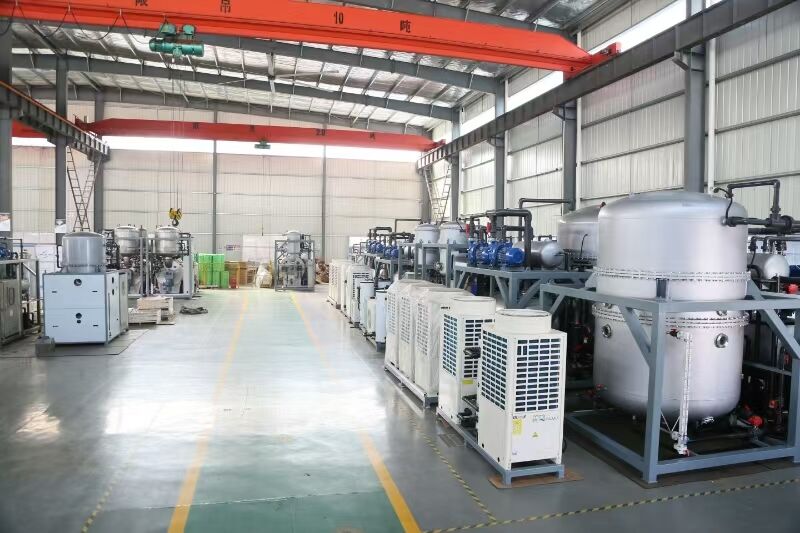
Industrial processes across various sectors increasingly rely on advanced separation technologies to meet stringent environmental regulations and operational efficiency demands. Low temperature vacuum evaporation stands out as a revolutionary thermal separation technique that enables industries to process heat-sensitive materials while achieving remarkable energy savings. This innovative approach combines reduced pressure environments with controlled heating to accomplish effective liquid-solid separation at temperatures significantly lower than conventional methods.
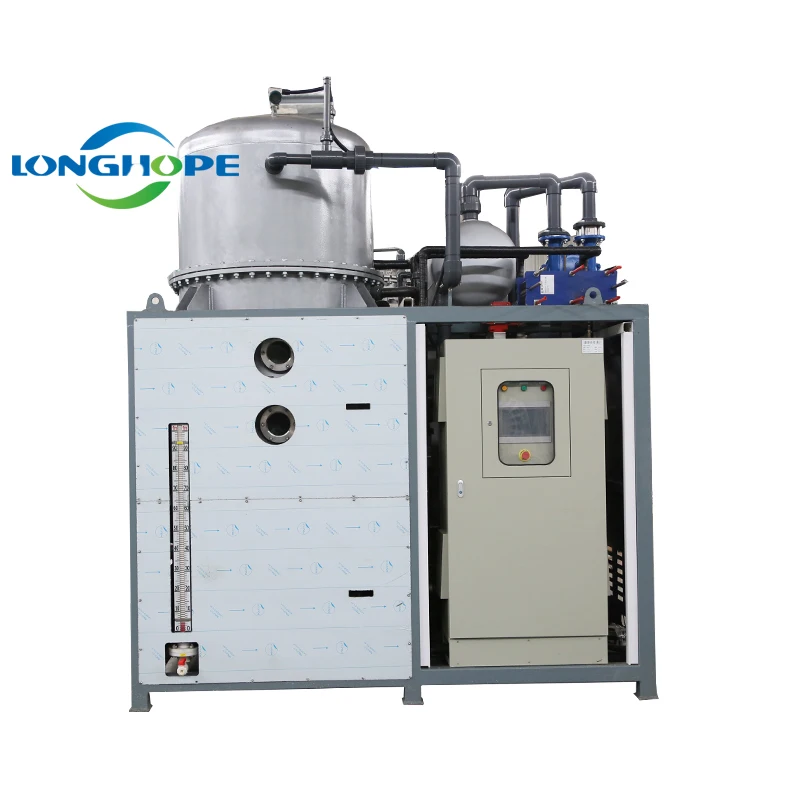
The fundamental principle behind low temperature vacuum evaporation leverages the inverse relationship between pressure and boiling point temperatures. By creating vacuum conditions within specialized equipment, operators can achieve liquid evaporation at substantially reduced temperatures, preserving product quality while maintaining process effectiveness. Industries worldwide have embraced this technology for applications ranging from pharmaceutical manufacturing to wastewater treatment, recognizing its potential to transform traditional thermal processing approaches.
Modern manufacturing facilities face mounting pressure to optimize energy consumption while maintaining product integrity and environmental compliance. Low temperature vacuum evaporation addresses these challenges by offering a sustainable solution that reduces thermal stress on processed materials while delivering consistent separation results. The technology has proven particularly valuable in sectors where temperature-sensitive compounds require careful handling throughout the concentration and purification process.
Fundamental Principles and Operating Mechanisms
Vacuum Environment Creation
The cornerstone of low temperature vacuum evaporation lies in establishing controlled vacuum conditions that dramatically alter the thermodynamic properties of liquids. Specialized vacuum pumps remove air and other gases from the processing chamber, creating an environment where atmospheric pressure drops to predetermined levels. This pressure reduction directly impacts the boiling point of liquids, enabling evaporation to occur at temperatures that would be impossible under normal atmospheric conditions.
Advanced vacuum systems incorporate multiple stages of pressure reduction, utilizing both mechanical and diffusion pumps to achieve the precise vacuum levels required for optimal operation. The vacuum environment must be carefully maintained throughout the process to ensure consistent evaporation rates and prevent contamination from external sources. Modern equipment features sophisticated monitoring systems that continuously track pressure levels and automatically adjust vacuum pump operation to maintain optimal conditions.
Heat Transfer Optimization
Effective heat transfer mechanisms are essential for successful low temperature vacuum evaporation operations. Equipment designs incorporate various heat exchange configurations, including falling film, rising film, and forced circulation systems, each optimized for specific applications and feed characteristics. The reduced temperature requirements allow for the utilization of lower-grade heat sources, including waste heat recovery systems and renewable energy sources.
Heat transfer surfaces in low temperature vacuum evaporation systems are engineered to maximize thermal efficiency while minimizing fouling potential. Advanced materials and surface treatments enhance heat transfer coefficients, enabling rapid evaporation even at reduced temperatures. The combination of optimized heat transfer and vacuum conditions results in superior energy efficiency compared to conventional thermal separation methods.
Industrial Applications and Sector Benefits
Pharmaceutical and Chemical Processing
The pharmaceutical industry has extensively adopted low temperature vacuum evaporation for processing heat-sensitive active pharmaceutical ingredients and intermediates. This technology enables the concentration of temperature-sensitive compounds without degradation, maintaining product efficacy and purity throughout the manufacturing process. Pharmaceutical manufacturers utilize this approach for solvent recovery, API concentration, and purification of complex molecular structures that would be compromised by high-temperature processing.
Chemical processing facilities benefit from the ability to handle volatile organic compounds and reactive materials under controlled temperature conditions. Low temperature vacuum evaporation prevents unwanted chemical reactions that could occur at elevated temperatures, ensuring product quality and safety. The technology also facilitates the recovery of valuable solvents and chemicals, contributing to sustainable manufacturing practices and cost reduction initiatives.
Food and Beverage Industry Applications
Food processing operations increasingly rely on low temperature vacuum evaporation to preserve nutritional content and organoleptic properties during concentration processes. Fruit juice concentrates, dairy products, and specialty food ingredients benefit from gentle processing conditions that maintain natural flavors, colors, and nutritional values. The reduced thermal exposure prevents the formation of undesirable compounds that typically result from high-temperature processing.
Beverage manufacturers utilize low temperature vacuum evaporation for alcohol removal, flavor concentration, and the production of concentrated extracts. The technology enables precise control over final product characteristics while maintaining the delicate balance of volatile compounds that contribute to product quality. Energy savings achieved through reduced temperature requirements translate directly into improved operational economics for food processing facilities.
Energy Efficiency and Environmental Advantages
Reduced Energy Consumption
One of the most significant advantages of low temperature vacuum evaporation is the substantial reduction in energy requirements compared to conventional evaporation methods. The lower operating temperatures require less thermal energy input, resulting in reduced fuel consumption and associated carbon emissions. Industries implementing this technology typically observe energy savings ranging from 30 to 60 percent compared to traditional atmospheric pressure evaporation systems.
The ability to utilize lower-grade heat sources opens opportunities for waste heat recovery and integration with renewable energy systems. Solar thermal, geothermal, and industrial waste heat can effectively power low temperature vacuum evaporation processes, further enhancing the environmental benefits and economic advantages of this technology. Heat pump integration with low temperature vacuum evaporation systems creates highly efficient thermal processing solutions.
Environmental Impact Reduction
Environmental benefits extend beyond energy savings to include reduced greenhouse gas emissions and improved waste minimization. The gentle processing conditions preserve product quality, reducing waste generation due to thermal degradation. Lower temperature operation also minimizes the formation of harmful byproducts that can occur during high-temperature thermal processing, contributing to cleaner production practices.
Water conservation becomes achievable through efficient solvent recovery and reuse facilitated by low temperature vacuum evaporation systems. Industries can significantly reduce their freshwater consumption by implementing closed-loop systems that recover and purify process water for reuse. This approach addresses growing concerns about water scarcity while reducing wastewater treatment requirements and associated environmental impact.
Economic Benefits and Return on Investment
Operational Cost Reduction
The implementation of low temperature vacuum evaporation technology delivers measurable operational cost reductions through multiple mechanisms. Energy savings represent the most immediate and substantial cost benefit, with reduced utility expenses directly improving operational margins. The ability to process temperature-sensitive materials without degradation eliminates product losses and rework costs associated with thermal damage.
Maintenance requirements for low temperature vacuum evaporation systems are typically lower than conventional high-temperature equipment due to reduced thermal stress on system components. Lower operating temperatures result in decreased fouling rates, extending cleaning intervals and reducing maintenance labor requirements. Equipment longevity increases significantly when thermal cycling and high-temperature exposure are minimized through vacuum operation.
Product Quality and Yield Enhancement
Superior product quality achieved through low temperature vacuum evaporation translates directly into economic benefits through improved yields and premium product pricing. Industries processing high-value materials benefit from the preservation of product characteristics that would be compromised by conventional thermal processing. The technology enables manufacturers to achieve higher concentration levels while maintaining product integrity, resulting in improved space utilization and transportation efficiency.
Market advantages emerge from the ability to produce products with superior quality characteristics that command premium pricing. Low temperature vacuum evaporation enables the production of specialty products with unique properties that differentiate them from conventionally processed alternatives. This technological advantage can create competitive barriers and establish market leadership positions in quality-sensitive applications.
Technical Considerations and System Design
Equipment Selection and Sizing
Proper equipment selection for low temperature vacuum evaporation systems requires careful analysis of feed characteristics, processing requirements, and desired outcomes. System capacity must accommodate varying feed rates while maintaining consistent vacuum levels and temperature control throughout the operating range. Evaporator design considerations include heat transfer area requirements, residence time distribution, and materials of construction suitable for vacuum service.
Vacuum system sizing represents a critical design parameter that directly impacts process performance and operating costs. Pump selection must consider the vapor load characteristics, non-condensable gas ingress, and required ultimate vacuum levels. Modern systems incorporate variable-speed drives and automated control systems to optimize vacuum pump operation based on real-time process conditions, maximizing energy efficiency while maintaining process stability.
Process Control and Automation
Advanced process control systems are essential for optimizing low temperature vacuum evaporation operations and ensuring consistent product quality. Automated control strategies manage vacuum levels, feed rates, heating medium flow, and product withdrawal to maintain optimal operating conditions. Real-time monitoring of key process parameters enables rapid response to process upsets and prevents product quality deviations.
Integration with plant-wide control systems allows for coordinated operation with upstream and downstream processes, optimizing overall facility efficiency. Data acquisition and historical trending capabilities provide insights into process performance and enable continuous improvement initiatives. Predictive maintenance algorithms utilizing sensor data can identify potential equipment issues before they impact production, minimizing unplanned downtime.
Future Developments and Technology Trends
Advanced Materials and Equipment Design
Ongoing research and development efforts focus on enhancing low temperature vacuum evaporation technology through advanced materials and innovative equipment designs. Heat transfer enhancement techniques, including structured packing, advanced surface coatings, and microchannel designs, promise to further improve thermal efficiency and reduce equipment footprints. Novel materials with superior corrosion resistance and thermal conductivity enable operation with aggressive feed streams while extending equipment service life.
Modular system designs are emerging to provide greater flexibility and scalability for low temperature vacuum evaporation applications. Pre-engineered modules can be rapidly deployed and easily expanded to accommodate changing production requirements. Standardized designs reduce engineering costs and implementation timelines while maintaining the performance advantages of custom-engineered solutions.
Integration with Emerging Technologies
The convergence of low temperature vacuum evaporation with other emerging technologies creates opportunities for enhanced process efficiency and expanded applications. Integration with membrane separation processes enables hybrid systems that combine the advantages of both technologies for challenging separation requirements. Heat pump integration with low temperature vacuum evaporation creates thermally integrated systems with exceptional energy efficiency.
Artificial intelligence and machine learning applications are beginning to optimize low temperature vacuum evaporation operations through predictive control and adaptive process optimization. These technologies analyze process data patterns to identify optimal operating conditions and predict maintenance requirements. Smart sensors and Internet of Things connectivity enable remote monitoring and control capabilities that enhance operational flexibility and reduce staffing requirements.
FAQ
What temperature ranges are typical for low temperature vacuum evaporation processes
Low temperature vacuum evaporation systems typically operate in temperature ranges from 40°C to 80°C, depending on the vacuum level achieved and feed characteristics. This represents a significant reduction compared to atmospheric pressure evaporation, which often requires temperatures exceeding 100°C. The exact operating temperature depends on factors including the desired evaporation rate, product sensitivity, and economic optimization of energy consumption versus processing time.
How does vacuum level affect the performance of low temperature vacuum evaporation systems
Vacuum level directly impacts both the achievable evaporation temperature and the driving force for mass transfer in low temperature vacuum evaporation systems. Higher vacuum levels enable lower operating temperatures but require more sophisticated and expensive vacuum equipment. The optimal vacuum level represents a balance between energy savings, equipment costs, and processing requirements. Typical vacuum levels range from 50 to 500 mbar absolute pressure, depending on the specific application requirements.
What are the maintenance requirements for low temperature vacuum evaporation equipment
Maintenance requirements for low temperature vacuum evaporation systems are generally lower than conventional high-temperature equipment due to reduced thermal stress and fouling rates. Regular maintenance includes vacuum pump service, heat exchanger cleaning, and seal replacement. The frequency of these activities depends on feed characteristics and operating conditions but is typically extended compared to atmospheric pressure systems. Preventive maintenance programs focus on vacuum system integrity, heat transfer surface cleanliness, and control system calibration.
Can existing evaporation systems be retrofitted for low temperature vacuum operation
Many existing evaporation systems can be retrofitted to incorporate low temperature vacuum evaporation technology, though the feasibility depends on the original equipment design and condition. Retrofits typically involve adding vacuum equipment, modifying the vapor handling system, and upgrading process controls. The economic justification for retrofitting depends on factors including energy costs, product quality requirements, and the remaining service life of existing equipment. Professional engineering evaluation is essential to determine retrofit feasibility and expected performance improvements.
Table of Contents
- Fundamental Principles and Operating Mechanisms
- Industrial Applications and Sector Benefits
- Energy Efficiency and Environmental Advantages
- Economic Benefits and Return on Investment
- Technical Considerations and System Design
- Future Developments and Technology Trends
-
FAQ
- What temperature ranges are typical for low temperature vacuum evaporation processes
- How does vacuum level affect the performance of low temperature vacuum evaporation systems
- What are the maintenance requirements for low temperature vacuum evaporation equipment
- Can existing evaporation systems be retrofitted for low temperature vacuum operation