 EN
EN
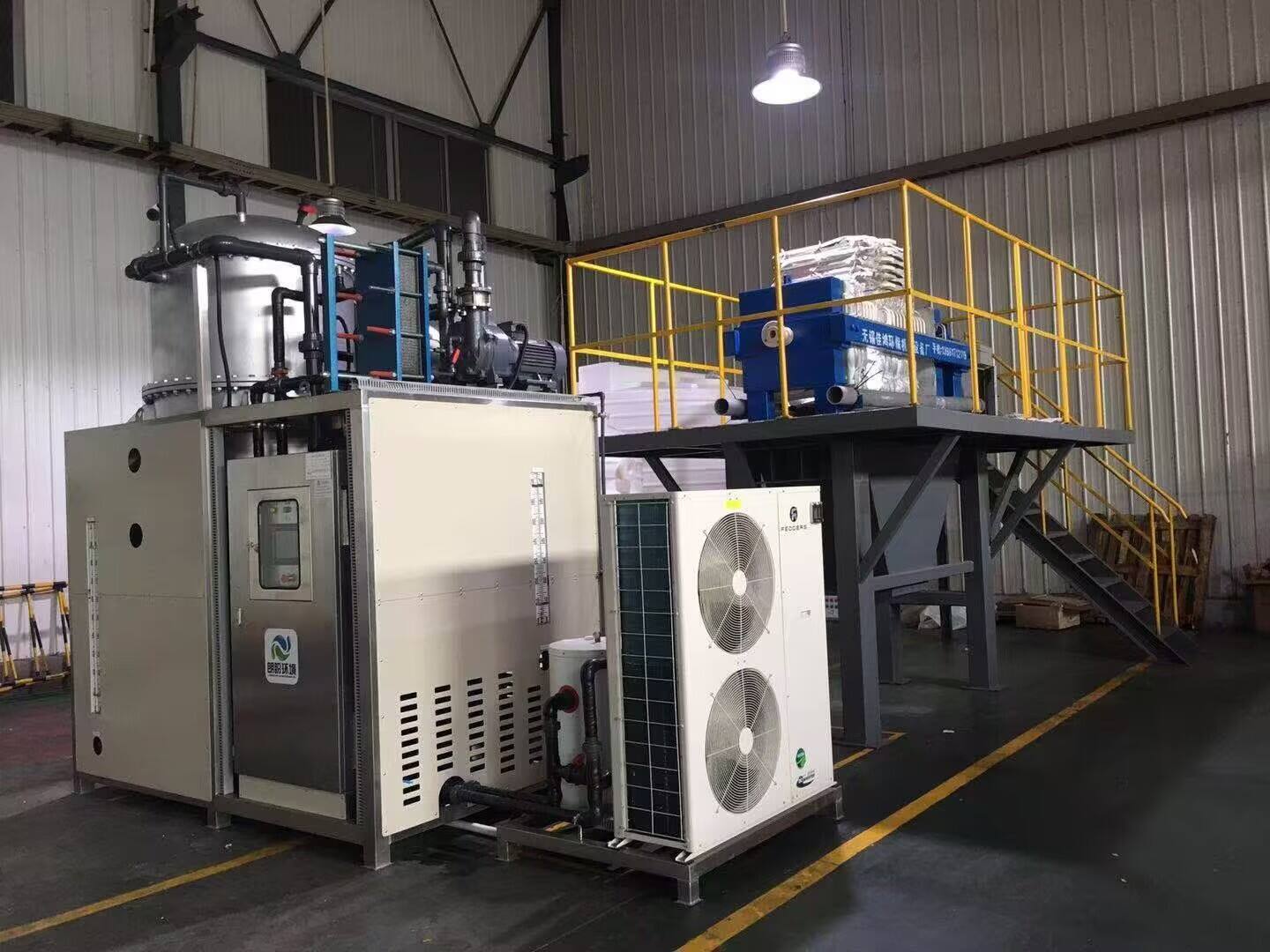
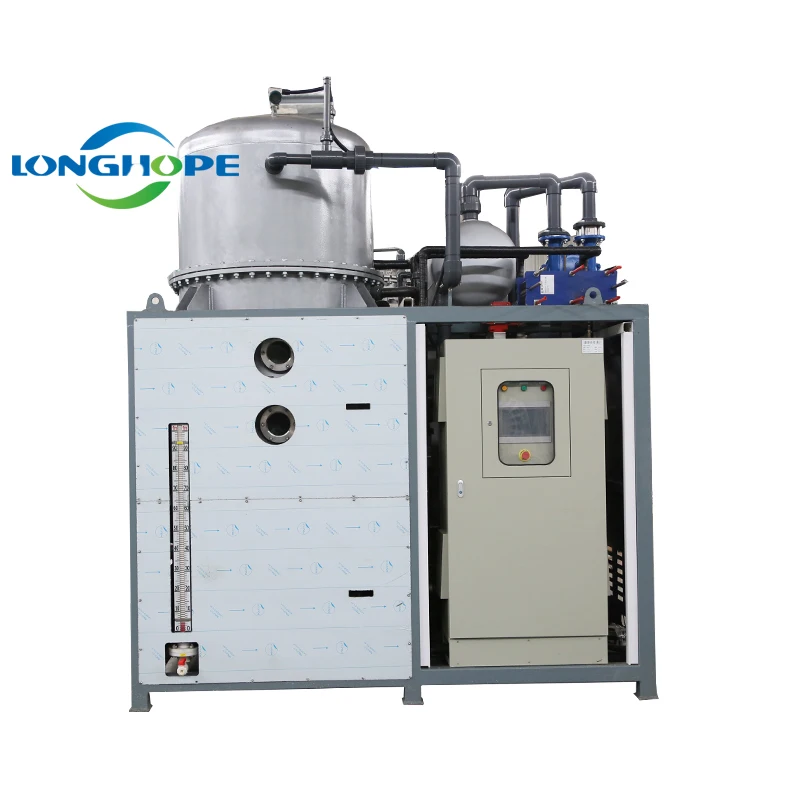
Low temperature vacuum evaporation represents a revolutionary approach to liquid concentration and separation processes across industrial applications. This advanced thermal separation technology operates under reduced atmospheric pressure, enabling water and other solvents to evaporate at significantly lower temperatures than conventional methods. The controlled environment prevents thermal degradation of heat-sensitive materials while achieving exceptional concentration ratios and energy efficiency. Industries worldwide are increasingly adopting this technology for its versatility and cost-effectiveness in handling complex liquid processing challenges.
Pharmaceutical Industry Applications
Active Pharmaceutical Ingredient Concentration
The pharmaceutical sector extensively utilizes low temperature vacuum evaporation for concentrating active pharmaceutical ingredients without compromising their molecular integrity. Heat-sensitive compounds like proteins, vitamins, and complex organic molecules require precise temperature control during processing. Traditional heating methods often lead to degradation, reducing efficacy and creating unwanted byproducts. The vacuum environment allows evaporation at temperatures as low as 30-40°C, preserving the therapeutic properties of pharmaceutical compounds while achieving desired concentration levels.
Manufacturing facilities benefit from reduced energy consumption and enhanced product quality when implementing this technology. The controlled evaporation process eliminates hot spots and thermal stress, ensuring uniform concentration throughout the batch. Pharmaceutical companies report significant improvements in yield and purity when switching from conventional concentration methods to vacuum-assisted processes.
Herbal Extract Processing
Natural product extraction and concentration represent another critical application where low temperature vacuum evaporation excels. Botanical extracts containing volatile compounds, essential oils, and bioactive molecules are particularly sensitive to heat exposure. The gentle processing conditions preserve the therapeutic compounds while removing excess solvents effectively. Traditional herbology practices often involved lengthy air-drying processes, but modern vacuum evaporation systems complete concentration in hours rather than weeks.
Quality control laboratories consistently demonstrate higher retention rates of active compounds when using vacuum evaporation compared to atmospheric distillation. The technology enables pharmaceutical manufacturers to standardize herbal extracts while maintaining their natural potency and bioavailability.
Food and Beverage Processing
Dairy Product Concentration
Dairy processing facilities rely heavily on low temperature vacuum evaporation for concentrating milk, whey proteins, and other dairy-derived products. The technology prevents protein denaturation and maintains nutritional value while achieving target solid concentrations. Milk concentration using vacuum evaporation preserves essential amino acids, vitamins, and minerals that would otherwise degrade under high-temperature processing. Industrial dairy operations can process thousands of gallons per hour while maintaining consistent quality standards.
Energy efficiency becomes particularly important in large-scale dairy processing, where steam consumption directly impacts operating costs. Vacuum evaporation systems typically reduce energy requirements by 30-40% compared to conventional evaporators, making them economically attractive for continuous production facilities. The gentle processing conditions also extend product shelf life by minimizing thermal damage to protein structures.
Fruit Juice and Beverage Concentration
The beverage industry extensively employs low temperature vacuum evaporation for concentrating fruit juices, natural flavors, and specialty beverages without losing volatile aromatics. Fresh fruit juices contain delicate flavor compounds that easily volatilize at elevated temperatures, resulting in bland concentrated products. The reduced pressure environment allows water removal while retaining the natural taste profile and nutritional content of the original juice.
Commercial juice processing facilities achieve concentration ratios of 6:1 or higher while preserving vitamin C, natural sugars, and aromatic compounds. The technology enables year-round availability of seasonal fruit flavors by concentrating fresh juices during peak harvest periods. Storage and transportation costs decrease significantly when shipping concentrated products instead of full-strength juices.
Chemical and Petrochemical Industries
Solvent Recovery and Recycling
Chemical manufacturing processes generate substantial volumes of contaminated solvents that require purification and recovery. Low temperature vacuum evaporation provides an economical solution for reclaiming valuable solvents while meeting environmental regulations. The controlled evaporation process separates contaminants from reusable solvents without degrading their chemical properties. Industries processing temperature-sensitive chemicals particularly benefit from the reduced thermal stress during recovery operations.
Solvent recovery systems utilizing vacuum evaporation typically achieve purity levels exceeding 99%, making recovered solvents suitable for reuse in production processes. The technology reduces waste disposal costs while creating a sustainable circular economy within chemical manufacturing facilities. Environmental compliance becomes easier when implementing closed-loop solvent recovery systems based on low temperature vacuum evaporation principles.
Chemical Intermediate Purification
Complex organic synthesis often produces intermediate compounds requiring purification before subsequent reaction steps. Low temperature vacuum evaporation enables gentle purification of reactive intermediates that would decompose under conventional distillation conditions. The reduced pressure environment minimizes polymerization reactions and thermal rearrangements that can occur at elevated temperatures. Research and development laboratories frequently employ this technology for purifying novel compounds during drug discovery and chemical research.
Production-scale chemical synthesis benefits from improved yields and reduced byproduct formation when using vacuum evaporation for intermediate purification. The technology maintains molecular integrity while achieving separation efficiency comparable to traditional methods. Quality control testing consistently shows fewer impurities in products processed using low temperature vacuum evaporation compared to conventional purification techniques.
Wastewater Treatment Applications
Industrial Effluent Concentration
Industrial wastewater treatment represents one of the fastest-growing applications for low temperature vacuum evaporation technology. Manufacturing facilities generate contaminated water streams containing dissolved salts, organic compounds, and suspended solids that require concentration before disposal or further treatment. The vacuum evaporation process removes clean water while concentrating contaminants into a smaller volume, reducing disposal costs and environmental impact.
Electronics manufacturing, metal finishing, and chemical processing industries particularly benefit from this approach to wastewater management. The technology enables on-site water recovery, reducing dependency on municipal water supplies while minimizing discharge volumes. Regulatory compliance becomes more manageable when implementing low temperature vacuum evaporation systems for wastewater concentration and treatment.
Zero Liquid Discharge Systems
Environmental regulations increasingly require industrial facilities to achieve zero liquid discharge, eliminating wastewater streams entirely. Low temperature vacuum evaporation serves as a cornerstone technology in comprehensive water treatment systems designed to recover and reuse all process water. The gentle evaporation conditions prevent scaling and fouling that commonly occur in high-temperature evaporators, reducing maintenance requirements and extending operational life.
Mining operations, power generation facilities, and heavy manufacturing industries implement zero liquid discharge systems based on vacuum evaporation technology to meet stringent environmental standards. The recovered water often exceeds quality standards for industrial reuse, creating additional value beyond regulatory compliance. Long-term operational data demonstrates reliable performance and cost-effective operation of these comprehensive water treatment systems.
Biotechnology and Life Sciences
Cell Culture Media Concentration
Biotechnology companies utilize low temperature vacuum evaporation for concentrating cell culture media and biological solutions containing proteins, enzymes, and other biomolecules. Traditional concentration methods often denature proteins and reduce biological activity, making them unsuitable for sensitive applications. The controlled temperature environment preserves enzyme activity and protein structure while achieving desired concentration levels for downstream processing.
Biopharmaceutical manufacturing requires precise control over product quality and consistency, making vacuum evaporation an ideal choice for concentrating therapeutic proteins and monoclonal antibodies. The technology enables scalable production from laboratory research through commercial manufacturing while maintaining product integrity. Quality assurance testing confirms superior retention of biological activity compared to alternative concentration methods.
Fermentation Product Recovery
Industrial biotechnology processes rely on fermentation to produce valuable compounds like amino acids, organic acids, and specialty chemicals. Low temperature vacuum evaporation enables efficient recovery and concentration of fermentation products without thermal degradation. The gentle processing conditions preserve the molecular structure of heat-sensitive biologics while removing excess water and organic solvents used in extraction processes.
Commercial fermentation facilities achieve higher product yields and improved purity when implementing vacuum evaporation for product recovery. The technology integrates seamlessly with existing bioprocessing equipment, enabling continuous operation and automated control. Economic analysis consistently demonstrates favorable returns on investment when upgrading from conventional concentration methods to low temperature vacuum evaporation systems.
FAQ
What makes low temperature vacuum evaporation more efficient than conventional methods
Low temperature vacuum evaporation operates under reduced atmospheric pressure, allowing liquids to boil and evaporate at significantly lower temperatures than normal atmospheric conditions. This reduced temperature requirement prevents thermal degradation of heat-sensitive materials while consuming less energy than conventional heating methods. The controlled environment also enables more precise temperature control and uniform processing throughout the system, resulting in higher product quality and consistency.
How does vacuum evaporation prevent product degradation during processing
The reduced pressure environment in vacuum evaporation systems lowers the boiling point of water and solvents, enabling evaporation at temperatures that are safe for sensitive compounds. Heat-sensitive materials like proteins, vitamins, and pharmaceutical compounds maintain their molecular structure and biological activity when processed at temperatures below their degradation threshold. This gentle processing approach preserves product quality while achieving effective concentration and purification.
What energy savings can be expected from implementing vacuum evaporation technology
Industrial facilities typically realize energy savings of 30-50% when switching from conventional evaporation to low temperature vacuum evaporation systems. The reduced temperature requirements directly translate to lower steam and heating costs, while improved heat recovery systems further enhance energy efficiency. Many installations achieve payback periods of less than two years through reduced utility costs and improved product yields, making the technology economically attractive for continuous production operations.
Which industries benefit most from low temperature vacuum evaporation applications
Pharmaceutical manufacturing, food and beverage processing, chemical production, and biotechnology industries derive the greatest benefits from low temperature vacuum evaporation technology. These sectors frequently handle heat-sensitive materials that require gentle processing conditions to maintain product quality and efficacy. Wastewater treatment applications across all industries also benefit significantly from the technology's ability to concentrate contaminants while recovering clean water for reuse, supporting environmental compliance and sustainability goals.
Table of Contents
- Pharmaceutical Industry Applications
- Food and Beverage Processing
- Chemical and Petrochemical Industries
- Wastewater Treatment Applications
- Biotechnology and Life Sciences
-
FAQ
- What makes low temperature vacuum evaporation more efficient than conventional methods
- How does vacuum evaporation prevent product degradation during processing
- What energy savings can be expected from implementing vacuum evaporation technology
- Which industries benefit most from low temperature vacuum evaporation applications