
 EN
EN
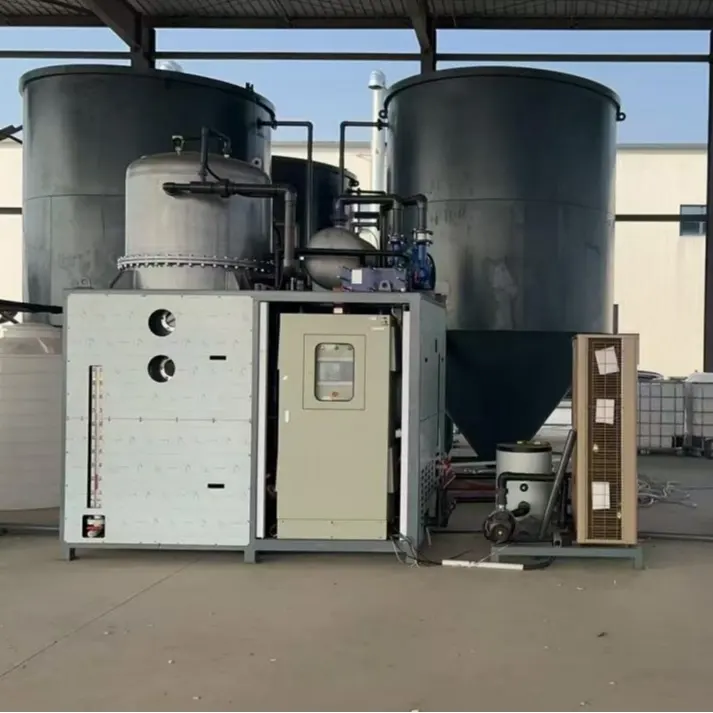
Selecting an evaporator system for your industrial plant is one of the most critical decisions you will make in your facility's operational strategy. An evaporator system directly impacts energy consumption, product quality, waste management efficiency, and overall production cost. The wrong choice can lead to excessive operational expenses, equipment downtime, and suboptimal performance across your entire manufacturing process. Understanding how to evaluate and choose the right evaporator system requires careful analysis of your plant's unique requirements, production volume, and long-term sustainability goals.
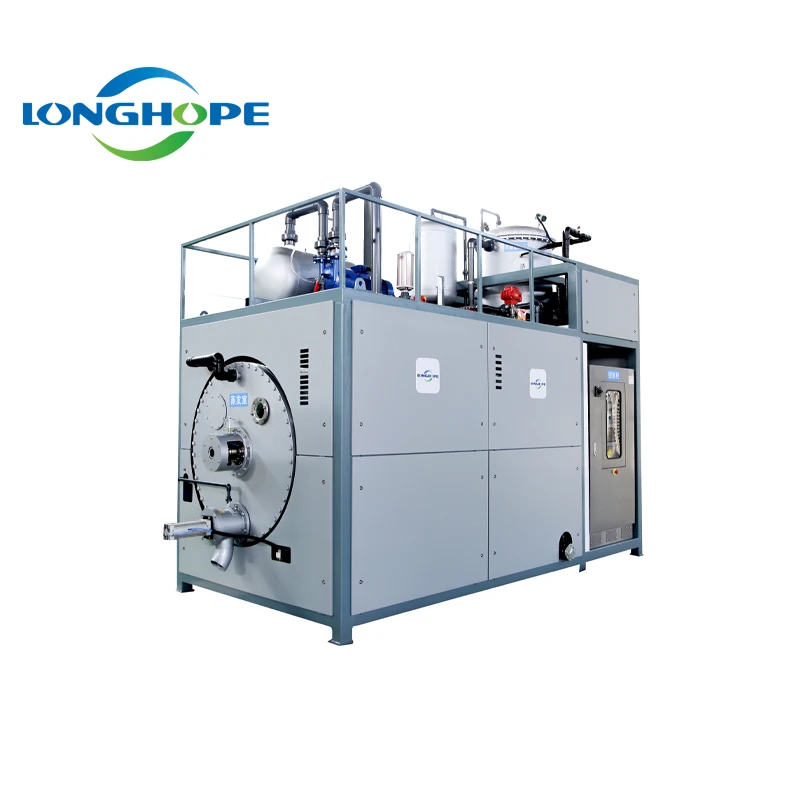
The industrial landscape has evolved significantly, and modern evaporator system technology now offers unprecedented flexibility and efficiency gains. Whether you operate in chemical processing, food and beverage manufacturing, pharmaceutical production, or waste treatment, the right evaporator system can transform your operational metrics. This guide walks you through the essential criteria for evaluating an evaporator system, understanding different technology types, and making an informed decision that aligns with your plant's capacity and financial objectives.
Understanding Your Plant's Evaporator System Needs
Assessing Production Volume and Capacity Requirements
The first step in choosing an evaporator system is determining your plant's actual evaporation capacity. This involves calculating the volume of liquid that must be processed daily, weekly, or monthly, depending on your production cycle. An undersized evaporator system will create bottlenecks and require extended processing times, while an oversized evaporator system wastes energy and increases capital investment unnecessarily. Your chosen evaporator system must match your current production demands while allowing for reasonable future growth without forcing premature replacement.
Different manufacturing sectors have vastly different evaporation profiles. A pharmaceutical manufacturer requiring precise batch control needs a very different evaporator system than a waste treatment facility processing continuous flows. You should document your peak processing requirements, average daily volumes, and seasonal variations before evaluating any evaporator system options. This baseline data ensures that your evaporator system selection aligns with realistic operational demands rather than theoretical capacity numbers.
Analyzing Feedstock Characteristics and Product Requirements
The composition of the liquid you need to process fundamentally shapes your evaporator system requirements. Corrosive solutions, high-viscosity materials, heat-sensitive compounds, and solutions containing scale-forming salts all demand specific evaporator system designs and materials. An evaporator system designed for gentle processing of pharmaceutical solutions will perform poorly with aggressive industrial chemicals. Similarly, an evaporator system optimized for thin liquids may fail when processing viscous concentrates or solutions with high mineral content.
Your target end product also influences evaporator system selection. If your goal is complete solvent recovery, you need an evaporator system with condensation and collection capabilities. If you aim to recover crystalline solids, your evaporator system must include integrated crystallization sections and specialized discharge mechanisms. The quality specifications for your output liquid—purity, concentration level, temperature sensitivity—should all be documented before you begin evaluating any evaporator system technology.
Evaluating Evaporator System Technology Options
Comparing Traditional and Advanced Evaporator System Designs
The market offers multiple evaporator system technologies, each with distinct advantages and operational characteristics. Falling-film evaporator systems work well for heat-sensitive materials because liquid exposure to heat is minimized through rapid flow patterns. Forced-circulation evaporator systems excel at handling viscous or scale-forming solutions by maintaining turbulent flow that prevents buildup. Plate evaporator systems provide compact design and excellent heat transfer efficiency, making them ideal for space-constrained facilities. Your specific evaporator system choice should reflect your feedstock characteristics and processing constraints.
Modern vacuum evaporator systems operate at reduced temperatures by lowering pressure inside the chamber, which protects temperature-sensitive compounds while reducing energy input. This vacuum evaporator system approach is particularly valuable in pharmaceutical, food, and specialty chemical manufacturing. However, a vacuum evaporator system requires more sophisticated equipment and controls than atmospheric alternatives. The decision between a traditional evaporator system and a vacuum evaporator system must account for both capital costs and long-term energy savings potential.
Energy Efficiency Considerations in Evaporator System Selection
Energy consumption represents the largest ongoing operational cost for any evaporator system. Multi-effect evaporator systems, where vapor from one stage heats the next stage, reduce energy requirements by 50 to 80 percent compared to single-effect designs. A modern multi-effect evaporator system costs more upfront but delivers substantial savings over its operational lifetime. Mechanical vapor recompression evaporator systems use a compressor to increase vapor pressure for reuse, offering the lowest energy intensity available in contemporary evaporator system technology.
When evaluating an evaporator system's energy profile, request detailed steam consumption data, electrical power requirements, and cooling water needs. Calculate the energy cost per unit of evaporation across different evaporator system technologies, then compare against your facility's energy rates. An evaporator system that appears expensive initially may deliver superior financial performance over five to ten years through reduced utility bills and maintenance expenses.
Critical Factors for Successful Evaporator System Implementation
Materials of Construction and Durability
The materials your evaporator system is constructed from directly determine its lifespan and maintenance requirements. Stainless steel evaporator systems resist corrosion and maintain sanitary standards, making them suitable for food and pharmaceutical applications. Carbon steel with specialized coatings may suffice for less aggressive applications while reducing capital cost. Titanium or nickel-alloy evaporator systems become necessary when processing highly corrosive solutions, though this investment is substantial. Your evaporator system material specification should match your feedstock chemistry to minimize corrosion rates and extend equipment life.
Internal design features also impact durability and serviceability. An evaporator system with accessible heat transfer surfaces simplifies cleaning and scale removal. Tube material selection within your evaporator system affects fouling rates and heat transfer efficiency over time. Request detailed information about how the evaporator system manufacturer handles maintenance access, tube cleaning procedures, and replacement component availability before committing to purchase.
Integration with Existing Plant Infrastructure
Your chosen evaporator system must integrate seamlessly with existing equipment, utility systems, and control architecture. Space constraints may eliminate certain evaporator system designs regardless of technical merit. Steam pressure availability at your facility may eliminate some evaporator system options while making others optimal. An evaporator system requiring specialized cooling water treatment cannot be implemented if your cooling infrastructure cannot deliver those specifications. Before finalizing an evaporator system selection, verify that utility connections, drainage systems, and structural support can accommodate the equipment without extensive plant modifications.
Control system compatibility deserves careful attention when choosing an evaporator system. Modern plants operate increasingly automated processes, so your evaporator system should integrate with existing SCADA systems, data logging requirements, and remote monitoring capabilities. Legacy evaporator system designs that require constant manual adjustment create operational friction in modern facilities. Ensure your evaporator system vendor can provide the connectivity and automation features your production environment demands.
FAQ
What is the typical payback period for investing in a high-efficiency evaporator system?
Payback periods vary significantly based on energy costs, processing volume, and technology selection. An energy-efficient evaporator system in a high-volume facility with elevated energy rates may achieve payback in three to five years, while lower-volume operations might require seven to ten years. Multi-effect and vapor recompression evaporator systems typically deliver faster payback than single-effect designs due to superior energy performance. Calculate the annual energy savings specific to your facility and operating costs to determine realistic payback timelines for your evaporator system investment.
Can an existing evaporator system be retrofitted with new technology?
Retrofitting an existing evaporator system with modern components is sometimes possible but requires careful engineering assessment. Structural modifications may be necessary to accommodate new heat exchange surfaces, controls, or vapor handling equipment in an older evaporator system. In many cases, a complete replacement evaporator system proves more cost-effective than extensive retrofitting. Consult with evaporator system engineers to evaluate whether your existing equipment can be upgraded or whether new installation represents better long-term value for your facility.
How do environmental regulations influence evaporator system selection?
Modern environmental standards increasingly affect evaporator system design, material selection, and operational procedures. Many regulations limit vapor emissions and require condensation equipment on evaporator systems, which impacts capital and operational costs. Waste disposal requirements for concentrated residue from your evaporator system may influence which technology you select. Verify that any evaporator system you consider meets applicable environmental regulations in your jurisdiction and can handle regulatory changes anticipated during the equipment's useful life.