
 EN
EN
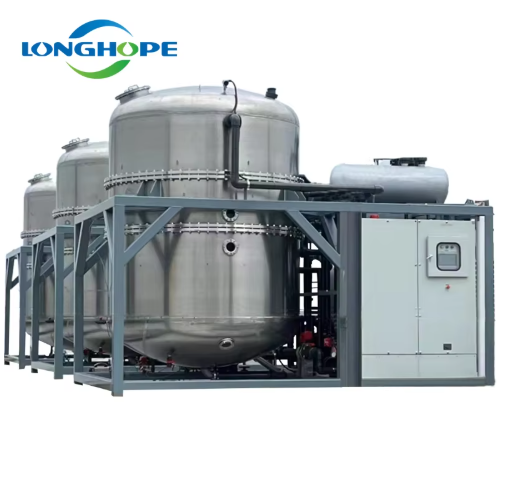
Industrial operations consume significant energy, and equipment efficiency directly impacts profitability. A low temperature heat pump evaporator represents a transformative approach to reducing energy expenditure while maintaining operational performance. Unlike conventional evaporators that rely solely on compressor power, this specialized equipment leverages heat pump technology to capture and recycle waste thermal energy, dramatically lowering the overall power demand. Organizations across chemical processing, food production, pharmaceutical manufacturing, and waste management sectors have discovered that upgrading to a low temperature heat pump evaporator system can cut energy costs by 30 to 50 percent while simultaneously improving product quality and environmental compliance.
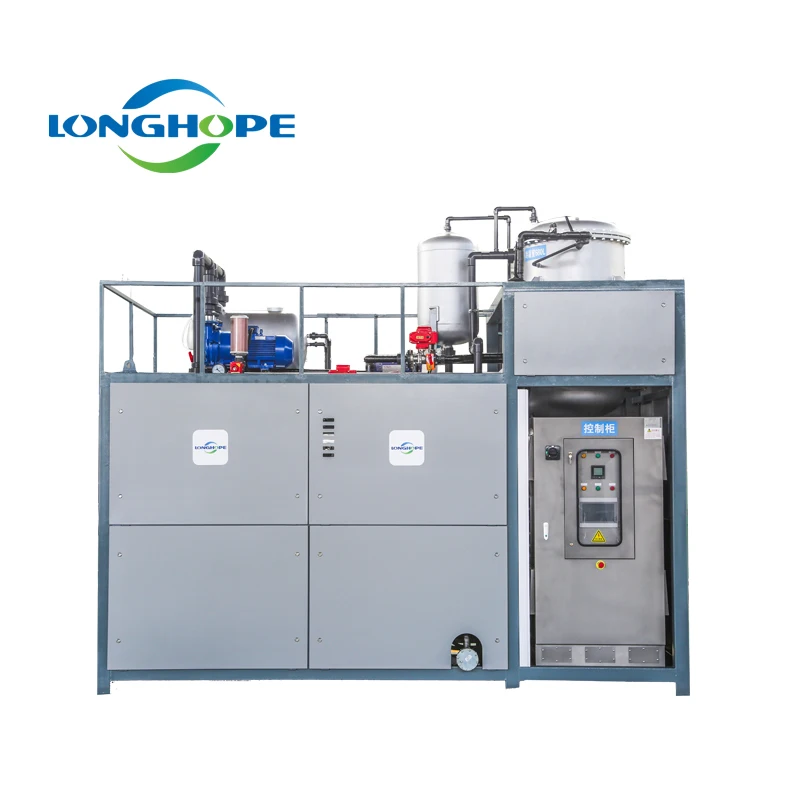
The fundamental value proposition of a low temperature heat pump evaporator lies in its thermodynamic efficiency. Traditional evaporators consume large quantities of steam or electric heating to separate moisture from concentrates and solutions. A low temperature heat pump evaporator, by contrast, operates at reduced temperatures through mechanical vapor recompression and heat recovery cycles. This means less thermal energy input is required to achieve the same evaporation results, translating directly into measurable cost reduction on utility bills. Beyond immediate financial benefits, this technology enhances process stability, extends equipment lifespan, and reduces environmental impact—making it an increasingly critical investment for cost-conscious manufacturers.
Energy Efficiency Mechanism of Low Temperature Heat Pump Evaporator Systems
How Heat Pump Evaporators Reduce Energy Consumption
A low temperature heat pump evaporator operates on the principle of heat recovery and reuse rather than simple energy input and discharge. The system captures latent heat from vapor produced during evaporation, compresses it to a higher temperature, and reintroduces it to the evaporation chamber. This closed-loop recycling of thermal energy eliminates the waste characteristic of traditional systems. Most conventional evaporators expel heated vapor to the environment; a low temperature heat pump evaporator instead converts that vapor into additional heating capacity. The result is dramatically lower power consumption per kilogram of water evaporated, often achieving specific energy consumption levels 40 to 50 percent below industry standard equipment.
The mechanical vapor recompression cycle within a low temperature heat pump evaporator is the key to its efficiency advantage. Compressors lift the pressure and temperature of evaporated vapor, allowing it to condense and release heat into the solution being concentrated. This integrated heat exchange eliminates the need for external steam supply or large heating banks. For facilities processing high-volume liquid streams—such as pharmaceutical waste concentrate, food processing byproducts, or chemical process solutions—the cumulative energy savings compound dramatically. A low temperature heat pump evaporator sized for 10,000 liters per day can reduce annual electricity costs by tens of thousands of dollars compared to conventional alternatives.
Low Temperature Operation and Process Stability Benefits
The name 'low temperature heat pump evaporator' reflects its ability to perform evaporation at temperatures significantly below boiling point. Most operate between 40 and 60 degrees Celsius, compared to 100 degrees or higher for steam-heated evaporators. This reduced thermal stress protects sensitive compounds from heat damage, making a low temperature heat pump evaporator ideal for pharmaceutical, food, and biochemical applications where product integrity is paramount. Heat-sensitive ingredients, vitamins, enzymes, and flavor compounds remain stable under gentle thermal conditions. The improved product quality often justifies the capital investment in a low temperature heat pump evaporator independent of energy savings alone.
Operating at reduced temperatures also extends the service life of a low temperature heat pump evaporator system. Lower thermal stress on seals, gaskets, evaporator tubes, and structural materials means fewer maintenance interventions and reduced replacement cycles. Corrosion rates decline substantially when metal surfaces are exposed to lower temperatures and reduced scale formation occurs naturally. Industrial facilities report that a properly maintained low temperature heat pump evaporator can operate for 15 to 20 years with standard maintenance, whereas conventional evaporators may require major component replacement every 8 to 12 years.
Cost Analysis and Return on Investment for Low Temperature Heat Pump Evaporator Installation
Capital Investment and Operational Payback Timeline
The capital cost of a low temperature heat pump evaporator system typically exceeds that of conventional evaporators by 25 to 40 percent. However, this higher upfront expense is offset by substantial operational savings that materialize immediately upon installation. For most industrial applications processing between 5,000 and 20,000 liters daily, the payback period for a low temperature heat pump evaporator investment ranges from 2 to 4 years. Energy cost reductions alone often justify the premium, and when combined with extended equipment life, reduced maintenance, and improved product yield, the total return strengthens considerably. Facilities operating continuously—particularly 24/7 operations—see payback within 18 to 24 months.
The precise financial case for a low temperature heat pump evaporator depends on four primary factors: current energy rates, evaporation volume, hours of operation, and the cost differential between the new system and existing equipment replacement. In regions with high electricity tariffs—particularly industrial areas where rates exceed $0.12 per kilowatt-hour—a low temperature heat pump evaporator delivers accelerated returns. A pharmaceutical manufacturer processing 15,000 liters daily at $0.14 per kilowatt-hour can expect energy savings exceeding $180,000 annually. Over a 10-year system lifetime, cumulative savings exceed $1.5 million, representing exceptional return on a $300,000 to $400,000 capital investment.
Hidden Cost Reductions Beyond Direct Energy Savings
While energy cost reduction is the headline benefit, a low temperature heat pump evaporator generates substantial secondary cost advantages that many operators initially overlook. Maintenance labor decreases significantly because the gentler operating conditions reduce component failure rates and simplify troubleshooting. Parts replacement intervals extend, and supply costs decline accordingly. A low temperature heat pump evaporator also reduces water consumption because the condensed vapor is typically recycled back into the process, minimizing fresh water demand. For water-stressed facilities, this conservation translates into reduced municipal water charges and wastewater treatment fees.
Environmental compliance costs also decrease when upgrading to a low temperature heat pump evaporator. Many jurisdictions impose carbon taxes or efficiency mandates that penalize high-energy industrial equipment. A low temperature heat pump evaporator helps facilities achieve emissions reduction targets, avoid regulatory fines, and sometimes qualify for government incentive programs. In some regions, energy efficiency upgrades like a low temperature heat pump evaporator installation attract tax credits, accelerated depreciation, or rebate funding that further reduces net implementation cost.
Industry Applications and Suitability Assessment for Low Temperature Heat Pump Evaporator Systems
Chemical Processing and Waste Stream Concentration
Chemical manufacturers have emerged as early adopters of low temperature heat pump evaporator technology. The ability to concentrate process solutions, recover solvents, and minimize waste streams while reducing energy consumption aligns perfectly with circular economy principles and cost reduction mandates. A low temperature heat pump evaporator excels at concentrating dilute acidic or alkaline streams, separating water from chemical residues, and recovering valuable dissolved solids. Electroplating shops, metal finishing facilities, and chemical waste processors benefit tremendously from the efficiency and environmental advantages. The lower operating temperature protects reactive chemicals from decomposition while the heat recovery mechanism ensures minimum utility consumption.
Pharmaceutical waste management represents another critical application domain for low temperature heat pump evaporator systems. Pharmaceutical manufacturers must dispose of mother liquors, process residues, and contaminated wash waters in compliance with strict environmental standards. A low temperature heat pump evaporator allows these waste streams to be concentrated to recoverable solids, dramatically reducing disposal volume and associated costs. The gentle thermal treatment preserves the integrity of pharmaceutical residues, preventing unwanted chemical reactions and ensuring disposal compliance.
Food and Beverage Processing Applications
Food processing facilities—particularly juice concentrate, dairy processing, and specialty ingredient producers—have achieved exceptional results with low temperature heat pump evaporator installations. The preservation of flavor, color, and nutritional value during concentration is critical for product quality and marketability. A low temperature heat pump evaporator operates at temperatures that protect these attributes while achieving the required concentration ratios. Dairy evaporation, fruit juice concentration, and whey protein recovery all depend on precise thermal management that a low temperature heat pump evaporator delivers reliably.
Beverage manufacturers also benefit from the consistent performance and reduced energy footprint of a low temperature heat pump evaporator. Energy cost reduction per unit of product becomes a competitive advantage in commodity beverage markets where margin pressure is intense. The extended equipment life and reduced maintenance also appeal to production managers focused on operational reliability and schedule adherence. For facilities integrating sustainability into brand positioning, the environmental advantages of a low temperature heat pump evaporator represent tangible proof of operational commitment.
Selecting and Implementing a Low Temperature Heat Pump Evaporator for Maximum Cost Benefit
Capacity Sizing and Process Integration Considerations
Proper sizing of a low temperature heat pump evaporator is essential to achieving projected cost reductions and operational benefits. Undersized systems create production bottlenecks that negate efficiency advantages; oversized systems waste capital and consume excess power. The correct sizing depends on evaporation rate requirements, feed liquid properties, desired concentration ratios, and available floor space. Most equipment vendors recommend analyzing 12 months of operational data—evaporation volumes, ambient conditions, product batch characteristics—before specifying a low temperature heat pump evaporator. This detailed assessment ensures the selected capacity matches actual production demand while accommodating future growth.
Integration with existing process infrastructure requires careful planning to maximize benefits. A low temperature heat pump evaporator connects to feed tanks, product recovery systems, and utility lines. Optimizing piping, insulation, and heat exchange surfaces ensures that theoretical efficiency gains convert to real-world cost reductions. Facilities should also evaluate whether feed preheating, vapor compression staging, or condensate recovery integration can enhance the performance of a low temperature heat pump evaporator installation. These secondary optimizations often increase total cost savings by 10 to 20 percent beyond baseline estimates.
Operational Performance Monitoring and Maintenance Requirements
Maximizing the return from a low temperature heat pump evaporator investment requires systematic performance monitoring and preventive maintenance. Energy consumption metrics, evaporation rates, product quality indicators, and equipment run-time should be tracked continuously. Deviations from expected performance often signal minor maintenance needs—compressor bearing wear, heat exchanger fouling, or control system drift—that can be addressed before becoming major problems. A well-maintained low temperature heat pump evaporator consistently delivers projected energy savings and reliability.
Standard maintenance for a low temperature heat pump evaporator includes periodic compressor oil analysis, heat exchanger cleaning, seal inspection, and refrigerant system checks. Most manufacturers recommend annual or biennial preventive maintenance intervals depending on operating hours. Trained technicians familiar with heat pump systems should perform this work to ensure the low temperature heat pump evaporator continues functioning at peak efficiency. Many facilities contract with equipment vendors for service support, ensuring specialized expertise and original component availability.
FAQ
What specific energy cost reductions can we expect from installing a low temperature heat pump evaporator?
The energy cost reduction from a low temperature heat pump evaporator typically ranges from 30 to 50 percent compared to conventional evaporators, depending on operating parameters and facility conditions. For a facility processing 10,000 liters daily at average industrial electricity rates, annual energy savings often exceed $100,000 to $150,000. The payback period generally ranges from 2 to 4 years, after which operational cost benefits accumulate toward facility profitability. Facilities with high-volume processing, continuous 24/7 operations, or high regional electricity rates often see returns within 18 to 24 months.
Is a low temperature heat pump evaporator suitable for all types of liquid processing applications?
A low temperature heat pump evaporator works well for most aqueous solutions and many organic liquid streams, but suitability depends on fluid properties and processing requirements. The system performs exceptionally well with heat-sensitive products like pharmaceuticals, dairy, and specialty foods where product quality preservation is essential. It also handles corrosive industrial solutions, waste streams requiring concentration, and applications where energy efficiency is prioritized. However, certain specialized applications—such as extremely high-temperature evaporation or processing highly fouling liquids—may require alternative equipment. Consultation with equipment engineers ensures the low temperature heat pump evaporator selection matches specific operational needs.
What maintenance demands does a low temperature heat pump evaporator system impose on our operation?
A low temperature heat pump evaporator requires less maintenance than conventional evaporators due to lower operating temperatures and reduced thermal stress on components. Standard maintenance includes annual compressor oil analysis, periodic heat exchanger cleaning, seal inspections, and refrigerant system checks. Total annual maintenance typically costs 2 to 5 percent of the equipment capital investment, substantially lower than conventional evaporator maintenance. Because the low temperature heat pump evaporator operates at gentler thermal conditions, component failure rates decline and replacement intervals extend, reducing long-term ownership costs and operational disruption risk.
Table of Contents
- Energy Efficiency Mechanism of Low Temperature Heat Pump Evaporator Systems
- Cost Analysis and Return on Investment for Low Temperature Heat Pump Evaporator Installation
- Industry Applications and Suitability Assessment for Low Temperature Heat Pump Evaporator Systems
- Selecting and Implementing a Low Temperature Heat Pump Evaporator for Maximum Cost Benefit
-
FAQ
- What specific energy cost reductions can we expect from installing a low temperature heat pump evaporator?
- Is a low temperature heat pump evaporator suitable for all types of liquid processing applications?
- What maintenance demands does a low temperature heat pump evaporator system impose on our operation?