
 EN
EN
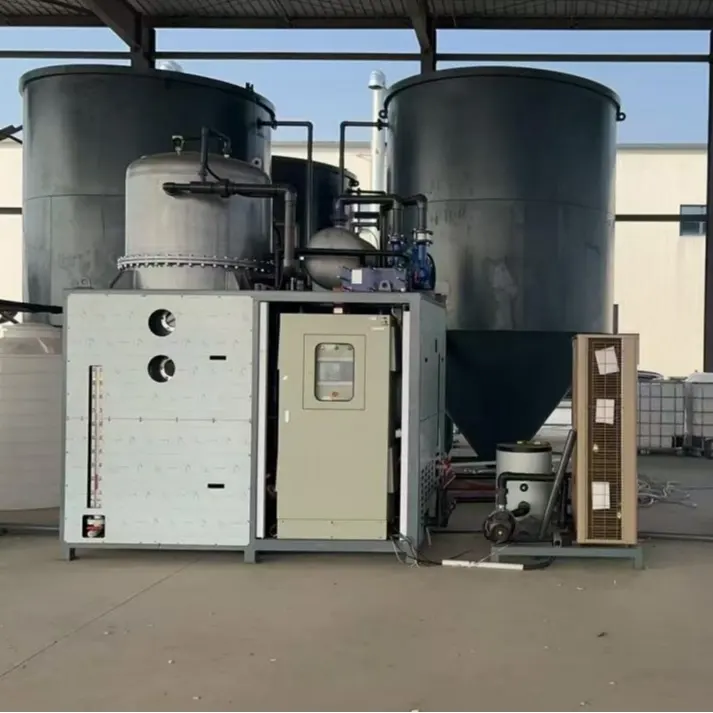
Designing an efficient vacuum distillation setup requires careful attention to equipment selection, operational parameters, and system layout. A properly engineered vacuum distillation setup maximizes separation efficiency while minimizing energy consumption and maintaining product quality. Whether you're operating in pharmaceutical production, chemical synthesis, or food processing, the principles of effective vacuum distillation setup design remain consistent across industries.
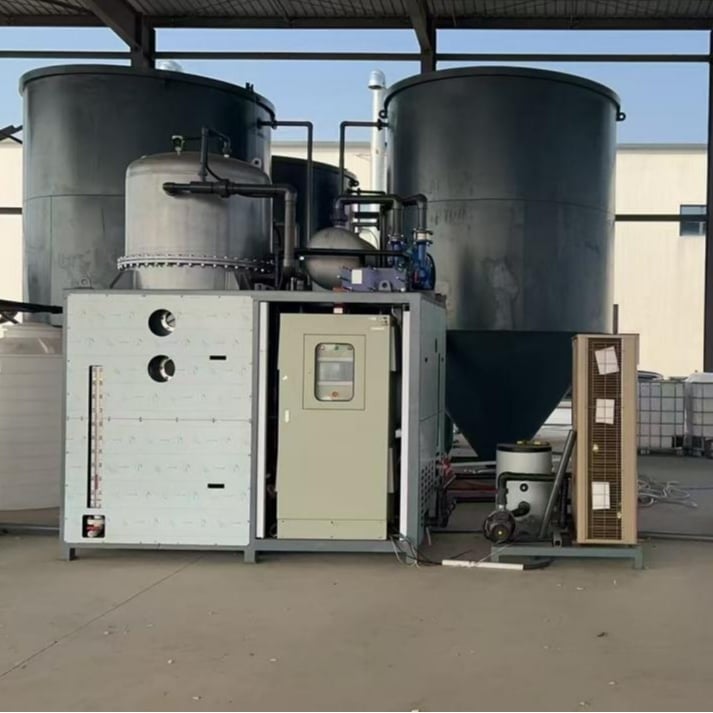
The foundation of any successful vacuum distillation setup begins with understanding your feed material composition, boiling point range, and thermal sensitivity requirements. A well-designed vacuum distillation setup reduces operating pressure to lower boiling points, enabling separation of heat-sensitive compounds that would degrade at atmospheric conditions. This capability makes vacuum distillation setup technology essential for industries requiring gentle separation methods without compromising product integrity or yield.
Core Components of a Vacuum Distillation Setup
Distillation Vessel and Heat Source
The distillation vessel forms the heart of any vacuum distillation setup, and its design directly impacts separation efficiency. Your vacuum distillation setup must include a vessel with appropriate surface area for heat transfer, internal baffles or structured internals to promote uniform liquid distribution, and materials compatible with your specific feedstock. Modern vacuum distillation setup designs often incorporate jacketed vessels for precise temperature control, electric heating elements, or steam injection systems depending on process requirements.
Heat source selection is critical for vacuum distillation setup performance. Electric heating offers precise temperature control ideal for sensitive materials, while steam-based heating provides cost-effective energy in larger-scale vacuum distillation setup applications. The heating system in your vacuum distillation setup must deliver uniform heat distribution without localized hot spots that could cause thermal degradation or fouling on vessel walls.
Vacuum Generation and Control System
An effective vacuum distillation setup requires reliable vacuum generation equipment working in coordination with precise pressure control mechanisms. Rotary vane pumps, screw compressors, or multi-stage vacuum systems represent common choices for creating the reduced-pressure environment essential to vacuum distillation setup operation. Your vacuum distillation setup must maintain operating pressure within tight tolerances to ensure consistent boiling point reduction and predictable separation performance.
Vacuum control instrumentation in a vacuum distillation setup typically includes pressure transmitters, automated valve systems, and pressure relief mechanisms. A well-engineered vacuum distillation setup uses feedback control loops that continuously adjust vacuum level based on real-time pressure readings, enabling stable operation even as feed composition or ambient conditions change. This automated approach to vacuum distillation setup management prevents pressure fluctuations that could compromise separation quality or damage equipment.
Condensation and Vapor Collection Architecture
Condenser Selection for Vacuum Distillation Setup
Condenser design represents a critical design choice in vacuum distillation setup configuration. Surface condensers, often water-cooled, are standard components in modern vacuum distillation setup systems due to their high efficiency and reliability. The condenser in your vacuum distillation setup must handle vapor flow rates consistent with the distillation vessel's vaporization capacity while maintaining condensation efficiency across the expected range of separation conditions.
For an effective vacuum distillation setup, the condenser should be positioned to minimize vapor line length and pressure drop between vessel and condenser. This proximity reduces vapor contact time with cooler surfaces, preventing premature condensation that could impede vacuum distillation setup operation. Advanced vacuum distillation setup designs often incorporate demister elements or vapor straighteners upstream of the condenser to improve separation of entrained liquid droplets from vapor streams.
Distillate and Residue Collection
Collection architecture in a vacuum distillation setup determines product purity and recovery efficiency. Condensed distillate flows into a receiver vessel where light components separate from any residual vapor, a critical feature in vacuum distillation setup design that prevents co-distillation of undesired fractions. Your vacuum distillation setup should include a secondary condenser or total condenser stage to ensure complete vapor condensation before product collection.
Residue handling within your vacuum distillation setup requires dedicated collection equipment with its own valve control and discharge system. A properly designed vacuum distillation setup separates heavy bottoms from the main distillation vessel either continuously or via periodic batch discharge, preventing accumulation that would reduce available boiling surface and compromise vacuum distillation setup efficiency over extended operation periods.
Optimization Parameters and Operational Tuning
Temperature and Pressure Coordination
Success with your vacuum distillation setup depends on precisely coordinating operating temperature with absolute pressure to achieve the separation you need. Lower absolute pressure in your vacuum distillation setup enables lower boiling temperatures, but excessive vacuum can reduce heating efficiency and complicate heat transfer management. The optimal vacuum distillation setup operates at the lowest pressure consistent with acceptable boiling point reduction and heating system capability.
Monitoring both temperature and pressure simultaneously allows real-time adjustment within your vacuum distillation setup. This coordination ensures that your vacuum distillation setup maintains thermal stability while preserving product quality, typically achieved through automated control systems that balance heating intensity with vacuum level. Operator training on these interdependencies proves essential for achieving consistent results from your vacuum distillation setup across multiple batch cycles.
Troubleshooting Common Vacuum Distillation Setup Issues
Pressure creep during operation frequently indicates problems requiring attention in your vacuum distillation setup. This phenomenon typically results from air leakage into the system, condensable vapors accumulating in the vacuum pump, or inadequate pump sizing for your vacuum distillation setup application. Identifying and sealing air entry points through regular maintenance protocols keeps your vacuum distillation setup running at design vacuum levels and maintains separation efficiency.
Fouling on internal surfaces represents another challenge affecting vacuum distillation setup performance over time. Selection of appropriate materials, optimized heating profiles, and periodic cleaning intervals preserve the heat transfer efficiency that makes your vacuum distillation setup effective. Some advanced vacuum distillation setup designs incorporate internal scrapers or mechanical agitation to prevent buildup, extending operating intervals between maintenance shutdowns.
FAQ
What vacuum level is required for an effective vacuum distillation setup?
Required vacuum level depends on your specific material and boiling point targets. A typical vacuum distillation setup operates between 1 to 100 mmHg absolute pressure, with most applications falling in the 5 to 50 mmHg range. Your vacuum distillation setup selection should achieve sufficient boiling point reduction to enable gentle separation while maintaining economic pumping costs and practical system design. Consult material-specific boiling point data to determine the vacuum distillation setup pressure needed for your process.
How does a vacuum distillation setup improve product quality compared to atmospheric distillation?
A vacuum distillation setup lowers boiling temperatures significantly, reducing thermal exposure time for heat-sensitive compounds. This gentle separation in your vacuum distillation setup minimizes degradation, oxidation, and color formation that often occur during conventional atmospheric distillation. Many specialty chemicals, pharmaceuticals, and food products depend on vacuum distillation setup technology to reach market with required purity, potency, and sensory characteristics intact, making this technology essential for temperature-sensitive separations.
What maintenance schedule should I follow for my vacuum distillation setup?
Proper maintenance extends vacuum distillation setup service life and maintains operational efficiency. Check vacuum pump oil and replace according to manufacturer recommendations for your specific vacuum distillation setup model. Inspect all seals, gaskets, and connection points regularly to prevent air leakage into your vacuum distillation setup. Clean the condenser periodically, verify heating element function, and document temperature and pressure readings to track changes in your vacuum distillation setup performance that may indicate developing issues requiring service intervention.