
 EN
EN
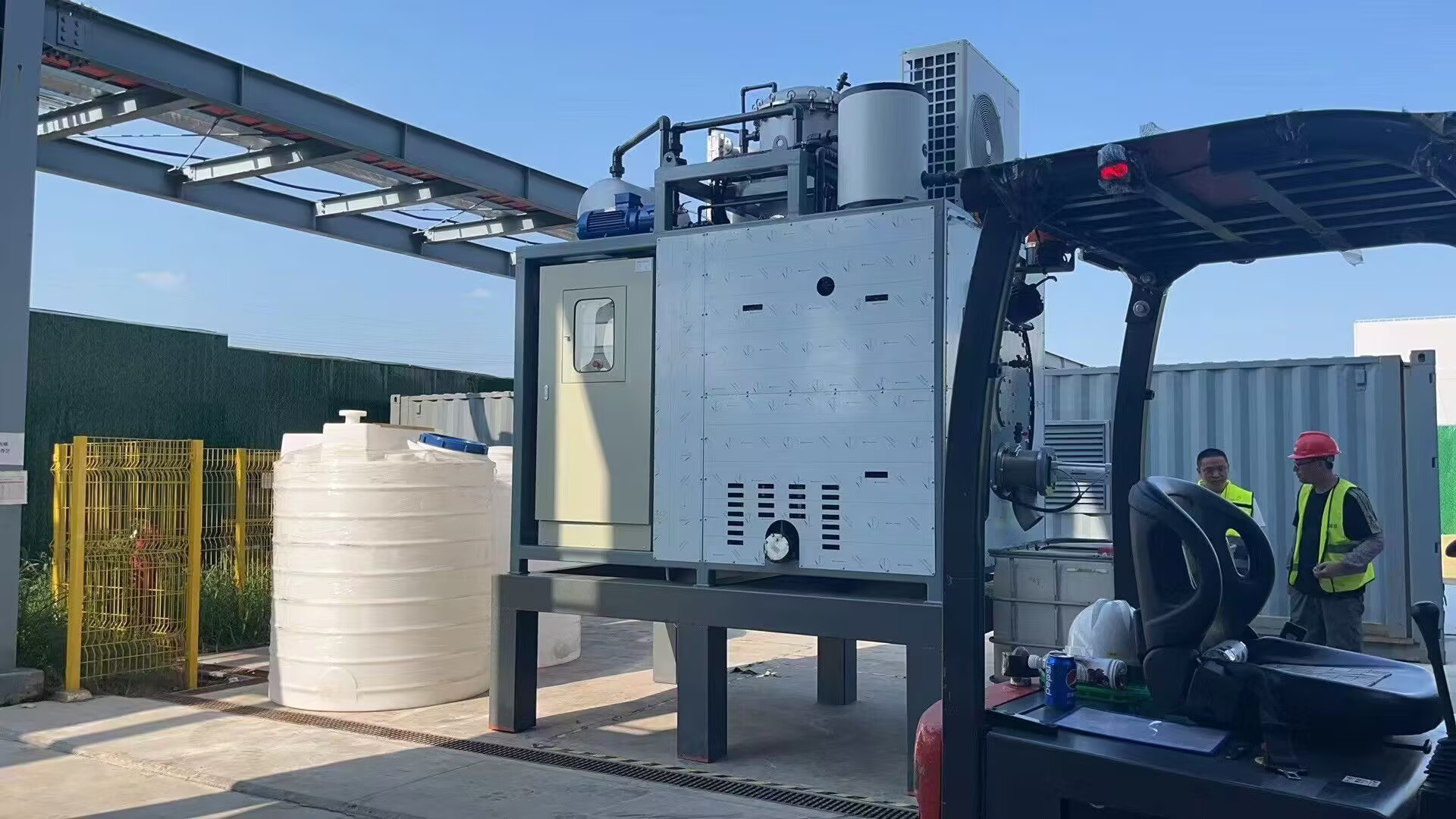
An evaporator system efficiency directly impacts your operational costs, production capacity, and environmental footprint in industrial processing. Whether you operate in chemical manufacturing, food processing, pharmaceutical production, or waste management, understanding how to optimize your evaporator system efficiency is essential for maintaining competitive advantage. The performance of your evaporator system efficiency depends on multiple interconnected factors, from thermal design and operating parameters to maintenance protocols and system configuration.
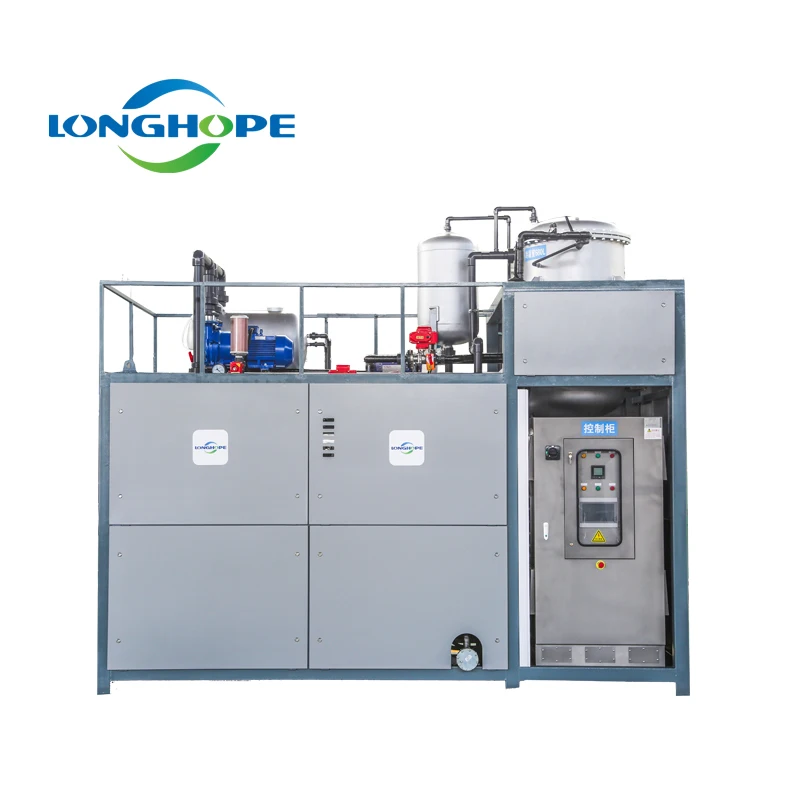
Optimizing your evaporator system efficiency requires a systematic approach that combines equipment selection, operational best practices, and continuous monitoring. Industrial facilities often overlook hidden inefficiencies within their evaporator systems, leading to unnecessary energy waste and higher production costs. By implementing strategic optimization measures, you can significantly enhance your evaporator system efficiency while extending equipment lifespan and reducing maintenance requirements.
Understanding Evaporator System Efficiency Fundamentals
Core Principles of Evaporator System Efficiency
Evaporator system efficiency represents the ratio of useful evaporative output to total energy input required for the process. Your evaporator system efficiency is measured through parameters including steam economy, heat recovery rate, and product concentration achieved per unit of energy consumed. The fundamental science behind evaporator system efficiency involves balancing heat transfer rates, boiling point elevation, and vapor-liquid separation effectiveness. Understanding these core principles allows operators to identify where energy losses occur and implement targeted improvements to boost overall evaporator system efficiency.
Common Efficiency Loss Points in Evaporator Systems
Most industrial evaporator systems experience efficiency degradation through heat losses in piping, suboptimal temperature differentials, and inadequate vapor recovery mechanisms. Scale formation on evaporator system efficiency-critical heat transfer surfaces reduces thermal conductivity by up to forty percent, creating a major drag on performance. Air leakage into vacuum systems, condensate not being properly recovered, and multi-effect evaporator systems operating out of balance further compromise overall evaporator system efficiency. Identifying these specific loss points through systematic assessment is the first step toward meaningful evaporator system efficiency improvement.
Operational Strategies to Enhance Evaporator System Efficiency
Optimizing Temperature and Pressure Control
Precise control of operating temperature and pressure is fundamental to achieving superior evaporator system efficiency. By maintaining optimal temperature differentials between the heating medium and the boiling solution, you maximize evaporator system efficiency while preventing product degradation in heat-sensitive applications. Investing in advanced instrumentation and automated control systems enables real-time adjustment of operating parameters to maintain peak evaporator system efficiency across varying feed conditions and product compositions. Even small reductions in operating temperature, when appropriate for your process, can yield substantial improvements in evaporator system efficiency.
Implementing Multi-Effect and Heat Recovery Systems
Multi-effect evaporator configurations significantly boost evaporator system efficiency by cascading vapor from one effect to provide heating for subsequent effects. This approach can improve evaporator system efficiency by fifty to seventy percent compared to single-effect designs, depending on the number of effects and specific process requirements. Heat recovery systems that capture vapors for preheating incoming feeds or generating low-pressure steam further enhance overall evaporator system efficiency. Forward-feed, backward-feed, and parallel-feed configurations each offer different evaporator system efficiency advantages depending on your specific product characteristics and temperature sensitivity.
Maintenance and System Configuration for Peak Efficiency
Preventive Maintenance Protocols
Regular preventive maintenance directly protects your evaporator system efficiency by preventing scale accumulation and equipment degradation. Scheduled cleaning cycles, using appropriate chemical or mechanical methods, maintain heat transfer surface area and preserve the baseline evaporator system efficiency designed into your equipment. Inspecting seals, gaskets, and vapor lines prevents air infiltration that would undermine vacuum maintenance and reduce evaporator system efficiency. Proactive monitoring of steam consumption, condensate recovery, and vapor flow rates allows early detection of efficiency drift before it significantly impacts overall evaporator system efficiency.
Equipment Selection and System Design
Selecting the right evaporator system efficiency technology begins with accurately assessing your process requirements, feed characteristics, and thermal constraints. Modern low-temperature evaporators and heat pump-assisted systems can deliver exceptional evaporator system efficiency for products sensitive to thermal degradation. The material construction, heat exchanger design, and separation efficiency of your chosen equipment define the maximum achievable evaporator system efficiency for your specific application. When planning new installations or upgrades, consulting with experienced equipment providers ensures your facility invests in solutions that deliver sustained evaporator system efficiency improvements.
FAQ
What specific metrics should I track to measure evaporator system efficiency improvements?
Key performance indicators for tracking evaporator system efficiency include steam economy (kilograms of water evaporated per kilogram of steam supplied), specific energy consumption (kilowatt-hours per kilogram of water evaporated), and overall heat transfer coefficient. Monitor these metrics monthly to establish baseline evaporator system efficiency, then compare against targets after implementing optimization changes. Additionally, track ambient conditions, feed temperature variations, and product quality parameters that influence your measured evaporator system efficiency.
How often should evaporator system efficiency maintenance be performed?
Maintenance frequency for optimizing evaporator system efficiency depends on feed composition, water quality, and operating hours, typically ranging from monthly to quarterly intervals. If your process involves scaling-prone materials or hard water, more frequent cleaning becomes necessary to maintain evaporator system efficiency. Establishing a predictive maintenance program based on actual efficiency monitoring data helps determine optimal maintenance intervals specific to your evaporator system efficiency requirements and operational context.
Can evaporator system efficiency be improved without major equipment replacement?
Yes, significant evaporator system efficiency improvements often result from operational optimization, maintenance improvements, and relatively modest retrofits like better insulation, upgraded instrumentation, and improved vapor recovery systems. Many facilities achieve ten to twenty percent evaporator system efficiency gains through systematic operational changes before considering capital equipment investments. Starting with these lower-cost interventions allows you to evaluate priorities and build the business case for larger evaporator system efficiency upgrades if additional improvements are warranted.