
 EN
EN
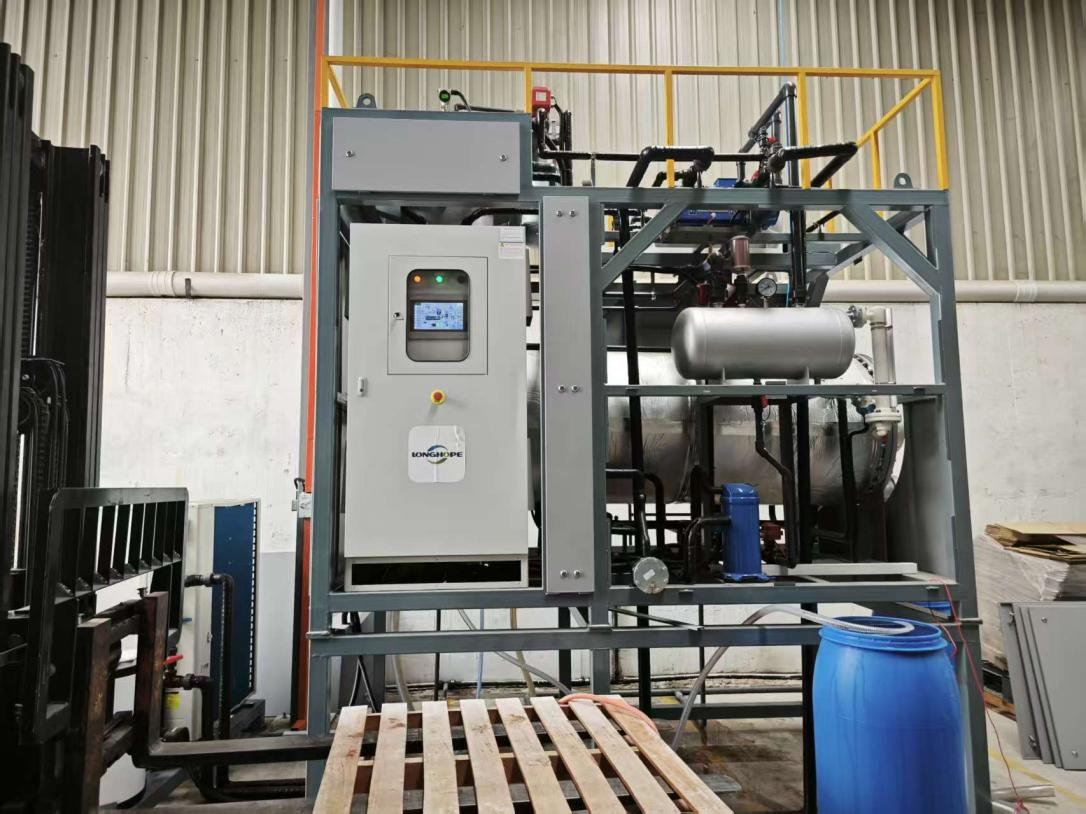
Vacuum distillation applications have become essential across multiple industrial sectors, transforming how manufacturers separate, purify, and concentrate valuable materials. By operating below atmospheric pressure, vacuum distillation applications enable separation at lower temperatures, protecting heat-sensitive compounds while improving energy efficiency and product quality. Understanding where and why vacuum distillation applications deliver the greatest value helps operators and plant managers make informed decisions about their processing strategies and equipment investments.
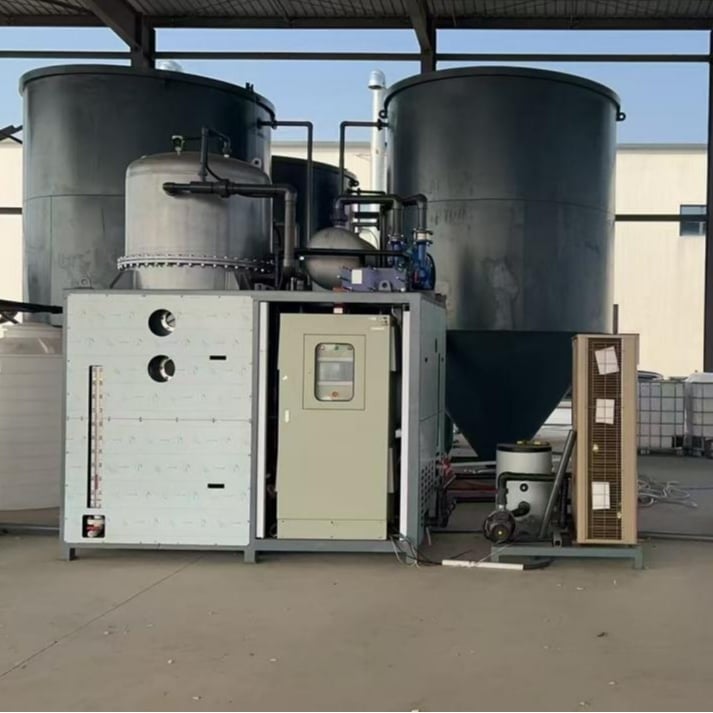
Industrial operators today recognize that vacuum distillation applications represent a critical advantage when precision separation is required. From pharmaceutical production to specialty chemical manufacturing, vacuum distillation applications allow companies to achieve higher purity levels, reduce thermal degradation, and minimize environmental waste. This guide explores five major vacuum distillation applications that define modern industrial processing and reveals why each sector depends on this specialized separation technology.
Pharmaceutical and Fine Chemical Separation
Active Pharmaceutical Ingredient Purification
Vacuum distillation applications in pharmaceutical manufacturing focus on isolating and purifying active pharmaceutical ingredients (APIs) that cannot tolerate standard boiling temperatures. When heat-sensitive molecules are exposed to high temperatures, thermal degradation occurs, reducing efficacy and creating unwanted byproducts. Vacuum distillation applications solve this problem by lowering the boiling point of target compounds, allowing separation at temperatures 50–100°C below normal atmospheric conditions. This capability is essential for antibiotics, antivirals, and hormone-based medications where molecular integrity directly impacts therapeutic effectiveness. Manufacturers using vacuum distillation applications report yield improvements of 10–15% and significantly reduced contamination in final API batches.
Complex Mixture Fractionation
Fine chemical producers rely heavily on vacuum distillation applications to separate complex multi-component mixtures into individual high-purity fractions. Vacuum distillation applications allow precise boiling point control that distinguishes between compounds with minimal volatility differences. For specialty solvents, fragrance precursors, and custom chemical formulations, this precision is commercially critical. Vacuum distillation applications also enable recycling of expensive solvents and reagents by selectively separating used materials from reaction byproducts, improving operational economics and sustainability metrics.
Petroleum Refining and Lubricant Processing
Heavy Crude Oil Fractionation
In petroleum refining, vacuum distillation applications represent the industry's primary method for separating crude oil beyond the capabilities of standard atmospheric distillation towers. After initial atmospheric fractionation, remaining heavy residues contain valuable middle distillates, gas oils, and lubricant base stocks that require lower-temperature separation. Vacuum distillation applications within refinery settings enable economical extraction of these premium products without undesirable thermal cracking. Large integrated refineries operate massive vacuum distillation columns as core infrastructure, processing hundreds of thousands of barrels daily. The vacuum distillation applications used in this sector directly determine refinery profitability and product yield optimization.
Synthetic Lubricant Base Stock Production
Premium synthetic lubricant manufacturers depend entirely on vacuum distillation applications to create consistent, high-performance base stocks for industrial and automotive oils. Vacuum distillation applications allow precise separation of hydrocarbon fractions at exact boiling point ranges, ensuring viscosity index stability and oxidation resistance. Without vacuum distillation applications, manufacturers cannot achieve the thermal stability and performance specifications demanded by modern engine designs and industrial equipment. The investment in advanced vacuum distillation equipment directly correlates with competitive advantage in the synthetic lubricant market.
Food, Beverage, and Specialty Extract Production
Essential Oil and Flavor Compound Concentration
Food and beverage manufacturers use vacuum distillation applications extensively for concentrating essential oils, natural flavors, and aromatic compounds that degrade rapidly at elevated temperatures. Vanilla extract, citrus oils, and botanical essences are all produced commercially using vacuum distillation applications to preserve delicate flavor profiles and natural color. Vacuum distillation applications operated at 40–60°C allow these volatile compounds to separate while minimizing oxidation and polymerization. Producers report that vacuum distillation applications increase recovery rates by 20–30% compared to standard evaporation methods, directly improving product yield and reducing raw material costs. The sensory quality and market value of final extracts depend critically on whether proper vacuum distillation applications are employed during processing.
Nutritional Supplement and Herbal Extract Purification
The nutritional supplement industry increasingly relies on vacuum distillation applications to isolate beneficial phytocompounds from herbal materials while preserving bioactivity. Curcumin from turmeric, polyphenols from plant materials, and specialized antioxidants are all susceptible to thermal damage. Vacuum distillation applications enable manufacturers to concentrate these compounds at temperatures that maintain their health-supporting properties. As consumer demand for natural, bioactive supplements grows, vacuum distillation applications have become a competitive necessity rather than an optional processing method.
Specialty Chemical and Polymer Processing
Monomer Separation and Recycling
Polymer manufacturers employ vacuum distillation applications to separate unreacted monomers, oligomers, and recycled polymer feedstocks for reprocessing. Vacuum distillation applications prevent polymerization and thermal crosslinking that would occur if standard distillation were applied to heat-sensitive monomer mixtures. This capability enables circular economy practices where off-specification or post-consumer polymer materials are recovered and reprocessed into virgin-quality feedstock. Vacuum distillation applications in this context reduce raw material consumption and manufacturing costs while supporting corporate sustainability objectives.
Resin and Adhesive Component Concentration
Specialty resin and adhesive manufacturers use vacuum distillation applications to remove volatile organic compounds (VOCs) and concentrate active resin components without causing premature cross-linking or degradation. Epoxy resins, polyurethane precursors, and phenolic resins all require vacuum distillation applications during manufacturing to achieve target viscosity and cure characteristics. The thermal precision that vacuum distillation applications provide ensures consistent product performance and reduces batch-to-batch variability that would otherwise compromise final application performance.
Environmental Remediation and Waste Treatment
Contaminated Solvent Recovery
Industrial facilities generate substantial quantities of contaminated solvents during manufacturing operations. Vacuum distillation applications enable cost-effective recovery and purification of these solvents, reducing disposal expenses and raw material purchases simultaneously. Vacuum distillation applications separate water-contaminated chlorinated solvents, oil-laden hydrocarbons, and mixed solvent streams back into specification-grade fractions suitable for reuse or controlled sale. Many jurisdictions now incentivize or require vacuum distillation applications for solvent waste management, making this application area increasingly important for environmental compliance and cost management.
Industrial Wastewater Treatment Integration
Advanced wastewater treatment systems integrate vacuum distillation applications to recover valuable solvents and chemical additives from process effluent streams. Instead of sending contaminated wastewater to treatment facilities, operators use vacuum distillation applications to isolate recoverable materials, reducing both waste management costs and environmental impact. This approach has gained prominence in sectors including electronics manufacturing, coating production, and specialty chemical facilities where valuable materials would otherwise be lost.
FAQ
What temperatures do vacuum distillation applications typically operate at across different industries?
Vacuum distillation applications operate across a wide temperature range depending on the specific compound and industry. Pharmaceutical vacuum distillation applications typically function between 40–90°C at pressures of 1–50 millibars. Petroleum refining vacuum distillation applications operate at 300–400°C but at significantly reduced absolute pressures (10–100 millibars) to prevent thermal cracking. Food and botanical vacuum distillation applications often stay below 60°C to protect sensitive flavor and nutritional components. The precise operating envelope for any vacuum distillation applications is determined by the boiling point characteristics of target compounds and their thermal stability limits.
How do vacuum distillation applications compare to other separation technologies in terms of energy efficiency?
Vacuum distillation applications consume more energy than conventional atmospheric distillation because of vacuum pump operation and extended residence times required for lower-temperature separation. However, vacuum distillation applications achieve superior energy efficiency compared to other separation methods for heat-sensitive materials, such as membrane separation or multiple extraction cycles. When product quality, recovery rate, and thermal integrity are valued, vacuum distillation applications often deliver the lowest total cost of ownership. Advanced vacuum distillation applications designs now incorporate heat recovery systems that capture condensation energy, improving overall efficiency by 15–25% compared to earlier equipment generations.
What maintenance requirements should operators anticipate with vacuum distillation applications equipment?
Vacuum distillation applications equipment requires regular vacuum pump maintenance, including oil changes, seal inspections, and performance monitoring to maintain optimal operating pressure. Condenser tubes in vacuum distillation applications systems accumulate deposits from heated products, necessitating periodic cleaning to maintain heat transfer efficiency. Vacuum distillation applications operators must also monitor for minor air leaks that degrade vacuum levels, affecting separation efficiency and product quality. Preventive maintenance schedules for vacuum distillation applications typically include quarterly inspections and annual comprehensive service intervals, with costs representing 5–8% of equipment capital value annually. Properly maintained vacuum distillation applications systems can operate reliably for 15–20 years, making maintenance investment economically justified.
Table of Contents
- Pharmaceutical and Fine Chemical Separation
- Petroleum Refining and Lubricant Processing
- Food, Beverage, and Specialty Extract Production
- Specialty Chemical and Polymer Processing
- Environmental Remediation and Waste Treatment
-
FAQ
- What temperatures do vacuum distillation applications typically operate at across different industries?
- How do vacuum distillation applications compare to other separation technologies in terms of energy efficiency?
- What maintenance requirements should operators anticipate with vacuum distillation applications equipment?