
 EN
EN
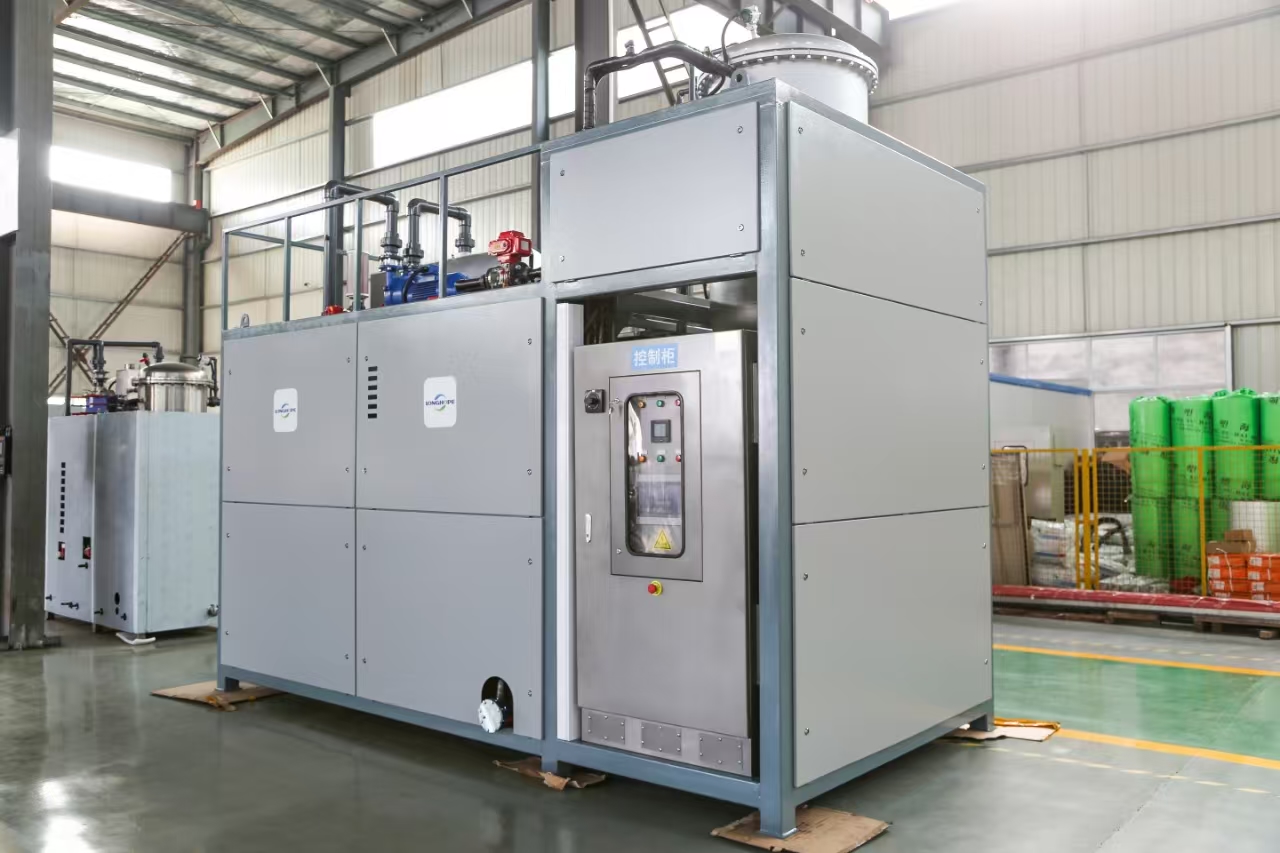
Proper vacuum distillation system maintenance is critical for industries relying on separation, purification, and concentration processes. A well-maintained vacuum distillation system ensures consistent product quality, minimizes operational downtime, and protects your investment in expensive laboratory and industrial equipment. Without structured maintenance practices, vacuum distillation system performance degrades rapidly, leading to increased energy consumption, reduced throughput, and potential safety hazards. This guide covers actionable best practices for maintaining vacuum distillation systems and keeping them operating at peak efficiency.
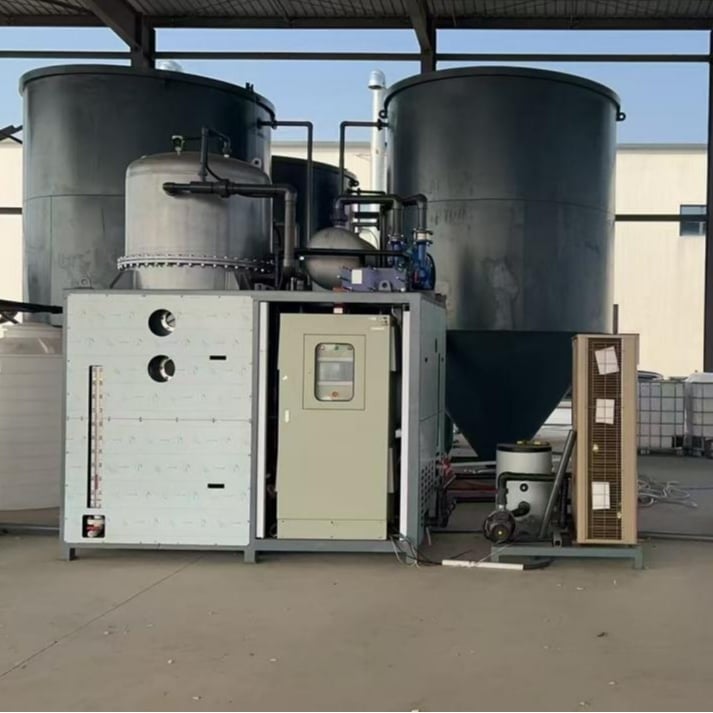
The lifespan and reliability of your vacuum distillation system maintenance program directly correlate with how consistently you follow preventive care protocols. Organizations that implement comprehensive vacuum distillation system maintenance schedules experience fewer emergency repairs, maintain tighter product specifications, and achieve better return on capital equipment. This article explores the core pillars of effective vacuum distillation system maintenance, including routine inspections, component servicing, troubleshooting strategies, and best practices that align with industry standards.
Core Components Requiring Regular Vacuum Distillation System Maintenance
Vacuum Pump and Condensing System Inspection
The vacuum pump represents the heart of any vacuum distillation system maintenance program. Regular inspection of vacuum pump seals, oil levels, and valve functionality ensures sustained vacuum integrity throughout distillation cycles. During vacuum distillation system maintenance checks, technicians should verify pump discharge pressure, inlet temperature, and vibration signatures to detect early wear patterns. A vacuum distillation system maintenance protocol must include monthly oil analysis, seal replacement intervals, and pump efficiency testing to prevent catastrophic failures.
The condensing system works in tandem with the vacuum pump to remove vapors from the distillation chamber. During vacuum distillation system maintenance routines, inspect condenser tubes for scaling, blockages, and corrosion that reduce heat transfer efficiency. Clean cooling water passages quarterly, and verify coolant flow rates match manufacturer specifications. Temperature differential across the condenser indicates system health; a narrowing gap suggests fouling that compromises vacuum distillation system maintenance effectiveness.
Heating Elements and Temperature Control
Heating elements require careful attention as part of comprehensive vacuum distillation system maintenance. Over time, heating coils accumulate mineral deposits and residue that reduce heat transfer efficiency and increase energy consumption. Include heating element inspection in every vacuum distillation system maintenance cycle, checking for scale buildup, corrosion, and electrical continuity. Descaling procedures should follow manufacturer guidelines to protect element integrity during vacuum distillation system maintenance work.
Temperature sensors and control instrumentation demand frequent calibration within your vacuum distillation system maintenance schedule. Inaccurate temperature readings compromise product quality and safety margins during operation. Quarterly calibration verification ensures your vacuum distillation system maintenance team catches drift before it impacts production batches.
Preventive Vacuum Distillation System Maintenance Scheduling
Establishing Maintenance Intervals
Effective vacuum distillation system maintenance relies on disciplined scheduling aligned with equipment manufacturer recommendations and actual operating hours. Daily vacuum distillation system maintenance checks should include visual inspection of seals, verification of vacuum readings, and observation of unusual noise or vibration patterns. Weekly vacuum distillation system maintenance tasks encompass condensate removal, coolant level checks, and documentation of operating parameters. Monthly vacuum distillation system maintenance procedures involve more detailed component inspections, efficiency testing, and seal evaluation.
Annual vacuum distillation system maintenance overhauls provide opportunities for deep cleaning, component replacement, and comprehensive system recalibration. Documenting all vacuum distillation system maintenance activities in a centralized log enables trend analysis and predictive maintenance planning. This historical data helps your team anticipate component failures and schedule vacuum distillation system maintenance before critical breakdowns occur during production cycles.
Seasonal and Environmental Considerations
Vacuum distillation system maintenance strategies must adapt to seasonal temperature fluctuations and environmental conditions affecting equipment performance. In cold climates, verify that coolant solutions maintain proper freezing point protection as part of winter vacuum distillation system maintenance preparation. High ambient temperatures increase cooling system demand, requiring enhanced monitoring of coolant flow and condenser performance within your vacuum distillation system maintenance protocols.
Humidity levels, dust accumulation, and chemical vapor exposure vary by facility location and industry vertical, demanding customized vacuum distillation system maintenance approaches. Food processing and pharmaceutical operations require stricter sanitation protocols integrated into vacuum distillation system maintenance schedules compared to general chemical manufacturing. Environmental factors directly influence how frequently your vacuum distillation system maintenance team must execute specific inspection and cleaning procedures.
Troubleshooting and Diagnostic Techniques
Identifying Common Performance Issues
Degraded vacuum levels represent the most common indicator that vacuum distillation system maintenance intervention is needed. A gradual vacuum loss suggests seal wear or condenser fouling, while sudden vacuum drops indicate more serious failures. Your vacuum distillation system maintenance team should measure vacuum stability over extended time intervals, logging data that reveals performance trends. Equipment that previously held vacuum for hours but now loses vacuum in minutes signals urgent vacuum distillation system maintenance requirements.
Longer distillation cycle times indicate that vacuum distillation system maintenance has been deferred too long, allowing component degradation to compound. Reduced vapor condensation efficiency prolongs processing time and increases energy consumption significantly. When your operation experiences higher product boiling points than historical norms, vacuum distillation system maintenance diagnostics should focus on pump performance and condenser capacity immediately.
Advanced Diagnostic Methods
Vibration analysis and acoustic monitoring provide early warning signals for vacuum distillation system maintenance planning. Abnormal vibration patterns suggest pump bearing wear, seal degradation, or mechanical misalignment that vacuum distillation system maintenance crews can address before catastrophic failure. Ultrasonic testing identifies internal leaks and valve seating issues invisible to standard visual inspection during vacuum distillation system maintenance reviews.
Thermal imaging reveals hot spots on condenser tubes, heating elements, and motor housings that indicate concentrated heat stress or electrical faults. Incorporating thermal imaging into quarterly vacuum distillation system maintenance routines helps detect problems early, preventing expensive emergency repairs and extended downtime.
FAQ
How often should vacuum distillation system maintenance be performed?
Vacuum distillation system maintenance frequency depends on usage intensity and operating hours. Most operations benefit from daily visual checks, weekly fluid and seal inspections, monthly detailed component reviews, and comprehensive annual overhauls. High-volume continuous operations may require more frequent vacuum distillation system maintenance cycles, while batch processing facilities can often operate with standard quarterly or semi-annual intensive vacuum distillation system maintenance procedures. Always consult manufacturer specifications and adjust vacuum distillation system maintenance schedules based on your facility's specific operational demands and historical performance data.
What are the warning signs that vacuum distillation system maintenance is urgently needed?
Critical warning signs include sudden vacuum loss, unusual noise or vibration during operation, coolant discoloration or reduced flow rates, and inconsistent product quality outcomes. If your vacuum distillation system maintenance records show extended cycle times or rising energy consumption without corresponding production volume increases, immediate intervention is warranted. Visible condensation around pump seals, oil leaks, or electrical connector corrosion all indicate that emergency vacuum distillation system maintenance attention prevents larger failures.
Can improper vacuum distillation system maintenance affect product safety?
Yes, deferred vacuum distillation system maintenance directly impacts product safety and regulatory compliance. Inadequate vacuum control leads to higher-than-intended temperatures, potentially degrading heat-sensitive materials or triggering dangerous exothermic reactions. Contamination from failed seals or corroded condenser tubes compromises product purity in pharmaceutical and food applications. Comprehensive vacuum distillation system maintenance protects not only equipment longevity but also end-product integrity, operator safety, and regulatory adherence across all industries employing distillation technology.