 EN
EN
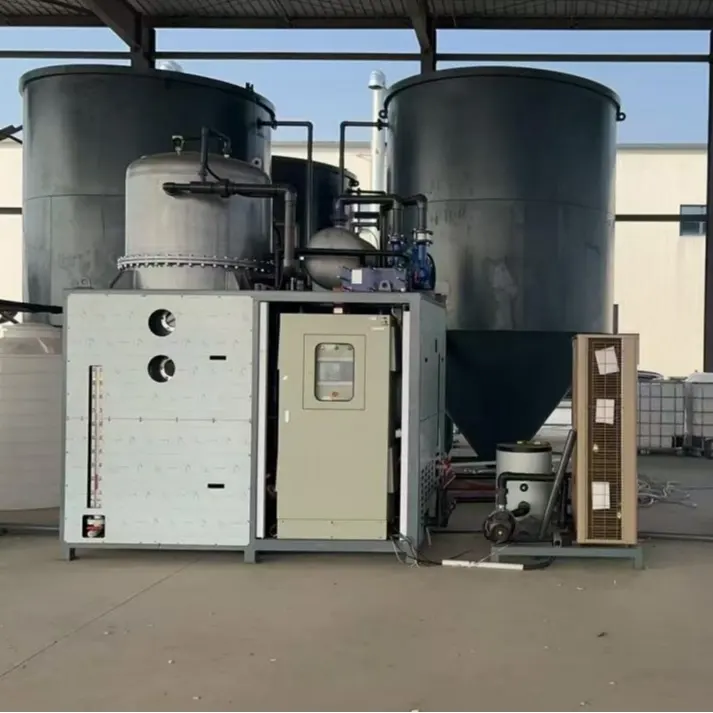
Selecting the right industrial wastewater treatment systems represents one of the most critical infrastructure decisions for manufacturing, processing, and production facilities. Industrial wastewater treatment systems handle complex liquid waste streams containing suspended solids, dissolved minerals, organic compounds, and sometimes hazardous substances that cannot simply discharge to municipal sewers or natural water bodies. The regulatory environment surrounding industrial wastewater treatment systems has tightened significantly, with environmental agencies worldwide enforcing stricter discharge standards, zero liquid discharge (ZLD) mandates, and water reuse requirements. Understanding industrial wastewater treatment systems is essential for facility managers, environmental compliance officers, and procurement professionals who must balance treatment effectiveness, operational costs, regulatory compliance, and long-term sustainability goals.
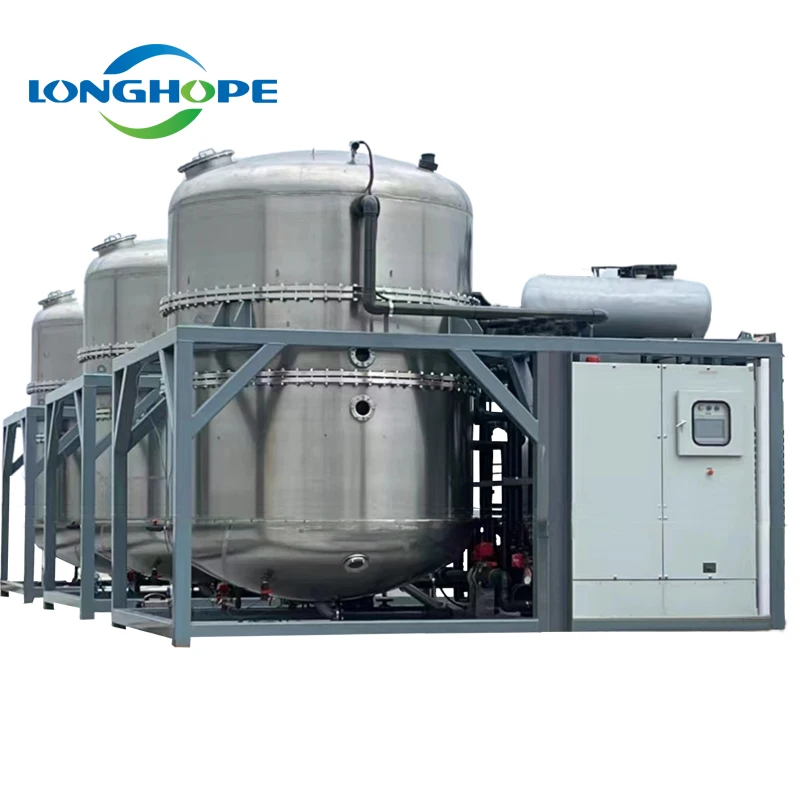
Industrial wastewater treatment systems come in many configurations, each suited to different waste streams, facility scales, and treatment objectives. The type of industrial wastewater treatment systems your facility requires depends on the specific pollutants present, treatment goals, available space, energy budget, and regulatory requirements. This buyer's guide explores the key technologies within industrial wastewater treatment systems, explains how to evaluate different approaches, and provides practical insights for making informed procurement decisions that protect both your operations and the environment.
Understanding Industrial Wastewater Treatment Systems Technology
Core Treatment Processes in Industrial Wastewater Treatment Systems
Industrial wastewater treatment systems typically combine multiple treatment stages to progressively remove different pollutant classes. Primary treatment stages in industrial wastewater treatment systems remove large suspended solids, sediments, and oils through screening, settling, and flotation methods. Secondary treatment stages employ biological processes where microorganisms degrade organic compounds, reducing biological oxygen demand (BOD) and chemical oxygen demand (COD). Tertiary treatment stages in industrial wastewater treatment systems use advanced oxidation, membrane filtration, ion exchange, or specialized precipitation to remove dissolved contaminants, heavy metals, and trace compounds. Advanced industrial wastewater treatment systems often incorporate specialized technologies like reverse osmosis, evaporation, crystallization, or electrocoagulation to achieve zero liquid discharge objectives or enable water reuse within the facility.
Physical, Chemical, and Biological Methods
Physical treatment within industrial wastewater treatment systems includes screening, sedimentation, flotation, and mechanical filtration that separate solids from liquids through gravity or mechanical force. Chemical treatment methods in industrial wastewater treatment systems use coagulants, oxidizing agents, pH adjustment chemicals, and precipitants to convert dissolved or colloidal contaminants into removable forms. Biological treatment in industrial wastewater treatment systems relies on bacteria, archaea, and other microorganisms in activated sludge reactors, trickling filters, or sequencing batch reactors to consume organic matter and convert nitrogen and phosphorus compounds. The optimal industrial wastewater treatment systems design combines these methods strategically, as physical treatment prepares waste for chemical treatment, chemical treatment removes inorganic pollutants, and biological treatment tackles organic loads.
Key Regulatory and Operational Considerations for Industrial Wastewater Treatment Systems
Compliance Standards Affecting Industrial Wastewater Treatment Systems
Regulatory agencies in every region establish discharge limits for specific pollutants that industrial wastewater treatment systems must achieve. Common regulated parameters include BOD, COD, total suspended solids (TSS), pH, temperature, total nitrogen, phosphorus, heavy metals, and industry-specific chemicals. Industrial wastewater treatment systems must meet these limits consistently, and facilities face severe penalties for non-compliance including fines, operational shutdowns, and legal liability. Many jurisdictions have adopted circular economy principles that incentivize industrial wastewater treatment systems capable of water recovery and reuse, making advanced treatment and zero liquid discharge technologies increasingly valuable. Smaller facilities may benefit from joining municipal pre-treatment programs where industrial wastewater treatment systems discharge to public treatment plants rather than directly to water bodies, reducing individual treatment burden but requiring compliance with pre-treatment standards.
Operational Performance and Cost Management
Evaluating industrial wastewater treatment systems requires comparing capital investment, ongoing operational costs, energy consumption, chemical requirements, sludge disposal expenses, and staff time. Industrial wastewater treatment systems with higher initial costs often deliver lower lifetime operating expenses through energy efficiency, reduced chemical usage, and minimized sludge volumes. Automated industrial wastewater treatment systems reduce labor demands and improve treatment consistency but require technical expertise for monitoring and adjustments. Decentralized industrial wastewater treatment systems treating waste directly at pollution sources often consume less energy than centralized approaches but require multiple installations. Facility managers should calculate total cost of ownership over ten to twenty years rather than focusing solely on purchase price, as this reflects real financial impact and supports better procurement decisions for industrial wastewater treatment systems.
Selecting and Implementing Industrial Wastewater Treatment Systems
Characterization and Treatment Objectives
Before selecting industrial wastewater treatment systems, facilities must thoroughly characterize their waste streams through laboratory testing that identifies specific contaminants, concentration ranges, flow volumes, and seasonal variations. Treatment objectives vary widely depending on discharge routes: industrial wastewater treatment systems discharging to municipal sewers face different requirements than those discharging directly to rivers or coastal waters. Some industrial wastewater treatment systems aim purely for regulatory compliance, while others pursue water reuse for cooling, irrigation, or process water, requiring higher purity levels. Waste stream characterization informs whether industrial wastewater treatment systems need emphasis on biological treatment, chemical precipitation, membrane filtration, or specialized technologies. Documentation of baseline conditions creates a reference point for evaluating whether industrial wastewater treatment systems perform as promised after installation.
Technology Selection and System Integration
Matching industrial wastewater treatment systems to your facility requires balancing treatment effectiveness against practical constraints. Biological treatment within industrial wastewater treatment systems works well for organic-rich streams but requires stable temperature and may underperform with toxic compounds that inhibit microbial activity. Chemical treatment in industrial wastewater treatment systems efficiently removes many pollutants but generates chemical sludge requiring disposal, adding ongoing costs. Membrane-based industrial wastewater treatment systems achieve very high purity but consume significant energy and require frequent membrane replacement. Many modern facilities deploy hybrid industrial wastewater treatment systems combining multiple technologies sequentially, leveraging the strengths of each method while compensating for individual limitations. Vendors specializing in industrial wastewater treatment systems can model different configurations using your waste stream data and help estimate treatment performance and costs.
Implementation and Performance Monitoring
Once industrial wastewater treatment systems are installed, comprehensive monitoring ensures consistent compliance and identifies optimization opportunities. Real-time sensors measuring flow, pH, turbidity, and pollutant levels allow operators to adjust industrial wastewater treatment systems parameters dynamically, improving efficiency and reducing chemical usage. Regular laboratory testing validates that industrial wastewater treatment systems consistently meet discharge limits and identifies trends suggesting equipment degradation or changing waste stream composition. Maintenance programs for industrial wastewater treatment systems should follow manufacturer recommendations and address component wear, biofilm accumulation, and chemical feed system calibration. Documentation of industrial wastewater treatment systems performance over time provides evidence of regulatory compliance and creates a historical record valuable for troubleshooting problems or justifying facility upgrades.
FAQ
What are the main treatment technologies used in industrial wastewater treatment systems?
Industrial wastewater treatment systems employ primary treatment through settling and screening, secondary biological treatment using microorganisms, and tertiary advanced treatment including membrane filtration, reverse osmosis, ion exchange, and evaporation technologies. The specific combination depends on contaminant types, treatment objectives, and regulatory requirements. Many industrial wastewater treatment systems integrate multiple stages to progressively remove different pollutant classes and achieve target discharge standards.
How do I determine which industrial wastewater treatment systems design fits my facility?
Proper selection of industrial wastewater treatment systems requires characterizing your waste stream through laboratory testing to identify specific contaminants and concentrations, determining your treatment objectives whether for compliance or reuse, and evaluating constraints including available space, budget, energy availability, and staff expertise. Consulting with vendors experienced in industrial wastewater treatment systems can help model different configurations and estimate performance and costs. Visiting operating facilities using similar industrial wastewater treatment systems provides valuable practical insights about maintenance, reliability, and actual operating expenses.
What regulatory requirements affect industrial wastewater treatment systems design and operation?
Industrial wastewater treatment systems must meet discharge limits established by environmental regulatory agencies for parameters including BOD, COD, suspended solids, pH, nitrogen, phosphorus, and industry-specific pollutants. Many jurisdictions increasingly require industrial wastewater treatment systems capable of zero liquid discharge or water reuse to support circular economy objectives. Pre-treatment standards apply when discharging to municipal systems, while direct discharge to surface waters faces stricter limits. Staying informed of evolving regulations helps ensure your industrial wastewater treatment systems remain compliant and positions your facility to meet emerging standards.