 EN
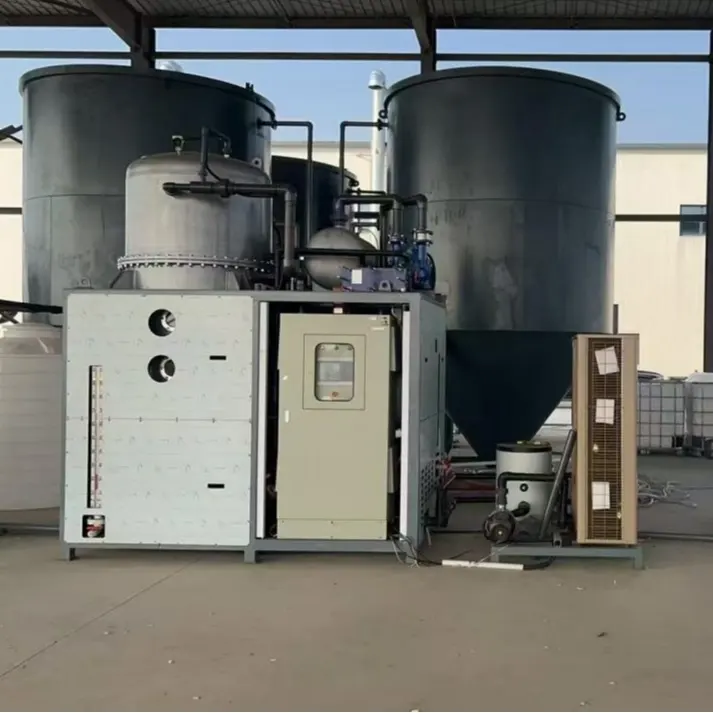
Manufacturing facilities, chemical plants, and processing operations face mounting pressure to manage wastewater efficiently while meeting regulatory standards. Industrial water treatment remains one of the most critical operational functions across these sectors, yet many companies struggle with persistent challenges that impact both profitability and compliance. Understanding the common obstacles in industrial water treatment helps facility managers make informed decisions about system upgrades, maintenance protocols, and technology investments.
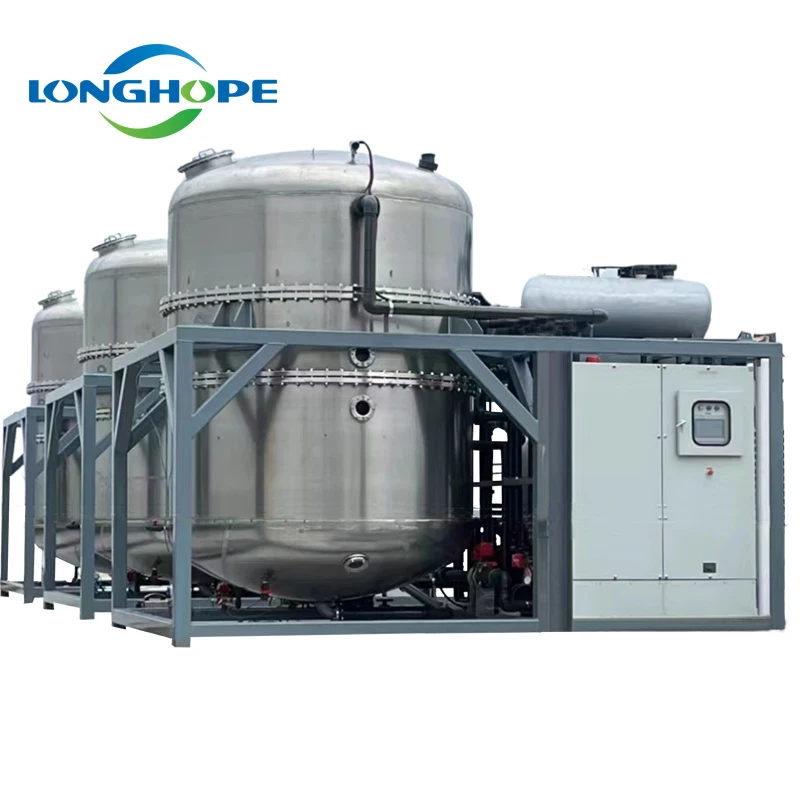
The complexity of industrial water treatment extends beyond simple filtration. Suspended solids, dissolved minerals, chemical contaminants, biological growth, and corrosive substances all demand specialized treatment approaches. Organizations implementing industrial water treatment solutions discover that a single treatment method rarely addresses every challenge simultaneously. This reality necessitates comprehensive strategies that combine multiple treatment stages to achieve desired water quality standards and operational objectives.
Scaling, Fouling, and Corrosion in Industrial Water Treatment
Understanding Mineral Buildup and System Damage
Mineral scaling represents one of the most expensive problems facing industrial water treatment operations. Hard water minerals, particularly calcium and magnesium, deposit on heat exchanger surfaces, pipe interiors, and equipment components. These mineral layers reduce thermal efficiency, restrict flow rates, and force industrial water treatment systems to work harder and consume more energy. Without proper industrial water treatment, scaling can reduce heat transfer efficiency by up to fifty percent, directly increasing operational costs and reducing production capacity.
Fouling occurs when organic material, bacteria, and suspended particles accumulate inside pipes and on equipment surfaces. This biological fouling accelerates when industrial water treatment fails to prevent microbial colonization. Corrosion develops when untreated water contains dissolved oxygen, carbon dioxide, or aggressive ions that react with metal surfaces. The combination of scaling, fouling, and corrosion creates a compounding crisis where industrial water treatment becomes increasingly ineffective, leading to unplanned equipment shutdowns and costly repairs.
Treatment Approaches for Scale and Corrosion Prevention
Effective industrial water treatment addresses scaling through chemical dosing, softening, or specialized membrane technologies. Acid injection reduces alkalinity and prevents mineral precipitation, while polyphosphate treatment inhibits scale formation without removing minerals. For industrial water treatment in high-demand applications, reverse osmosis or nanofiltration removes dissolved solids entirely, eliminating scaling risk. Corrosion inhibitors and oxygen scavengers protect metal surfaces when incorporated into comprehensive industrial water treatment strategies.
Regular monitoring forms the foundation of successful industrial water treatment. Operators measure hardness, pH, alkalinity, and conductivity to determine when industrial water treatment chemical dosing requires adjustment. Predictive maintenance programs track corrosion coupon weight loss and scale thickness, enabling facility managers to intervene before catastrophic failure. Advanced industrial water treatment systems now include automated sensors that continuously adjust treatment parameters, responding in real-time to influent water quality variations.
Regulatory Compliance and Discharge Standards in Industrial Water Treatment
Navigating Environmental Regulations
Environmental agencies impose strict discharge limits on industrial water treatment operations, demanding compliance with suspended solids limits, metal concentration thresholds, and biological oxygen demand standards. Industrial water treatment systems must reliably remove heavy metals like lead, chromium, and zinc before wastewater enters municipal systems or surface waters. Violations of industrial water treatment discharge standards result in substantial fines, operational shutdowns, and reputational damage that extends across supply chains and customer relationships.
Many facilities discovered that their existing industrial water treatment systems fail to meet updated regulations, particularly regarding emerging contaminants and nitrogen compounds. Older industrial water treatment installations lack the treatment capacity or technology to handle pharmaceutical residues, microplastics, or per- and polyfluoroalkyl substances now covered under expanded regulations. Upgrading industrial water treatment infrastructure requires capital investment and operational redesign, yet regulatory timelines offer limited flexibility for compliance planning.
Documentation and Treatment Performance Verification
Regulatory agencies require detailed documentation of industrial water treatment performance through effluent sampling and laboratory testing. Industrial water treatment operators must maintain continuous records demonstrating consistent compliance with discharge permits. Third-party certifications and periodic audits validate that industrial water treatment processes operate within established parameters. This documentation burden creates administrative complexity that stretches laboratory resources and testing budgets across industrial water treatment departments.
Treatment variability represents a significant compliance risk in industrial water treatment operations. Seasonal water quality changes, feed material variations, and process fluctuations all impact industrial water treatment effectiveness. Facilities implementing enhanced industrial water treatment monitoring systems detect performance trends before violations occur, enabling preventive adjustments. Advanced industrial water treatment automation reduces human error while maintaining audit trails that demonstrate consistent regulatory compliance.
Resource Efficiency and Operating Cost Management in Industrial Water Treatment
Reducing Chemical Consumption and Energy Demand
Chemical costs represent a substantial line item in industrial water treatment budgets, with coagulants, pH adjusters, and specialized additives requiring frequent purchases and continuous replenishment. Overdosing represents a common inefficiency where operators apply excess chemicals to guarantee treatment performance, creating unnecessary expense and potential secondary contamination issues. Optimized industrial water treatment systems employ precise dosing control and real-time monitoring to minimize chemical consumption while maintaining treatment reliability and regulatory compliance.
Energy consumption for industrial water treatment pumping, aeration, and thermal processes consumes significant facility resources. Membrane filtration and reverse osmosis technologies used in industrial water treatment demand high operational pressures, translating to elevated electricity usage. A industrial water treatment facility processing five hundred thousand gallons daily consumes energy equivalent to powering two hundred residential homes. Reducing this energy demand through system optimization, recovery technologies, and process efficiency improvements directly improves facility profitability and reduces carbon footprint metrics.
Capital Investment and Treatment System Selection
Selecting appropriate industrial water treatment technology requires balancing initial capital investment against long-term operating expenses. Membrane systems demand high upfront costs but offer lower chemical usage, while conventional clarification and filtration approaches use established equipment with predictable maintenance costs. Industrial water treatment decision-making must consider wastewater source characteristics, discharge requirements, available space, and available capital budgets. Oversizing industrial water treatment systems wastes money through underutilized capacity, while undersizing creates reliability problems and compliance violations.
Sludge disposal and residual handling add hidden costs to industrial water treatment operations. Treatment processes concentrate contaminants into sludge streams requiring landfill disposal, incineration, or specialized handling procedures. Industrial water treatment system designers must evaluate total cost of ownership including residual management expenses. Modern industrial water treatment technologies like evaporation and zero liquid discharge systems eliminate sludge disposal costs but require sophisticated equipment and operational expertise.
FAQ
What are the most common causes of industrial water treatment failure?
Industrial water treatment systems fail primarily due to inadequate maintenance, operator training deficiencies, changing influent water quality, regulatory requirement updates, and equipment aging. Many facilities delay industrial water treatment system upgrades until failures force emergency action, resulting in costly downtime. Implementing predictive maintenance protocols and continuous operator training prevents most industrial water treatment failures before they disrupt production or violate discharge permits.
How does industrial water treatment impact production scheduling and facility operations?
Industrial water treatment directly affects production capacity when treatment systems cannot process incoming water volumes fast enough. Contaminated water reduces product quality and equipment reliability, forcing production slowdowns or shutdowns. Conversely, well-designed industrial water treatment systems enable consistent production schedules, minimize unplanned maintenance, and reduce raw material waste. Integrating industrial water treatment planning into overall production scheduling optimizes facility efficiency and profitability.
What role does automation play in modern industrial water treatment?
Automation improves industrial water treatment consistency by continuously monitoring water quality parameters and automatically adjusting treatment chemical dosing and process settings. Automated industrial water treatment systems reduce operator workload, minimize human error, and generate detailed compliance documentation automatically. Real-time data from automated industrial water treatment systems enables facility managers to identify emerging problems before they cause equipment damage or regulatory violations, ultimately reducing total operating costs and improving system reliability.