 EN
Industrial water treatment remains one of the most critical operational priorities across manufacturing, chemical processing, food production, and energy sectors. As facilities face increasingly stringent environmental regulations, rising operational costs, and water scarcity pressures, the demand for advanced industrial water treatment solutions has intensified significantly. The landscape of industrial water treatment is evolving rapidly, with new technologies emerging that promise greater efficiency, lower capital expenditure, and superior environmental outcomes.
The shift toward sustainable industrial water treatment reflects a broader industry transformation. Organizations are moving beyond traditional treatment approaches and investing in next-generation technologies that integrate automation, real-time monitoring, and resource recovery. Understanding the trajectory of industrial water treatment innovation is essential for facility managers, operations directors, and capital planners who must align their infrastructure investments with both current performance demands and future regulatory landscapes.
Core Technologies Driving Industrial Water Treatment Forward
Membrane Filtration and Advanced Separation Systems
Membrane-based technologies have become foundational to modern industrial water treatment strategies. Ultrafiltration, microfiltration, nanofiltration, and reverse osmosis systems now deliver unprecedented precision in contaminant removal while minimizing waste streams. These industrial water treatment membranes enable facilities to achieve zero-liquid-discharge objectives, recover valuable process water, and dramatically reduce freshwater intake. The evolution of membrane materials and module designs has improved fouling resistance, extended service life, and reduced energy consumption across industrial water treatment applications.
Integration of membrane technologies within broader industrial water treatment ecosystems allows operators to pretreat incoming water, recycle process effluent, and concentrate dissolved solids for recovery or safe disposal. This layered approach to industrial water treatment maximizes resource efficiency while maintaining product quality and meeting discharge standards. Advanced membrane configurations, such as staged filtration and hybrid systems, have become standard practice in high-demand industrial water treatment facilities.
Evaporation and Thermal Treatment Solutions
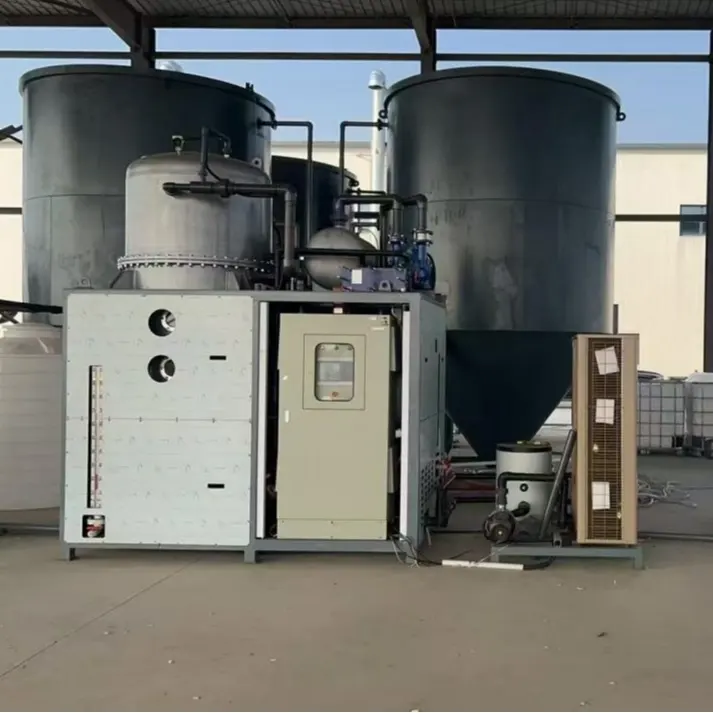
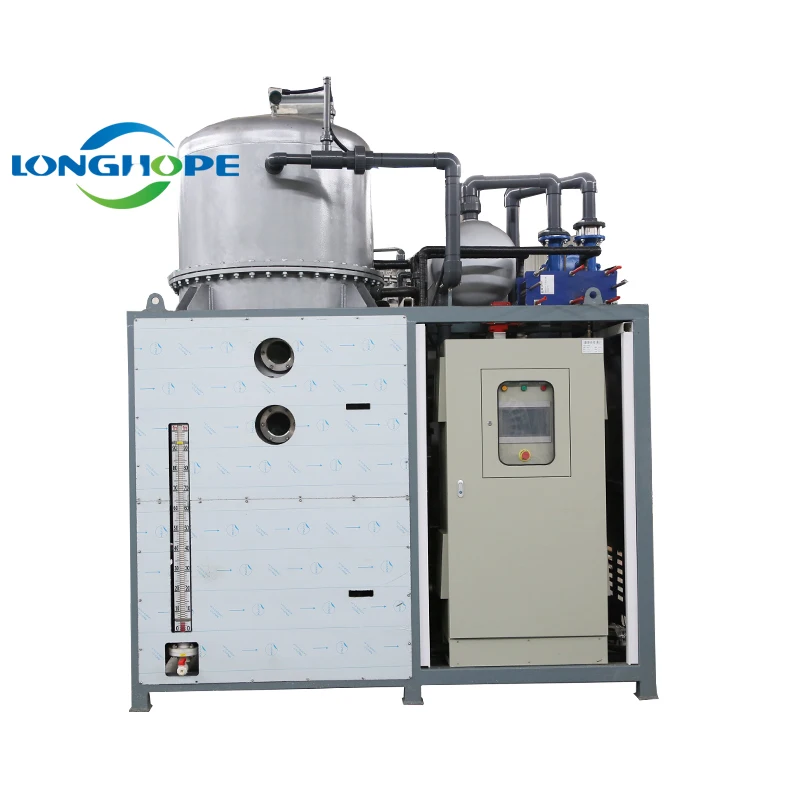
Thermal evaporation represents a critical pillar of modern industrial water treatment, particularly for handling difficult waste streams containing high concentrations of dissolved salts, organics, or hazardous contaminants. Vacuum evaporation technologies, multiple-effect evaporation systems, and mechanical vapor recompression units have become increasingly efficient and cost-effective for intensive industrial water treatment applications. These technologies concentrate or eliminate problematic effluent while enabling material recovery and achieving true zero-liquid-discharge outcomes.
The industrial water treatment sector has seen significant advances in evaporator design, with enhanced heat recovery, reduced energy demand, and improved automation capabilities reshaping the economic feasibility of thermal solutions. Modern evaporators integrate digital controls, predictive maintenance systems, and real-time performance analytics, making industrial water treatment more transparent and manageable.
Regulatory Evolution and Compliance Drivers
Tightening Discharge Standards and Water Reuse Mandates
Regulatory frameworks governing industrial water treatment continue to become more stringent globally. Many jurisdictions now require advanced treatment levels, zero-liquid-discharge certification, or mandatory water reuse protocols for specific industrial sectors. These regulations directly influence technology selection and investment timing for industrial water treatment infrastructure. Facilities must ensure their industrial water treatment systems achieve not only current compliance thresholds but also maintain flexibility to adapt to anticipated future standards.
Water quality monitoring requirements embedded in modern permits demand continuous real-time reporting of industrial water treatment performance metrics. This shift toward transparent, digitized compliance documentation requires industrial water treatment systems equipped with robust instrumentation, data logging capabilities, and automated alert systems. The integration of monitoring sensors and cloud-based reporting platforms has become essential for modern industrial water treatment operations.
Environmental Liability and Water Scarcity Economics
Beyond regulatory mandates, financial incentives increasingly favor advanced industrial water treatment adoption. Many regions offer tax incentives, grant programs, or preferential utility rates for facilities implementing water reuse and conservation measures. Conversely, the cost of freshwater is rising in water-stressed regions, making investment in industrial water treatment recirculation systems economically rational even without regulatory drivers. Environmental liability frameworks also penalize poor industrial water treatment practices, exposing facilities to significant legal and reputational risk.
Strategic investment in industrial water treatment infrastructure now offers dual benefits: regulatory compliance assurance and operational cost reduction through reduced water consumption and energy optimization. This economic alignment between compliance and efficiency has accelerated adoption of advanced industrial water treatment solutions across industries.
Integration of Automation and Digital Monitoring in Industrial Water Treatment
Real-Time Analytics and Predictive Maintenance
Digital transformation of industrial water treatment operations has fundamentally changed how facilities optimize performance and prevent equipment failures. Sensor networks, data analytics platforms, and machine learning algorithms now enable operators to monitor industrial water treatment system health in real-time, predict maintenance needs weeks in advance, and adjust treatment parameters dynamically based on incoming water quality variations. This data-driven approach to industrial water treatment reduces unplanned downtime, extends equipment life, and improves treatment efficiency.
Connected industrial water treatment systems provide operators with comprehensive performance dashboards, historical trend analysis, and comparative benchmarking capabilities. Anomalies in industrial water treatment system performance are detected automatically, and predictive algorithms recommend corrective actions before problems escalate. This proactive management methodology reduces emergency repairs, improves environmental compliance rates, and optimizes chemical usage and energy consumption within industrial water treatment processes.
Remote Operations and IoT Integration
Industrial water treatment facilities increasingly operate through centralized remote monitoring and control centers, even when physical equipment spans multiple locations. IoT integration enables operators to adjust industrial water treatment parameters, receive alerts, and access historical performance data from any connected device. This remote capability has become particularly valuable for facilities operating in remote locations, multiple sites, or facilities with limited on-site staffing.
Security and data integrity remain critical considerations as industrial water treatment systems become more connected. Advanced encryption, role-based access controls, and cybersecurity protocols now form essential components of modern industrial water treatment platform architecture. Organizations must ensure their industrial water treatment infrastructure incorporates robust security frameworks while maintaining operational responsiveness and data accessibility for authorized personnel.
FAQ
What are the main challenges driving industrial water treatment upgrades in 2026?
Facilities upgrading industrial water treatment systems in 2026 face mounting pressure from tightening environmental regulations, rising freshwater costs, and increasing operational complexity. Traditional industrial water treatment approaches no longer provide sufficient compliance margins or cost efficiency. Advanced technologies like membrane filtration and thermal evaporation enable better resource recovery and zero-liquid-discharge compliance. Rising stakeholder expectations regarding environmental stewardship and corporate sustainability reporting also drive industrial water treatment investment decisions.
How does digital integration improve industrial water treatment performance?
Digital monitoring and automation systems significantly enhance industrial water treatment reliability and efficiency by enabling real-time performance tracking, predictive maintenance scheduling, and dynamic parameter adjustment. Sensors continuously measure water quality, equipment status, and operational metrics, feeding data to analytics platforms that identify optimization opportunities and alert operators to potential problems. This technology integration reduces manual intervention requirements, improves consistency of industrial water treatment outcomes, and provides comprehensive documentation for regulatory compliance and performance benchmarking.
What is zero-liquid-discharge and why matters for industrial water treatment?
Zero-liquid-discharge represents a treatment objective where industrial water treatment systems eliminate all liquid waste streams by either recirculating water back into production processes or evaporating and concentrating dissolved solids for safe disposal or material recovery. This industrial water treatment approach eliminates discharge liability, maximizes resource recovery, and provides the strongest possible environmental compliance position. Achieving zero-liquid-discharge requires integrated industrial water treatment technologies, typically combining membrane filtration, evaporation, and crystallization processes, but delivers substantial long-term cost and environmental benefits.