
 EN
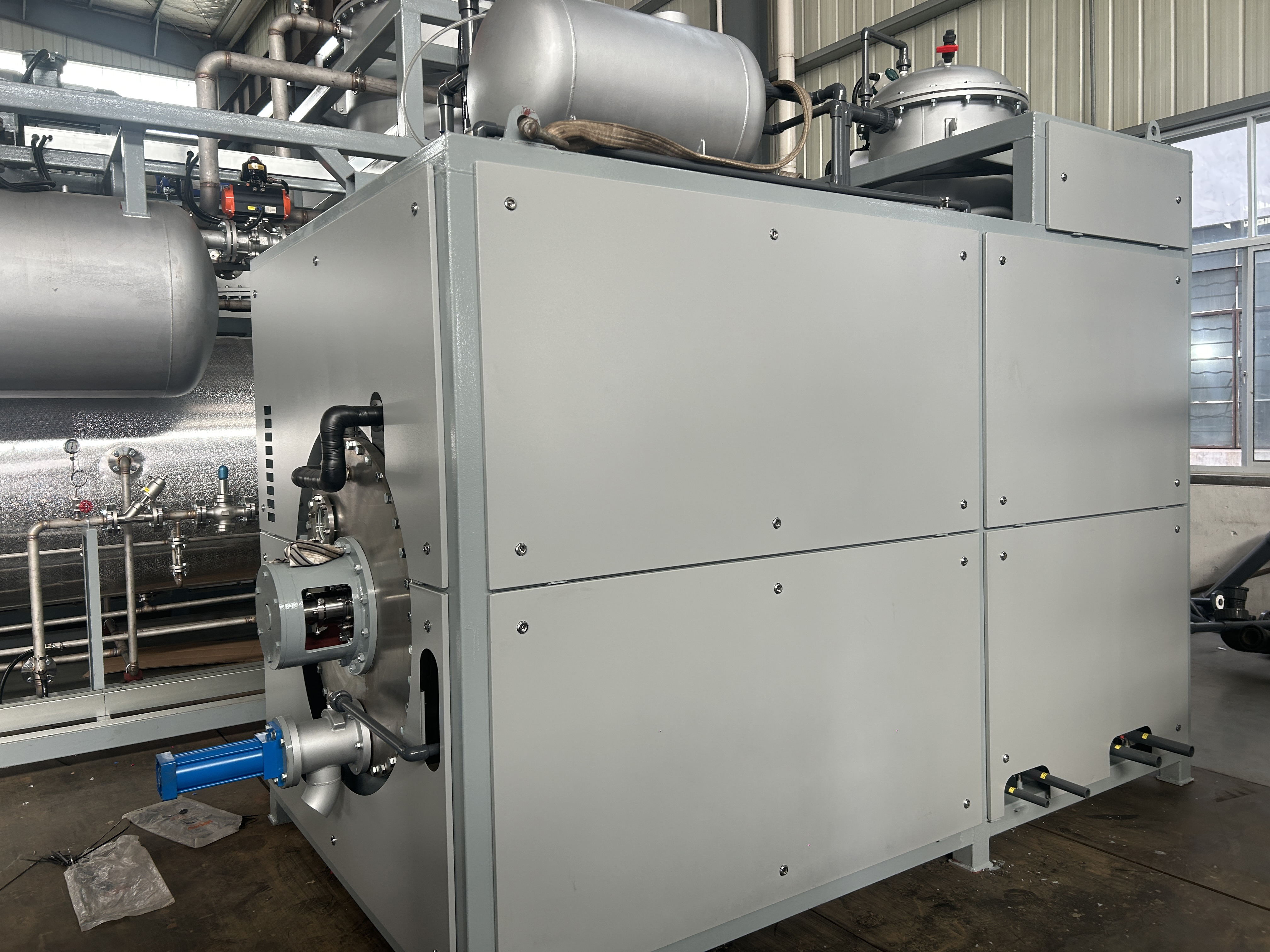
A Low temperature crystallization machine converts a liquid feed into recoverable crystals by controlling temperature, concentration, and separation. The process overview matters to plant teams because each stage affects product quality, throughput, and the amount of material left in the mother liquor. Understanding the sequence helps engineers assess equipment and operating requirements.
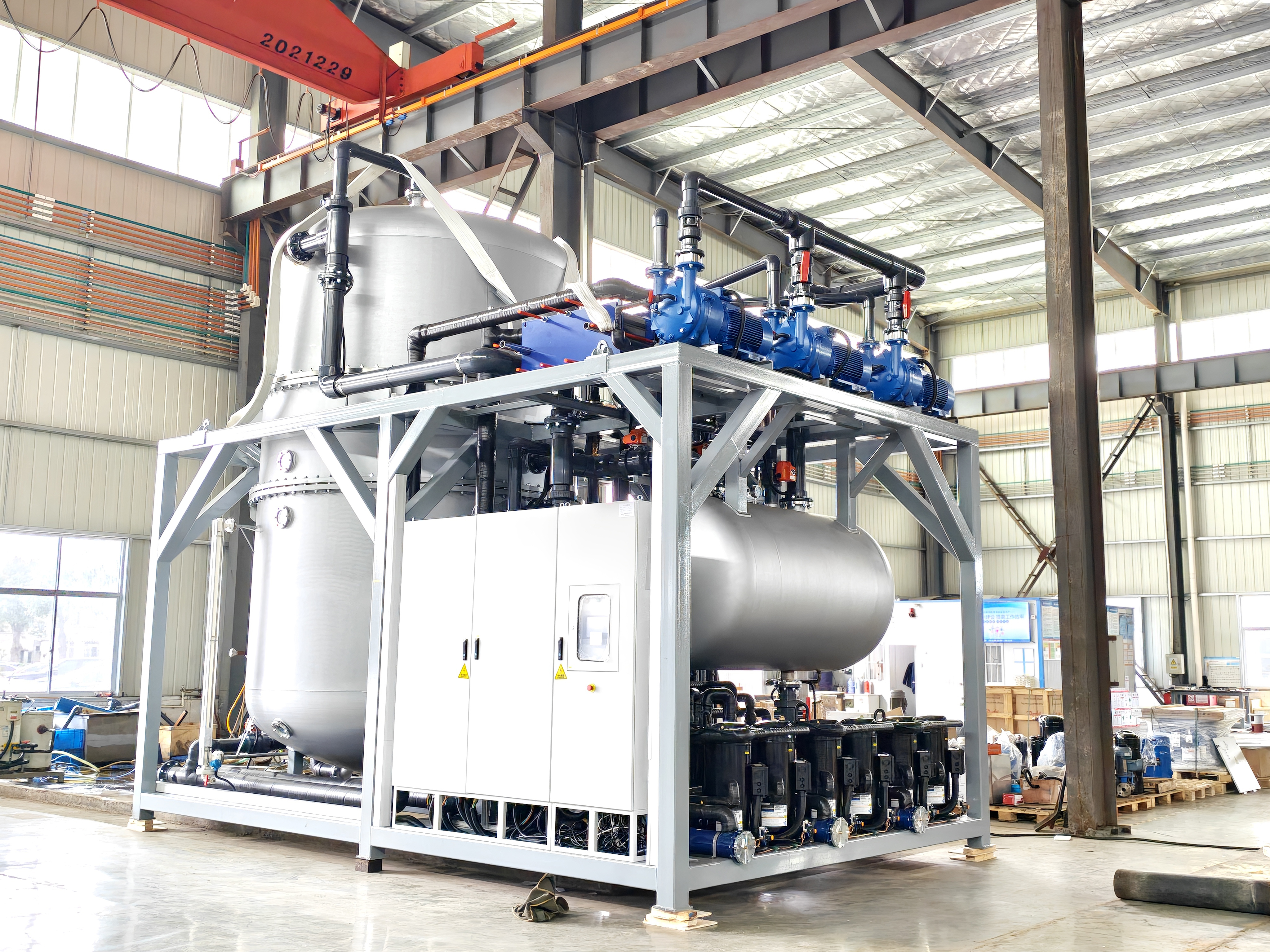
In a typical low-temperature setup, cooling or vacuum evaporation creates supersaturation without relying on high process temperatures. The crystallization process then moves through feed preparation, controlled crystal formation, growth, and product separation. This overview explains what happens at each stage, how a crystallization machine supports those steps, and which practical checks help maintain a stable industrial operation.
How the Process Moves from Feed to Crystals
Feed preparation and supersaturation
The process begins with a feed whose composition, solids content, and temperature should be understood before it enters the industrial crystallizer. Operators may screen out unwanted particles or adjust concentration so the solution can reach a useful level of supersaturation. In the crystallization process, that condition provides the driving force for crystals to form rather than simply keeping the dissolved material in solution.
A low temp crystallization approach reduces thermal exposure for materials that may degrade or change at elevated temperatures. The crystallization machine brings the feed toward its target condition through controlled cooling, vacuum operation, or a combination suited to the material. Feed variation still matters: a changing composition can shift the point at which nucleation begins and alter the amount and size of the resulting solids.
Nucleation, growth, and separation
Once supersaturation is established, nuclei form and dissolved molecules deposit onto them as crystals grow. An industrial crystallizer needs controlled conditions because rapid nucleation can create many fine particles, while slower formation may favor fewer, larger crystals. The crystallization process therefore depends on managing temperature change and residence time, not merely reaching a final temperature.
After growth, the slurry is discharged for solid-liquid separation, commonly through filtration or another suitable separation step. A crystallization machine may integrate process functions, but downstream handling still influences final moisture and recovery. With low temp crystallization, teams should also consider whether the product remains stable during transfer and whether the remaining liquor can be reused or requires further treatment.
Equipment Functions and Operating Controls
Heat transfer and vacuum conditions
The core equipment must remove heat at a controlled rate and maintain the conditions needed for repeatable crystal formation. A crystallization machine is selected around feed properties, target operating temperature, batch or continuous operation, and the desired output. The industrial crystallizer must also accommodate the slurry as solids appear, since thicker material can change mixing and heat-transfer behavior.
Where vacuum is used, lowering pressure can support evaporation at a lower temperature, helping manage heat-sensitive feeds. This does not remove the need to control the crystallization process carefully; pressure, temperature, and vapor handling interact. The industrial crystallizer design should provide suitable monitoring and stable operation across the expected feed range, rather than being judged by a single nominal condition.
Mixing, sensors, and control logic
Mixing keeps temperature and concentration more uniform and helps suspend growing solids. In low temp crystallization, excessive agitation may damage fragile crystals, while insufficient movement can contribute to uneven growth or deposits on heat-transfer surfaces. Operators use process observations and suitable instrumentation to balance circulation with gentle crystal handling throughout the operating cycle.
Temperature, pressure, level, and process time are common control inputs, with the exact arrangement depending on the application. A crystallization machine can use these readings to guide cooling or evaporation and to determine when a batch is ready for discharge. For an industrial crystallizer, clear setpoints and documented responses to deviations support consistent operation across shifts and make process changes easier to evaluate.
Practical Decisions from Operation to Product
Product quality and recovery
Crystal size distribution, purity, and residual liquid are practical measures of process performance. Low temp crystallization can be useful when temperature sensitivity is a concern, but quality still depends on feed consistency, supersaturation, and growth time. Teams should define product specifications before commissioning so the crystallization process can be assessed against the actual separation and downstream handling needs.
Recovery also depends on how much target material remains dissolved in the mother liquor. A crystallization machine should be evaluated with attention to both collected crystals and residual streams, including options for reuse or further concentration. The industrial crystallizer is only one part of the overall recovery route, so sampling both product and liquor gives a more complete view of material balance.
Operating checks and troubleshooting
A change in crystal size, cycle time, or product moisture can signal a shift in feed conditions or equipment behavior. Operators can review temperature and pressure trends, inspect for fouling, and check whether mixing remains appropriate. The crystallization process is easier to troubleshoot when each batch or run has recorded operating data, rather than relying only on the final product appearance.
Before selecting or adjusting equipment, confirm feed chemistry, desired production rate, cleaning requirements, and the planned separation method. Low temp crystallization does not automatically suit every material; laboratory or pilot testing can clarify how the feed responds to cooling and concentration. A well-defined operating window gives the industrial crystallizer a practical basis for production, maintenance planning, and repeatable product checks.
FAQ
What happens inside a crystallization machine?
A crystallization machine creates conditions for dissolved material to form and grow into crystals, then supports slurry discharge for separation. The crystallization process is guided by temperature, concentration, and time. Low temp crystallization uses lower-temperature operating conditions when appropriate for the feed, while the required settings depend on material behavior and product specifications.
When is low temp crystallization appropriate?
Low temp crystallization may be considered when a material is sensitive to heat or when the process needs lower-temperature evaporation or cooling conditions. Confirm suitability through feed testing and review of the full crystallization process. An industrial crystallizer must still meet the required capacity, separation, cleaning, and product-quality needs.
What information is needed before choosing an industrial crystallizer?
Define the feed composition, solids content, target crystal characteristics, operating mode, and downstream separation requirements. A crystallization machine should be assessed against these process conditions, not only its nominal capacity. Low temp crystallization may fit a heat-sensitive application, but trials and operating data help establish a reliable crystallization process and realistic performance expectations.