
 EN
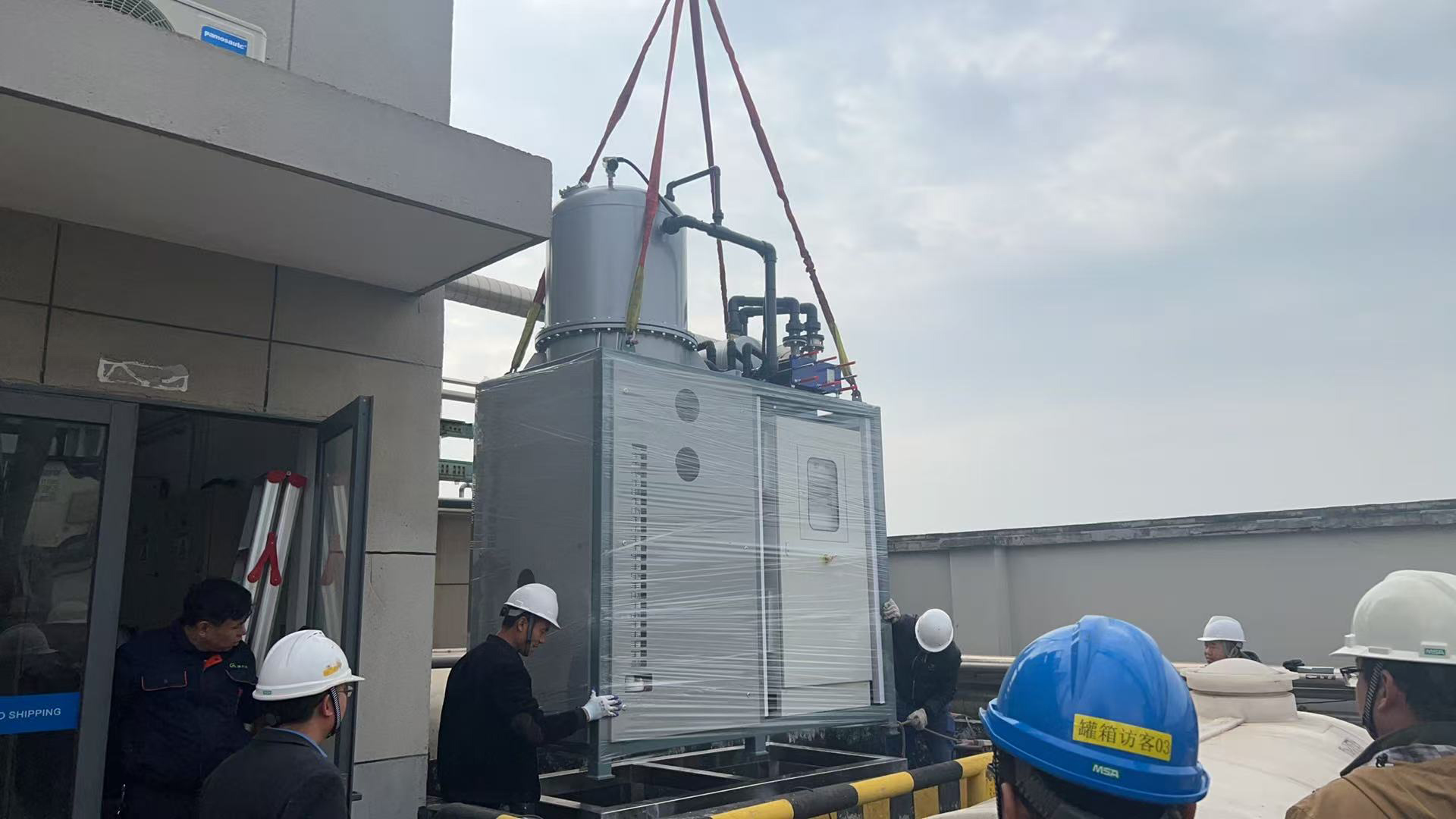
Choosing between a vacuum evaporator concentrator and a rotary evaporator depends mainly on the material being processed and the scale of work. A rotary evaporator is commonly suited to controlled solvent removal from laboratory samples, while an industrial concentrator may address larger, more variable liquid streams. The rotary vs vacuum decision starts with the process, not the equipment name.
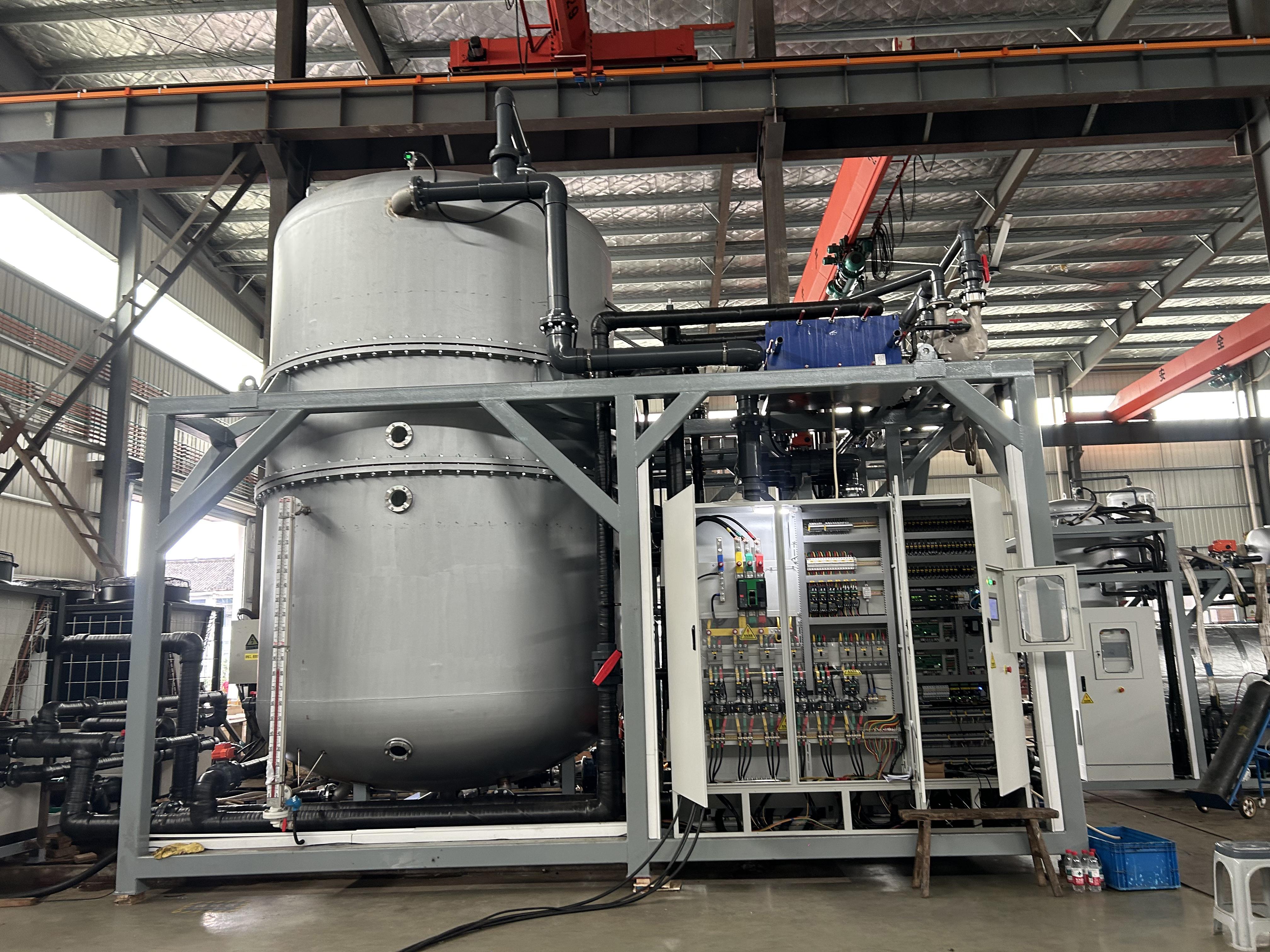
This comparison focuses on operating purpose, feed characteristics, throughput, and the demands placed on the operator. Concentrator vs rotary is not simply a choice between two ways to boil liquid: equipment design, batch size, vapor handling, and the required endpoint all affect suitability. A useful comparison evaporator assessment therefore begins with the process requirements and ends with practical selection criteria.
Different process purposes and operating principles
Laboratory solvent removal with rotary equipment
A rotary evaporator uses a rotating flask, controlled heating, and reduced pressure to evaporate volatile solvents. Rotation spreads liquid across the flask surface, supporting steady evaporation while helping manage bumping. This makes a rotary evaporator familiar in research, analytical, and small-scale production settings where operators handle defined batches. In a comparison evaporator review, consider whether the feed is a relatively clean solution with a known solvent and manageable volume.
The apparatus typically includes a flask, condenser, receiving vessel, vacuum source, and heating bath. The operator sets conditions around solvent behavior, sample sensitivity, and desired recovery. A concentrator vs rotary review should account for hands-on loading and unloading, flask capacity, and the need to monitor individual runs. For a research team processing discrete samples, rotary vs vacuum often means comparing a bench workflow with equipment intended for broader process duty.
Concentration of larger or more variable streams
A vacuum evaporator concentrator is generally considered when the task is to reduce liquid volume by removing water or another volatile component from a process stream. Depending on configuration, these systems can accommodate more substantial feed volumes and may be designed for wastewater or industrial concentration duties. A rotary evaporator remains useful for controlled flask-scale work, but it is not automatically the practical choice for continuous or high-volume processing.
The difference is especially relevant when feed composition varies or contains dissolved solids. A comparison evaporator assessment should examine fouling potential, foaming, viscosity changes, and how the remaining concentrate will be handled. Concentrator vs rotary selection also depends on whether the process needs a simple batch endpoint or repeatable treatment of incoming streams. Rotary vs vacuum is therefore a question of process architecture as much as evaporation principle.
Key selection criteria for an informed comparison
Feed properties, temperature, and product endpoint
Start by documenting the feed volume, composition, solids content, volatility, and sensitivity to heat. A rotary evaporator can suit low-volume samples where solvent recovery and careful temperature control matter. For a larger stream, assess how the vacuum evaporator concentrator manages the desired concentration endpoint and changing feed properties. In concentrator vs rotary planning, the material balance and final product specification should be clear before sizing or procurement begins.
Temperature limits matter when a product can degrade, polymerize, or change quality during heating. Reduced pressure lowers boiling conditions, but it does not remove the need to understand vapor-liquid behavior. A rotary vs vacuum comparison should include the available temperature range, control stability, condenser duty, and compatibility with the vapor. Each comparison evaporator decision should connect these factors to the acceptable quality of both the recovered vapor and retained concentrate.
Capacity, workflow, and operator involvement
Estimate realistic throughput from the full cycle, including preparation, loading, evaporation, cleaning, and discharge. A rotary evaporator may process small batches efficiently in a laboratory, yet repeated flask changes can become a constraint as volumes rise. Concentrator vs rotary analysis should compare actual daily demand with usable capacity rather than relying on nominal vessel size. Consider whether production is intermittent, campaign-based, or expected to run as a regular plant operation.
Also map utilities, floor space, ventilation, maintenance access, and operator training. The rotary vs vacuum choice can change how staff schedule tasks and supervise the process. A comparison evaporator review should include condensate collection, cleaning frequency, safeguards, and the way alarms or process interruptions are handled. The best fit is the setup that meets operating needs without creating avoidable manual work or complicating routine maintenance.
Practical fit by application and implementation needs
Matching equipment to laboratory and industrial scenarios
For analytical laboratories, formulation work, and small research batches, a rotary evaporator often aligns with the need to remove solvent from individual samples. It supports a visible, adjustable workflow and lets operators work with discrete vessels. For wastewater reduction or concentration of larger process liquids, a vacuum evaporator concentrator may be more aligned with the volume and stream-handling demands. Concentrator vs rotary should follow application scale and feed behavior.
Neither category is universally preferable. A facility processing occasional small batches may not benefit from industrial-scale capacity, while a plant treating substantial liquid volumes may find repeated flask handling inefficient. Rotary vs vacuum should be assessed against throughput, batch variability, and the acceptable level of operator intervention. A comparison evaporator discussion becomes more useful when it includes the actual production schedule, not just a specification sheet.
Confirming requirements before equipment selection
Before selecting equipment, define the feed range, target concentration, operating hours, and acceptable residual solvent or moisture. Request process-relevant information about materials of construction, vacuum range, heat input, condenser arrangement, and cleaning access. A rotary evaporator specification should also be checked against flask volume and solvent recovery needs. Concentrator vs rotary decisions become clearer when the same feed and endpoint assumptions are applied to each option.
Where feed behavior is uncertain, representative testing can reveal foaming, deposits, or changes in viscosity that influence operating stability. Include waste handling, condensate management, and safety review in the implementation plan. Rotary vs vacuum evaluation should account for installation and operating conditions as well as evaporation performance. A comparison evaporator decision is strongest when process trials, capacity estimates, and maintenance expectations point toward the same practical fit.
FAQ
Can a rotary evaporator handle industrial wastewater?
A rotary evaporator may be useful for small samples, testing, or research, but its flask-based workflow may not suit routine treatment of large wastewater volumes. Compare feed variability, solids, and throughput before choosing. Concentrator vs rotary evaluation should distinguish laboratory testing from production duty.
What matters most in a comparison evaporator assessment?
Define feed composition, target endpoint, operating scale, temperature limits, and daily workload. Then consider vacuum, heat transfer, vapor handling, cleaning, and operator tasks. Rotary vs vacuum comparison is most useful when these process requirements are documented consistently for both equipment types.
Is one option always more efficient?
No. Efficiency depends on the feed, batch size, operating schedule, and recovery goal. A rotary evaporator can fit small, controlled batches, while a larger process may favor concentration equipment. Use comparison evaporator criteria for the actual duty, and revisit rotary vs vacuum assumptions as throughput or feed conditions change.