 EN
EN
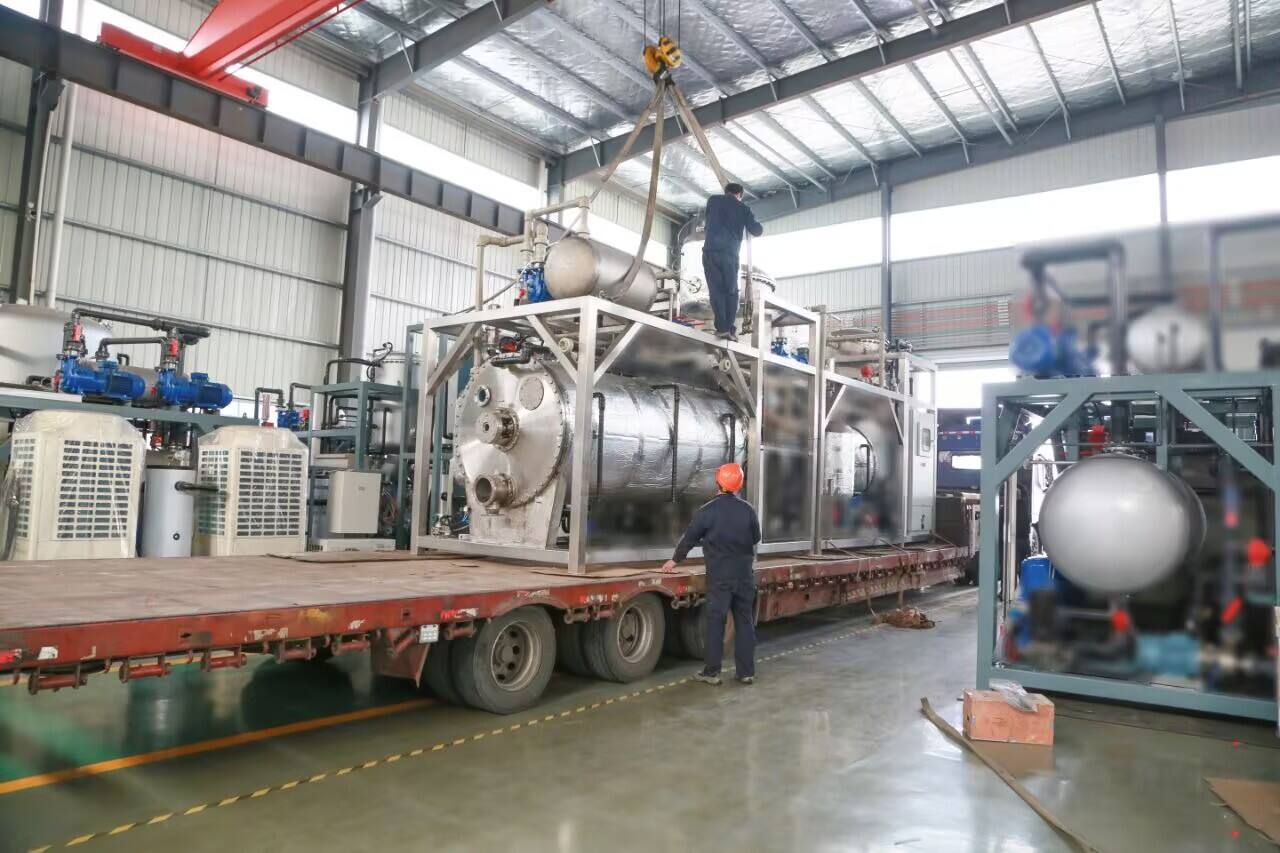
Industrial facilities across manufacturing, chemical processing, and wastewater treatment sectors rely heavily on efficient evaporator system operations to maintain productivity and meet environmental compliance standards. These critical pieces of equipment require systematic maintenance approaches to ensure optimal performance, minimize downtime, and extend operational lifespan. Proper maintenance protocols not only reduce operational costs but also enhance safety standards while maximizing the return on investment for industrial operations.
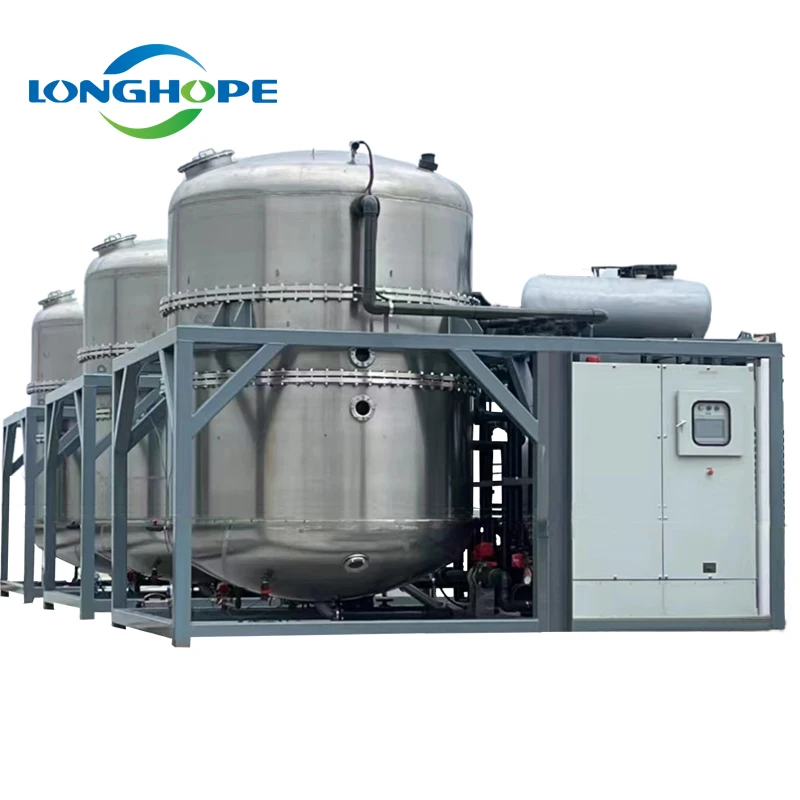
Understanding the fundamental maintenance requirements for your evaporator system becomes essential for sustained industrial operations. Modern evaporator systems integrate complex heat transfer mechanisms, vacuum controls, and automated monitoring systems that demand specialized maintenance attention. The implementation of comprehensive maintenance strategies directly impacts production efficiency, energy consumption, and regulatory compliance across various industrial applications.
Essential Preventive Maintenance Strategies
Regular Inspection Protocols
Establishing comprehensive inspection schedules forms the foundation of effective evaporator system maintenance programs. Daily visual inspections should focus on identifying unusual vibrations, temperature variations, or pressure fluctuations that could indicate developing issues. Weekly inspections must include detailed examinations of heat exchanger surfaces, vacuum pump operations, and condensate collection systems to detect early signs of fouling or mechanical wear.
Monthly inspection protocols should encompass thorough evaluations of electrical components, control system calibrations, and safety device functionality. These systematic approaches enable maintenance teams to identify potential problems before they escalate into costly equipment failures or production interruptions. Documentation of inspection findings creates valuable maintenance history records that inform future maintenance planning and equipment optimization decisions.
Component-Specific Maintenance Requirements
Different components within an evaporator system require specialized maintenance attention based on their operational functions and exposure conditions. Heat exchanger surfaces demand regular cleaning protocols to prevent scale buildup and maintain thermal efficiency. Vacuum pumps require frequent oil changes, seal inspections, and performance monitoring to ensure consistent vacuum levels throughout the evaporation process.
Control systems and instrumentation components need periodic calibration checks, sensor cleaning, and software updates to maintain accurate process monitoring capabilities. Steam traps and condensate return systems require regular testing to prevent energy losses and ensure proper condensate removal. Each component's maintenance schedule should align with manufacturer recommendations while considering specific operating conditions and process requirements.
Heat Exchanger Optimization and Cleaning
Scale Prevention and Removal Techniques
Heat exchanger efficiency directly impacts overall evaporator system performance, making scale prevention and removal critical maintenance activities. Chemical cleaning protocols using appropriate descaling agents help remove mineral deposits, organic fouling, and other contaminants that reduce heat transfer efficiency. The selection of cleaning chemicals must consider the specific fouling characteristics and heat exchanger materials to avoid corrosion or damage.
Mechanical cleaning methods, including high-pressure water jetting and brush cleaning, provide effective alternatives for removing stubborn deposits. Regular monitoring of heat transfer coefficients and pressure drops across heat exchanger surfaces helps determine optimal cleaning frequencies. Implementing predictive maintenance approaches using thermal imaging and vibration analysis can optimize cleaning schedules while minimizing unnecessary maintenance interventions.
Surface Treatment and Protection
Protective surface treatments enhance heat exchanger longevity and reduce maintenance requirements in challenging operating environments. Anti-fouling coatings applied to heat transfer surfaces can significantly reduce scale formation rates and simplify cleaning procedures. Regular inspection of coating integrity ensures continued protection against corrosion and fouling.
Cathodic protection systems, where applicable, require periodic testing and maintenance to prevent electrochemical corrosion. Material selection considerations for heat exchanger components should account for process fluid characteristics, operating temperatures, and expected service life. Proper surface preparation and coating application techniques ensure maximum protection effectiveness and minimize long-term maintenance costs.
Vacuum System Maintenance and Performance
Vacuum Pump Optimization
Vacuum pump performance directly influences evaporator system efficiency and product quality in many industrial applications. Regular oil analysis and replacement schedules prevent pump wear and maintain optimal sealing performance. Monitoring pump operating temperatures, vibration levels, and power consumption provides early indicators of developing maintenance needs or performance degradation.
Seal replacement schedules should account for operating conditions, pump utilization rates, and manufacturer recommendations. Proper alignment and coupling maintenance prevent premature wear and reduce energy consumption. Implementing condition monitoring systems enables predictive maintenance approaches that optimize pump performance while minimizing unexpected failures.
Vacuum System Integrity Testing
Regular leak testing ensures vacuum system integrity and prevents performance degradation that impacts evaporator system efficiency. Helium leak detection methods provide precise identification of leak locations in complex vacuum systems. Establishing baseline vacuum levels and monitoring performance trends helps identify gradual system degradation before significant impacts occur.
Vacuum gauge calibration and maintenance ensure accurate system monitoring and control. Regular inspection of vacuum lines, fittings, and vessel penetrations prevents air infiltration that reduces system performance. Documentation of vacuum system performance data supports optimization efforts and helps establish optimal operating parameters for different process conditions.
Control System Calibration and Monitoring
Instrumentation Accuracy Maintenance
Accurate instrumentation forms the backbone of effective evaporator system control and optimization. Temperature sensors require regular calibration checks using certified reference standards to ensure measurement accuracy. Pressure transmitters need periodic calibration verification and zero-point adjustments to maintain control system precision.
Flow measurement devices demand regular inspection and calibration to ensure accurate process monitoring and control. Level sensors in evaporator vessels require cleaning and calibration maintenance to prevent measurement errors that could impact process stability. Establishing calibration schedules based on instrument criticality and drift characteristics optimizes maintenance resources while ensuring measurement reliability.
Control System Software and Hardware
Control system software updates and backup procedures protect against data loss and ensure continued system functionality. Regular testing of alarm systems and safety interlocks verifies proper operation during emergency conditions. Hardware component inspection and replacement schedules prevent unexpected control system failures that could impact production operations.
Network security maintenance becomes increasingly important as control systems integrate with plant-wide information systems. Regular password updates, security patch installations, and firewall maintenance protect against cybersecurity threats. Documentation of control system configurations and programming changes supports troubleshooting efforts and system optimization initiatives.
Energy Efficiency and Performance Optimization
Steam and Utility System Integration
Steam system efficiency directly impacts evaporator system operating costs and overall plant energy consumption. Regular steam trap testing and maintenance ensure proper condensate removal and prevent energy losses. Steam quality monitoring helps optimize evaporator system performance while identifying opportunities for utility system improvements.
Condensate return system maintenance maximizes energy recovery while preventing corrosion and contamination issues. Insulation inspection and maintenance reduce heat losses and improve overall system efficiency. Integration with plant-wide energy management systems enables optimization opportunities that reduce operating costs and environmental impact.
Performance Monitoring and Benchmarking
Establishing key performance indicators for evaporator system operations enables continuous improvement initiatives and optimization efforts. Energy consumption tracking, production rate monitoring, and product quality measurements provide comprehensive performance assessments. Benchmarking against industry standards and manufacturer specifications identifies improvement opportunities and validates maintenance effectiveness.
Trend analysis of performance data helps predict maintenance needs and optimize operating parameters. Regular performance reviews with operations and maintenance teams ensure alignment between production goals and maintenance strategies. Documentation of performance improvements validates maintenance investments and supports future equipment selection decisions.
Safety Protocols and Compliance Standards
Regulatory Compliance Maintenance
Environmental regulations governing evaporator system emissions require regular monitoring and maintenance attention. Air pollution control equipment associated with evaporator systems needs systematic inspection and maintenance to ensure compliance with environmental permits. Water discharge quality monitoring and treatment system maintenance prevent regulatory violations and environmental impacts.
Safety device testing and certification ensure worker protection and regulatory compliance. Pressure relief valve testing, emergency shutdown system verification, and confined space safety procedures require regular attention and documentation. Maintenance of safety documentation and training records supports regulatory audit processes and demonstrates commitment to safety excellence.
Emergency Response Preparedness
Emergency response procedures specific to evaporator system operations require regular review and testing to ensure effectiveness during actual incidents. Maintenance of emergency equipment, including fire suppression systems and spill containment materials, ensures readiness for potential emergencies. Regular emergency drills and training programs maintain workforce preparedness and identify improvement opportunities.
Communication systems and notification procedures need regular testing to ensure rapid response coordination during emergency situations. Coordination with local emergency responders and regulatory agencies helps ensure comprehensive emergency preparedness. Documentation of emergency response capabilities and procedures supports regulatory compliance and insurance requirements.
FAQ
How often should evaporator system heat exchangers be cleaned
Heat exchanger cleaning frequency depends on process fluid characteristics, operating conditions, and fouling rates. Most industrial evaporator systems require heat exchanger cleaning every 3-6 months, though some applications may need more frequent attention. Monitoring heat transfer efficiency and pressure drops helps determine optimal cleaning schedules. Water quality, temperature levels, and dissolved solids content significantly influence fouling rates and cleaning requirements.
What are the most critical maintenance tasks for vacuum pumps in evaporator systems
Critical vacuum pump maintenance includes regular oil changes every 500-1000 operating hours, seal inspection and replacement, and monitoring of operating temperatures and vibration levels. Daily checks should include oil level verification and temperature monitoring. Monthly maintenance should encompass detailed inspections of coupling alignment, belt tension, and cooling system operation. Annual maintenance typically includes complete pump disassembly, seal replacement, and performance testing to ensure optimal vacuum levels.
How can operators identify early signs of evaporator system performance degradation
Early performance degradation indicators include increasing energy consumption, reduced production rates, difficulty maintaining vacuum levels, and changes in product quality specifications. Temperature and pressure trend monitoring across heat exchangers reveals fouling development. Unusual vibrations, noise levels, or operating parameter fluctuations often signal developing mechanical issues. Regular performance benchmarking against historical data helps identify gradual degradation trends before significant impacts occur.
What documentation should be maintained for evaporator system maintenance programs
Comprehensive maintenance documentation should include inspection checklists, maintenance task completion records, equipment performance trends, and spare parts inventory tracking. Calibration certificates for instrumentation, safety device testing records, and regulatory compliance documentation are essential. Maintenance cost tracking, downtime analysis, and performance improvement documentation support continuous improvement initiatives. Digital maintenance management systems help organize documentation while providing analysis capabilities for optimization efforts.
Table of Contents
- Essential Preventive Maintenance Strategies
- Heat Exchanger Optimization and Cleaning
- Vacuum System Maintenance and Performance
- Control System Calibration and Monitoring
- Energy Efficiency and Performance Optimization
- Safety Protocols and Compliance Standards
-
FAQ
- How often should evaporator system heat exchangers be cleaned
- What are the most critical maintenance tasks for vacuum pumps in evaporator systems
- How can operators identify early signs of evaporator system performance degradation
- What documentation should be maintained for evaporator system maintenance programs