 EN
EN
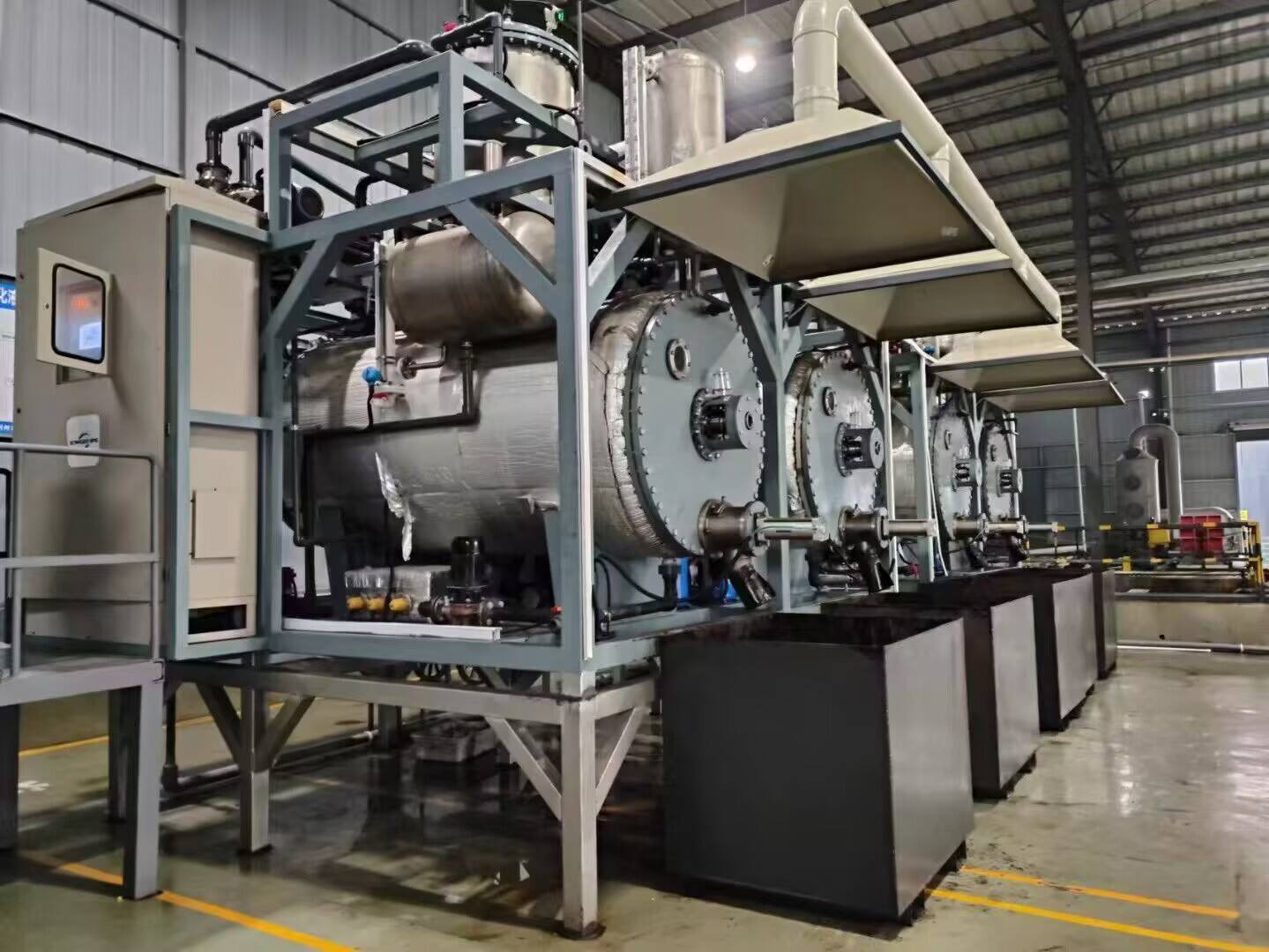
In today's competitive manufacturing landscape, selecting the appropriate water treatment technology can significantly impact operational efficiency and environmental compliance. An industrial vacuum evaporator represents a critical investment for facilities handling contaminated wastewater, chemical processing byproducts, and various liquid waste streams. These sophisticated systems operate under reduced atmospheric pressure, enabling liquid evaporation at lower temperatures while concentrating dissolved solids and recovering clean water for reuse. Understanding the key selection criteria, operational parameters, and performance characteristics becomes essential for making informed purchasing decisions that align with specific industrial requirements and regulatory standards.
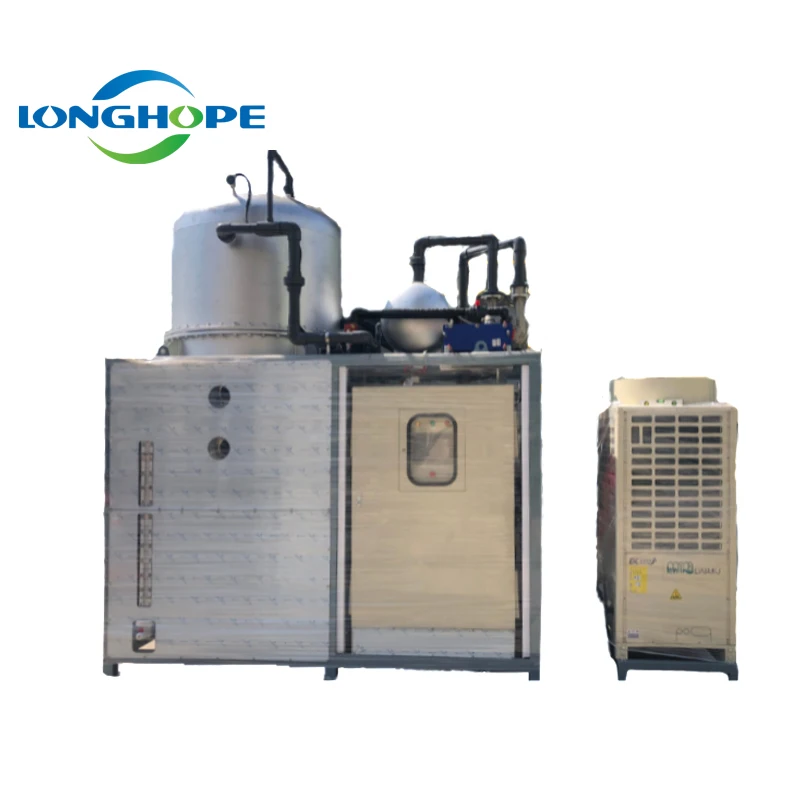
Understanding Vacuum Evaporation Technology
Fundamental Operating Principles
Vacuum evaporation technology leverages reduced atmospheric pressure to lower the boiling point of liquids, enabling efficient separation at temperatures significantly below standard atmospheric conditions. This process occurs within sealed chambers where vacuum pumps continuously remove air and vapor molecules, creating controlled low-pressure environments. The reduced boiling temperatures prevent thermal degradation of heat-sensitive compounds while minimizing energy consumption compared to atmospheric evaporation systems. Industrial applications benefit from this gentle treatment approach, particularly when processing pharmaceutical waste, food industry byproducts, or chemical solutions containing temperature-sensitive components.
The thermodynamic advantages extend beyond temperature control, encompassing improved mass transfer rates and enhanced separation efficiency. Lower operating temperatures reduce scaling tendencies and corrosion rates, extending equipment lifespan and reducing maintenance requirements. Additionally, vacuum conditions enable processing of materials with high boiling points under atmospheric pressure, expanding the range of treatable waste streams and improving overall system versatility.
Heat Transfer Mechanisms
Effective heat transfer represents the cornerstone of vacuum evaporator performance, directly influencing energy efficiency and processing capacity. Modern systems employ various heat exchange configurations, including falling film, rising film, and forced circulation designs, each optimized for specific applications and fluid characteristics. The selection of appropriate heat transfer mechanisms depends on factors such as viscosity, solid content, fouling tendencies, and required concentration ratios.
Advanced heat recovery systems capture latent heat from generated vapor, recycling thermal energy through mechanical vapor recompression or thermal vapor recompression technologies. These integration strategies significantly reduce external energy requirements while improving overall system efficiency. Proper heat exchanger sizing and surface area calculations ensure optimal performance under varying load conditions and seasonal temperature fluctuations.
System Design Considerations
Capacity and Throughput Planning
Accurate capacity planning forms the foundation of successful vacuum evaporator system selection, requiring comprehensive analysis of current and projected waste volumes, concentration requirements, and operational schedules. Engineers must evaluate peak loading scenarios, seasonal variations, and potential future expansion needs to ensure adequate processing capacity without oversizing equipment. Proper throughput calculations incorporate factors such as feed concentration, target discharge specifications, and allowable residence times.
System sizing methodologies consider both continuous and batch processing requirements, accounting for startup and shutdown cycles, cleaning procedures, and maintenance intervals. Modular designs offer flexibility for capacity adjustments while maintaining operational continuity during equipment servicing. Advanced control systems enable automatic load balancing and optimization of processing parameters based on real-time feedback from multiple sensors and analytical instruments.
Material Selection and Construction
Material compatibility with process fluids determines long-term reliability and operational safety of vacuum evaporator systems. Corrosion-resistant alloys, specialized coatings, and advanced polymer materials provide protection against aggressive chemicals, high temperatures, and abrasive conditions. Stainless steel grades, titanium alloys, and exotic materials like Hastelloy offer superior performance in demanding applications involving acids, bases, and halogenated compounds.
Construction standards must comply with pressure vessel codes, safety regulations, and industry-specific requirements for pharmaceutical, food processing, or chemical manufacturing facilities. Welding procedures, surface finishes, and inspection protocols ensure structural integrity under vacuum conditions while preventing contamination and maintaining product quality. Proper material selection extends equipment lifespan, reduces maintenance costs, and ensures consistent performance throughout the operational lifecycle.
Performance Optimization Strategies
Energy Efficiency Maximization
Energy optimization in vacuum evaporation systems requires systematic evaluation of heat recovery opportunities, vacuum system efficiency, and process integration possibilities. Heat pump technologies, including mechanical and thermal vapor recompression, capture and reuse latent heat from evaporated vapor, achieving significant energy savings compared to conventional steam heating systems. These technologies become particularly attractive in facilities with high energy costs or sustainability commitments.
Advanced process control algorithms optimize operating parameters in real-time, adjusting vacuum levels, heating temperatures, and circulation rates based on feed characteristics and performance targets. Multi-effect configurations cascade heat utilization across multiple evaporation stages, maximizing thermal efficiency while reducing overall energy consumption. Integration with facility heating systems, hot water generation, or other thermal processes creates synergistic energy utilization opportunities.
Automation and Control Integration
Modern industrial vacuum evaporator systems incorporate sophisticated automation platforms enabling remote monitoring, predictive maintenance, and automated operation cycles. Programmable logic controllers coordinate complex sequences involving feed pumps, vacuum systems, heating elements, and discharge mechanisms while maintaining safety interlocks and alarm functions. Human-machine interfaces provide operators with intuitive access to system status, performance trends, and diagnostic information.
Data logging and analytical capabilities support regulatory compliance documentation, performance optimization initiatives, and troubleshooting activities. Wireless communication protocols enable integration with plant-wide manufacturing execution systems and enterprise resource planning platforms. Predictive analytics algorithms analyze operational data patterns to forecast maintenance requirements, optimize cleaning cycles, and prevent unexpected downtime events.
Application-Specific Requirements
Pharmaceutical and Biotechnology Applications
Pharmaceutical manufacturing facilities require vacuum evaporation systems meeting stringent regulatory standards for product quality, contamination prevention, and validation documentation. Clean-in-place systems, sterile design principles, and validated cleaning procedures ensure compliance with Good Manufacturing Practice requirements. Specialized materials and surface finishes prevent product contamination while enabling thorough cleaning and sanitization between batches.
Temperature-sensitive pharmaceutical compounds benefit from gentle vacuum evaporation conditions, preserving molecular integrity and biological activity. Process validation protocols document system performance characteristics, establishing operating ranges and acceptance criteria for routine production activities. Regulatory submissions require comprehensive documentation of system design, materials of construction, and performance qualification testing results.
Chemical Processing and Petrochemical Industries
Chemical processing applications demand robust vacuum evaporator designs capable of handling corrosive chemicals, high-temperature operation, and varying feed compositions. Specialized alloys, protective coatings, and engineered polymers provide chemical compatibility with aggressive process streams while maintaining structural integrity under demanding operating conditions. Safety systems including emergency venting, fire suppression, and toxic gas detection protect personnel and facilities from potential hazards.
Solvent recovery applications utilize vacuum evaporation to separate valuable chemicals from waste streams, generating economic benefits while reducing disposal costs. Explosion-proof electrical systems, inert gas blanketing, and static electricity prevention measures ensure safe operation when processing flammable or combustible materials. Specialized vapor handling systems capture and condense recovered solvents for reuse or safe disposal.
Economic Evaluation and Return on Investment
Capital Cost Analysis
Comprehensive capital cost evaluation encompasses equipment purchase price, installation expenses, utility connections, and ancillary systems required for complete vacuum evaporator implementation. Site preparation requirements, structural modifications, and permit acquisition costs contribute to total project investment. Engineering design services, project management, and commissioning activities represent additional cost components requiring careful budgeting and scheduling coordination.
Financing options including equipment leasing, rent-to-own arrangements, and performance-based contracts provide alternatives to direct capital expenditure while preserving cash flow for other operational priorities. Equipment standardization and modular designs reduce custom engineering costs while enabling faster delivery schedules. Long-term service agreements and extended warranties protect against unexpected maintenance expenses during the initial operational period.
Operating Cost Optimization
Operating cost analysis evaluates energy consumption, maintenance requirements, consumable materials, and labor expenses associated with vacuum evaporator systems throughout their operational lifecycle. Energy-efficient designs incorporating heat recovery technologies significantly reduce utility costs while improving environmental performance metrics. Automated operation reduces labor requirements while improving process consistency and reliability.
Waste disposal cost reductions through volume minimization and water recovery generate substantial ongoing savings, particularly for facilities processing large quantities of contaminated wastewater. Preventive maintenance programs extend equipment lifespan while minimizing unexpected repair costs and production disruptions. Performance monitoring systems identify optimization opportunities and efficiency improvements, supporting continuous cost reduction initiatives.
FAQ
What factors determine the optimal vacuum level for evaporation processes
Optimal vacuum levels depend on the boiling point characteristics of the liquid being processed, desired evaporation temperature, and energy efficiency considerations. Lower vacuum levels enable evaporation at reduced temperatures, preventing thermal degradation while reducing energy consumption. However, deeper vacuum conditions require more powerful vacuum pumps and increased operating costs. The selection balances processing requirements with economic considerations, typically operating at vacuum levels between 50-200 mbar absolute pressure for most industrial applications.
How does scaling affect vacuum evaporator performance and maintenance
Scaling formation on heat transfer surfaces significantly reduces evaporator efficiency by creating thermal resistance barriers and restricting flow passages. Regular cleaning cycles using chemical descaling agents, mechanical cleaning methods, or ultrasonic technologies help maintain optimal performance. Anti-scaling additives, proper pH control, and temperature management strategies prevent excessive scale formation. Monitoring heat transfer coefficients and pressure drops provides early indication of scaling conditions, enabling proactive maintenance scheduling.
What safety considerations apply to vacuum evaporator system operation
Vacuum system safety requires protection against implosion hazards, proper vacuum relief systems, and emergency pressure equalization procedures. Operator training covers vacuum hazards, emergency shutdown procedures, and proper maintenance practices. Safety interlocks prevent operation under unsafe conditions while monitoring systems detect vacuum loss, overheating, or equipment malfunctions. Regular inspection of vacuum vessels, piping systems, and safety devices ensures continued safe operation throughout the equipment lifecycle.
How do environmental regulations impact vacuum evaporator system selection
Environmental compliance requirements influence system design through discharge water quality standards, air emission limits, and waste disposal regulations. Advanced treatment technologies may be required to meet stringent discharge specifications for specific contaminants or total dissolved solids. Air pollution control systems capture and treat vapor emissions to prevent atmospheric contamination. Proper documentation and monitoring systems demonstrate regulatory compliance while supporting permit renewal and regulatory reporting requirements.