 EN
EN
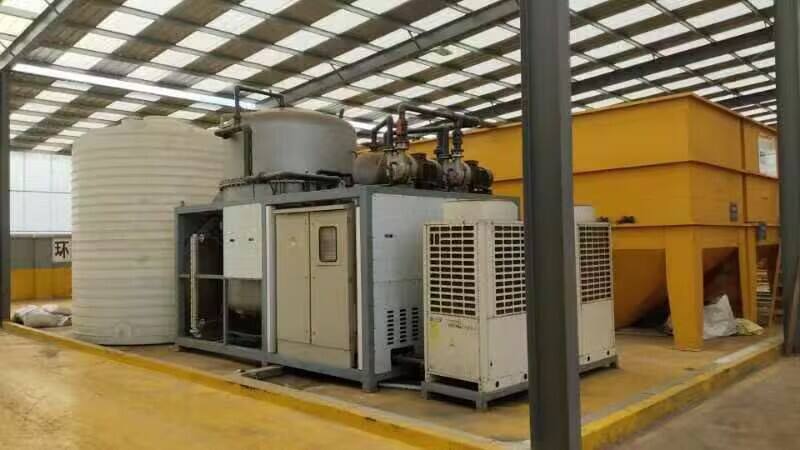
Industrial wastewater treatment and material separation processes have evolved significantly with the introduction of advanced crystallization technologies. Among these innovations, low temperature scraper crystallization has emerged as a highly efficient method for processing heat-sensitive materials while maintaining product integrity and reducing operational costs. This technology combines the principles of controlled cooling with mechanical scraping mechanisms to achieve superior crystal formation and separation rates. Manufacturing facilities across pharmaceutical, chemical, and food processing industries are increasingly adopting this technology to enhance their production capabilities and meet stringent quality requirements. The precise temperature control and continuous scraping action make this process particularly suitable for materials that would otherwise degrade under conventional high-temperature crystallization methods.
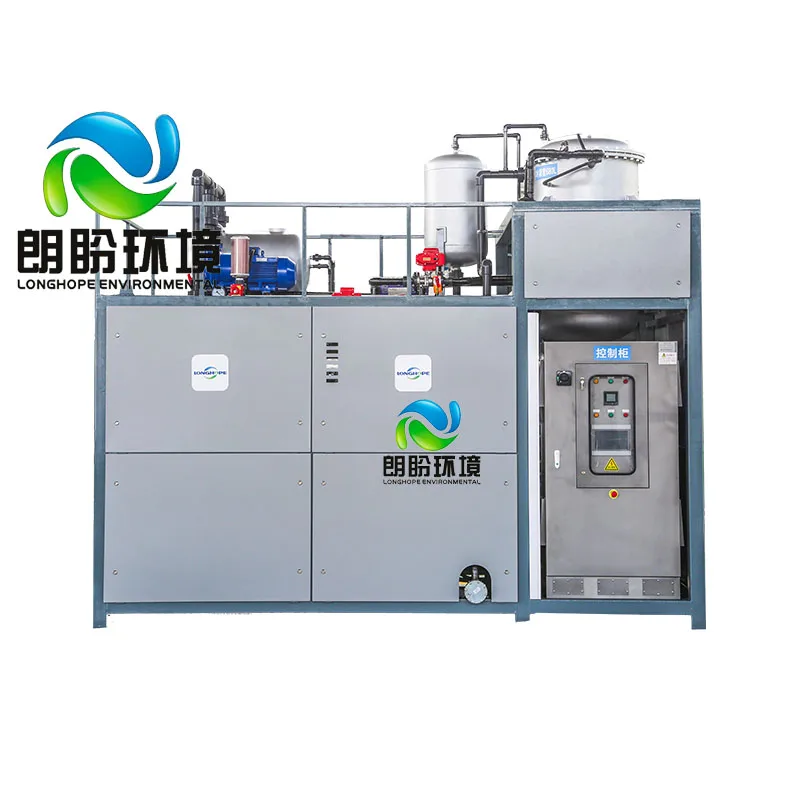
Fundamentals of Low Temperature Crystallization Technology
Scientific Principles and Thermodynamic Considerations
The scientific foundation of low temperature scraper crystallization relies on controlled supersaturation and nucleation processes that occur at reduced thermal conditions. Unlike traditional crystallization methods that depend on high-temperature evaporation, this technology utilizes cooling-induced precipitation to achieve desired crystal formation. The thermodynamic advantage lies in the ability to maintain molecular stability while promoting organized crystal lattice development. Temperature gradients are carefully managed to create optimal conditions for uniform crystal growth without thermal stress on sensitive compounds. This approach significantly reduces the risk of decomposition, racemization, or other temperature-induced degradation reactions that commonly occur in conventional crystallization processes.
Supersaturation levels are precisely controlled through temperature manipulation, allowing operators to influence crystal size distribution and morphology. The cooling rate directly impacts nucleation density, with slower cooling typically producing larger, more uniform crystals suitable for pharmaceutical applications. Heat transfer coefficients in low temperature systems require specialized design considerations to ensure adequate driving force for crystallization while maintaining temperature precision. Mass transfer limitations are minimized through the scraping mechanism, which continuously refreshes the heat transfer surface and prevents fouling buildup that could impair thermal performance.
Mechanical Scraping Mechanisms and Design Features
The mechanical scraping component represents the core innovation that distinguishes this technology from static crystallization methods. Specialized scraper blades are engineered to continuously remove crystal deposits from heat exchange surfaces while maintaining optimal flow patterns within the crystallization vessel. These scraping elements operate at predetermined speeds and patterns to ensure complete surface coverage without damaging delicate crystal structures. The scraper design must accommodate varying crystal morphologies and sizes while providing consistent mechanical action throughout the crystallization cycle.
Materials of construction for scraping components require careful selection to ensure chemical compatibility and mechanical durability under continuous operation. Stainless steel alloys, specialized polymers, and composite materials are commonly employed depending on the specific application requirements and chemical environment. The scraping mechanism also serves to enhance mixing within the crystallization zone, promoting uniform temperature distribution and preventing localized supersaturation that could lead to uncontrolled nucleation events. Advanced scraper designs incorporate adjustable blade angles and variable speed controls to optimize performance for different product specifications and operating conditions.
Equipment Configuration and Process Design
Vessel Design and Heat Exchange Systems
The vessel configuration for low temperature scraper crystallization systems incorporates specialized geometries to maximize heat transfer efficiency while accommodating the mechanical scraping components. Cylindrical or rectangular vessels with enhanced surface area designs provide optimal thermal contact between the process fluid and cooling medium. Internal baffles and flow directors ensure proper circulation patterns that complement the scraping action and prevent dead zones where crystals might accumulate without proper temperature control.
Heat exchange systems utilize advanced cooling technologies including glycol circulation, direct refrigeration, or specialized heat pump configurations to achieve the precise temperature control required for optimal crystallization. The cooling system design must account for the heat of crystallization, which is released during the phase change process and must be efficiently removed to maintain desired operating temperatures. Insulation systems and thermal barriers are critical components that prevent external heat gain and maintain temperature stability throughout the crystallization cycle. Advanced control systems monitor multiple temperature points and automatically adjust cooling capacity to compensate for process variations and external conditions.
Automation and Control Systems Integration
Modern low temperature scraper crystallization equipment incorporates sophisticated automation systems that monitor and control multiple process variables simultaneously. Temperature control loops utilize advanced algorithms to maintain precise setpoints while compensating for process disturbances and varying heat loads. Scraper speed control systems adjust mechanical operation based on real-time feedback from crystal detection sensors and rheological measurements. These integrated control systems enable operators to achieve consistent product quality while minimizing manual intervention and reducing the potential for human error.
Data acquisition and process monitoring capabilities provide comprehensive insight into crystallization performance and enable optimization of operating parameters. Historical trending and statistical analysis functions help identify process improvements and predict maintenance requirements before equipment failures occur. Safety interlocks and emergency shutdown systems protect both personnel and equipment from potentially hazardous conditions that might arise during abnormal operating scenarios. Remote monitoring capabilities allow process engineers to oversee multiple crystallization units from centralized control rooms, improving operational efficiency and response times.
Industrial Applications and Market Segments
Pharmaceutical and Biotechnology Applications
The pharmaceutical industry represents one of the largest market segments for low temperature scraper crystallization technology due to the prevalence of heat-sensitive active pharmaceutical ingredients that require careful processing. Antibiotic production, vitamin crystallization, and specialty pharmaceutical intermediates benefit significantly from the gentle processing conditions that preserve molecular integrity and bioactivity. The technology is particularly valuable for processing chiral compounds where temperature-induced racemization must be avoided to maintain therapeutic efficacy. Regulatory compliance requirements in pharmaceutical manufacturing align well with the precise control capabilities and documentation features available in modern crystallization systems.
Biotechnology applications include the purification and crystallization of proteins, enzymes, and other biological molecules that are extremely sensitive to thermal degradation. The low temperature environment helps maintain protein folding and enzymatic activity while achieving the high purity levels required for therapeutic applications. Scale-up considerations from laboratory to production scale are facilitated by the predictable heat and mass transfer characteristics of scraper crystallization systems. Quality assurance protocols can be implemented more effectively due to the consistent operating conditions and reduced variability compared to alternative crystallization methods.
Chemical Processing and Specialty Materials
Chemical processing industries utilize low temperature scraper crystallization for producing high-purity specialty chemicals, catalysts, and advanced materials that require precise control over crystal structure and morphology. Fine chemicals production benefits from the ability to achieve narrow crystal size distributions that improve downstream processing efficiency and product performance. The technology is particularly suitable for processing organic compounds that undergo thermal decomposition or polymerization reactions at elevated temperatures. Catalyst preparation applications require the precise control over crystal structure that directly impacts catalytic activity and selectivity.
Advanced materials applications include the production of electronic materials, optical components, and nanotechnology precursors where crystal perfection directly influences functional properties. The controlled crystallization environment enables the formation of single crystals or highly oriented polycrystalline structures that are essential for electronic and optical applications. Semiconductor processing applications benefit from the ultra-high purity achievable through controlled crystallization at reduced temperatures where impurity incorporation is minimized.
Economic Benefits and Operational Advantages
Energy Efficiency and Cost Reduction
Low temperature scraper crystallization systems offer significant energy efficiency advantages compared to conventional high-temperature crystallization methods. Reduced heating requirements translate directly into lower utility costs, particularly in large-scale industrial operations where energy represents a substantial portion of operating expenses. The mechanical scraping action improves heat transfer coefficients, allowing for more compact equipment designs that require less capital investment and facility space. Lower operating temperatures also reduce thermal stress on equipment components, extending service life and reducing maintenance costs over the equipment lifecycle.
Process efficiency improvements result from higher crystal yields and reduced product losses due to thermal degradation. The gentle processing conditions minimize the formation of undesirable byproducts or impurities that would require additional purification steps or waste treatment. Continuous operation capabilities reduce batch-to-batch variations and eliminate the productivity losses associated with heating and cooling cycles required in traditional batch crystallization processes. These operational advantages contribute to improved overall equipment effectiveness and higher return on investment for manufacturing facilities.
Product Quality and Process Reliability
The superior product quality achievable through low temperature scraper crystallization translates into significant economic value, particularly for high-value pharmaceutical and specialty chemical applications. Consistent crystal morphology and size distribution improve product flowability, dissolution characteristics, and stability during storage. Reduced impurity levels minimize downstream purification requirements and improve final product yields. The predictable and controllable nature of the crystallization process reduces quality variability and associated costs from product rejection or rework.
Process reliability advantages include reduced fouling and scaling compared to conventional crystallization methods, resulting in longer operating campaigns and reduced cleaning downtime. The mechanical scraping action prevents the buildup of deposits that could compromise heat transfer or create contamination risks. Automated control systems provide consistent operation with minimal operator intervention, reducing labor costs and improving safety by minimizing human exposure to potentially hazardous materials or operating conditions.
FAQ
What are the typical temperature ranges for low temperature scraper crystallization processes
Low temperature scraper crystallization systems typically operate in temperature ranges from -20°C to 80°C, depending on the specific material being processed and the desired crystal characteristics. Most pharmaceutical applications operate between 0°C and 40°C to preserve molecular stability, while some specialty chemical processes may require sub-zero temperatures. The precise temperature control capabilities allow for optimization within narrow ranges, often within ±1°C, to achieve consistent crystal formation and quality.
How does scraper blade design affect crystallization performance
Scraper blade design significantly influences heat transfer efficiency, crystal morphology, and overall system performance. Blade geometry, materials of construction, and operating speed must be optimized for each specific application to achieve desired results. Proper blade design ensures complete surface coverage while minimizing crystal breakage and maintaining optimal flow patterns within the crystallization vessel. Advanced designs incorporate variable speed controls and adjustable blade angles to accommodate different crystal characteristics and operating conditions.
What maintenance requirements are associated with mechanical scraping components
Mechanical scraping components require regular inspection and maintenance to ensure optimal performance and prevent unexpected failures. Typical maintenance activities include blade wear monitoring, bearing lubrication, alignment checks, and seal replacement. The frequency of maintenance depends on operating conditions, material characteristics, and equipment design, but most systems require major maintenance intervals of 6-12 months. Predictive maintenance technologies can help optimize maintenance scheduling and prevent costly unplanned downtime.
How does this technology compare to conventional crystallization methods in terms of environmental impact
Low temperature scraper crystallization offers significant environmental advantages compared to conventional high-temperature methods. Reduced energy consumption leads to lower greenhouse gas emissions and decreased environmental footprint. The gentle processing conditions minimize waste generation and reduce the need for harsh chemicals or extreme operating conditions. Higher product yields and improved process efficiency contribute to more sustainable manufacturing practices while reducing overall resource consumption and waste disposal requirements.
Table of Contents
- Fundamentals of Low Temperature Crystallization Technology
- Equipment Configuration and Process Design
- Industrial Applications and Market Segments
- Economic Benefits and Operational Advantages
-
FAQ
- What are the typical temperature ranges for low temperature scraper crystallization processes
- How does scraper blade design affect crystallization performance
- What maintenance requirements are associated with mechanical scraping components
- How does this technology compare to conventional crystallization methods in terms of environmental impact