 EN
EN
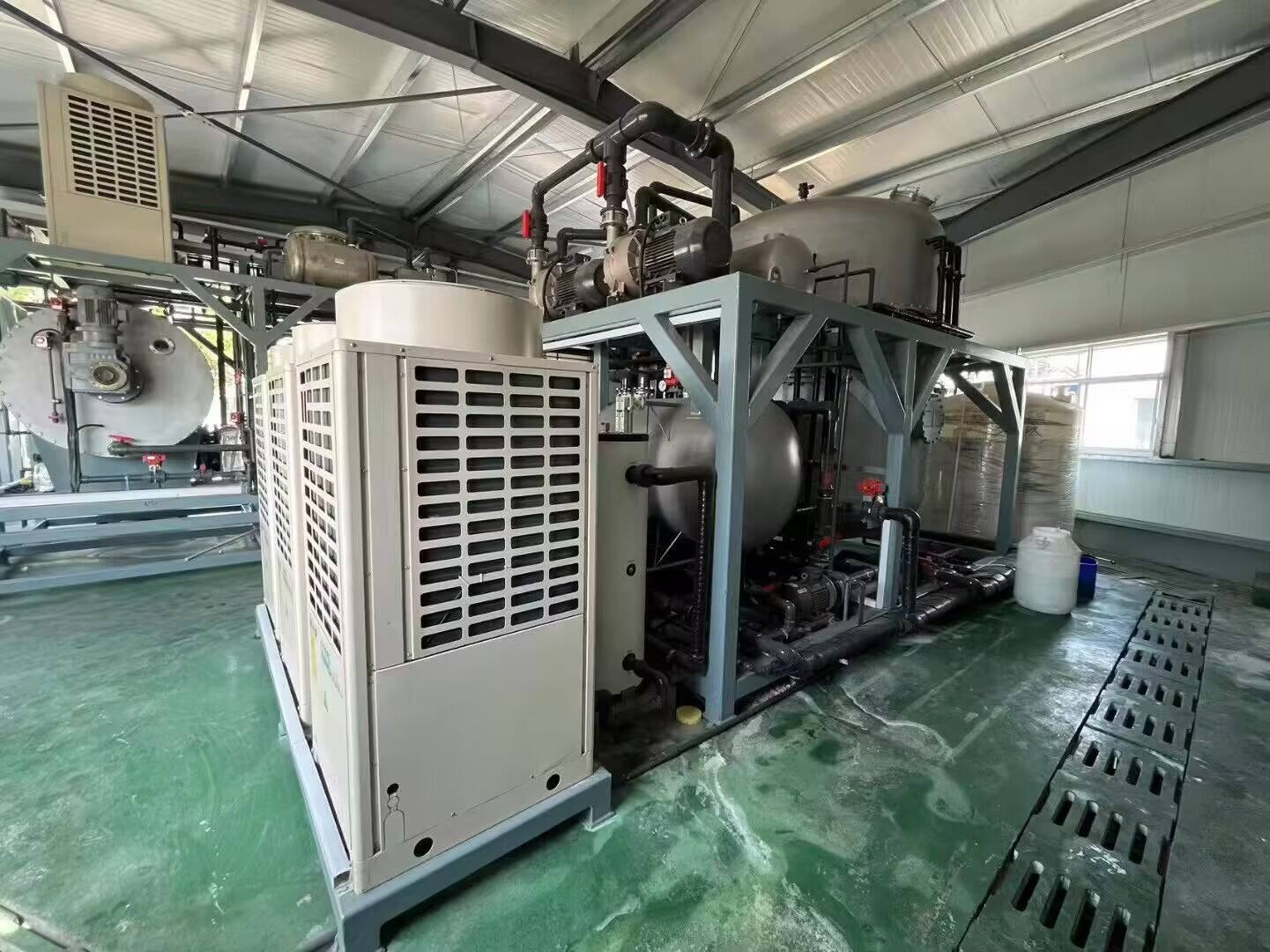
Wastewater treatment has become a critical concern for manufacturing facilities and industrial plants worldwide. As environmental regulations tighten and water scarcity increases, companies are seeking advanced technologies that can efficiently process contaminated water while minimizing energy consumption. Modern industrial facilities require innovative solutions that not only comply with stringent discharge standards but also provide cost-effective operation and reliable performance.
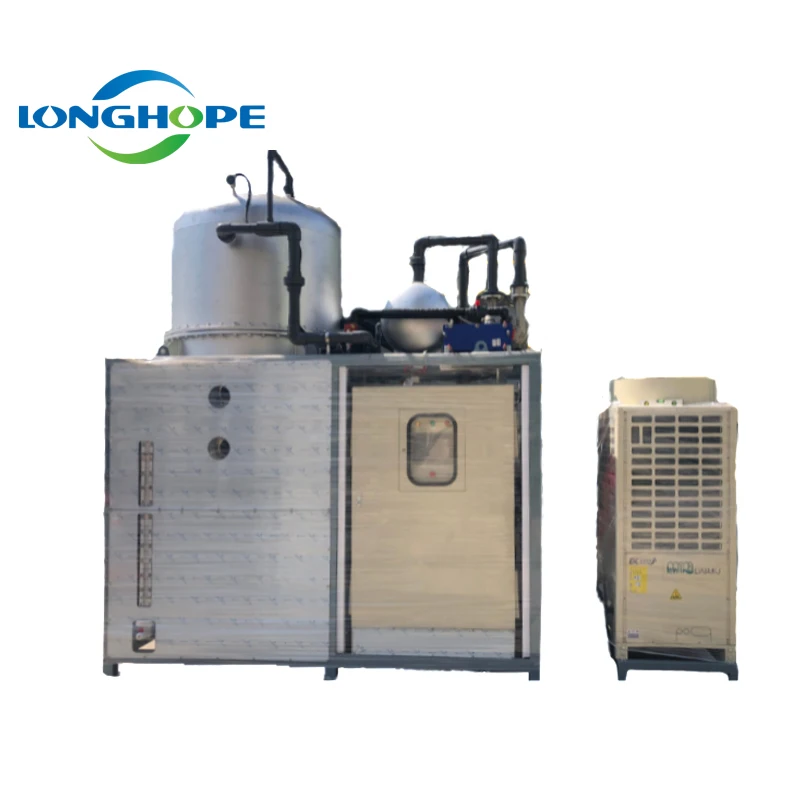
The evolution of water treatment technologies has led to sophisticated systems that can handle various types of industrial waste streams. These advanced systems incorporate cutting-edge engineering principles to achieve maximum efficiency while maintaining environmental compliance. Understanding the benefits and applications of these technologies is essential for facility managers and environmental engineers who must make informed decisions about their wastewater treatment infrastructure.
Understanding Vacuum Evaporation Technology
Fundamental Operating Principles
Vacuum evaporation operates on the principle that liquids boil at lower temperatures when subjected to reduced atmospheric pressure. This fundamental physical property allows water to evaporate at temperatures significantly below its normal boiling point of 100 degrees Celsius. The process creates an environment where efficient separation occurs while consuming less thermal energy compared to conventional atmospheric pressure systems.
The technology utilizes specialized heat exchangers and vacuum pumps to maintain precise pressure conditions throughout the treatment cycle. Heat transfer surfaces are designed to maximize contact area between the heating medium and the wastewater, ensuring optimal energy utilization. The vapor generated during the process is typically condensed and recovered as clean distillate, while concentrated waste remains for further processing or disposal.
Control systems monitor and adjust operating parameters continuously to maintain stable performance across varying feed conditions. Temperature, pressure, and flow rate sensors provide real-time feedback to automated control valves and pumps. This sophisticated monitoring ensures consistent treatment quality and prevents system upsets that could compromise discharge compliance or operational efficiency.
System Components and Configuration
A complete vacuum evaporation system consists of several interconnected components that work together to achieve effective wastewater treatment. The evaporator vessel serves as the primary treatment chamber where the separation process occurs under controlled vacuum conditions. Heat exchangers provide the thermal energy necessary for evaporation while maintaining precise temperature control throughout the system.
Vacuum pumps maintain the reduced pressure environment essential for low-temperature operation. These pumps must be carefully sized to handle both air infiltration and non-condensable gases that may be present in the wastewater stream. Condenser units recover the vapor as clean water, often achieving quality levels suitable for reuse in various plant operations.
Supporting equipment includes feed tanks, product storage vessels, and automated control panels that coordinate system operation. Instrumentation packages provide operators with comprehensive monitoring capabilities and data logging functions for regulatory reporting requirements. The modular design of modern systems allows for easy expansion or modification to accommodate changing treatment needs.
Operational Advantages in Industrial Applications
Energy Efficiency and Cost Savings
The reduced operating temperature requirement of vacuum evaporation systems translates directly into significant energy savings compared to atmospheric pressure alternatives. Lower temperature operation means that waste heat from other plant processes can often be utilized as the primary energy source, reducing overall utility costs. This thermal integration opportunity makes the industrial vacuum evaporator an attractive option for facilities seeking to improve their energy efficiency profile.
Heat recovery systems can capture and reuse thermal energy from the condensation process, further improving overall system efficiency. Multiple-effect configurations allow a single heat source to drive several evaporation stages, multiplying the effective use of input energy. These design features result in operating costs that are typically 30-50% lower than comparable atmospheric pressure systems.
Reduced scaling and fouling tendencies at lower operating temperatures extend equipment life and reduce maintenance requirements. This translates into lower lifecycle costs and improved system availability for continuous industrial operations. The combination of energy savings and reduced maintenance creates a compelling economic case for vacuum evaporation technology adoption.
Environmental Compliance and Sustainability
Modern industrial facilities face increasingly stringent environmental regulations that require advanced treatment capabilities. Vacuum evaporation systems consistently achieve high-quality distillate production that often exceeds discharge requirements for direct environmental release. The concentrated waste stream produced requires significantly less disposal volume compared to conventional treatment methods, reducing waste management costs and environmental impact.
Zero liquid discharge applications become achievable through the high concentration ratios possible with vacuum evaporation technology. This capability is particularly valuable in water-scarce regions or facilities operating under strict discharge limitations. The technology enables companies to minimize their environmental footprint while maintaining productive operations.
Emissions control is enhanced through the enclosed nature of the vacuum evaporation process, preventing volatile compounds from escaping to the atmosphere. This characteristic is especially important when treating wastewater streams containing organic solvents or other regulated substances. The controlled environment ensures that all emissions can be properly captured and treated before release.
Process Optimization and Performance Enhancement
Advanced Control Systems
Modern vacuum evaporation systems incorporate sophisticated process control technologies that optimize performance while minimizing operator intervention. Automated feed rate adjustment responds to changing wastewater composition and maintains stable evaporation conditions throughout the treatment cycle. Predictive control algorithms anticipate process upsets and make preemptive adjustments to prevent system instability.
Real-time monitoring of key performance indicators provides operators with immediate feedback on system efficiency and product quality. Data trending capabilities help identify optimization opportunities and predict maintenance requirements before equipment failures occur. Remote monitoring capabilities allow expert support personnel to provide assistance and troubleshooting guidance from off-site locations.
Integration with plant-wide control systems enables coordination between wastewater treatment operations and upstream production processes. This integration can optimize overall facility water usage and minimize treatment system loading through better process scheduling and waste minimization strategies. The result is improved overall facility efficiency and reduced operational complexity.
Customization for Specific Applications
Each industrial application presents unique wastewater characteristics that require careful consideration during system design and selection. Corrosive compounds may necessitate specialized materials of construction to ensure long-term reliability and performance. High-solids content streams require enhanced heat transfer surfaces and cleaning systems to maintain consistent operation.
Temperature-sensitive compounds benefit from the gentle processing conditions achievable with vacuum evaporation technology. The ability to process these materials without thermal degradation opens new applications in pharmaceutical, food processing, and specialty chemical industries. Custom heat exchanger designs can accommodate specific heating and cooling requirements for optimal performance.
Modular system architectures allow for phased implementation and future expansion as production requirements change. This flexibility provides companies with the ability to start with smaller treatment capacities and grow their capabilities over time. The scalable nature of the technology ensures that investments remain viable as business needs evolve.
Implementation Considerations and Best Practices
Site Planning and Installation
Successful implementation of vacuum evaporation systems requires careful attention to site preparation and utility infrastructure. Adequate space allocation must consider not only the primary equipment footprint but also access requirements for maintenance and component replacement. Structural support requirements may be significant due to the thermal mass and equipment weight associated with complete systems.
Utility requirements include electrical power for pumps and control systems, as well as heating and cooling water for thermal management. Steam or hot water supplies may be necessary depending on the specific heat source configuration selected. Proper utility sizing ensures reliable operation and prevents performance limitations due to inadequate infrastructure capacity.
Environmental considerations during installation include noise control measures and proper ventilation for equipment rooms. Vacuum pump operation can generate significant noise levels that may require acoustic enclosures or sound barriers. Adequate ventilation prevents heat buildup and ensures safe working conditions for operators and maintenance personnel.
Operational Training and Maintenance
Comprehensive operator training programs ensure that plant personnel can safely and effectively operate vacuum evaporation systems. Training curricula should cover normal operating procedures, troubleshooting techniques, and emergency shutdown protocols. Hands-on training with actual equipment helps operators develop confidence and competence with the technology.
Preventive maintenance programs are essential for maintaining peak system performance and reliability. Regular inspection schedules should address critical components such as vacuum pumps, heat exchangers, and control instrumentation. Proper maintenance record keeping supports warranty compliance and helps identify recurring issues that may require design modifications.
Spare parts inventory management ensures that critical components are available when needed to minimize downtime. Recommended spare parts lists provided by equipment manufacturers help facilities stock appropriate inventory levels. Local service support capabilities should be evaluated during vendor selection to ensure timely response for maintenance and repair needs.
Economic Analysis and Return on Investment
Capital Cost Considerations
The initial investment in vacuum evaporation technology must be evaluated against the long-term operational benefits and cost savings achievable through implementation. While capital costs may be higher than conventional treatment alternatives, the superior performance and efficiency characteristics often justify the premium investment. Financing options and equipment leasing programs can help spread the initial cost over the system's operational lifetime.
Total cost of ownership calculations should include energy costs, maintenance requirements, operator training, and waste disposal expenses over the expected equipment life. The high-quality distillate production capability may enable water reuse applications that provide additional economic value through reduced fresh water consumption. These secondary benefits can significantly improve the overall economic attractiveness of the investment.
Government incentives and regulatory credits for environmental compliance may be available to offset initial capital costs. Water conservation rebates and renewable energy credits can provide additional financial benefits that improve project economics. These incentive programs vary by location and should be investigated during the project planning phase.
Operational Cost Benefits
Long-term operational savings result from reduced energy consumption, lower maintenance requirements, and decreased waste disposal costs compared to alternative treatment technologies. The ability to operate on low-grade waste heat sources can eliminate the need for primary energy input in many applications. This characteristic provides significant operational cost advantages, particularly in facilities with abundant waste heat availability.
Reduced chemical consumption requirements compared to conventional treatment processes provide ongoing cost savings. The physical separation process does not typically require chemical additives for coagulation, flocculation, or pH adjustment. This simplification reduces both chemical costs and the complexity of chemical handling and storage systems.
Improved system reliability and availability translate into reduced production disruptions and associated lost revenue. The robust nature of vacuum evaporation equipment and the absence of biological treatment components that are sensitive to upsets contribute to consistent performance. Higher system availability supports continuous production operations and improves overall facility productivity.
Future Developments and Technology Trends
Innovation in Heat Recovery
Emerging heat recovery technologies are expanding the applications where vacuum evaporation systems can operate with minimal external energy input. Advanced heat pump integration allows systems to operate efficiently even when waste heat sources are at relatively low temperatures. These developments make the technology viable for a broader range of industrial applications and operating conditions.
Thermal storage systems enable vacuum evaporators to operate independently of instantaneous heat source availability. This capability is particularly valuable in facilities where waste heat generation is intermittent or varies significantly over time. Energy storage integration provides operational flexibility and improves overall system utilization rates.
Novel heat exchanger designs incorporating enhanced surface technologies improve heat transfer efficiency and reduce equipment size requirements. These advances reduce both capital costs and installation complexity while maintaining or improving system performance. Ongoing research in heat transfer enhancement continues to push the boundaries of thermal efficiency in vacuum evaporation systems.
Digitalization and Smart Systems
Internet of Things integration enables remote monitoring and predictive maintenance capabilities that reduce operational costs and improve reliability. Sensor networks provide comprehensive data collection that supports advanced analytics and machine learning applications. These digital technologies help operators optimize performance and anticipate maintenance needs before problems develop.
Artificial intelligence algorithms can optimize operating parameters in real-time based on changing feed conditions and performance objectives. Machine learning systems continuously improve their performance recommendations based on historical data and observed outcomes. This intelligent optimization capability helps facilities achieve maximum efficiency and performance from their vacuum evaporation investments.
Digital twin technology allows for virtual testing of operational strategies and maintenance scenarios without impacting actual production operations. These simulation capabilities support operator training and help optimize system performance under various operating conditions. The combination of digital modeling and real-world data provides unprecedented insight into system behavior and optimization opportunities.
FAQ
What types of wastewater can be treated with vacuum evaporation systems
Vacuum evaporation systems can effectively treat a wide variety of industrial wastewater streams including high-salinity brines, oil-water emulsions, heavy metal solutions, and organic solvent mixtures. The technology is particularly well-suited for streams with high dissolved solids content that would be difficult to treat with conventional biological or membrane processes. Temperature-sensitive compounds benefit from the gentle processing conditions achievable under vacuum, making the technology suitable for pharmaceutical and specialty chemical applications.
How does energy consumption compare to other treatment technologies
Vacuum evaporation systems typically consume 30-50% less energy than atmospheric pressure evaporation due to the lower operating temperatures required. When waste heat sources are available, energy consumption can be reduced by an additional 60-80% compared to systems requiring primary energy input. Multiple-effect configurations and heat recovery systems further improve energy efficiency, often making vacuum evaporation the most energy-efficient option for high-concentration waste streams.
What maintenance requirements should be expected
Routine maintenance for vacuum evaporation systems includes regular inspection and service of vacuum pumps, cleaning of heat exchanger surfaces, and calibration of control instrumentation. The lower operating temperatures reduce scaling and corrosion compared to high-temperature alternatives, resulting in extended equipment life and reduced maintenance frequency. Most systems require major maintenance intervals of 12-18 months, with daily operational checks and weekly preventive maintenance tasks maintaining peak performance between major service events.
Can the treated water be reused in plant operations
The distillate produced by vacuum evaporation systems typically achieves very high purity levels that often exceed requirements for many industrial reuse applications including boiler feedwater, cooling tower makeup, and process water. The physical separation process removes virtually all dissolved and suspended contaminants, producing water quality that may only require minimal polishing treatment for specific applications. This reuse capability can provide significant economic benefits through reduced fresh water consumption and wastewater discharge volumes.