 EN
EN
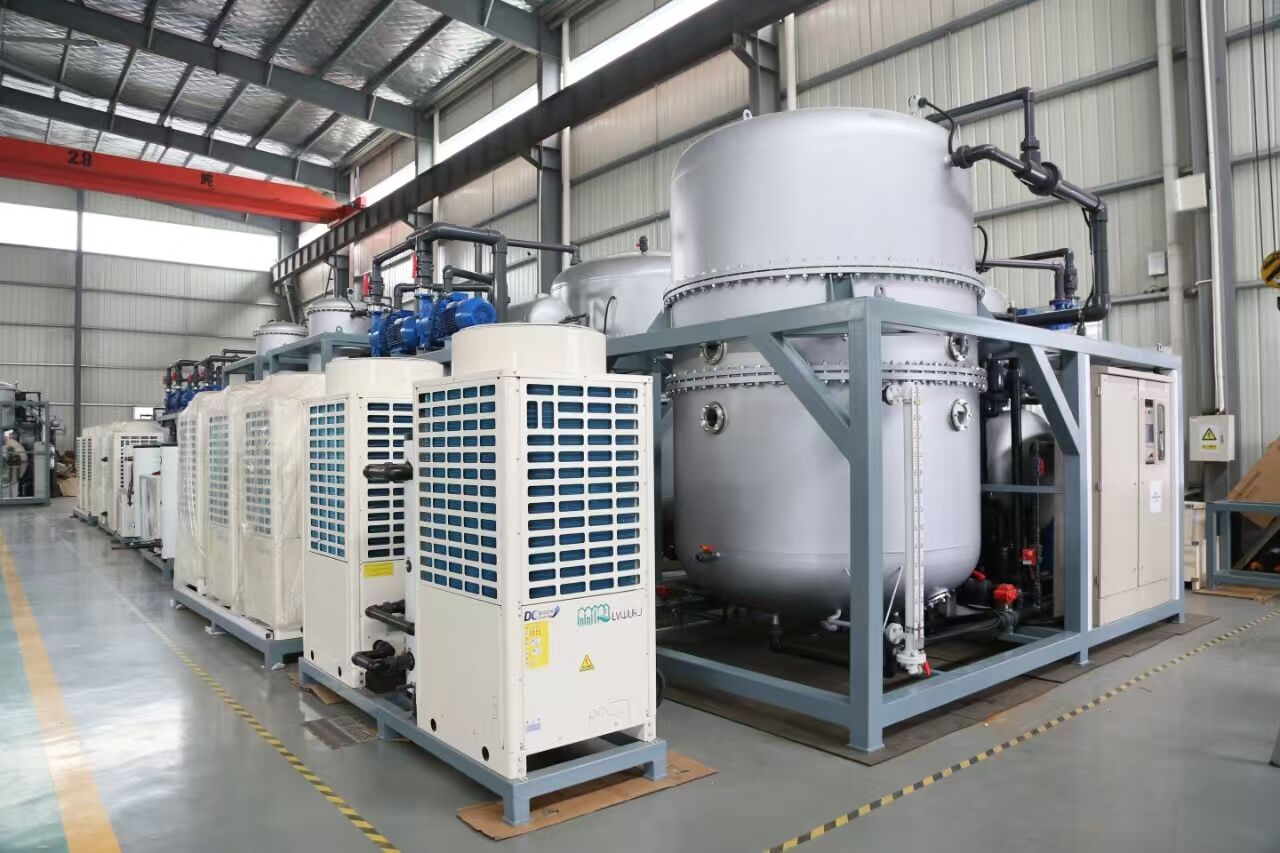
Industrial crystallization processes have evolved dramatically over the past decade, with low temperature scraper crystallization emerging as one of the most efficient and cost-effective methods for separating and purifying various chemical compounds. This advanced technique combines precise temperature control with mechanical scraping action to produce high-quality crystals while minimizing energy consumption and operational costs. Understanding the fundamentals of this process is crucial for engineers, process designers, and facility managers looking to optimize their crystallization operations in 2025 and beyond.
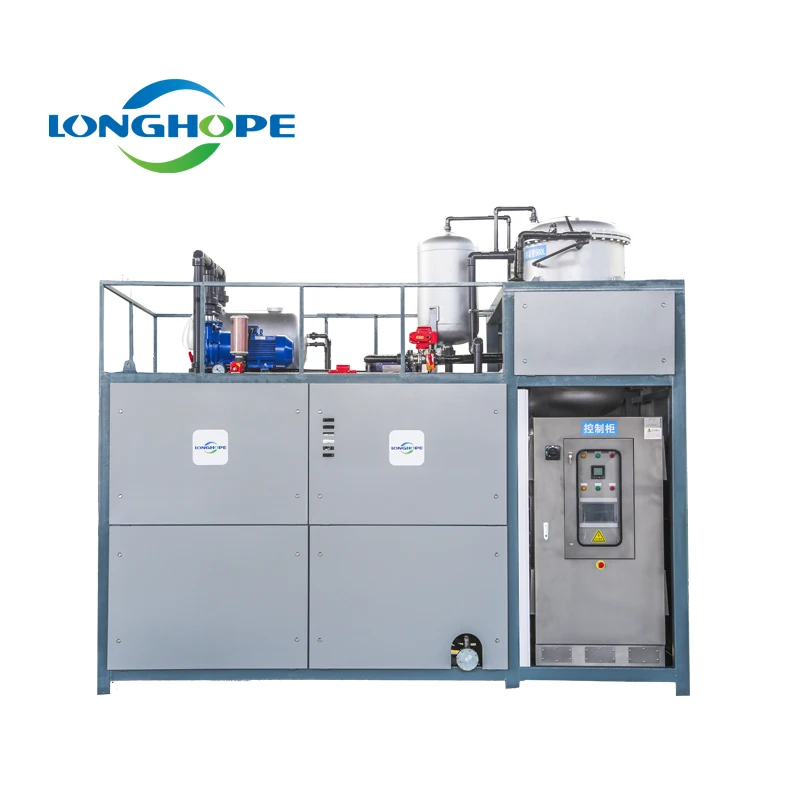
Understanding Low Temperature Crystallization Fundamentals
Core Principles and Mechanisms
Low temperature scraper crystallization operates on the principle of controlled cooling and nucleation, where solutions are gradually cooled to promote crystal formation while maintaining optimal supersaturation levels. The scraping mechanism ensures continuous removal of crystals from heat transfer surfaces, preventing buildup and maintaining efficient heat transfer throughout the process. This combination creates an ideal environment for producing uniform, high-quality crystals with minimal energy input compared to traditional high-temperature methods.
The process leverages the natural tendency of dissolved substances to form crystals when their solubility decreases with temperature reduction. By carefully controlling the cooling rate and maintaining proper agitation through scraping action, operators can achieve precise control over crystal size distribution, purity levels, and overall product quality. The mechanical scraping element prevents fouling and ensures consistent heat transfer efficiency throughout extended operating periods.
Temperature Control and Energy Efficiency
Modern low temperature scraper crystallization systems utilize advanced heat pump technology and precise temperature control algorithms to maintain optimal operating conditions while minimizing energy consumption. These systems can operate effectively at temperatures ranging from ambient conditions down to sub-zero levels, depending on the specific application requirements and material properties involved in the crystallization process.
Energy efficiency improvements of up to 40% compared to conventional crystallization methods make this technology particularly attractive for large-scale industrial operations. The integration of heat recovery systems and advanced insulation materials further enhances overall system efficiency, reducing operational costs and environmental impact while maintaining superior product quality standards.
Equipment Design and Configuration
Scraper Mechanism Engineering
The scraper mechanism represents the heart of the low temperature crystallization system, featuring precision-engineered blades that maintain optimal contact with heat transfer surfaces while preventing damage to delicate crystal structures. Modern scraper designs incorporate variable speed controls, adjustable blade angles, and specialized materials that resist corrosion and wear in demanding chemical environments.
Advanced scraper configurations include spiral designs for enhanced mixing, segmented blades for improved heat transfer, and automated cleaning systems that reduce maintenance requirements. The mechanical design must balance effective crystal removal with minimal power consumption, while ensuring long-term reliability in continuous operation scenarios.
Heat Transfer Surface Optimization
Heat transfer surfaces in low temperature scraper crystallization systems require specialized design considerations to maximize thermal efficiency while maintaining crystal quality. Enhanced surface geometries, including finned tubes, dimpled plates, and textured surfaces, increase heat transfer area and improve overall system performance.
Material selection for heat transfer surfaces involves careful consideration of thermal conductivity, corrosion resistance, and compatibility with process chemicals. Stainless steel alloys, titanium, and specialized coatings provide excellent performance characteristics while ensuring long-term durability and minimal maintenance requirements in industrial applications.
Process Applications and Industry Benefits
Chemical and Pharmaceutical Industries
The chemical and pharmaceutical sectors have embraced low temperature scraper crystallization for producing high-purity active pharmaceutical ingredients, specialty chemicals, and fine chemical products. This technology enables precise control over polymorphic forms, crystal habits, and particle size distributions that are critical for downstream processing and final product performance.
Pharmaceutical applications benefit particularly from the gentle processing conditions that preserve temperature-sensitive compounds while achieving required purity levels. The ability to operate under vacuum conditions further enhances the suitability for heat-sensitive materials, making it an ideal choice for producing complex organic molecules and biological compounds.
Food and Beverage Processing
Food industry applications of low temperature scraper crystallization include sugar refining, salt production, and specialty food ingredient manufacturing. The mild operating conditions preserve nutritional content and sensory properties while achieving excellent product quality and consistency. This technology proves especially valuable for producing organic and natural food products where harsh processing conditions must be avoided.
Beverage industry applications encompass concentrated juice production, flavor compound isolation, and specialty extract manufacturing. The precise temperature control capabilities enable retention of volatile compounds and delicate flavor profiles that would be lost in traditional high-temperature processes, resulting in superior product quality and consumer acceptance.
Operational Considerations and Best Practices
Process Control and Monitoring
Effective operation of low temperature scraper crystallization systems requires comprehensive process monitoring and control strategies that encompass temperature profiles, solution concentrations, crystal growth rates, and mechanical performance parameters. Advanced control systems integrate real-time data acquisition with predictive algorithms to optimize operating conditions and prevent process upsets.
Key monitoring parameters include supersaturation levels, nucleation rates, crystal size distribution, and heat transfer coefficients. Modern systems employ in-line analytical instruments, imaging systems, and automated sampling techniques to provide continuous process feedback and enable real-time optimization adjustments.
Maintenance and Reliability
Preventive maintenance programs for low temperature scraper crystallization equipment focus on scraper blade condition, bearing lubrication, heat transfer surface cleanliness, and control system calibration. Regular inspection schedules and condition monitoring techniques help identify potential issues before they impact production operations or product quality.
Reliability improvements through redundant systems, automated cleaning cycles, and predictive maintenance technologies reduce unplanned downtime and extend equipment service life. Proper maintenance practices can achieve equipment availability rates exceeding 95% while maintaining optimal performance characteristics throughout the operational lifecycle.
Economic Advantages and Return on Investment
Capital and Operating Cost Analysis
Low temperature scraper crystallization systems typically demonstrate favorable economics compared to alternative technologies, with lower initial capital requirements and reduced operating costs driving attractive return on investment calculations. Energy savings alone can justify system implementation within 2-3 years for most industrial applications, while additional benefits from improved product quality and reduced maintenance costs enhance overall economic performance.
Operating cost advantages include reduced energy consumption, lower maintenance requirements, decreased waste generation, and improved yield rates. These factors combine to create compelling economic incentives for adopting low temperature scraper crystallization technology in both new installations and retrofit applications.
Market Trends and Future Outlook
Growing emphasis on sustainability, energy efficiency, and product quality drives increasing adoption of low temperature scraper crystallization across multiple industries. Market projections indicate continued growth in demand for this technology, particularly in emerging markets and specialty chemical applications where traditional methods prove inadequate or economically unfavorable.
Technological advances in heat pump efficiency, control system sophistication, and materials science continue to enhance the performance and economic attractiveness of low temperature scraper crystallization systems. Future developments promise even greater energy efficiency, improved automation capabilities, and expanded application ranges that will further strengthen the market position of this innovative technology.
Implementation Strategies and System Integration
Design Phase Considerations
Successful implementation of low temperature scraper crystallization requires careful consideration of feed characteristics, product specifications, utility availability, and integration with existing process infrastructure. Design teams must evaluate heat and mass balance requirements, equipment sizing parameters, and control system architecture to ensure optimal system performance and seamless integration with surrounding processes.
Site-specific factors including ambient conditions, utility costs, environmental regulations, and space constraints influence system design decisions and equipment selection. Early engagement with experienced suppliers and process engineers helps identify potential challenges and optimize system configuration for specific application requirements.
Commissioning and Startup Procedures
Systematic commissioning procedures ensure proper system functionality and performance verification before full-scale production begins. This includes equipment testing, control system validation, safety system verification, and operator training programs that prepare personnel for safe and efficient system operation.
Startup procedures typically involve gradual system loading, parameter optimization, and performance monitoring to achieve design specifications while minimizing risks and ensuring product quality standards. Experienced technical support during initial operations helps identify optimization opportunities and resolve any operational challenges that may arise during the transition to full production capacity.
FAQ
What are the main advantages of low temperature scraper crystallization over conventional methods?
Low temperature scraper crystallization offers significant advantages including reduced energy consumption, improved product quality, gentler processing conditions for heat-sensitive materials, and lower operational costs. The scraping mechanism prevents fouling and maintains consistent heat transfer efficiency, while the low temperature operation preserves material properties and reduces thermal degradation risks compared to high-temperature crystallization methods.
How does the scraping mechanism affect crystal quality and system performance?
The scraping mechanism plays a crucial role in maintaining optimal heat transfer by continuously removing crystals from heat transfer surfaces, preventing fouling and ensuring consistent thermal performance. This mechanical action also promotes uniform crystal growth by maintaining proper mixing and preventing localized concentration gradients that could lead to irregular crystal formation or size distribution variations.
What types of materials and applications are best suited for this crystallization method?
Low temperature scraper crystallization is particularly well-suited for heat-sensitive materials, pharmaceutical compounds, specialty chemicals, food ingredients, and any application requiring precise crystal size control or high purity levels. The technology excels in processing organic compounds, salts, sugars, and other materials that benefit from gentle processing conditions and controlled nucleation environments.
What maintenance requirements should be expected for low temperature scraper crystallization systems?
Maintenance requirements typically include regular inspection of scraper blades for wear, lubrication of mechanical components, cleaning of heat transfer surfaces, and calibration of control instrumentation. Most systems require scheduled maintenance every 3-6 months depending on operating conditions and material characteristics, with proper maintenance programs achieving equipment availability rates exceeding 95% while maintaining optimal performance throughout the operational lifecycle.
Table of Contents
- Understanding Low Temperature Crystallization Fundamentals
- Equipment Design and Configuration
- Process Applications and Industry Benefits
- Operational Considerations and Best Practices
- Economic Advantages and Return on Investment
- Implementation Strategies and System Integration
-
FAQ
- What are the main advantages of low temperature scraper crystallization over conventional methods?
- How does the scraping mechanism affect crystal quality and system performance?
- What types of materials and applications are best suited for this crystallization method?
- What maintenance requirements should be expected for low temperature scraper crystallization systems?