 EN
EN
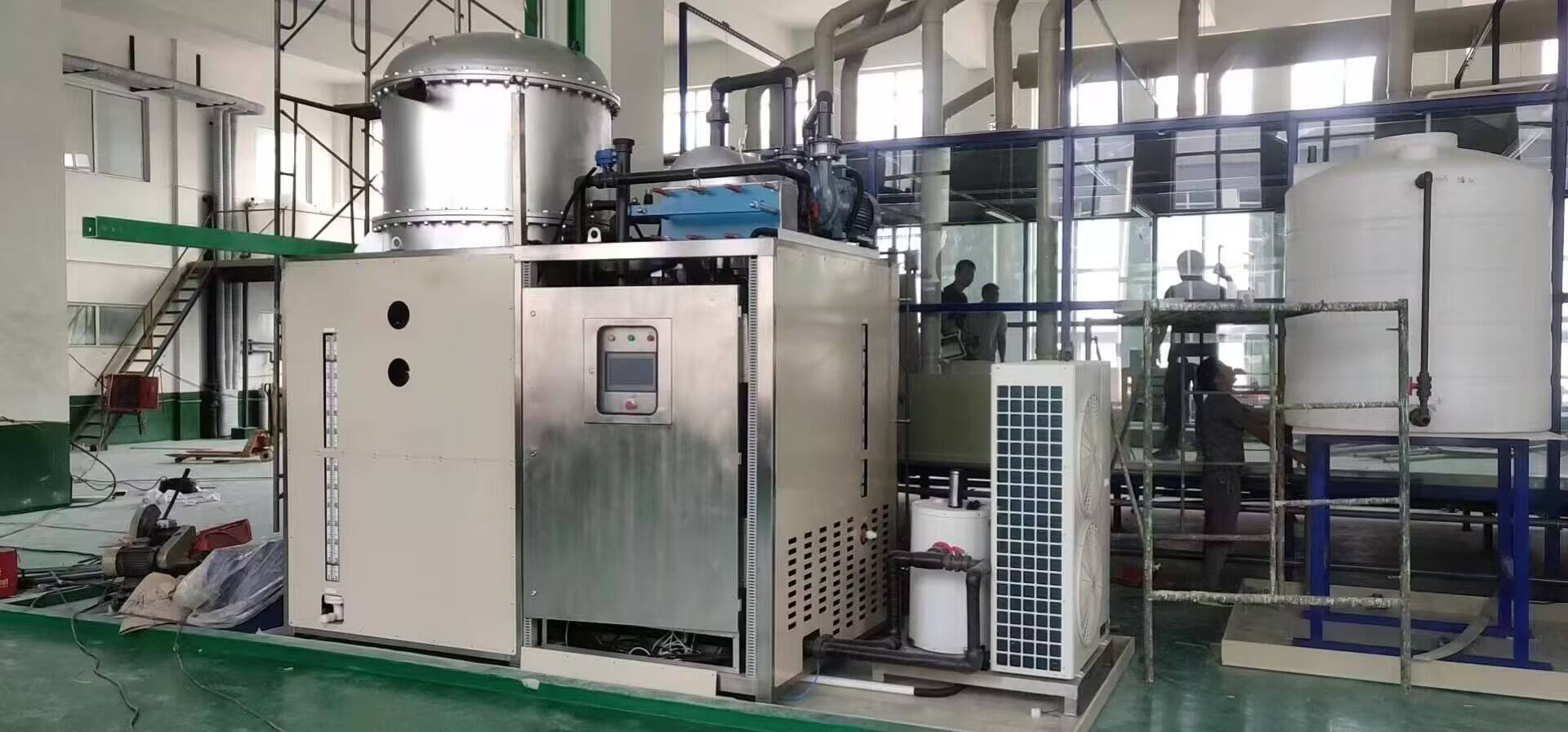
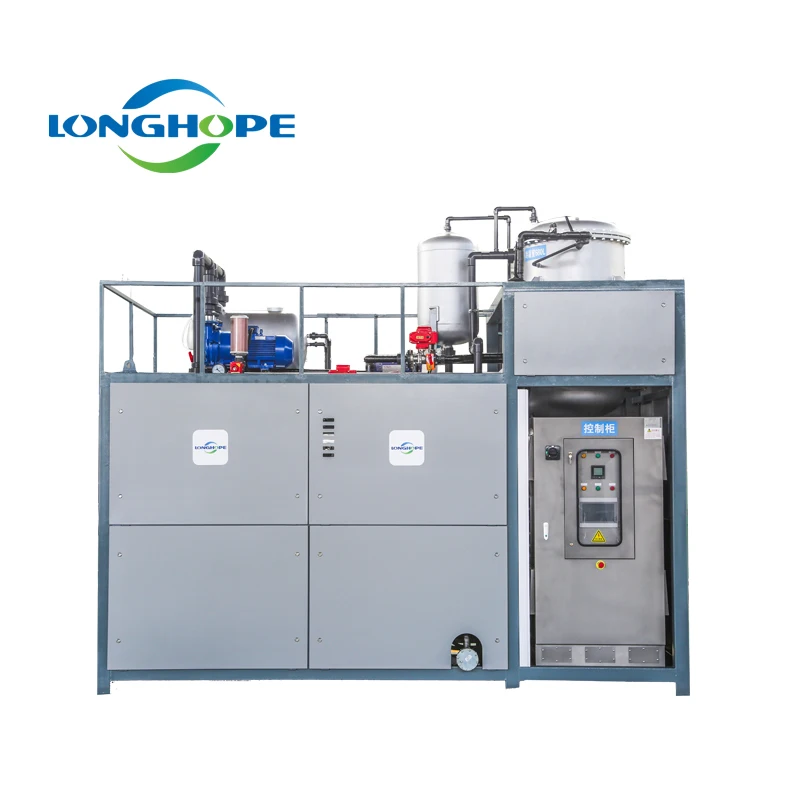
Low temperature scraper crystallization represents a breakthrough technology in industrial processing, offering precise control over crystal formation while maintaining product integrity at reduced temperatures. This advanced separation technique combines mechanical scraping action with controlled cooling systems to achieve superior crystal quality and energy efficiency. Industries worldwide are increasingly adopting this technology to enhance product purity, reduce operational costs, and meet stringent quality standards. The process operates by gradually cooling solutions while continuously scraping crystallized material from cooling surfaces, preventing fouling and ensuring consistent heat transfer throughout the operation.
Pharmaceutical Industry Applications
Active Pharmaceutical Ingredient Production
The pharmaceutical sector leverages low temperature scraper crystallization for producing high-purity active pharmaceutical ingredients where thermal degradation poses significant risks. This technology enables precise control over polymorphic forms, ensuring consistent bioavailability and therapeutic efficacy. The gentle processing conditions preserve molecular integrity while achieving the desired crystal size distribution. Pharmaceutical manufacturers particularly value this approach for heat-sensitive compounds that would otherwise decompose under traditional crystallization methods.
Temperature-sensitive antibiotics, hormones, and complex organic molecules benefit tremendously from this controlled crystallization environment. The scraper mechanism prevents crystal agglomeration and maintains uniform particle size, critical factors for pharmaceutical formulation consistency. Additionally, the reduced processing temperatures minimize the formation of unwanted impurities that could compromise product safety and regulatory compliance.
Specialty Chemical Synthesis
Specialty chemicals requiring precise crystal morphology and purity levels utilize low temperature scraper crystallization to achieve superior product characteristics. This includes fine chemicals, catalysts, and intermediate compounds where crystal structure directly impacts performance properties. The technology provides excellent control over nucleation and growth rates, enabling manufacturers to tailor crystal properties for specific applications.
The pharmaceutical industry also employs this technology for salt formation processes, where precise pH and temperature control are essential for achieving the desired salt form. The continuous scraping action prevents surface fouling that could lead to uncontrolled crystallization or heat transfer issues. This results in consistent product quality and reduced batch-to-batch variation, crucial factors for regulatory approval and commercial success.
Food and Beverage Processing
Sugar Refining Operations
Sugar refineries implement low temperature scraper crystallization systems to produce high-quality crystalline sugar while preserving flavor profiles and preventing caramelization. The controlled temperature environment ensures optimal sucrose crystal formation without thermal degradation that could affect taste, color, or nutritional value. This technology is particularly valuable for producing specialty sugars, including organic and raw sugar varieties that command premium market prices.
The scraper mechanism continuously removes formed crystals from cooling surfaces, preventing the formation of hard deposits that could interfere with heat transfer efficiency. This maintains consistent processing conditions throughout extended production runs, reducing downtime for cleaning and maintenance. The technology also enables better separation of impurities, resulting in higher purity sugar products that meet strict food grade specifications.
Natural Extract Concentration
Food manufacturers utilize low temperature scraper crystallization for concentrating natural extracts, flavors, and nutritional compounds without compromising their bioactive properties. The gentle processing conditions preserve volatile compounds that contribute to flavor and aroma characteristics. This is especially important for premium food products where maintaining natural characteristics justifies higher processing costs.
Fruit juice concentrates, herbal extracts, and vitamin preparations benefit from this technology's ability to remove water while retaining heat-sensitive nutrients and flavor compounds. The precise temperature control prevents degradation of vitamins, antioxidants, and other beneficial compounds that would be lost under higher temperature processing methods. This results in superior product quality and extended shelf life compared to conventional concentration techniques.
Chemical Manufacturing
Inorganic Salt Production
Chemical manufacturers employ low temperature scraper crystallization for producing high-purity inorganic salts used in various industrial applications. This technology ensures consistent crystal size and morphology, critical factors for applications requiring specific dissolution rates or particle characteristics. The controlled crystallization environment minimizes the formation of unwanted polymorphic forms that could affect product performance in downstream applications.
Lithium salts for battery applications, specialty fertilizers, and technical grade chemicals benefit from the precise control offered by this crystallization method. The technology enables manufacturers to achieve tight specifications for particle size distribution, bulk density, and flowability characteristics. These properties directly impact product handling, storage, and performance in end-use applications, making process control essential for commercial success.
Polymer and Resin Processing
The polymer industry utilizes low temperature scraper crystallization for recovering and purifying monomers, catalysts, and specialty additives from process streams. This technology enables efficient separation while maintaining product quality and minimizing thermal degradation risks. The gentle processing conditions are particularly valuable for temperature-sensitive polymer additives that could decompose under traditional separation methods.
Catalyst recovery systems benefit significantly from this technology's ability to maintain activity levels while achieving high purity. The controlled crystallization environment prevents thermal deactivation of sensitive catalytic sites, enabling catalyst reuse and reducing overall process costs. Additionally, the technology facilitates the recovery of valuable monomers from waste streams, contributing to more sustainable manufacturing practices.
Environmental and Water Treatment
Waste Stream Recovery
Environmental applications leverage low temperature scraper crystallization for recovering valuable materials from industrial waste streams while minimizing energy consumption. This technology enables the economical recovery of salts, metals, and organic compounds that would otherwise require disposal. The process contributes to circular economy initiatives by transforming waste into valuable products or raw materials for other processes.
Mining operations utilize this technology for recovering precious metals and rare earth elements from process solutions. The precise control over crystallization conditions enables selective recovery of target compounds while leaving impurities in solution. This selective crystallization capability reduces the need for additional purification steps and improves overall process economics.
Water Purification Systems
Water treatment facilities implement low temperature scraper crystallization for removing dissolved minerals and producing high-purity water for industrial applications. The technology enables efficient desalination while minimizing energy consumption compared to traditional thermal processes. This is particularly valuable for industries requiring ultra-pure water, such as semiconductor manufacturing and pharmaceutical production.
The process effectively removes dissolved salts, heavy metals, and organic contaminants through controlled crystallization and separation. The continuous scraping action prevents scale formation that could reduce system efficiency and increase maintenance requirements. This results in consistent water quality and extended equipment life, reducing overall treatment costs and environmental impact.
Biotechnology and Fermentation
Protein Crystallization
Biotechnology companies employ low temperature scraper crystallization for purifying proteins and enzymes while maintaining biological activity. The gentle processing conditions preserve protein structure and functionality, essential factors for pharmaceutical and industrial enzyme applications. This technology enables the production of high-purity proteins suitable for therapeutic use or specialized industrial applications.
The controlled crystallization environment facilitates the formation of well-ordered protein crystals suitable for structural analysis and drug development. The precise temperature and mixing control enable researchers to optimize crystallization conditions for specific proteins, improving success rates in protein crystallography studies. This capability is particularly valuable for pharmaceutical companies developing protein-based therapeutics.
Fermentation Product Recovery
Fermentation industries utilize low temperature scraper crystallization for recovering antibiotics, organic acids, and other fermentation products while maintaining product stability. The technology enables efficient separation of target compounds from complex fermentation broths without thermal degradation. This is especially important for temperature-sensitive antibiotics and bioactive compounds that lose activity under elevated temperatures.
The process facilitates the recovery of organic acids such as citric acid, lactic acid, and acetic acid from fermentation broths with high purity and yield. The controlled crystallization conditions enable the selective recovery of target compounds while leaving fermentation byproducts and impurities in solution. This selective separation capability reduces downstream purification requirements and improves overall process economics.
FAQ
What are the main advantages of low temperature scraper crystallization over conventional methods
Low temperature scraper crystallization offers several key advantages including reduced energy consumption, prevention of thermal degradation, improved crystal quality, and enhanced heat transfer efficiency. The continuous scraping action prevents fouling and maintains consistent processing conditions throughout operation. Additionally, the technology enables better control over crystal size distribution and polymorphic forms, resulting in superior product characteristics for demanding applications.
How does the scraper mechanism improve crystallization efficiency
The scraper mechanism continuously removes crystallized material from cooling surfaces, preventing the formation of insulating layers that would reduce heat transfer efficiency. This action maintains optimal temperature gradients and ensures consistent nucleation conditions throughout the process. The mechanical agitation also promotes uniform mixing and prevents crystal agglomeration, resulting in more uniform particle size distribution and improved product quality.
What industries benefit most from implementing this technology
Industries processing heat-sensitive materials benefit significantly from low temperature scraper crystallization, including pharmaceuticals, food processing, specialty chemicals, and biotechnology. These sectors require precise control over product quality while minimizing thermal degradation risks. The technology is particularly valuable for applications requiring specific crystal morphology, high purity levels, or preservation of bioactive compounds that would be compromised under higher temperature processing conditions.
What factors should be considered when selecting low temperature scraper crystallization equipment
Key factors include processing capacity requirements, temperature control precision, material compatibility, energy efficiency, and maintenance requirements. The scraper design should match the specific crystallization characteristics of the target compound, including crystal hardness and adhesion properties. Additionally, considerations should include automation capabilities, cleaning procedures, and compliance with industry-specific regulations such as FDA requirements for pharmaceutical applications or food grade standards for processing edible products.
Table of Contents
- Pharmaceutical Industry Applications
- Food and Beverage Processing
- Chemical Manufacturing
- Environmental and Water Treatment
- Biotechnology and Fermentation
-
FAQ
- What are the main advantages of low temperature scraper crystallization over conventional methods
- How does the scraper mechanism improve crystallization efficiency
- What industries benefit most from implementing this technology
- What factors should be considered when selecting low temperature scraper crystallization equipment