 EN
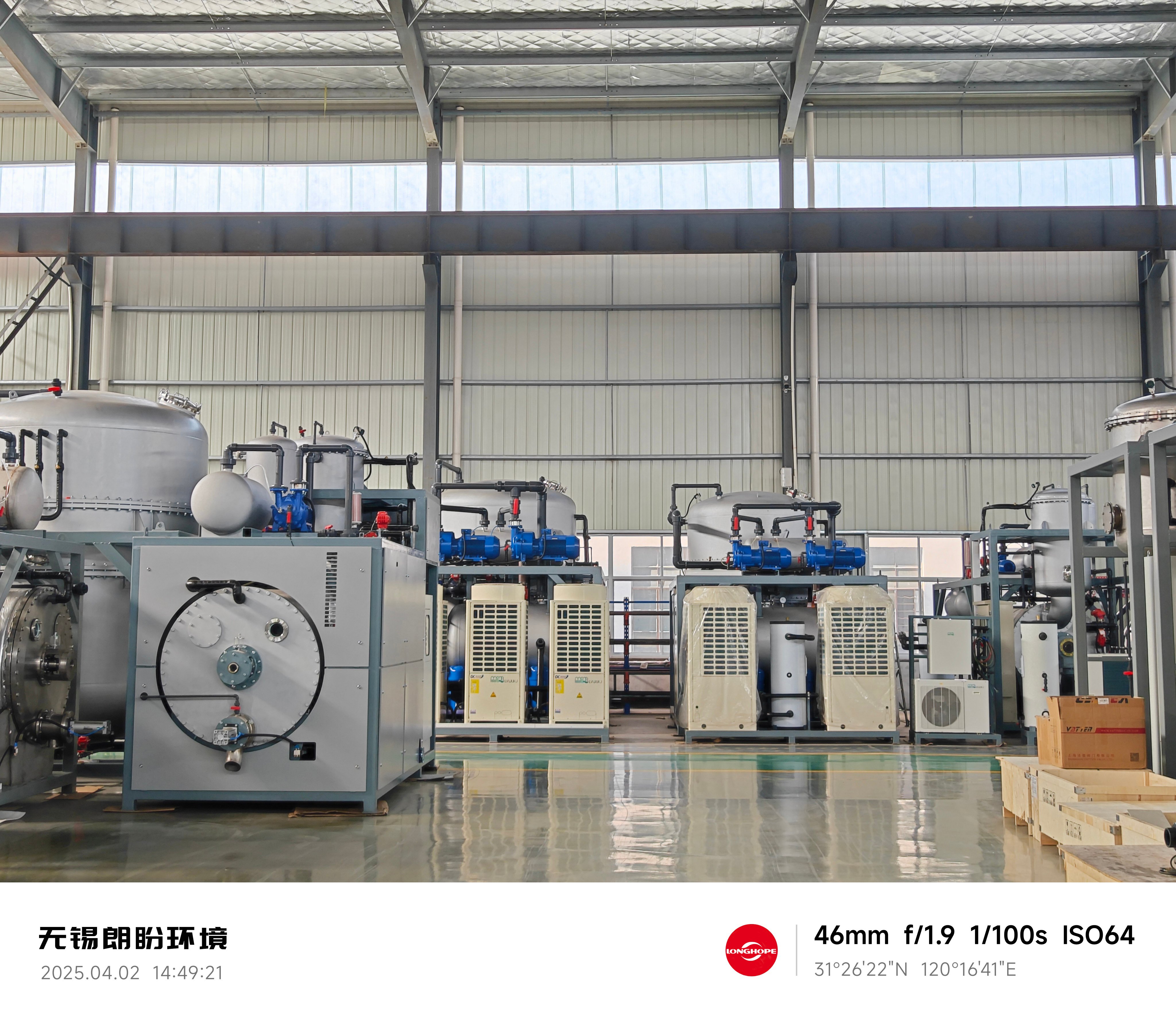
A low temperature heat pump crystallizer can support several industrial duties where a liquid stream must be concentrated and dissolved material recovered as crystals. Its relevance depends on the feed, target product, operating conditions, and available utilities. The five crystallizer applications explored here show how this equipment may fit wastewater treatment, brine handling, chemical production, mineral processing, and food operations.
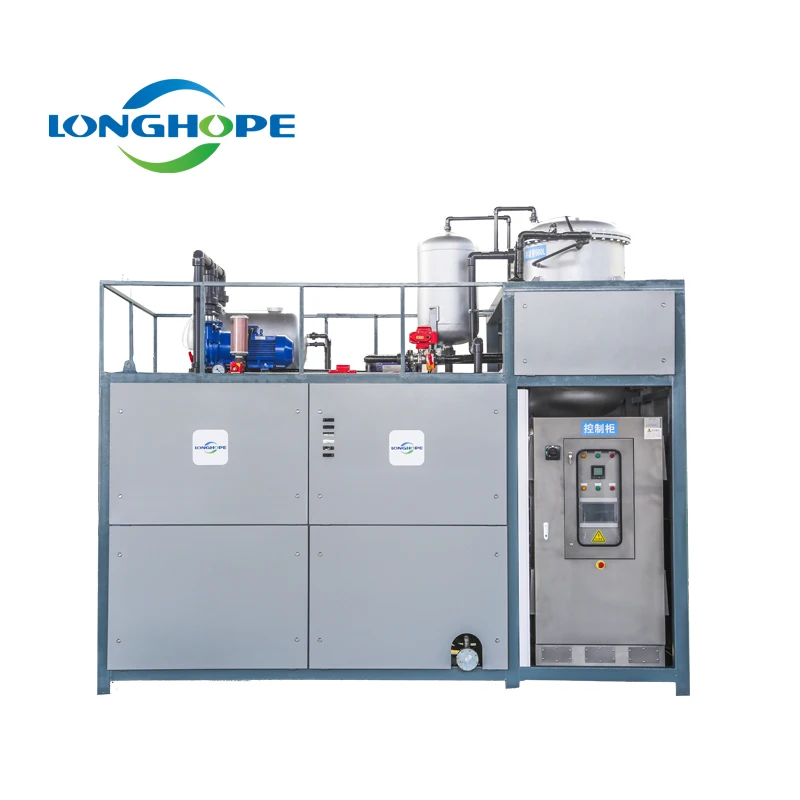
These duties share a need to manage concentration, heat transfer, and solids formation in a controlled way. A suitable crystallization process can reduce liquid waste or create a recoverable solid, but the result depends on chemistry and plant design. Understanding each use case helps engineering teams determine whether a low temperature heat pump crystallizer belongs in a proposed process rather than treating it as a universal solution.
Wastewater and Concentrated Brine Applications
Waste streams and brines are strong candidates when disposal costs, discharge limits, or resource recovery goals call for greater concentration. In these settings, crystallizer applications depend on feed variability and the desired balance between liquid reduction and solid handling. Industrial crystallization can provide a controlled route to separate dissolved components, while the crystallization process must account for contaminants, scale, and downstream residue management.
Industrial wastewater volume reduction
Manufacturing wastewater may contain salts, process chemicals, or dissolved minerals that complicate discharge or reuse. A crystallizer can concentrate such streams and form solids for collection, supporting a broader treatment train rather than replacing filtration or chemical conditioning. For these crystallizer applications, operators need representative feed analysis, including pH, suspended material, and changes between production campaigns. Salt recovery may be feasible when the dissolved material has value or a practical reuse route, but mixed contaminants can limit product quality. The crystallization process should therefore be tested against real wastewater before equipment sizing and operating targets are finalized.
Brine concentration and salt recovery
Brine streams from industrial operations often contain high dissolved-solids loads and may benefit from further volume reduction. A low temperature system can be considered when the process team needs an evaporation and solids-forming step suited to the feed’s thermal sensitivity or utility arrangement. Salt recovery is not automatic: different ions may crystallize at different concentrations, and impurities can remain in the product or mother liquor. Industrial crystallization planning should define the intended crystal composition, separation method, and residual-liquid destination. These crystallizer applications are most convincing when sampling confirms stable chemistry and a clear route exists for handling both solids and concentrated liquor.
Chemical Production and Mineral Processing
Production plants can use crystallization to separate a target compound from a solution or to make a product with specified solid characteristics. The range of crystallizer applications here extends from intermediate chemicals to mineral-bearing liquors. A carefully designed crystallization process links concentration with nucleation and crystal growth, while industrial crystallization also requires attention to purity, particle size, and reliable solids discharge.
Chemical intermediates and product finishing
Chemical producers may need to recover an intermediate from a mother liquor, finish a batch, or concentrate a solution before a later unit operation. The right operating window depends on solubility curves, temperature sensitivity, and whether the product must meet a defined purity or particle-size specification. Salt recovery can be relevant when salts are the intended output or when by-product value offsets separation costs. In these crystallizer applications, engineers should check whether the feed forms sticky solids, whether impurities co-crystallize, and how washing or drying will be integrated. The crystallization process must align with production schedules and provide a repeatable handoff to downstream equipment.
Mineral-bearing process liquors
Mining and mineral-processing circuits can generate liquors containing dissolved salts or recoverable compounds. Crystallization may help isolate a solid product or reduce the volume of a stream that otherwise needs additional treatment. The feasibility of salt recovery depends on the specific ion mixture, concentration range, and acceptable impurity level; laboratory characterization is essential before a plant-scale decision. Industrial crystallization can also face abrasive solids, fouling, and changing feed composition, so materials selection and cleaning access matter. These crystallizer applications should be assessed alongside the full recovery circuit, including filtration, mother-liquor recycle, and safe management of any remaining residue.
Food Operations and Application Selection
Food and process industries use crystallization for products where composition and solid form affect handling or quality. Across these crystallizer applications, selecting the right duty means comparing feed properties, product requirements, utility conditions, and operator capability. Industrial crystallization is a process decision, not just an equipment choice, and a sound crystallization process starts with evidence from the actual feed.
Food ingredients and thermal-sensitive streams
Some food operations concentrate ingredient solutions or recover solids from process liquids, while quality requirements place limits on temperature exposure and contamination. A low temperature heat pump crystallizer may be evaluated where its operating range aligns with product stability and the facility’s sanitation approach. Salt recovery may apply to specific ingredient or process streams, but the recovered material must meet relevant quality controls before reuse. These crystallizer applications require consideration of cleanability, hygienic design, product-contact materials, and the impact of residence time. The crystallization process should be validated using the intended recipe and operating cycle, rather than inferred from a different feed or production line.
Engineering checks before choosing a duty
Before selecting equipment, teams should define throughput, feed composition, target concentration, expected crystal characteristics, and the method for separating solids. A pilot or bench assessment can reveal scaling tendencies, foaming, and how operating changes affect yield. Industrial crystallization calculations should include heat balance, cleaning intervals, and the destination of mother liquor, not only nominal evaporation capacity. Salt recovery should be supported by a use or disposal plan for the solid, while crystallizer applications should be ranked internally by process fit and business need. This disciplined crystallization process reduces uncertainty and helps identify when pretreatment or another separation method is more appropriate.
FAQ
Which streams are suitable for a low temperature heat pump crystallizer?
Suitability depends on solubility, feed variability, and the required solid product. Crystallizer applications may include wastewater or brine, but salt recovery requires a usable solid and manageable impurities. Industrial crystallization testing should confirm behavior through the full crystallization process.
Does crystallization always produce reusable salt?
No. Salt recovery depends on composition, purity needs, and a practical reuse or disposal route. Crystallizer applications can still focus on volume reduction where reuse is not viable. Industrial crystallization trials help establish product quality and clarify how the crystallization process handles contaminants.
What information is needed before evaluating an application?
Provide representative feed analysis, flow and operating data, target output, and solids-handling requirements. These details help compare crystallizer applications and estimate whether salt recovery has value. They also let engineers assess industrial crystallization risks and define a suitable crystallization process.