
 EN
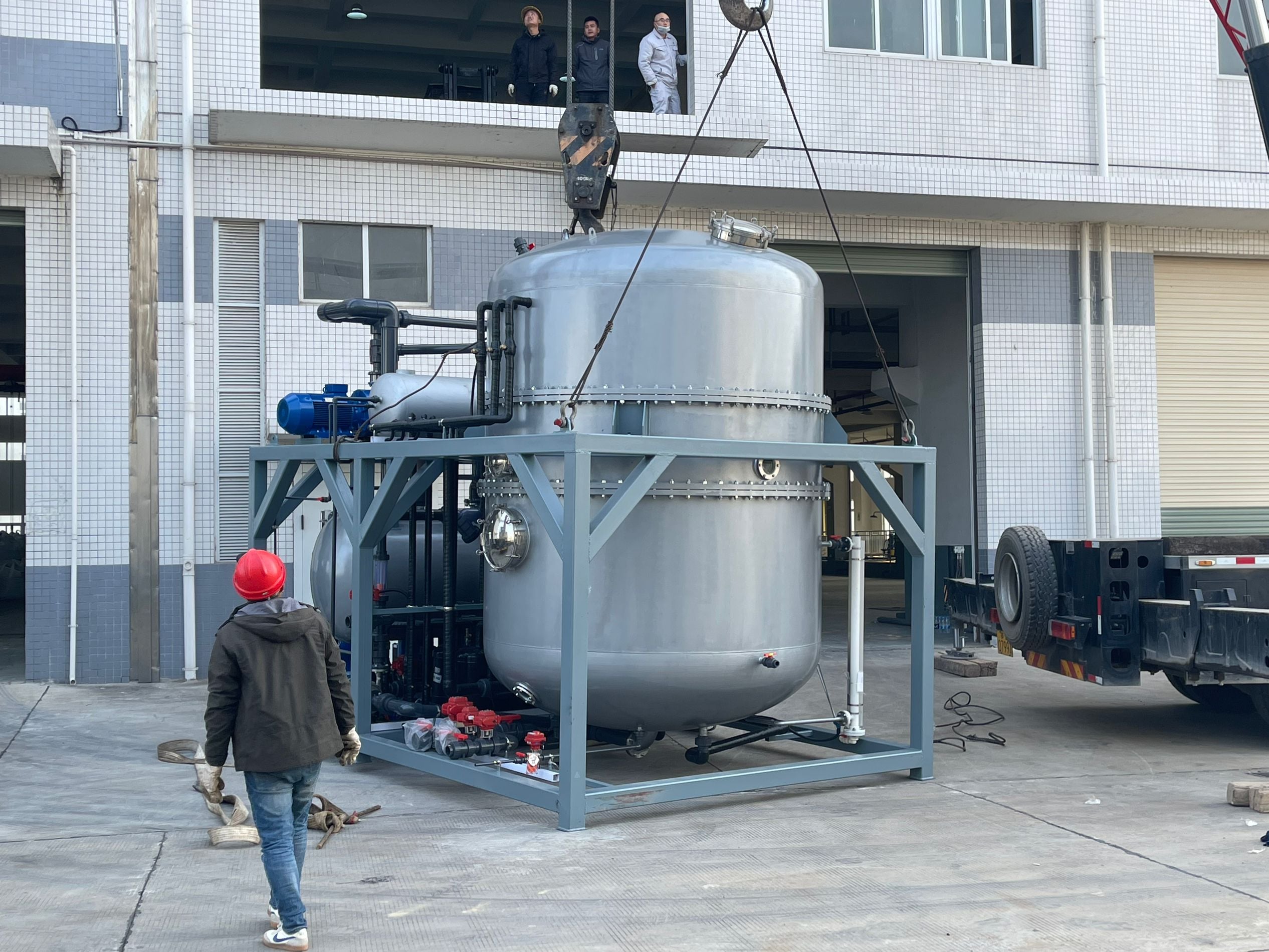
Choosing between a low temperature crystallization machine and a conventional process depends on the material, operating conditions, and what the plant needs to control. A useful crystallization comparison looks beyond equipment labels: it considers heat input, vacuum requirements, crystal handling, and the cost of managing the full process. The right choice is the one that meets product and operating targets reliably.
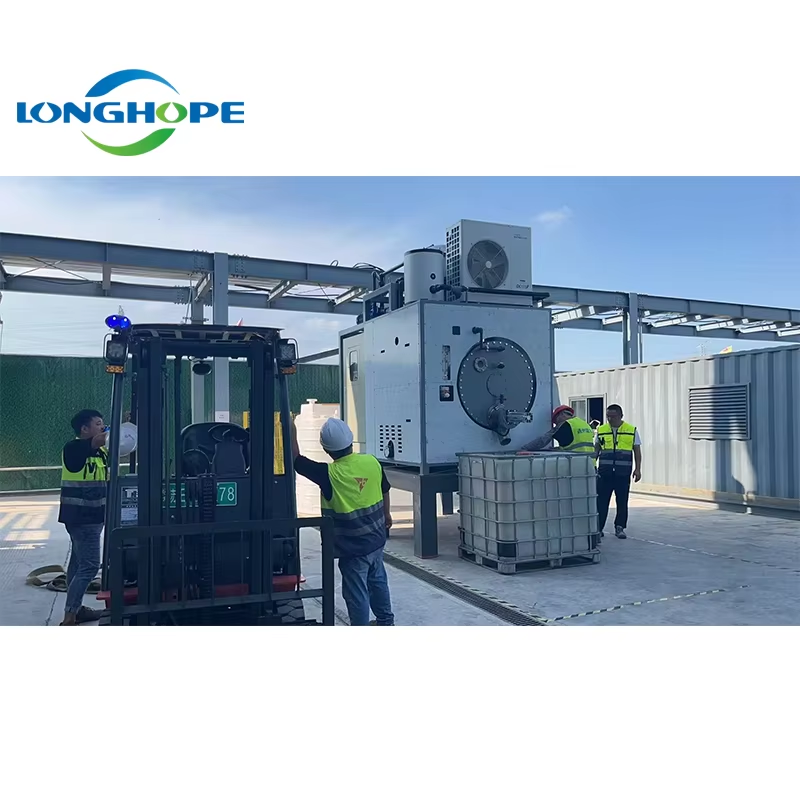
A conventional crystallizer can suit applications with familiar recipes and established utility arrangements, while a lower-temperature approach may be relevant when heat-sensitive materials or energy management matter. In a low temp vs conventional review, compare actual process needs rather than assuming one design is universally better. This guide explains the practical differences, trade-offs, and selection questions for industrial crystallizer systems.
How the process conditions differ
Temperature and heat management
The main operating distinction is how each process creates supersaturation and removes heat. A conventional crystallizer may rely on direct cooling, evaporation, or a combination selected for the material. A low-temperature design can use a heat-pump arrangement under vacuum to support evaporation at a lower operating temperature. The meaningful crystallization comparison is therefore about process conditions, not simply a machine’s nominal temperature.
A lower temperature can be useful when product sensitivity places limits on thermal exposure, but it does not remove the need for recipe development. Operators still need to define feed concentration, cooling or evaporation rates, agitation, and residence time. The conventional crystallizer may remain appropriate where the feed tolerates its temperature profile and the existing plant already controls that profile consistently.
When reviewing low temp vs conventional options, map the material’s thermal behavior against the required production rate. A crystallization comparison should also account for fouling, viscosity changes, and the effect of changing concentration during a batch. These factors influence whether either process can hold stable conditions, and they help engineers specify suitable crystallizer systems without relying on temperature alone.
Vacuum operation and process control
Vacuum operation changes the boiling conditions and can allow evaporation at reduced temperatures, depending on the system design and material properties. It also introduces equipment and operating requirements, including vacuum integrity, condensate management, and appropriate instrumentation. A conventional crystallizer can have a simpler control arrangement in some installations, though its actual complexity depends on the process and the level of automation.
Differences in product and plant operation
Crystal quality and repeatability
Crystal size, shape, purity, and moisture depend on nucleation and growth conditions, not on equipment category alone. A controlled feed rate and repeatable temperature profile can support consistent results in either approach. For a crystallization comparison, teams should define product acceptance criteria first, then assess whether the process can control supersaturation and mixing within the required operating window.
A conventional crystallizer may be a practical fit when established batches already meet specifications and changing the process would add unnecessary qualification work. Lower-temperature operation deserves closer study when thermal exposure is a known concern, but trials should verify that crystals separate and wash as required. The comparison should include downstream filtration or drying because crystal properties affect those steps too.
In a low temp vs conventional assessment, compare recorded batch results rather than relying on assumptions about crystal quality. A crystallization comparison should include yield, purity, particle distribution, and batch-to-batch variation where those measures matter to the application. The same review should check how crystallizer systems connect to separation, cleaning, and material transfer equipment across the production line.
Utilities, throughput, and integration
Utility demand depends on feed conditions, target concentration, operating schedule, and the specific equipment configuration. A heat-pump vacuum process may recover or reuse heat within its operating cycle, but site engineers should confirm expected electricity, cooling, and vacuum requirements with process data. A conventional crystallizer may draw on existing steam or cooling infrastructure, which can simplify integration where those services are available.
Throughput calculations need to include loading, crystallization time, discharge, cleaning, and changeover. A unit that performs well during the crystallization phase may still constrain a line if handling or cleaning takes longer than planned. For either option, crystallizer systems should be evaluated as a connected process, including controls, utilities, operators, and downstream equipment.
Selection criteria for an industrial installation
Match technology to material and objectives
Begin with the feed: its composition, thermal sensitivity, viscosity, solids content, and tendency to scale. Then define the product specification, batch or continuous requirement, and acceptable operating range. This crystallization comparison keeps the decision grounded in measurable requirements. A conventional crystallizer may suit a proven process, while a lower-temperature route merits testing if its operating conditions address a defined limitation.
The low temperature crystallization machine is one possible configuration for processes that need controlled evaporation under vacuum. Its suitability depends on material behavior, capacity, and plant utilities, so discuss representative feed data and product targets during technical review. The [anchor] can be considered as part of that evaluation, with attention to how its process arrangement fits the application rather than treating the equipment name as a performance guarantee.
A useful low temp vs conventional review compares both routes using the same assumptions for feed, production schedule, cleaning, and downstream recovery. A crystallization comparison should make capital, utility, maintenance, and labor requirements visible without reducing the decision to one cost line. Confirm whether crystallizer systems can be integrated safely and whether operators can maintain the required control strategy.
Validate the choice before procurement
Before committing to a process, request a technical basis that states assumptions, design conditions, and expected operating boundaries. Where feasible, test representative material at relevant concentration and temperature. Compare measured crystal properties, yield, cycle time, and separation behavior. This evidence can show whether the conventional crystallizer already meets the need or whether a different operating approach merits further engineering.
Also review instrument access, cleaning procedures, material compatibility, and response to feed variation. An installation decision should account for training and maintenance capability, not only process results. These practical checks help ensure that crystallizer systems remain manageable over routine production and that the selected configuration addresses a real operating objective.
FAQ
Is a lower-temperature process always more efficient?
No. Efficiency depends on the feed, operating cycle, utilities, and equipment design. A low temp vs conventional evaluation should compare site-specific energy and production data, not assume that a lower temperature alone delivers a better overall result.
Can a conventional crystallizer handle heat-sensitive products?
It may, depending on the material’s tolerance and the process conditions that can be maintained. Use a crystallization comparison based on verified product specifications and trials to determine whether the existing approach is suitable or needs modification.
What information is needed to select crystallizer systems?
Provide feed composition, target crystal properties, required capacity, batch schedule, available utilities, and cleaning requirements. A conventional crystallizer or an alternative should be assessed against those shared criteria so the selection reflects plant needs and validated process performance.