
 EN
EN
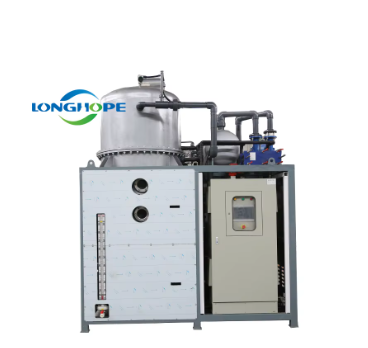
Vacuum distillation has become an essential separation technology across numerous industrial sectors, offering superior performance compared to conventional atmospheric distillation methods. By operating under reduced pressure conditions, vacuum distillation enables the separation of heat-sensitive compounds without exposing them to temperatures that could cause degradation or decomposition. This makes vacuum distillation particularly valuable in pharmaceutical, chemical, food processing, and environmental remediation industries where product integrity is paramount.
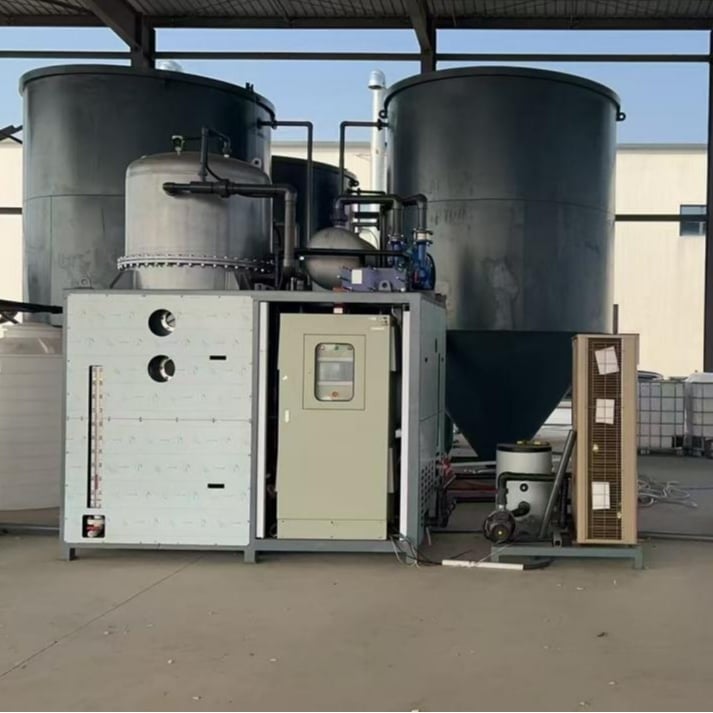
The strategic implementation of vacuum distillation systems represents a significant investment in operational efficiency and product quality assurance. Modern vacuum distillation equipment integrates advanced control systems, energy recovery mechanisms, and automation features that directly impact production costs and yield rates. Understanding the comprehensive benefits of vacuum distillation is crucial for industrial managers seeking to optimize their separation processes and maintain competitive advantage in demanding market conditions.
Energy Efficiency and Operating Cost Reduction
Lower Temperature Operation and Reduced Energy Consumption
One of the most compelling advantages of vacuum distillation is its ability to operate at significantly lower temperatures than traditional distillation processes. By reducing atmospheric pressure inside the distillation vessel, the boiling point of target compounds decreases substantially, meaning less thermal energy is required to achieve separation. This lower temperature operation translates directly into reduced energy consumption, which represents a major cost savings opportunity for large-scale industrial operations. Vacuum distillation systems can reduce energy requirements by 30 to 50 percent compared to conventional atmospheric distillation, depending on the specific application and compound properties.
Long-Term Economic Benefits and ROI
The economic advantages of implementing vacuum distillation extend far beyond immediate energy savings. Industrial facilities that adopt vacuum distillation technologies typically experience improved heat integration, reduced cooling water demand, and lower maintenance costs associated with thermal stress on equipment. The payback period for vacuum distillation system investments is typically shorter than other advanced separation technologies, with many installations achieving full return on investment within two to four years. When combined with automation and process control enhancements, vacuum distillation creates a compelling business case for capital equipment replacement or upgrade projects.
Product Quality and Heat-Sensitive Material Protection
Preservation of Compound Integrity During Separation
Heat-sensitive organic compounds, including vitamins, pharmaceuticals, natural essences, and specialized chemicals, are highly susceptible to thermal degradation when exposed to conventional high-temperature distillation. Vacuum distillation solves this critical problem by enabling separation at significantly reduced temperatures, typically 50 to 100 degrees Celsius lower than atmospheric pressure distillation. This temperature reduction prevents thermal decomposition, color development, polymerization, and other undesirable reactions that compromise product quality and yield. For pharmaceutical manufacturers and specialty chemical producers, vacuum distillation is often the only viable technology that meets stringent product purity specifications and regulatory compliance requirements.
Enhanced Purity and Yield Performance
The gentler operating conditions provided by vacuum distillation result in superior separation efficiency with minimal product loss or side-product formation. Industrial users of vacuum distillation consistently report yield improvements of 5 to 15 percent compared to conventional methods, along with enhanced product purity that reduces downstream purification steps. Reduced waste streams also contribute to improved environmental performance and lower disposal costs. The combination of improved yield and purity makes vacuum distillation particularly attractive for high-value compounds where material loss directly impacts profitability and competitiveness.
Environmental Compliance and Sustainability Advantages
Reduced Emissions and Safer Operating Conditions
Vacuum distillation operates in a controlled, sealed environment that minimizes vapor emissions and exposure hazards associated with volatile organic compounds. The reduced operating temperatures inherent to vacuum distillation also decrease thermal energy release and associated environmental impact. Many industrial facilities have successfully used vacuum distillation to meet increasingly stringent environmental regulations regarding air quality, waste disposal, and energy consumption. The sealed nature of vacuum distillation systems provides enhanced worker safety by reducing exposure to hazardous vapors and high-temperature equipment surfaces.
Waste Reduction and Circular Economy Alignment
Industrial adoption of vacuum distillation technology contributes meaningfully to sustainability objectives through multiple pathways. Reduced energy consumption lowers the carbon footprint of production operations, while improved yields minimize raw material waste and reduce disposal requirements. Several industries have leveraged vacuum distillation to recover and recycle valuable byproducts that would otherwise be discarded under conventional distillation approaches. This waste reduction capability aligns vacuum distillation with circular economy principles and corporate sustainability commitments, while simultaneously delivering measurable cost benefits.
Integration with Modern Vacuum Distillation Systems
Contemporary vacuum distillation equipment incorporates advanced features that maximize these environmental and operational benefits. An electric automatic vacuum distillation system represents a significant evolution in industrial separation technology, combining precise temperature control, automated vacuum management, energy recovery systems, and real-time process monitoring. These integrated vacuum distillation solutions enable consistent product quality while minimizing operational variability and energy waste. The automation capabilities of modern vacuum distillation equipment also reduce labor requirements and human error, contributing to overall operational excellence.
FAQ
What industries benefit most from vacuum distillation implementation?
Vacuum distillation provides exceptional value across pharmaceuticals, specialty chemicals, food processing, essential oil production, and environmental remediation sectors. Any industry working with heat-sensitive compounds or requiring high product purity standards finds vacuum distillation particularly advantageous. Pharmaceutical manufacturers especially rely on vacuum distillation to preserve active pharmaceutical ingredient integrity while meeting strict regulatory purity requirements. Chemical manufacturers use vacuum distillation to process temperature-sensitive specialties that cannot tolerate conventional atmospheric distillation conditions.
How does vacuum distillation compare to alternative separation technologies?
Vacuum distillation offers unique advantages over membrane separation, supercritical fluid extraction, and crystallization methods for certain applications, particularly when complete separation into pure components is required. While alternative technologies may excel in specific scenarios, vacuum distillation provides superior scalability, flexibility, and proven performance across diverse compound types. The capital investment for vacuum distillation equipment is often comparable to advanced membrane systems, yet vacuum distillation delivers superior yield and purity for many applications. Integration of vacuum distillation with other separation methods often creates optimal processing solutions for complex industrial challenges.
What should industrial operators consider when implementing vacuum distillation systems?
Successful vacuum distillation implementation requires careful evaluation of compound thermal properties, required separation selectivity, existing facility infrastructure, and anticipated production volumes. Operators must ensure adequate vacuum generation capacity, appropriate materials of construction for corrosive applications, and proper instrumentation for temperature and pressure control throughout vacuum distillation operation. Comprehensive operator training on vacuum distillation principles and equipment-specific procedures is essential for achieving optimal performance and maintaining safe working conditions. Professional system design services help ensure that vacuum distillation installation aligns with existing production workflows and facility capabilities.