
 EN
EN
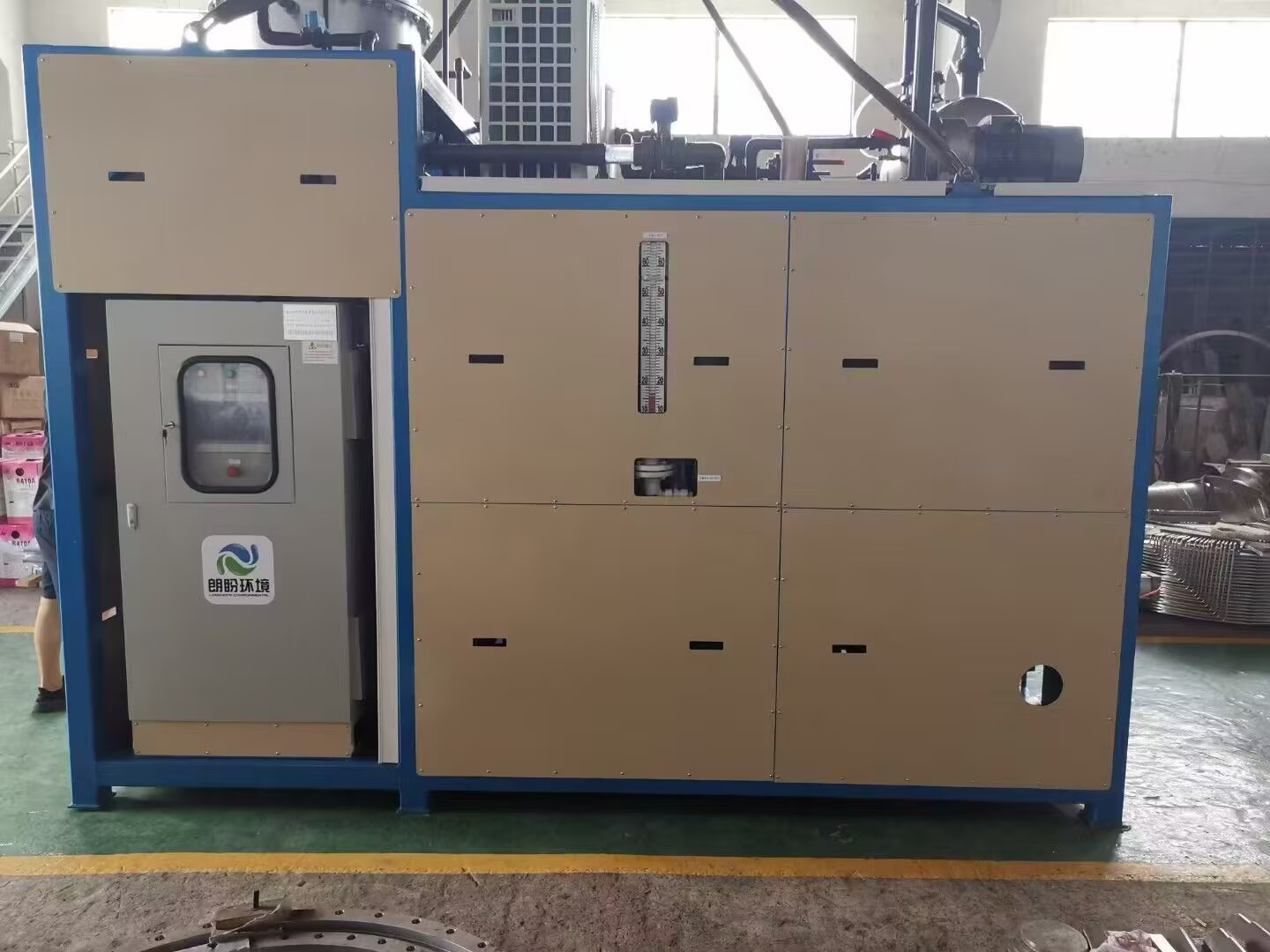
Evaporator system maintenance is critical to ensuring your industrial cooling and waste-water treatment equipment operates reliably and efficiently over the long term. Whether your facility relies on evaporator systems for refrigeration, heat exchange, or environmental compliance, neglecting regular upkeep leads to premature equipment failure, unexpected downtime, and substantially higher repair costs. Understanding the fundamentals of evaporator system maintenance empowers operators and maintenance teams to implement proactive strategies that extend equipment lifespan, maximize thermal efficiency, and protect your bottom line.
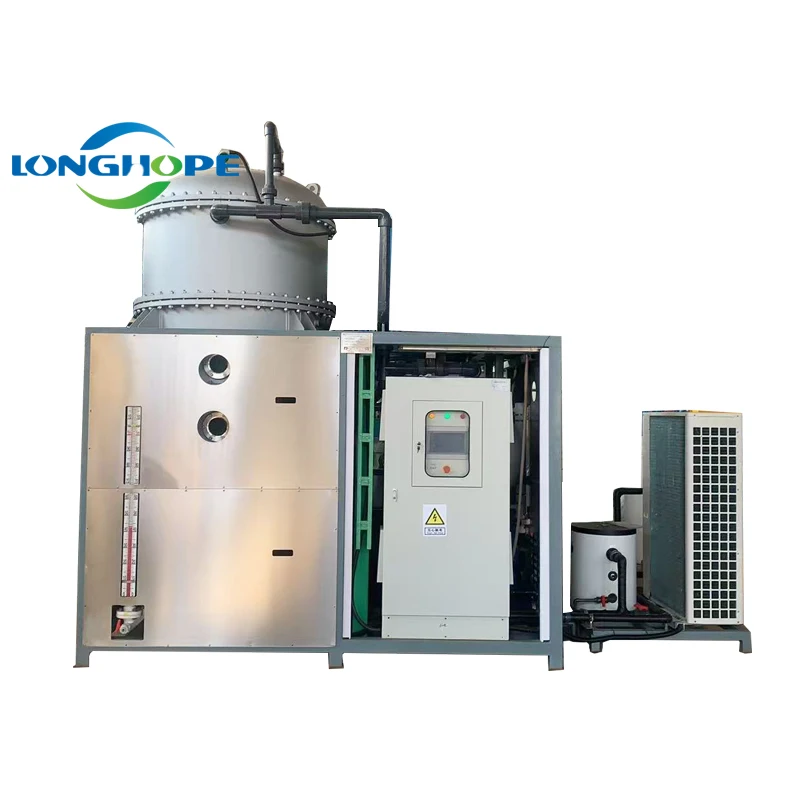
Proper evaporator system maintenance involves understanding how heat exchange, refrigerant circulation, and condensation dynamics interact within your equipment. A well-maintained evaporator system delivers consistent cooling performance, minimizes energy consumption, and reduces environmental impact. By adopting a structured maintenance schedule and addressing wear patterns early, your facility can avoid catastrophic failures that disrupt production cycles and generate emergency service calls.
Understanding Core Maintenance Principles for Evaporator Systems
Why Evaporator System Maintenance Matters
Evaporator system maintenance directly impacts heat transfer efficiency, refrigerant purity, and overall system reliability. Over time, mineral deposits, corrosion, and microbial growth accumulate on evaporator coils and internal surfaces, reducing thermal conductivity and forcing the compressor to work harder. Neglected evaporator system maintenance accelerates equipment degradation, shortens component lifespan, and increases energy bills by 10–30 percent or more. Industrial operators who invest in consistent evaporator system maintenance reduce unplanned outages and maintain stable operating parameters required for sensitive processes.
Key Performance Indicators in Evaporator System Maintenance
Monitoring temperature differentials, pressure readings, and energy consumption patterns provides measurable data that guides evaporator system maintenance decisions. When temperature rise across the evaporator increases unexpectedly, fouling or refrigerant undercharge may indicate that advanced evaporator system maintenance is required. Pressure-side diagnostics reveal blockages, restricted flow, or compressor inefficiency that compromise system longevity. Regular baseline documentation allows maintenance teams to detect drift early and schedule evaporator system maintenance interventions before failures occur.
Practical Evaporator System Maintenance Procedures
Cleaning and Fouling Prevention
Physical and chemical cleaning form the backbone of evaporator system maintenance protocols. Scale, biofilm, and particulate matter coat heat exchange surfaces, reducing evaporator effectiveness and increasing parasitic pressure drop. Effective evaporator system maintenance includes periodic descaling using approved chemical cleaners, followed by passivation to protect underlying metal surfaces. In applications involving waste-water treatment or cooling tower feeds, implementing mesh strainers and pre-filtration as part of your evaporator system maintenance strategy prevents debris ingestion and extends intervals between intensive cleaning cycles.
Refrigerant Management and Seal Integrity
Refrigerant purity directly determines how well your evaporator system maintenance efforts preserve heat transfer efficiency. Moisture, air, and organic contaminants degrade lubricant performance, accelerate compressor wear, and increase risk of hermetic seal failure. Sound evaporator system maintenance includes annual refrigerant analysis using Karl Fischer titration to quantify moisture content and acid number to detect degradation. Dynamic seal monitoring—checking for oil seepage, frost patterns, and pressure stability—forms part of comprehensive evaporator system maintenance. If refrigerant loss exceeds manufacturer specifications, your evaporator system maintenance team should inspect joint welds, service ports, and shaft seals before recharging.
Seasonal and Predictive Evaporator System Maintenance Strategies
Seasonal Preparation and Commissioning
Evaporator system maintenance intensity changes with operational demand cycles. Before peak cooling season, conduct full evaporator system maintenance inspections including coil cleaning, electrical connector verification, control loop calibration, and vibration baseline establishment. After peak seasons, winterization procedures protect idle evaporator systems from freeze damage and rust formation. Seasonal evaporator system maintenance also includes condenser fan blade inspection, bearing lubrication verification, and electrical component testing to prevent startup failures when demand resumes.
Predictive Monitoring and Condition-Based Maintenance
Advanced evaporator system maintenance leverages vibration analysis, thermal imaging, and acoustic monitoring to predict component failures before they cascade. Bearing wear patterns, loose fasteners, and thermal hot-spots reveal themselves through non-invasive diagnostics that guide targeted evaporator system maintenance. Many modern facilities integrate real-time sensors with predictive algorithms to optimize evaporator system maintenance intervals based on actual equipment condition rather than calendar schedules. This condition-based approach to evaporator system maintenance reduces unnecessary service events while capturing early-warning signals that justify immediate intervention.
FAQ
How often should evaporator system maintenance be performed?
Evaporator system maintenance frequency depends on operating hours, fluid quality, and environmental contamination levels. Most industrial facilities schedule routine evaporator system maintenance quarterly or semi-annually, with deep cleaning and component replacement annually. High-demand applications or systems exposed to corrosive atmospheres may require monthly evaporator system maintenance cycles. Consulting equipment specifications and monitoring performance metrics guides optimal evaporator system maintenance scheduling for your specific installation.
What are the most common failures prevented by evaporator system maintenance?
Proactive evaporator system maintenance prevents fouling-induced heat transfer loss, refrigerant contamination, compressor burnout, and seal leakage that account for 70–80 percent of unplanned downtime in cooling applications. Scale accumulation, microbial growth, and corrosion develop gradually but accelerate catastrophically without intervention. Effective evaporator system maintenance catches these failure modes during their early stages, when corrective action is simple and affordable compared to replacing major components or entire systems.
Can evaporator system maintenance be performed by in-house staff?
Many routine evaporator system maintenance tasks—visual inspection, coil cleaning, fastener tightening, and filter replacement—can be conducted by trained facility staff following manufacturer procedures and safety protocols. However, specialized evaporator system maintenance including refrigerant sampling, hermetic seal pressure testing, and compressor diagnostics typically requires certified technicians with specialized equipment. Hybrid approaches combining in-house routine evaporator system maintenance with periodic expert audits balance cost efficiency and risk management.