 EN
EN
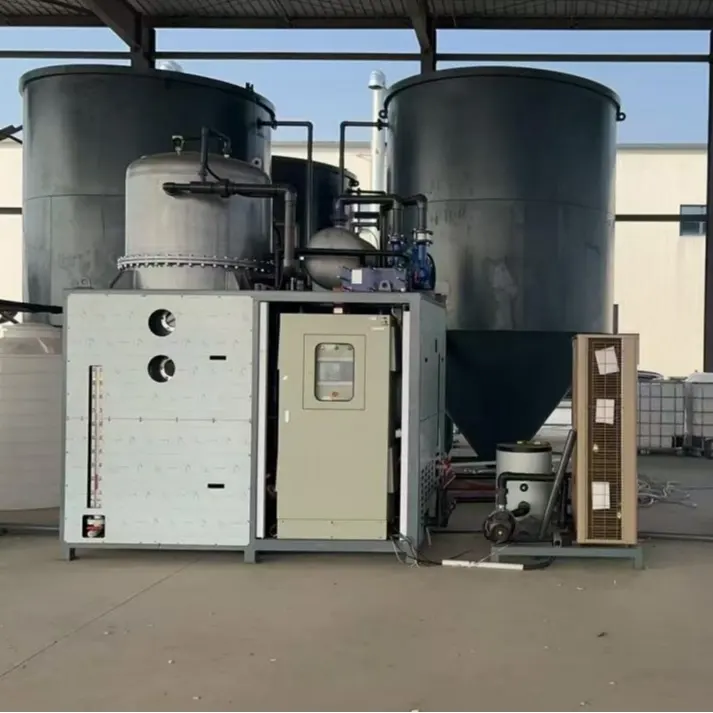
Industrial water treatment represents one of the most significant opportunities for manufacturing facilities to reduce operational expenses while protecting environmental resources. Organizations across industries face mounting pressure to minimize waste, comply with environmental regulations, and optimize their bottom line. Industrial water treatment systems address all three priorities simultaneously by capturing, processing, and reusing water that would otherwise be discarded or require expensive disposal. The financial and environmental benefits of implementing robust industrial water treatment solutions extend far beyond immediate cost savings, influencing long-term competitiveness and brand reputation.
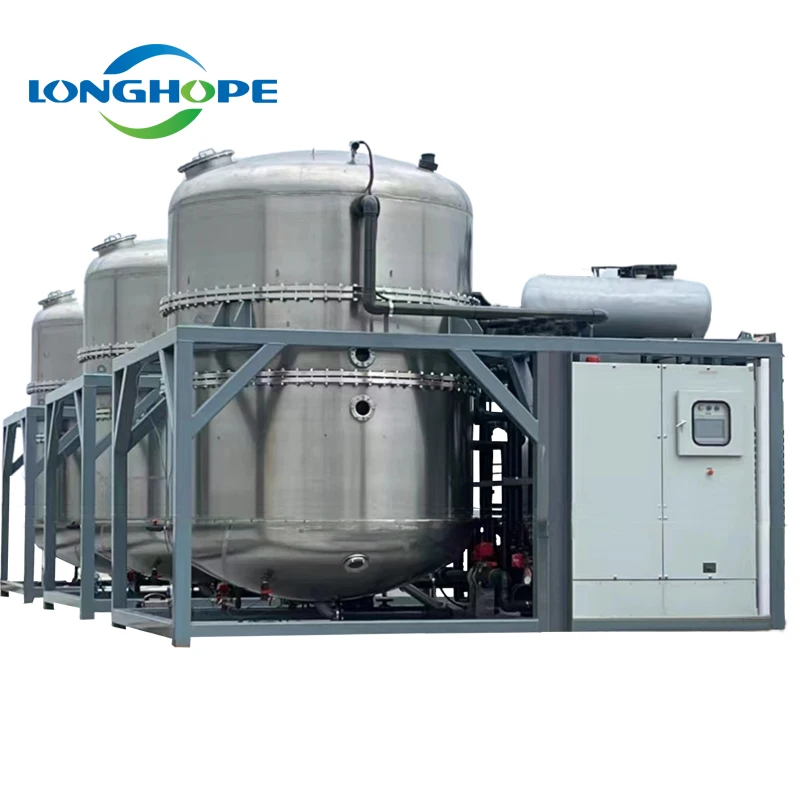
Modern industrial water treatment technologies enable facilities to recover valuable water resources that would traditionally end up in landfills or treatment plants. By implementing comprehensive industrial water treatment strategies, companies reduce their dependence on freshwater sources, lower discharge fees, and minimize liability associated with wastewater disposal. This comprehensive guide explores how industrial water treatment delivers measurable cost reductions, resource conservation, and operational improvements across manufacturing, food processing, pharmaceutical, chemical production, and other water-intensive industries.
How Industrial Water Treatment Reduces Operational Costs
Minimizing Freshwater Acquisition and Disposal Expenses
The primary cost driver in water-intensive industries involves purchasing freshwater from municipal or private suppliers and paying substantial fees for wastewater treatment and discharge. Industrial water treatment systems eliminate or significantly reduce both of these expenses by recovering usable water from process streams. When a facility implements industrial water treatment, recycled water replaces expensive freshwater for cooling towers, rinse operations, cleaning processes, and other non-potable applications. Organizations typically recover 50% to 80% of their process water through properly designed industrial water treatment systems, translating directly to reduced utility bills and disposal costs that accumulate month after month.
Discharge fees represent another substantial expense eliminated through industrial water treatment. Regulatory agencies charge facilities based on water volume discharged and contaminant concentration levels. By implementing industrial water treatment technology, companies dramatically reduce the volume of wastewater requiring external treatment, cutting discharge fees by 30% to 60% depending on facility characteristics and local regulations. The combined savings from reduced freshwater consumption and minimized discharge fees create compelling financial payback periods, often between two and five years for medium to large-scale operations.
Lowering Chemical and Treatment Costs
Process water often contains specific dissolved solids, suspended particles, oils, or metals that require chemical treatment before reuse or discharge. Industrial water treatment systems employ various technologies including precipitation, filtration, evaporation, and membrane separation to remove these contaminants efficiently. By concentrating contaminants into smaller waste streams rather than diluting them across large water volumes, industrial water treatment reduces the chemical dosing required for effective treatment. Facilities also benefit from reduced chemical inventory management, smaller treatment tank footprints, and more predictable treatment performance when using dedicated industrial water treatment solutions designed for their specific effluent characteristics.
Some advanced industrial water treatment systems, particularly evaporative technologies, achieve near-zero liquid discharge by converting dissolved solids into solid byproducts suitable for landfill or recycling. This approach eliminates the need for expensive hazardous waste disposal and specialized transport services. The reduced chemical burden also means fewer workplace safety concerns, simplified operator training, and lower compliance documentation requirements associated with chemical handling.
Environmental and Resource Conservation Benefits
Preserving Freshwater Resources and Ecosystem Health
Water scarcity affects manufacturing operations worldwide, with many facilities facing supply constraints during drought conditions or competing with agricultural and municipal users for available resources. Industrial water treatment directly addresses this pressure by reducing freshwater demand through recycling and reuse strategies. When a facility implements industrial water treatment, it conserves local water resources, reduces strain on municipal water systems, and maintains production continuity even during periods of water stress. For regions with limited rainfall or groundwater depletion issues, industrial water treatment represents a critical strategic asset that ensures long-term operational stability.
Beyond supply security, industrial water treatment protects receiving water bodies from contamination and thermal pollution. By treating wastewater before discharge or eliminating discharge entirely through zero-liquid-discharge configurations, facilities prevent damage to aquatic ecosystems and downstream water users. This environmental stewardship strengthens community relationships, improves the facility's social license to operate, and protects against future regulatory restrictions that could constrain production.
Reducing Regulatory Compliance Risk and Liability
Environmental regulations continue tightening worldwide, with stricter limits on discharge volumes, contaminant concentrations, and water quality standards. Industrial water treatment systems provide facilities with reliable compliance capabilities regardless of how regulations evolve. By treating effluent to recycled water standards, facilities meet current discharge limits comfortably and position themselves favorably for anticipated future restrictions. Regulatory agencies increasingly favor facilities demonstrating resource conservation commitment, potentially leading to expedited permit approvals and reduced inspection frequency for facilities with proven industrial water treatment programs.
Insurance companies and lending institutions also recognize the risk mitigation value of industrial water treatment systems. Facilities with comprehensive water treatment programs face lower environmental liability insurance premiums and more favorable financing terms. The demonstrated commitment to resource management and regulatory compliance reduces perceived operational risk in lender and insurer assessments.
Implementing Industrial Water Treatment for Maximum Value
Assessing Facility Needs and Technology Selection
Successful industrial water treatment implementation begins with thorough analysis of facility wastewater characteristics, production volumes, reuse water quality requirements, and regulatory constraints. Different processes generate effluent with distinct contamination profiles requiring specialized industrial water treatment approaches. Food processing facilities may need industrial water treatment systems focusing on organic matter removal, pharmaceutical operations require treatment for chemical residues, and metal finishing facilities need heavy metal precipitation capabilities within their industrial water treatment strategy. By matching industrial water treatment technology to specific facility needs rather than applying generic solutions, organizations maximize recovery rates and treatment reliability.
Industrial water treatment technology options range from conventional filtration and chemical treatment to advanced membrane systems and thermal evaporation. Each approach offers distinct advantages regarding capital costs, operating expenses, treatment reliability, and recovery rates. Facilities should evaluate multiple industrial water treatment solutions through pilot testing when possible, allowing direct assessment of performance with actual facility wastewater before making capital investment decisions. This evaluation process prevents costly mistakes and ensures selected industrial water treatment systems meet facility requirements reliably.
Integration with Existing Operations and Continuous Optimization
Industrial water treatment systems require thoughtful integration with existing production processes to avoid operational disruptions. System placement, utility connections, waste stream routing, and operator training all influence whether industrial water treatment achieves projected performance and cost benefits. Facilities should develop comprehensive industrial water treatment operating procedures, establish performance monitoring protocols, and assign dedicated personnel responsibility for system maintenance. This organizational commitment ensures industrial water treatment systems remain effective throughout their operational life and continue delivering cost reductions and resource conservation year after year.
Industrial water treatment performance improves continuously through data-driven optimization. Monitoring recycled water quality, treatment efficiency, chemical dosing, and energy consumption reveals opportunities to enhance industrial water treatment reliability and reduce operating costs further. Many facilities discover that their industrial water treatment investment pays for itself through process adjustments that maximize recovery and minimize chemical usage within the first two years of operation.
FAQ
What are the primary financial benefits of implementing industrial water treatment?
Industrial water treatment delivers cost reductions through multiple mechanisms: decreased freshwater purchases, eliminated or reduced wastewater disposal fees, lower chemical treatment costs, and minimized hazardous waste handling expenses. Most facilities experience payback periods between two and five years, with ongoing annual savings typically representing 20% to 40% of previous water and wastewater management expenses.
How does industrial water treatment support regulatory compliance?
Industrial water treatment reduces regulatory risk by enabling facilities to maintain reliable compliance with discharge limits regardless of how standards evolve. By treating effluent to recycled water quality standards or achieving near-zero liquid discharge, facilities demonstrate environmental stewardship and position themselves advantageously for future regulatory changes. This proactive compliance approach often results in favorable treatment from regulatory agencies.
What factors determine the most suitable industrial water treatment technology?
Industrial water treatment technology selection depends on wastewater characteristics, facility production volumes, recycled water quality requirements, available space, utility infrastructure, and regulatory constraints. Thorough analysis of these factors through pilot testing and engineering evaluation ensures selected industrial water treatment systems deliver reliable performance and maximum value for specific facility applications.