
 EN
EN
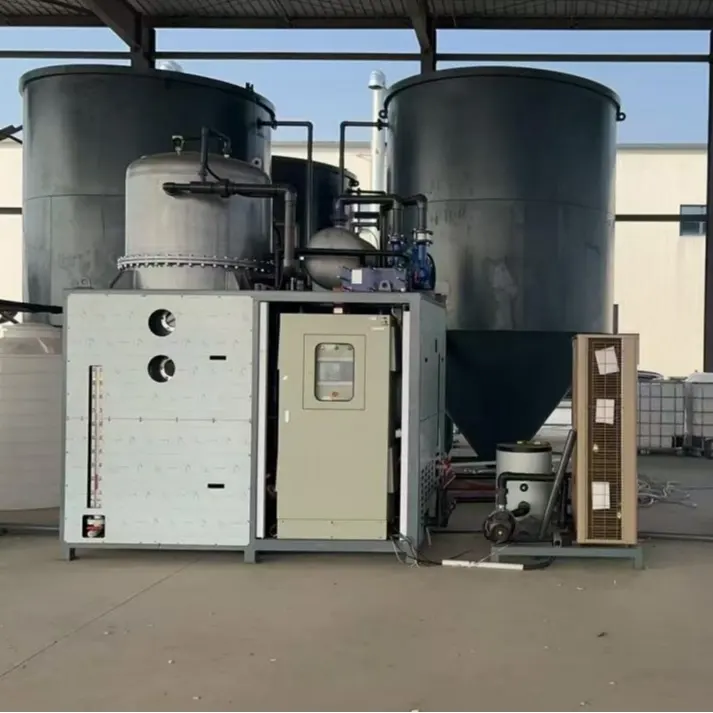
Industrial facilities continuously seek ways to reduce operational costs while maintaining peak performance. A low temperature heat pump evaporator represents one of the most effective technologies for achieving significant energy savings in thermal separation and crystallization processes. By leveraging heat pump technology at lower temperature ranges, organizations can dramatically decrease energy consumption compared to conventional evaporation systems. Understanding how a low temperature heat pump evaporator operates and delivers measurable financial benefits is essential for facility managers and process engineers making capital equipment decisions.
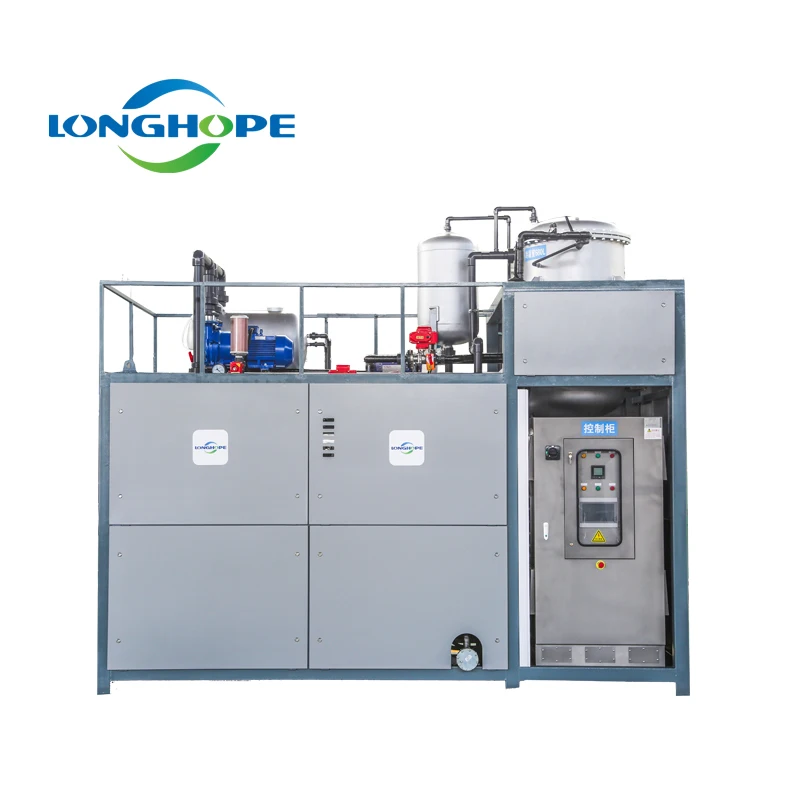
The fundamental advantage of a low temperature heat pump evaporator lies in its ability to recover and reuse waste heat that traditional systems simply discard. Rather than consuming large amounts of external energy to heat process fluids, a low temperature heat pump evaporator captures thermal energy from exhaust streams and upgrade it to useful process temperatures. This closed-loop approach transforms operational economics by reducing the primary energy input required for evaporation, concentration, and crystallization tasks across pharmaceutical, chemical, food processing, and waste treatment industries.
Core Operating Principles of Low Temperature Heat Pump Evaporators
How Heat Pump Technology Reduces Energy Demand
A low temperature heat pump evaporator functions by compressing refrigerant vapor to create elevated temperatures for evaporation, while simultaneously using the cooling effect to condense vapors from the process fluid. This dual-function design eliminates the need for separate steam boilers or electric heating elements, which are energy-intensive by nature. The low temperature heat pump evaporator operates at much smaller temperature differences compared to conventional systems, reducing irreversibility losses and improving overall thermodynamic efficiency. By working at lower temperature differentials, the equipment produces substantial energy savings across the entire operational spectrum.
Temperature Control and Process Integration
Industrial processes demand precise temperature management to preserve product quality and ensure consistent output. A low temperature heat pump evaporator maintains tight temperature control by adjusting compressor speed and refrigerant flow rates in real time. The low temperature heat pump evaporator integrates seamlessly with existing process streams, allowing operators to concentrate solutions or crystallize products without introducing thermal stress. This capability proves particularly valuable in heat-sensitive applications such as pharmaceutical ingredient processing and specialty chemical manufacturing, where product degradation at elevated temperatures represents a significant cost factor.
Energy Efficiency Advantages and Operating Cost Reduction
Quantifiable Reduction in Energy Consumption
Industrial facilities typically observe energy reductions of forty to sixty percent when transitioning from conventional steam-based evaporation to a low temperature heat pump evaporator system. The low temperature heat pump evaporator achieves these gains through multiple mechanisms: waste heat recovery, reduced thermal loss through optimized temperature profiles, and elimination of redundant heating equipment. Facilities processing dairy products, industrial wastewater, or pharmaceutical solutions report payback periods ranging from two to four years after implementing a low temperature heat pump evaporator, even in applications requiring only modest production volumes. The compounding savings over the equipment lifetime often exceed initial capital investment by substantial margins.
Integration with Renewable and Waste Heat Sources
A low temperature heat pump evaporator becomes exceptionally cost-effective when coupled with renewable energy sources or facility-wide waste heat recovery networks. Solar thermal systems, combined heat and power installations, or industrial process exhaust streams all provide ideal feed sources for a low temperature heat pump evaporator upgrade cycle. The low temperature heat pump evaporator technology allows facilities to monetize previously wasted thermal energy while reducing grid electricity consumption. Wastewater treatment plants, food processing centers, and chemical manufacturing operations increasingly pair a low temperature heat pump evaporator with on-site renewable generation to achieve near-complete operational energy independence for thermal separation tasks.
Industrial Applications and Implementation Considerations
Sector-Specific Applications and Performance Outcomes
The pharmaceutical industry relies heavily on a low temperature heat pump evaporator for concentrating active pharmaceutical ingredients without compromising heat-sensitive molecular structures. A low temperature heat pump evaporator provides the precise, gentle heating environment required for high-value specialty chemicals where product loss represents significant financial exposure. Food processing operations employ a low temperature heat pump evaporator to concentrate fruit juices, dairy whey, and plant-based proteins while preserving nutritional content and sensory attributes. Municipal wastewater treatment facilities utilize a low temperature heat pump evaporator to reduce biosolids volume, directly lowering disposal costs and environmental compliance burdens. Each application demonstrates how tailored deployment of a low temperature heat pump evaporator delivers sector-specific economic advantages.
Equipment Selection and Scaling Factors
Selecting the appropriate capacity and configuration for a low temperature heat pump evaporator requires careful evaluation of process throughput, target concentration levels, and available waste heat resources. A low temperature heat pump evaporator sized too small creates bottlenecks and fails to deliver projected efficiency gains, while oversized equipment generates excess capital expenditure and operational inefficiency. Industrial thermal engineering specialists conduct detailed energy audits and process modeling to recommend optimal low temperature heat pump evaporator specifications matching facility requirements. The modular design of modern low temperature heat pump evaporator systems permits phased installation and capacity expansion as production volumes or facility needs evolve over time.
FAQ
What makes a low temperature heat pump evaporator more efficient than traditional steam evaporators?
A low temperature heat pump evaporator recovers waste heat and operates at lower temperature differentials, eliminating thermal losses inherent to steam-based systems. Traditional steam evaporators consume continuous boiler fuel regardless of ambient conditions, while a low temperature heat pump evaporator captures exhaust and process heat for reuse. The thermodynamic advantage of a low temperature heat pump evaporator stems from smaller temperature gaps between the heating and evaporation processes, which reduces irreversibility and improves coefficient of performance. Over a full operational year, a low temperature heat pump evaporator typically consumes forty to sixty percent less primary energy than conventional alternatives.
Can a low temperature heat pump evaporator handle heat-sensitive materials without quality degradation?
Yes, a low temperature heat pump evaporator specifically excels at processing heat-sensitive substances because it operates at substantially lower temperatures than traditional evaporation methods. The gentle heating profile of a low temperature heat pump evaporator preserves delicate molecular structures in pharmaceuticals, natural colors in foods, and bioactive compounds in botanical extracts. A low temperature heat pump evaporator maintains product quality by preventing thermal decomposition, oxidation, and unwanted chemical reactions that occur when conventional systems apply excessive heat. Facilities processing vitamin supplements, herbal medicines, and premium specialty chemicals consistently achieve superior product grades and reduced waste rates when upgrading to a low temperature heat pump evaporator.
What are the typical payback timelines for investing in a low temperature heat pump evaporator?
Most industrial facilities experience payback on a low temperature heat pump evaporator investment within two to four years, depending on operational hours, energy costs, and baseline system configuration. Facilities operating continuously with high energy consumption achieve faster payback than seasonal or part-time operations, as a low temperature heat pump evaporator maximizes energy recovery across more operating hours. Government incentives, tax credits, and energy efficiency rebate programs frequently accelerate payback timelines for a low temperature heat pump evaporator by three to twelve months in many jurisdictions. After the payback period concludes, a low temperature heat pump evaporator continues delivering annual savings that directly improve bottom-line profitability throughout its fifteen to twenty-five year operational lifespan.
Table of Contents
- Core Operating Principles of Low Temperature Heat Pump Evaporators
- Energy Efficiency Advantages and Operating Cost Reduction
- Industrial Applications and Implementation Considerations
-
FAQ
- What makes a low temperature heat pump evaporator more efficient than traditional steam evaporators?
- Can a low temperature heat pump evaporator handle heat-sensitive materials without quality degradation?
- What are the typical payback timelines for investing in a low temperature heat pump evaporator?