
 EN
EN
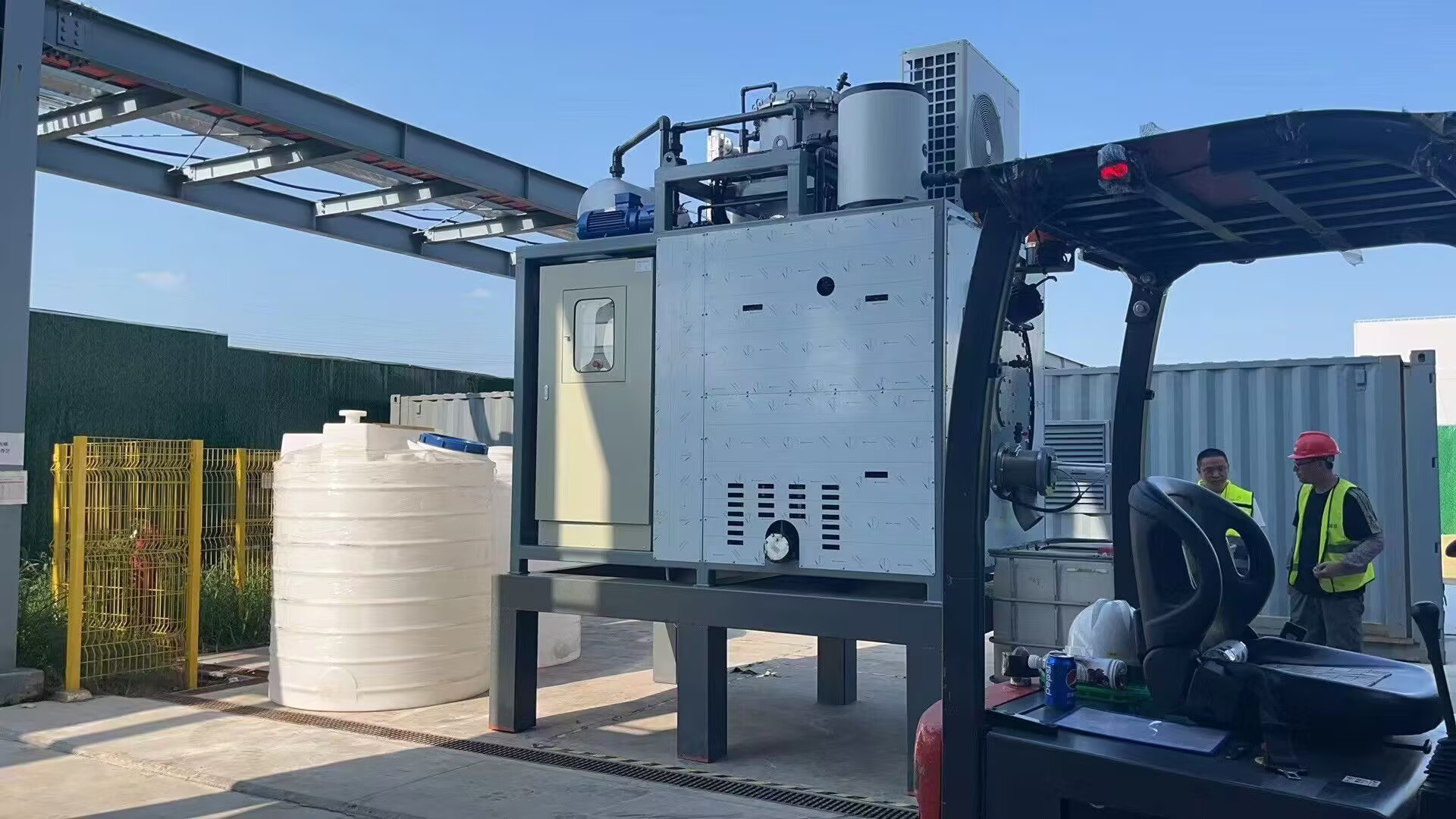
Selecting the right evaporator system design is critical for industrial operations managing wastewater treatment, chemical processing, and liquid concentration challenges. An effective evaporator system design determines not only operational efficiency but also long-term cost savings, environmental compliance, and system reliability. Understanding the key features that define high-performance evaporator system design helps facility managers, engineers, and procurement teams make informed decisions that align with production demands and sustainability goals.
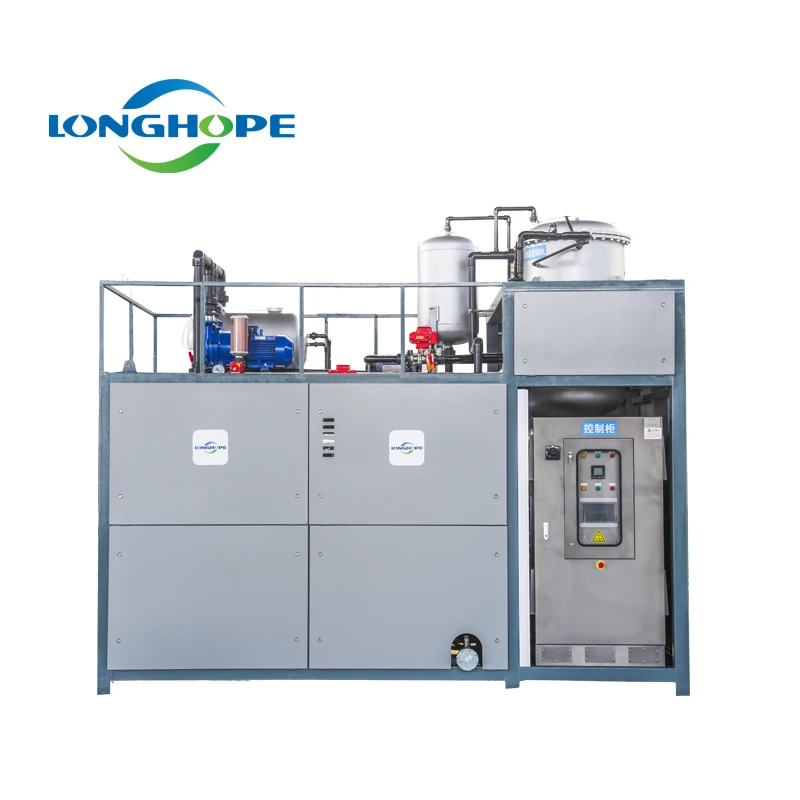
Modern industrial operations increasingly depend on advanced evaporator system design to handle complex separation and concentration processes. Whether treating hazardous wastewater, recovering valuable solutes, or managing environmental discharge requirements, the evaporator system design framework determines success across thermal efficiency, operational consistency, maintenance demands, and capital investment. This comprehensive guide examines the five most critical evaporator system design features that drive measurable performance improvements in demanding industrial environments.
Thermal Efficiency and Energy Optimization
Heat Recovery Mechanisms in Evaporator System Design
Thermal efficiency represents the cornerstone of modern evaporator system design, directly impacting operational costs and environmental footprint. Advanced evaporator system design incorporates multi-effect configurations and vapor recompression technologies that capture waste heat and recycle it through the process cycle. By designing evaporator systems with integrated heat recovery, facilities reduce steam consumption by 40% to 60% compared to conventional single-effect units. The evaporator system design approach of cascading multiple evaporation stages enables vapor from one stage to drive heating in the subsequent stage, creating a closed-loop efficiency model. This thermal integration within the evaporator system design framework minimizes energy waste while maintaining consistent evaporation rates across all operational conditions.
Optimizing Operating Temperatures in Evaporator System Design
The evaporator system design must balance operating temperatures to protect heat-sensitive materials while maintaining thermodynamic efficiency. Low-temperature evaporator system design configurations protect pharmaceutical products, food ingredients, and chemical compounds from degradation, a critical requirement in specialized industries. The evaporator system design challenge involves selecting appropriate vacuum levels, steam pressures, and residence times that preserve product integrity without sacrificing throughput. Precision temperature control within the evaporator system design specifications prevents fouling, scaling, and thermal damage, directly reducing maintenance intervals and extending equipment lifespan. Engineers implementing evaporator system design principles must evaluate fluid properties, boiling point elevation, and heat transfer coefficients to establish optimal thermal operating windows.
Materials Selection and Corrosion Resistance
Stainless Steel and Specialized Alloys in Evaporator System Design
Material composition fundamentally influences the durability and reliability of any evaporator system design. Stainless steel grades within evaporator system design construction provide corrosion resistance for aggressive aqueous environments, while specialized alloys accommodate chloride-rich solutions, acidic feeds, or high-temperature steam exposure. The evaporator system design engineer must specify appropriate metallurgy for heat exchanger tubes, vessels, and connecting piping, recognizing that undersized material ratings lead to premature failure. Titanium, nickel-based alloys, and duplex stainless steel options expand the scope of evaporator system design applications, particularly in chemical processing, pharmaceutical manufacturing, and environmental remediation sectors. Proper evaporator system design material selection also factors surface finish quality, welding compatibility, and fabrication standards that prevent localized corrosion and galvanic coupling failures.
Fouling Prevention and Cleanability in Evaporator System Design
Surface fouling directly undermines the performance of any evaporator system design by restricting heat transfer and increasing operational pressure drops. Modern evaporator system design incorporates smooth internal geometries, optimized flow velocity profiles, and removable tube bundle configurations that facilitate mechanical and chemical cleaning. The evaporator system design strategy of incorporating CIP (Clean-in-Place) connections enables regular solvent circulation without dismantling core components, reducing maintenance downtime. Coating technologies and surface treatments within the evaporator system design framework reduce biological adhesion, mineral scaling, and chemical residue accumulation. By integrating fouling-resistant materials and design geometries, evaporator system design extends cleaning intervals from weeks to months, substantially reducing operational disruption and unplanned maintenance events.
Control Systems and Operational Reliability
Instrumentation and Automation in Evaporator System Design
Sophisticated control systems represent a defining feature of modern evaporator system design, enabling precise process management and adaptive response to feed composition variations. Advanced evaporator system design incorporates real-time density measurement, temperature sensing across multiple stages, and pressure monitoring that collectively optimize steam consumption and product quality. Automated evaporator system design configurations adjust operating parameters dynamically, preventing cavitation, maintaining consistent concentrate viscosity, and protecting downstream crystallization or separation equipment. Integration of supervisory control and data acquisition (SCADA) systems within evaporator system design allows operators to monitor multiple units simultaneously, receive predictive maintenance alerts, and document compliance data for regulatory submissions. Process optimization through intelligent evaporator system design reduces operator workload while improving consistency and reducing off-specification batch rejections.
Safety Interlocks and Emergency Systems in Evaporator System Design
Comprehensive safety architecture distinguishes robust evaporator system design from basic installations, protecting personnel and preventing catastrophic failures. High-performance evaporator system design incorporates pressure relief valves, vacuum backup systems, emergency steam shutoffs, and low-level alarms that prevent dangerous operating excursions. The evaporator system design safety framework includes redundant sensing for critical parameters, ensuring that sensor failures trigger automatic equipment shutdown rather than uncontrolled operation. Heat exchanger tube rupture protection within evaporator system design prevents cross-contamination between steam and product streams, an essential requirement in pharmaceutical and food processing applications. By prioritizing safety within the evaporator system design specification, operators maintain regulatory compliance with ASME standards, OSHA requirements, and industry-specific safety guidelines.
Scalability and Flexibility for Future Expansion
Modular Construction in Evaporator System Design
Modular evaporator system design architecture enables facilities to expand processing capacity without complete facility redesign or extended downtime. Rather than replacing entire systems, modular evaporator system design allows adding effect stages, increasing heat exchanger surface area, or upgrading control systems incrementally as production demands grow. The evaporator system design modularity principle ensures that equipment purchased today remains compatible with tomorrow's upgrades, protecting initial capital investment. Standardized connection points and utility interfaces within evaporator system design facilitate rapid installation and commissioning of new modules. This forward-looking evaporator system design approach appeals to facilities managing unpredictable market demand, seasonal production variation, or anticipated future product line expansion.
Process Flexibility and Feed Variability Tolerance in Evaporator System Design
Market realities demand that evaporator system design accommodate diverse feed compositions, varying concentrate viscosities, and changing throughput requirements without major modifications. Flexible evaporator system design configurations adjust operating parameters, adjust staging sequences, or modify steam allocation in response to changing inlet conditions. The evaporator system design framework supporting multiple effect arrangements allows operators to optimize energy consumption based on current feed properties and production targets. Equipment designed with sufficient flexibility within the evaporator system design specifications handles seasonal feedstock variations, reduces idle capacity waste, and maximizes return on investment across diverse processing scenarios. By incorporating adaptability into the evaporator system design philosophy, engineers create equipment that remains productive and cost-effective throughout extended operational lifecycles.
FAQ
What makes an effective evaporator system design different from standard equipment?
Effective evaporator system design integrates thermal efficiency optimization, advanced material selection, intelligent automation, safety redundancy, and operational flexibility into a cohesive framework. Standard equipment focuses on basic evaporation function, while premium evaporator system design anticipates real-world challenges including feed variability, maintenance requirements, regulatory compliance, and future expansion needs. The distinction manifests through superior energy efficiency, reduced fouling and scaling, improved product quality consistency, enhanced safety architecture, and lower total cost of ownership over extended operational lifespans.
How does evaporator system design impact operating costs?
Evaporator system design directly influences steam consumption, maintenance frequency, labor requirements, chemical usage, and equipment lifespan. Multi-effect configurations and vapor recompression within evaporator system design reduce energy costs by 40% to 60%, while optimized materials and fouling prevention reduce unplanned downtime and cleaning expenses. Strategic evaporator system design also minimizes product loss due to thermal damage, improves concentrate quality consistency, and extends equipment life by 5 to 10 years compared to basic installations. Over equipment lifespans spanning 15 to 20 years, superior evaporator system design delivers cumulative savings exceeding equipment purchase price multiple times over.
Why is scalability important in evaporator system design?
Modular evaporator system design enables facilities to expand capacity incrementally without replacing entire systems or experiencing extended commissioning delays. As production demands increase, markets shift, or new products emerge, scalable evaporator system design protects capital investment by allowing gradual equipment enhancement rather than obsolescence. This strategic approach to evaporator system design aligns equipment investment with business growth trajectories, reduces risk of over-capacity investments, and maintains operational continuity during expansion phases.