
 EN
EN
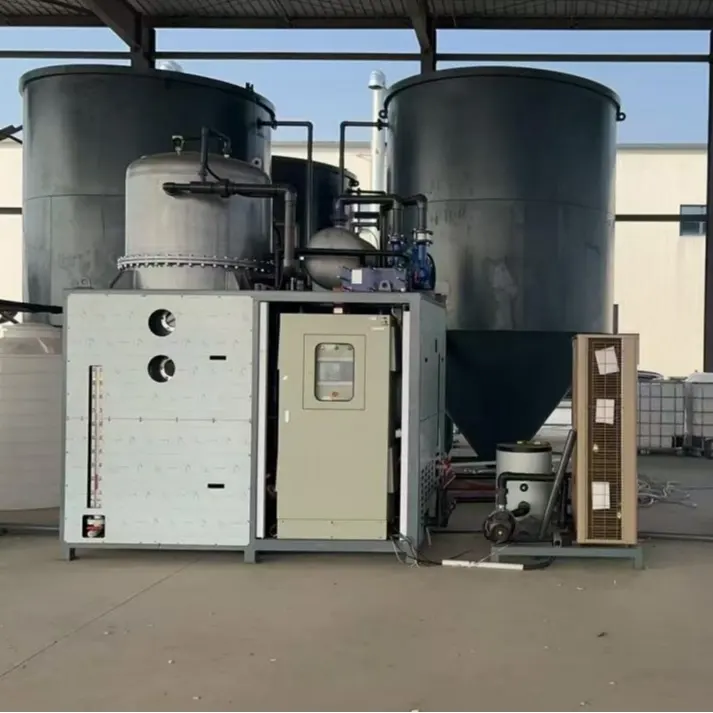
Vacuum distillation and traditional distillation methods represent two distinct approaches to separating liquid mixtures through controlled evaporation and condensation. Understanding the differences between vacuum distillation and traditional distillation methods is critical for chemical processors, refineries, pharmaceutical manufacturers, and food production facilities seeking optimal separation efficiency. Vacuum distillation operates at reduced atmospheric pressure, fundamentally altering how thermal energy interacts with target compounds, while traditional distillation relies on atmospheric or elevated pressure conditions. The choice between vacuum distillation and traditional distillation methods directly impacts product quality, energy consumption, processing costs, and equipment longevity across industrial operations.
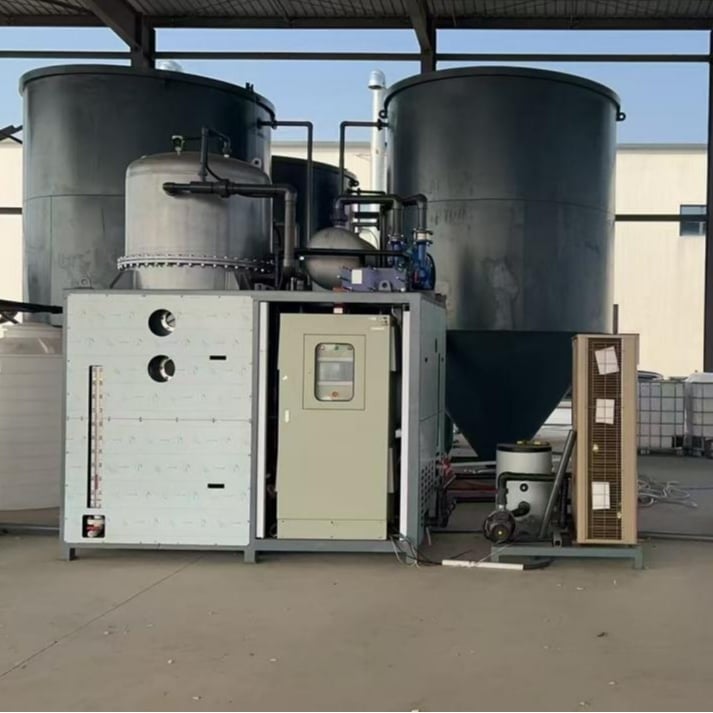
Both vacuum distillation and traditional distillation methods serve essential roles in modern industrial separation, yet each excels under different operational conditions. The fundamental distinction lies in pressure management and boiling point behavior. Vacuum distillation achieves separation by lowering system pressure, which simultaneously reduces the boiling points of target compounds. Traditional distillation methods depend on heating substances to their atmospheric boiling points, requiring substantially higher thermal input. This pressure-based advantage positions vacuum distillation as the preferred choice for temperature-sensitive materials, while traditional distillation methods remain optimal for robust compounds and high-volume processing where cost efficiency outweighs thermal sensitivity concerns.
Operational Principles and Pressure Management
How Vacuum Distillation Operates
Vacuum distillation achieves molecular separation by creating a low-pressure environment that substantially lowers boiling points without excessive heat application. The vacuum distillation system removes air and non-condensable gases from the distillation chamber, creating an environment where target liquids vaporize at temperatures 50°C to 100°C lower than atmospheric conditions would require. This temperature reduction proves invaluable when processing heat-sensitive pharmaceutical compounds, delicate essential oils, or temperature-critical food extracts where thermal degradation would compromise product integrity. Vacuum distillation equipment includes vacuum pumps, condensers designed for low-temperature vapor recovery, and specialized piping systems to maintain consistent reduced-pressure conditions throughout the separation cycle.
Traditional Distillation Method Characteristics
Traditional distillation methods separate mixtures by heating them to boiling point at atmospheric pressure or moderately elevated pressures, causing more volatile compounds to vaporize first while less volatile components remain liquid. The traditional distillation approach relies on straightforward heat application through direct or indirect heating systems, making it mechanically simpler and requiring less sophisticated vacuum equipment. Traditional distillation methods work effectively for crude oil refining, alcohol production, water purification, and separating compounds with well-defined boiling point differences. The simplicity of traditional distillation methods means lower initial capital costs, more abundant technical expertise in industry, and proven operational reliability across decades of industrial practice.
Efficiency, Cost, and Energy Consumption Factors
Energy Requirements and Operating Costs
Vacuum distillation demands significantly more electrical energy to operate vacuum pumps and specialized refrigeration systems for condensing vapors at lower temperatures, raising operational expenses compared to traditional distillation methods. However, vacuum distillation compensates for higher electricity consumption through dramatically reduced thermal energy requirements and faster processing cycles in many applications. Traditional distillation methods require sustained high-temperature heating, consuming substantial fuel or electric heating resources over extended processing periods. When processing heat-sensitive materials, the energy savings from vacuum distillation's lower operating temperatures often offset pump and vacuum maintenance costs within 12 to 24 months of operation. Industrial facilities must calculate total cost of ownership rather than examining single operational expenses when comparing vacuum distillation against traditional distillation methods.
Processing Efficiency and Throughput Considerations
Vacuum distillation enables faster molecular separation rates because lower boiling points mean faster vaporization kinetics and improved vapor-liquid contact efficiency within the distillation chamber. Traditional distillation methods often require longer residence times to achieve equivalent separation purity, though simpler mechanical design sometimes compensates through higher material throughput in continuous operations. Modern vacuum distillation systems paired with advanced condensers can achieve 20 to 40 percent faster processing cycles than equivalent traditional distillation methods under comparable material inputs. Conversely, traditional distillation methods maintain operational advantages in large-scale commodity processing where small efficiency improvements per ton matter less than reliable, continuous operation without complex vacuum maintenance. The choice between vacuum distillation and traditional distillation methods should reflect your facility's production volume, product mix, and maintenance capability.
Product Quality and Application-Specific Suitability
Temperature Sensitivity and Compound Preservation
Vacuum distillation protects thermally unstable compounds through lower operating temperatures, making it the essential choice for pharmaceutical APIs, botanical extracts, specialty chemicals, and premium food ingredients where heat exposure causes unwanted degradation or color development. Traditional distillation methods expose materials to significantly higher temperatures throughout processing, risking polymerization, oxidation, discoloration, and loss of volatile desirable components in sensitive formulations. Vacuum distillation achieves remarkable product quality because reduced-pressure separation preserves delicate molecular structures that would decompose under traditional distillation method conditions. For luxury fragrance production, high-value pharmaceutical synthesis, and specialty food processing, vacuum distillation often justifies its higher operational costs through premium product quality commanding significantly higher market prices than traditionally distilled equivalents.
Suitability for Different Industrial Applications
Vacuum distillation dominates pharmaceutical processing, botanical extraction, essential oil concentration, and cosmetic ingredient refinement where product quality and regulatory compliance demand careful thermal management. Traditional distillation methods remain the industry standard for petroleum refining, fuel alcohol production, industrial solvent manufacturing, and water treatment where robust compounds tolerate high temperatures and process simplicity takes priority. Vacuum distillation equipment proves particularly valuable in nutraceutical production, where naturally occurring alkaloids and phytonutrients demand gentle processing conditions. Traditional distillation methods excel in producing fuel-grade ethanol, mineral oil refining, and large-scale commodity chemical separation where thousands of tons process annually and operational simplicity reduces risk. Understanding your specific application requirements determines whether vacuum distillation or traditional distillation methods delivers superior economic and quality outcomes for your operation.
Equipment Complexity, Maintenance, and Implementation Considerations
Technical Infrastructure and Operational Expertise Requirements
Vacuum distillation systems require sophisticated instrumentation including vacuum gauges, precision temperature sensors, vacuum pump maintenance protocols, and specialized condenser design to function reliably, demanding operators with advanced technical training and troubleshooting capability. Traditional distillation methods depend on simpler mechanical components including thermometers, pressure gauges, straightforward heating elements, and basic condensers that many industrial technicians can service without specialized training. Vacuum distillation equipment requires more frequent maintenance intervals and higher preventive maintenance investment to ensure vacuum pump longevity and seal integrity. Facilities lacking in-house technical expertise or located in regions with limited vacuum equipment service availability may find traditional distillation methods more practical despite potential efficiency disadvantages. The decision between vacuum distillation and traditional distillation methods must account for your organization's technical capability and local equipment support infrastructure.
Capital Investment and Long-Term Asset Considerations
Vacuum distillation systems command 40 to 60 percent higher initial capital investment compared to equivalent-capacity traditional distillation equipment due to vacuum pumps, specialized condensers, and robust chamber construction required for pressure integrity. Traditional distillation methods offer lower equipment acquisition costs, making them attractive for startups, small-scale producers, and facilities with limited capital budgets. Over 5 to 10 year asset lifecycles, vacuum distillation demonstrates competitive total cost of ownership when processing premium products commanding high market prices, whereas traditional distillation methods maintain economic advantage for high-volume commodity processing. Modular vacuum distillation systems and vacuum distillation equipment suppliers increasingly offer scalable solutions allowing incremental capacity expansion, reducing upfront capital barriers for growing operations. Strategic facility planning should project future product mix changes that might shift economic advantage between vacuum distillation and traditional distillation methods during your asset holding period.
FAQ
What is the primary advantage of vacuum distillation over traditional distillation methods?
The primary advantage of vacuum distillation lies in temperature reduction. By operating at reduced pressure, vacuum distillation lowers boiling points 50°C to 100°C below atmospheric requirements, protecting heat-sensitive compounds from thermal degradation while accelerating separation rates. Traditional distillation methods cannot achieve these temperature reductions without sacrificing processing speed or requiring extended residence times that increase operational complexity.
When should industrial facilities choose traditional distillation methods instead of vacuum distillation?
Traditional distillation methods prove optimal for robust compounds, high-volume commodity processing, and applications where simpler equipment design reduces capital costs and maintenance complexity. Petroleum refining, fuel alcohol production, and large-scale solvent manufacturing benefit from traditional distillation method reliability and established operational frameworks. Facilities lacking advanced technical expertise or access to vacuum pump maintenance should prioritize traditional distillation methods for operational dependability.
How do operating costs compare between vacuum distillation and traditional distillation methods?
Vacuum distillation incurs higher electricity costs for vacuum pumps and refrigeration, typically 20 to 35 percent more than traditional distillation methods. However, dramatically reduced thermal energy consumption and faster processing cycles often provide cost parity within 12 to 24 months for temperature-sensitive products. Total cost analysis must include product quality premiums, market pricing differences, and facility-specific energy rates rather than examining single operational expenses in isolation.