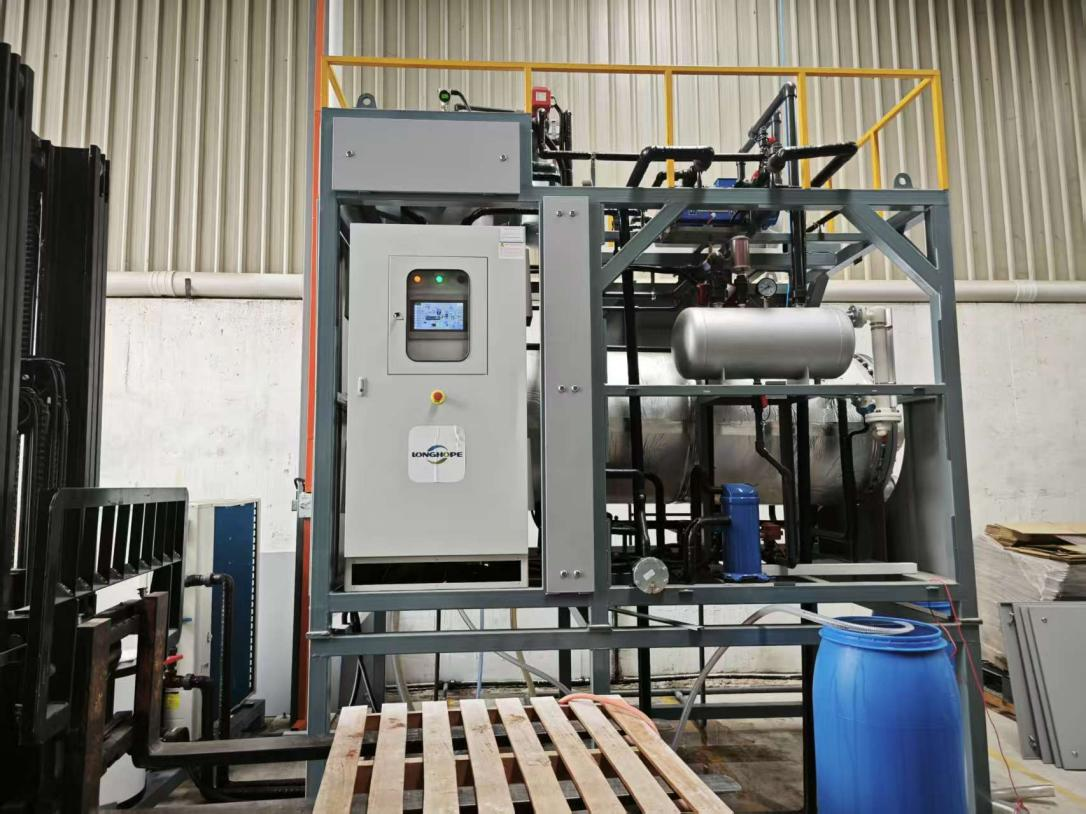
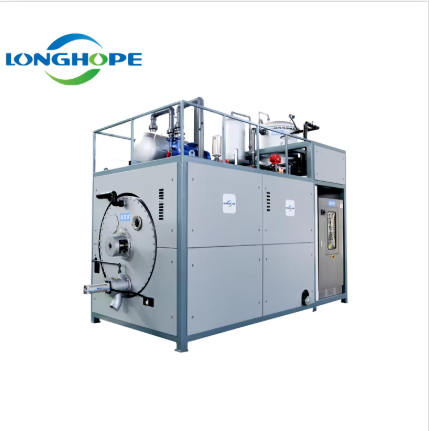
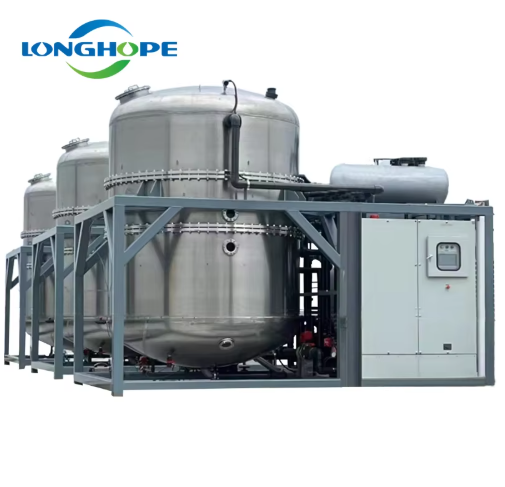
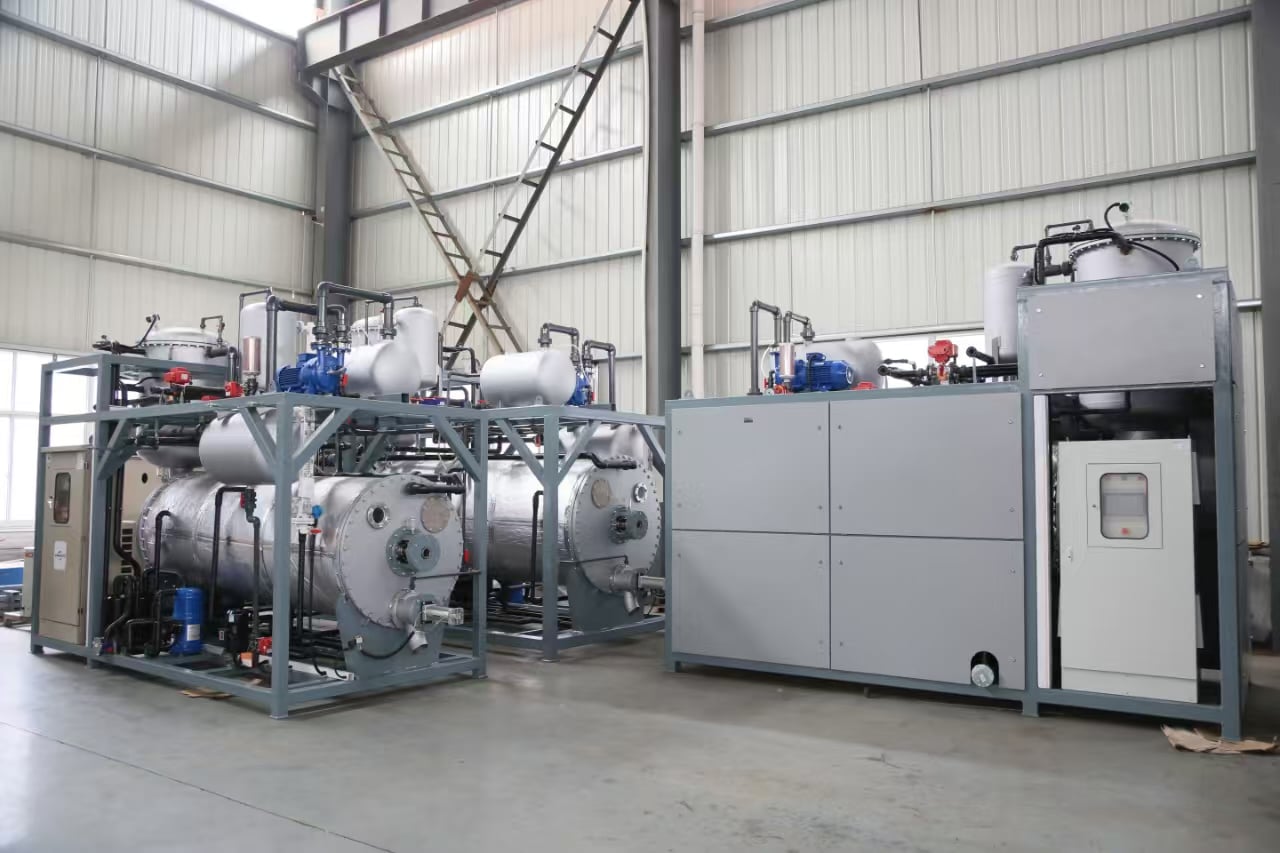
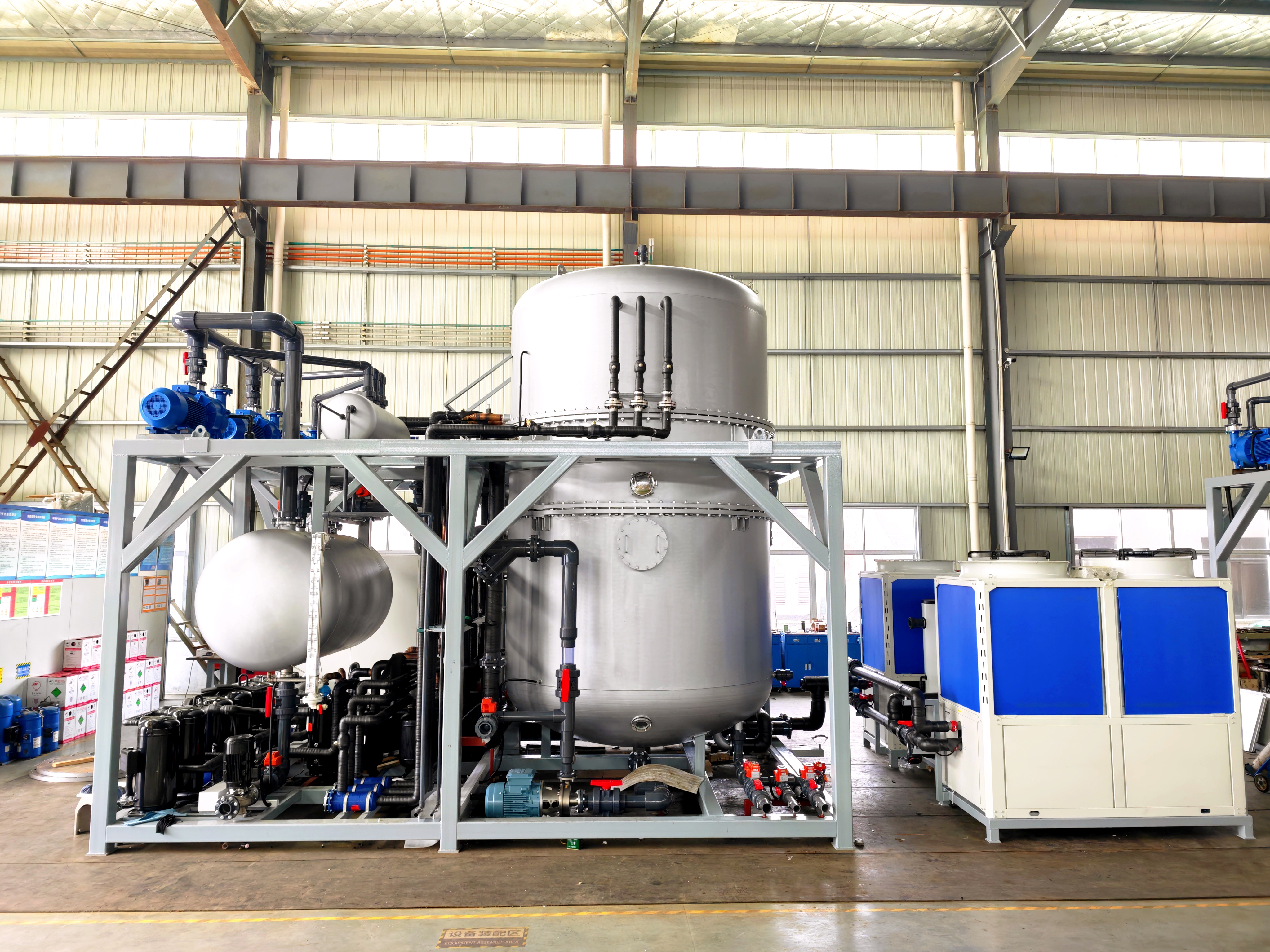
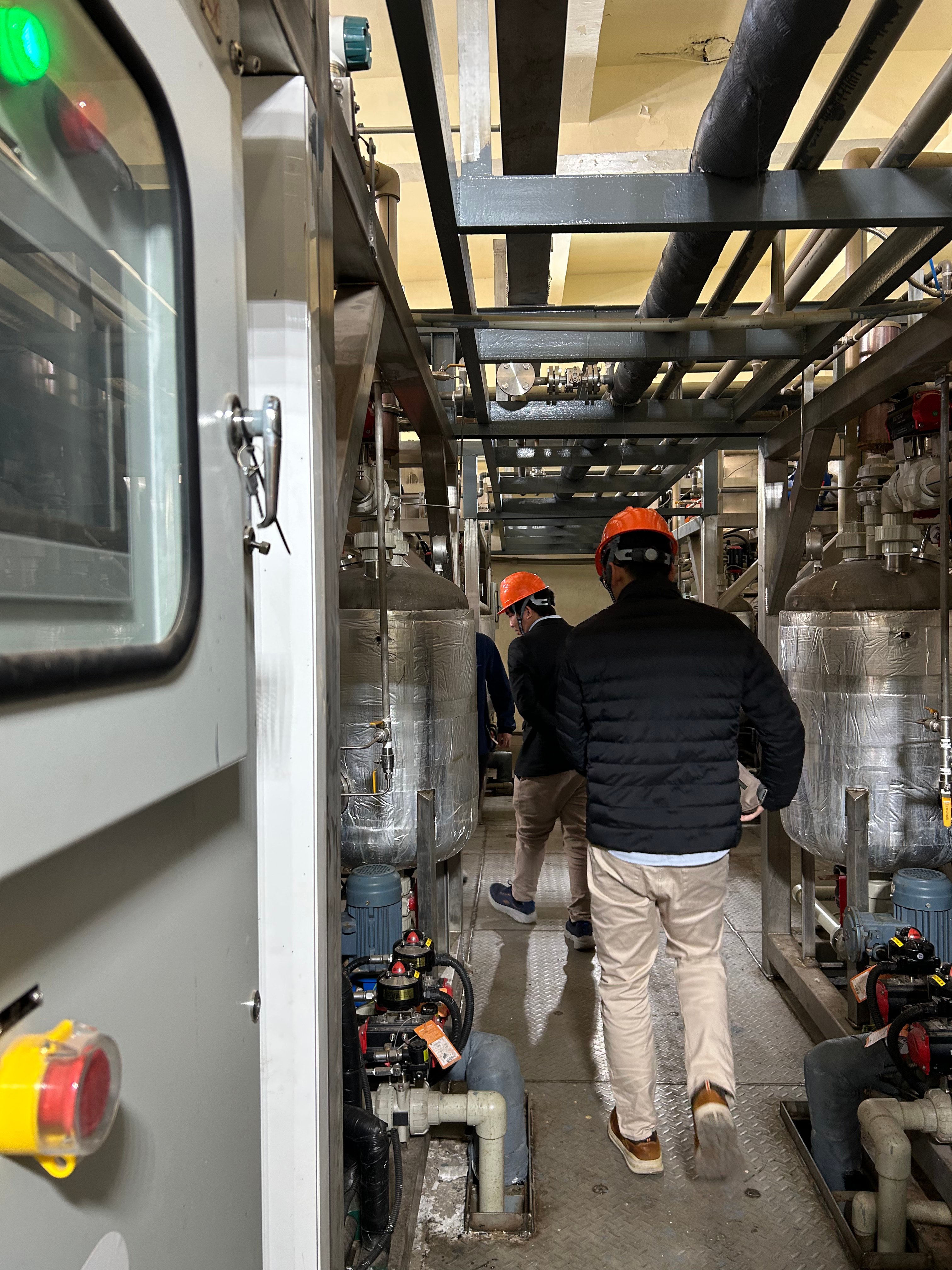
evaporation plant
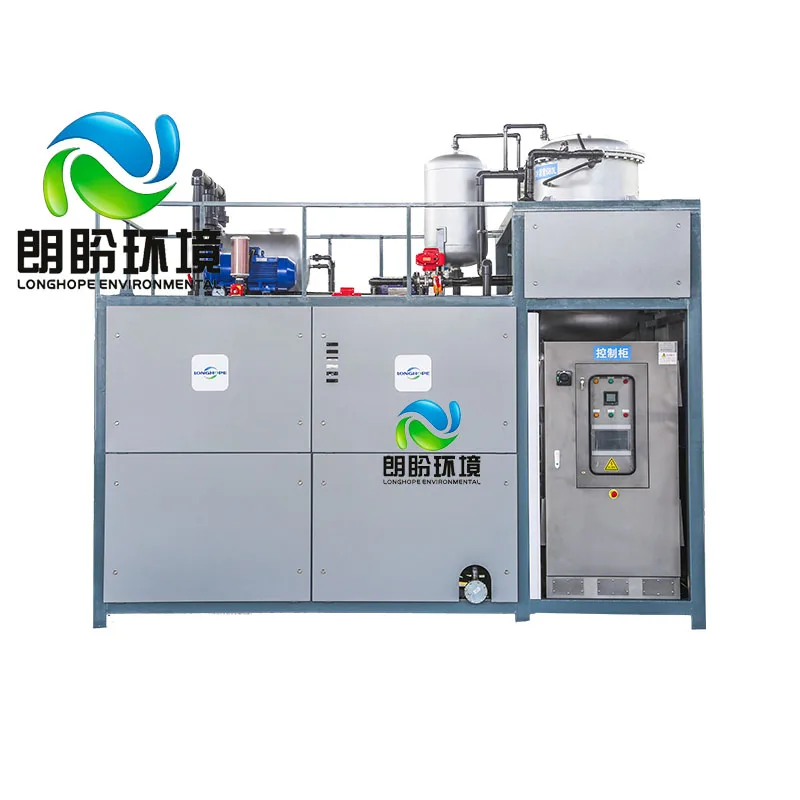
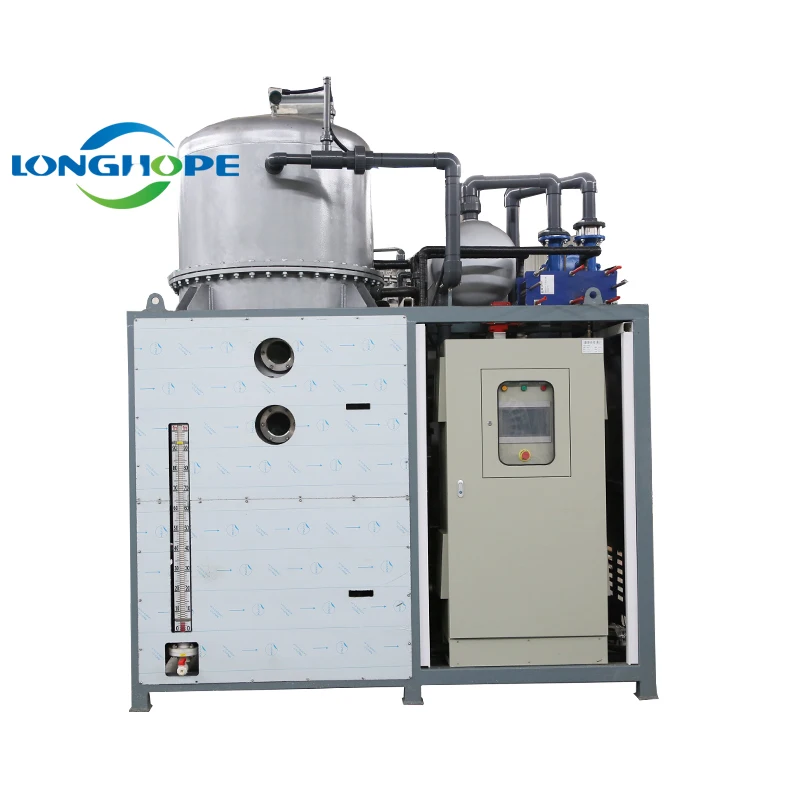
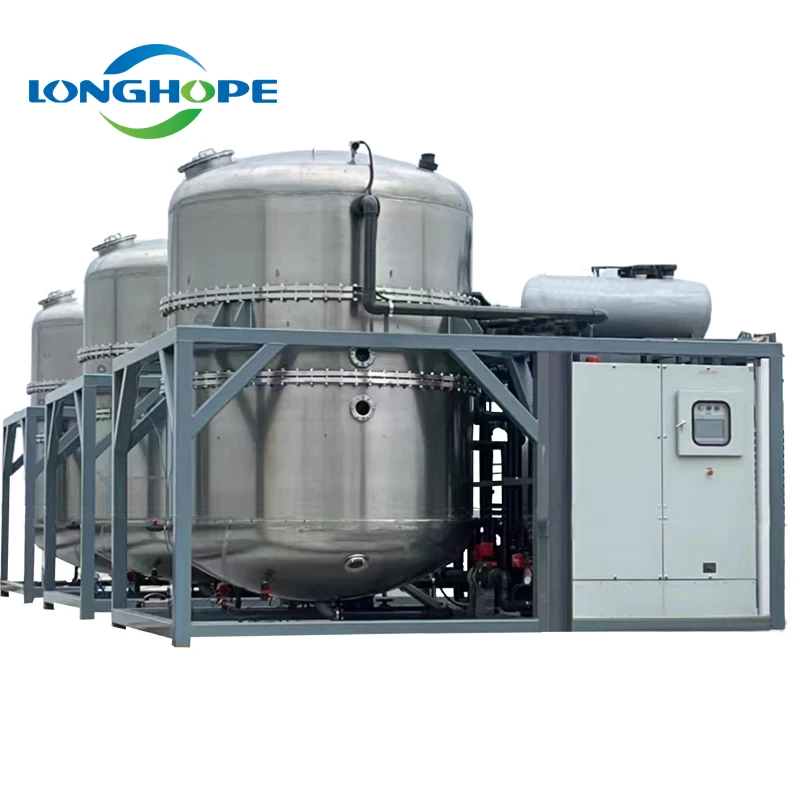
An evaporation plant is a sophisticated industrial system designed to remove liquid from solids or concentrate solutions through controlled heating and evaporation processes. This equipment serves as a critical component in various manufacturing operations, waste management facilities, and chemical processing environments. The evaporation plant operates by applying heat to liquid-containing materials, causing water or other volatile substances to transform into vapor and separate from the remaining concentrate or solid matter.
The primary function of an evaporation plant involves concentrating solutions, recovering valuable materials, or reducing waste volume for safer disposal. Modern evaporation plant technology incorporates multiple effect evaporation systems, vacuum chambers, and advanced condensation mechanisms to maximize efficiency and minimize energy consumption. These technological features enable operators to process diverse materials ranging from wastewater to chemical solutions with precision and reliability.
Key technological components within an evaporation plant include heat exchangers, vapor separators, condensers, and automated control systems that monitor temperature, pressure, and flow rates throughout the operation. The evaporation plant design typically features multiple evaporation stages that enhance thermal efficiency by reusing vapor heat from one stage to power subsequent stages.
Applications for evaporation plant systems span numerous industries including food processing, pharmaceutical manufacturing, chemical production, environmental treatment, and agricultural operations. An evaporation plant proves invaluable for concentrating fruit juices, recovering salt from brine solutions, treating industrial effluent, and processing dairy products. The versatility of evaporation plant technology makes it an essential investment for facilities seeking sustainable solutions to liquid processing challenges while maintaining product quality and regulatory compliance.

 EN