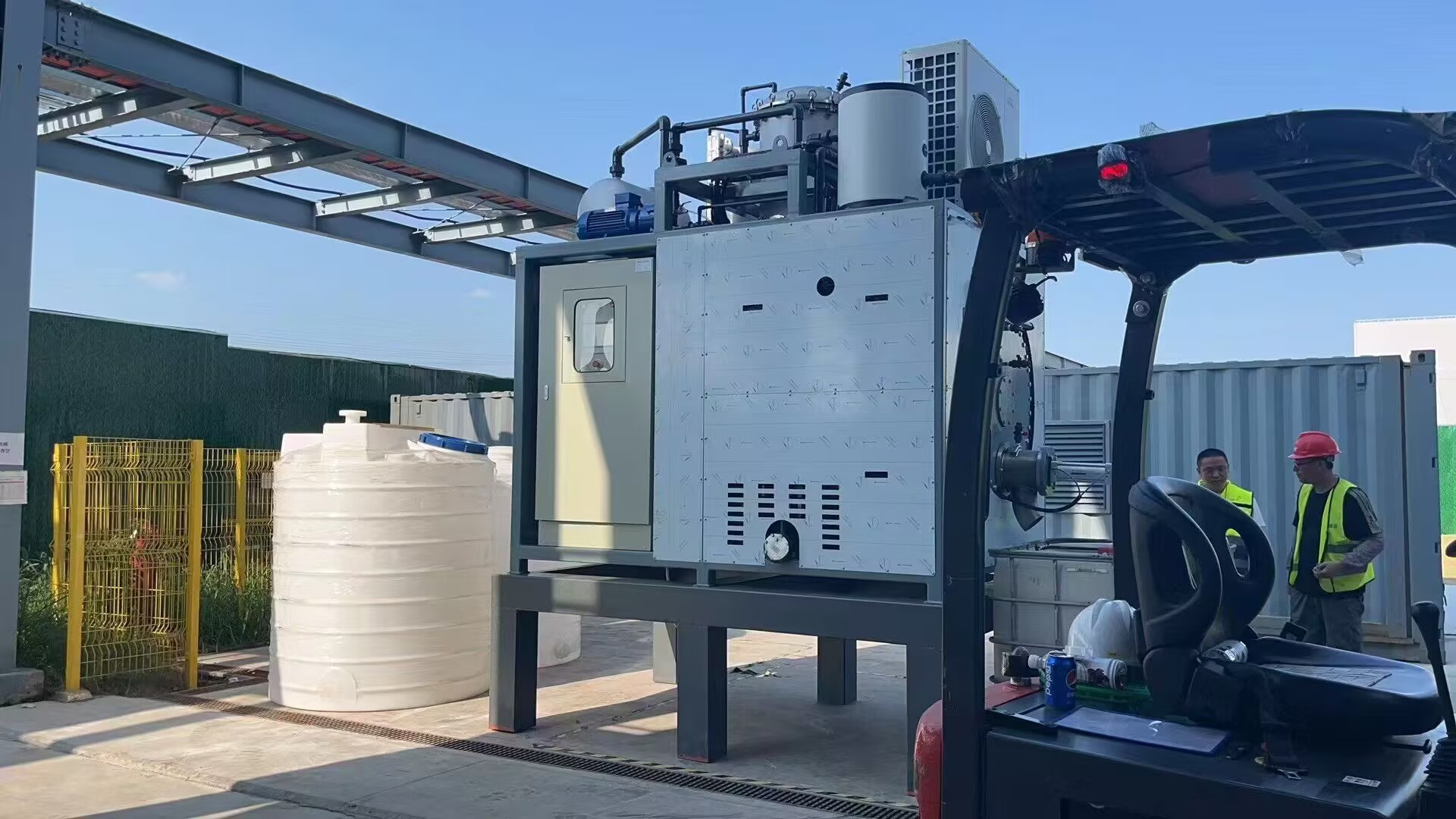
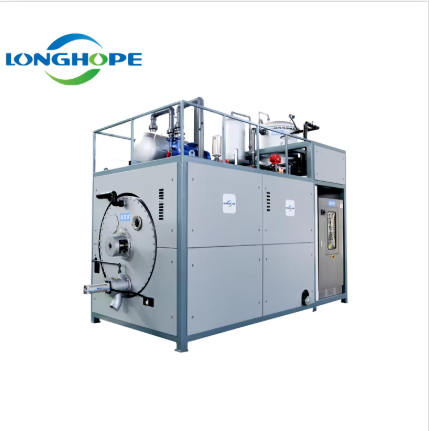
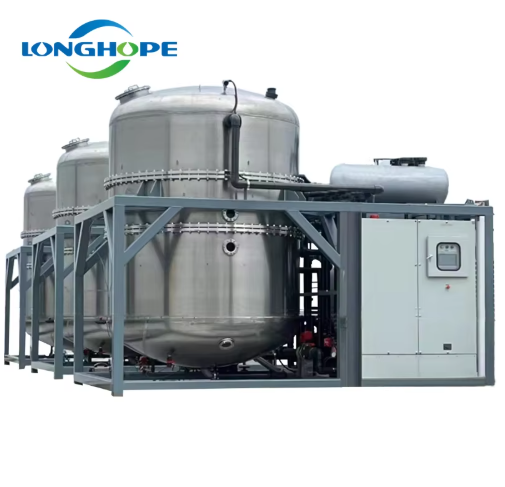
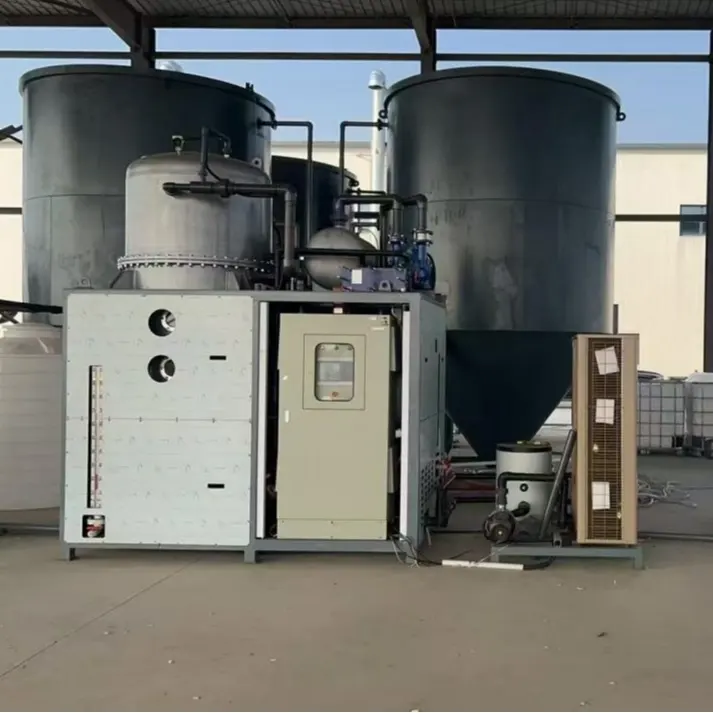
crystallization machine
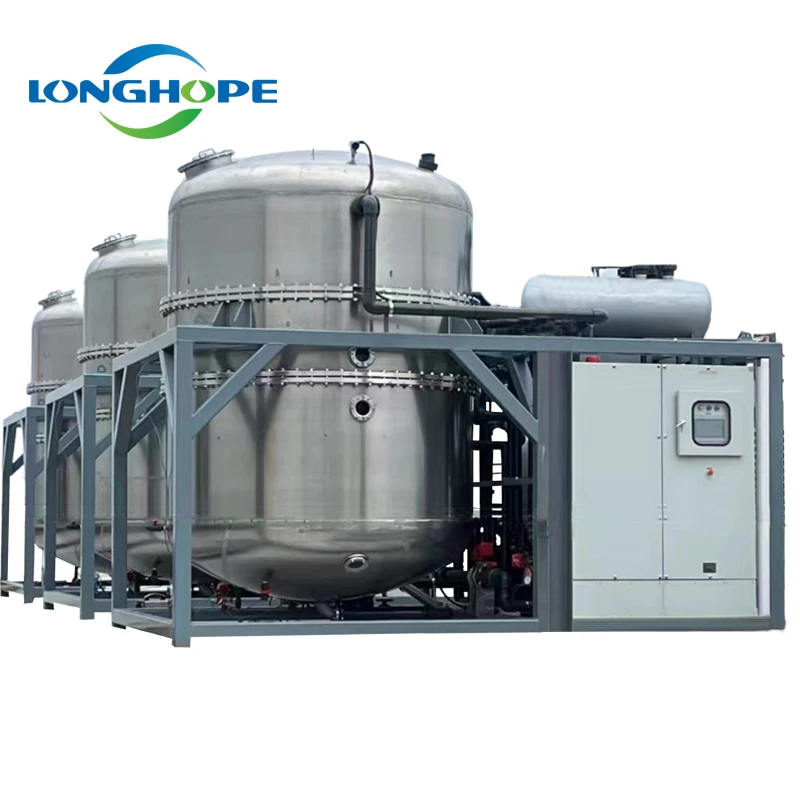
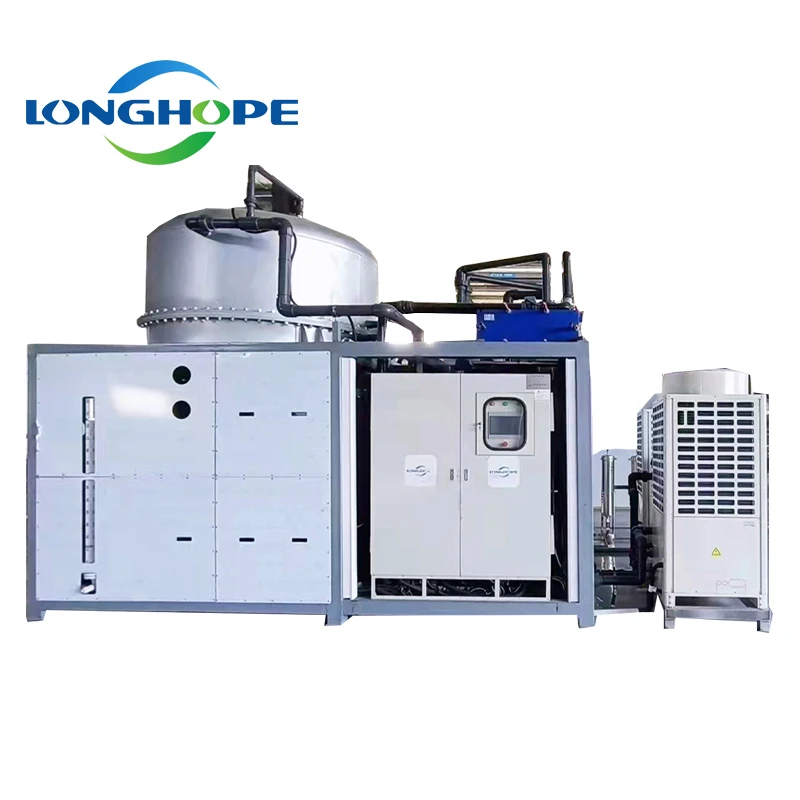
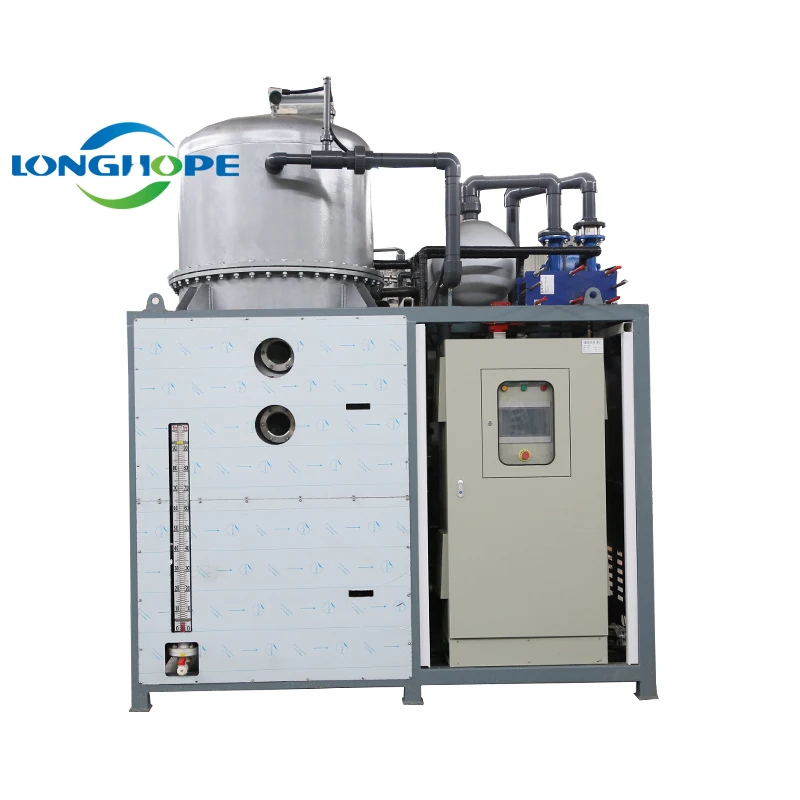
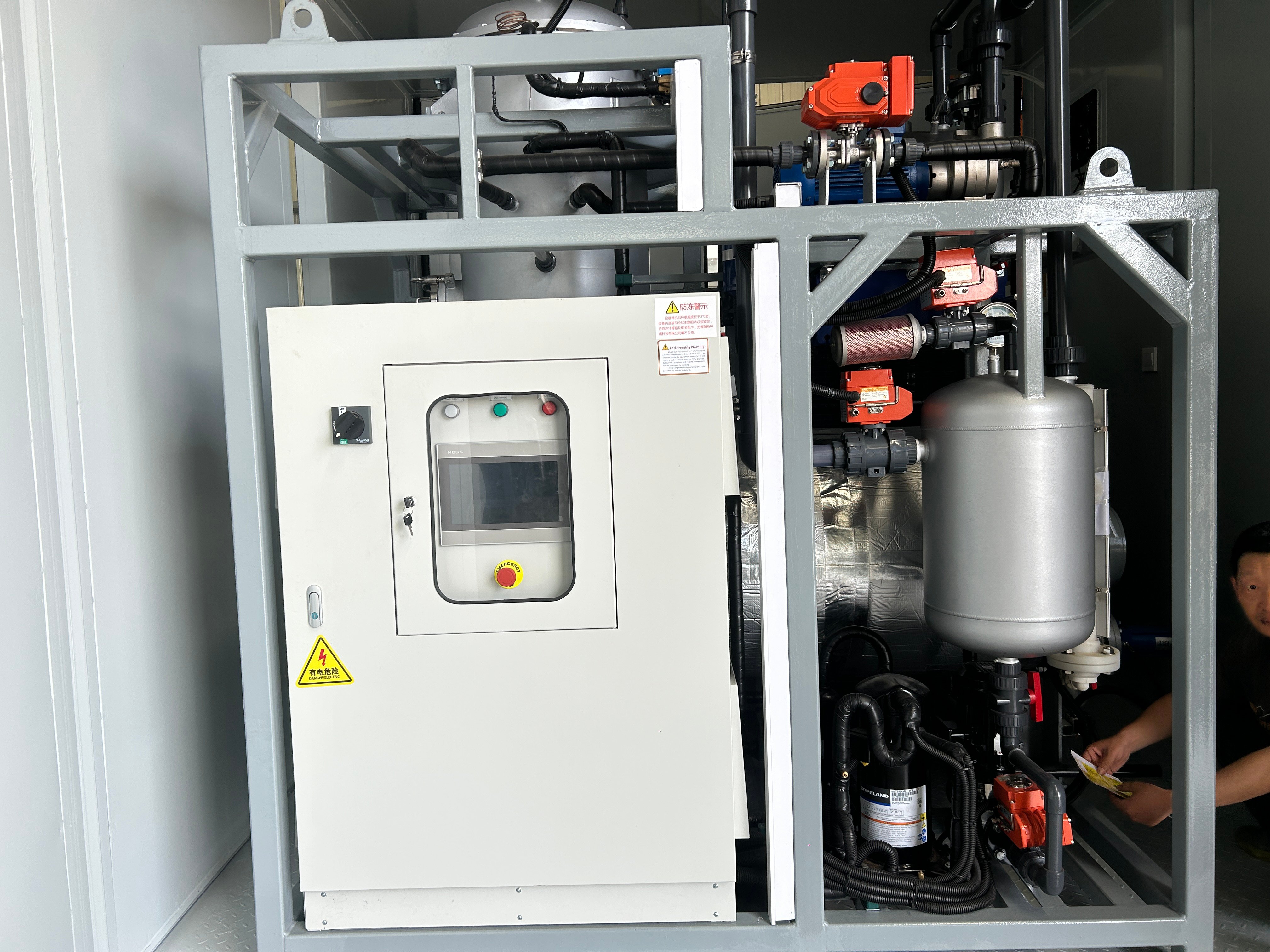
A crystallization machine is a specialized industrial equipment designed to separate solids from liquid solutions through controlled crystallization processes. This sophisticated crystallization machine operates by manipulating temperature, pressure, and agitation to encourage crystal formation and growth from supersaturated solutions. The primary function of a crystallization machine involves cooling, heating, or evaporating liquids to reach the crystallization point, where dissolved substances transform into solid crystal structures. Modern crystallization machines incorporate advanced technological features including automated temperature control systems, precision sensors, and programmable logic controllers that ensure consistent results. These machines are equipped with specialized vessels, heat exchangers, and agitation mechanisms that facilitate uniform crystal development. The crystallization machine serves multiple industries by processing diverse materials such as pharmaceuticals, chemicals, food ingredients, and minerals. Technological advancements in crystallization machine design have introduced innovations like batch and continuous operation modes, energy-efficient cooling systems, and real-time monitoring capabilities. The crystallization machine ensures high purity levels and optimal crystal size distribution through carefully calibrated processes. Industries rely on the crystallization machine to achieve product uniformity, reduce waste, and improve production efficiency. Whether handling delicate pharmaceutical compounds or robust industrial chemicals, the crystallization machine delivers reliable performance. The equipment's scalability makes it suitable for both laboratory and large-scale manufacturing environments. Understanding how a crystallization machine operates helps businesses select the right equipment for their specific crystallization needs and production volumes.

 EN