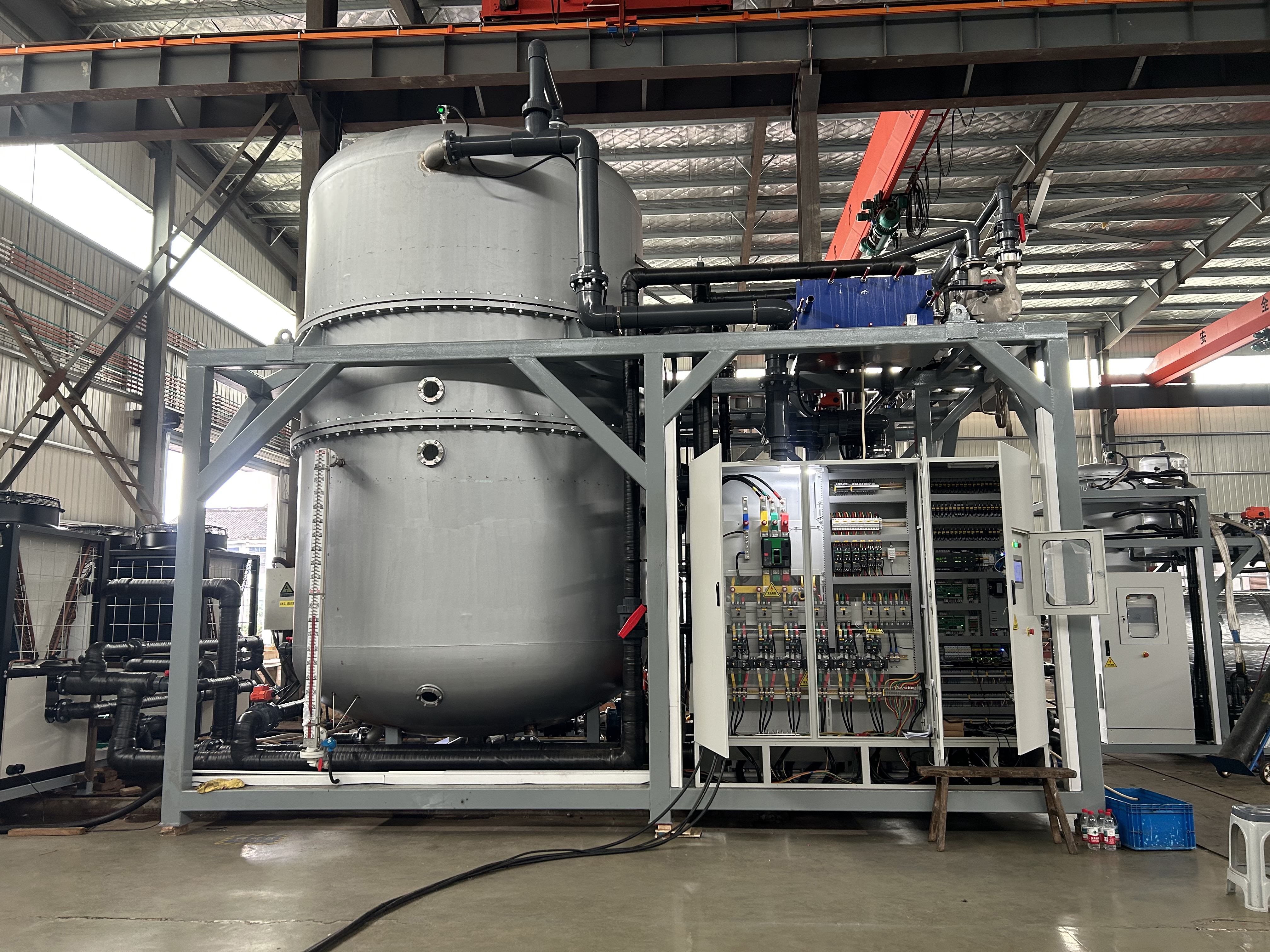
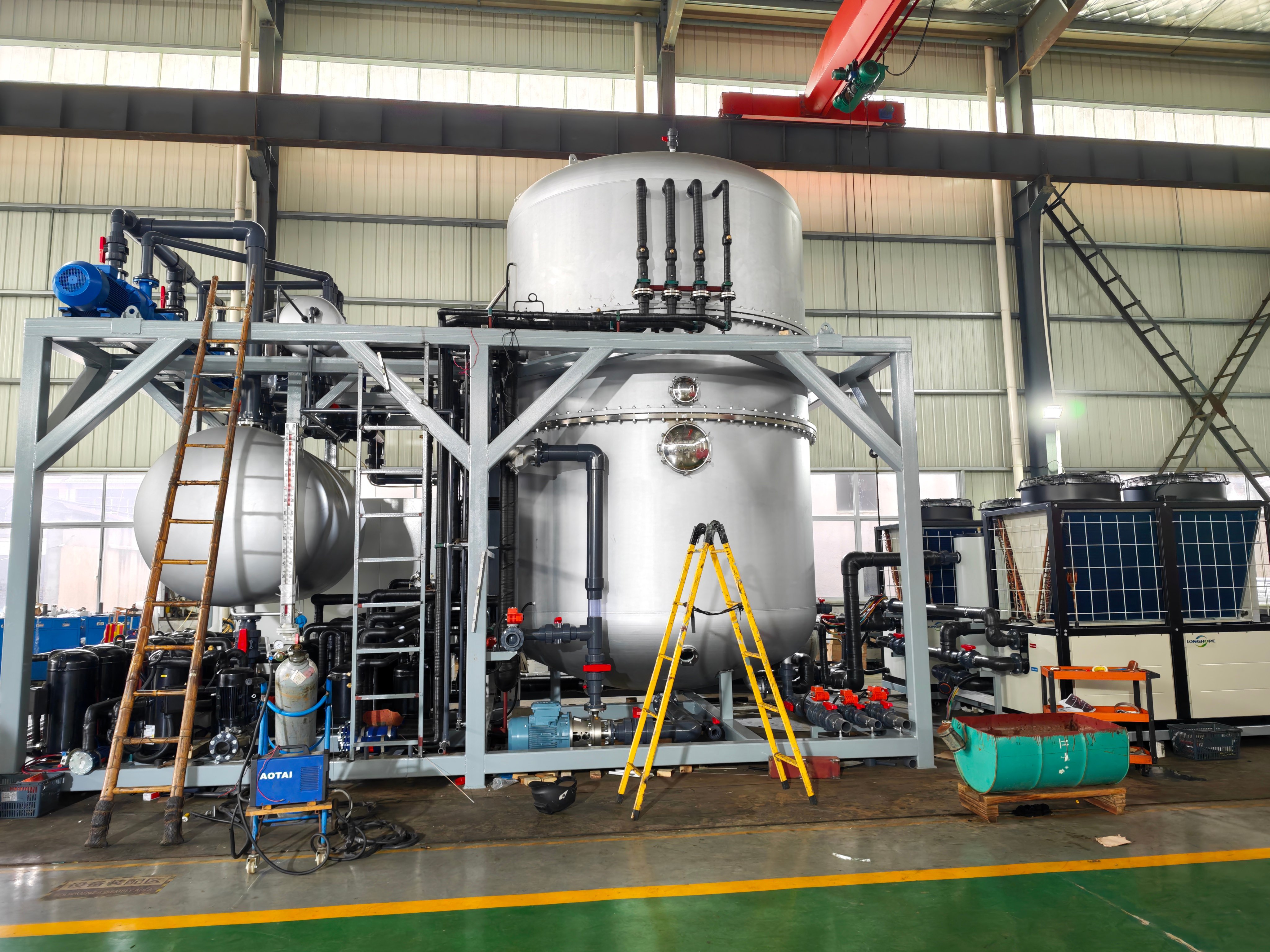
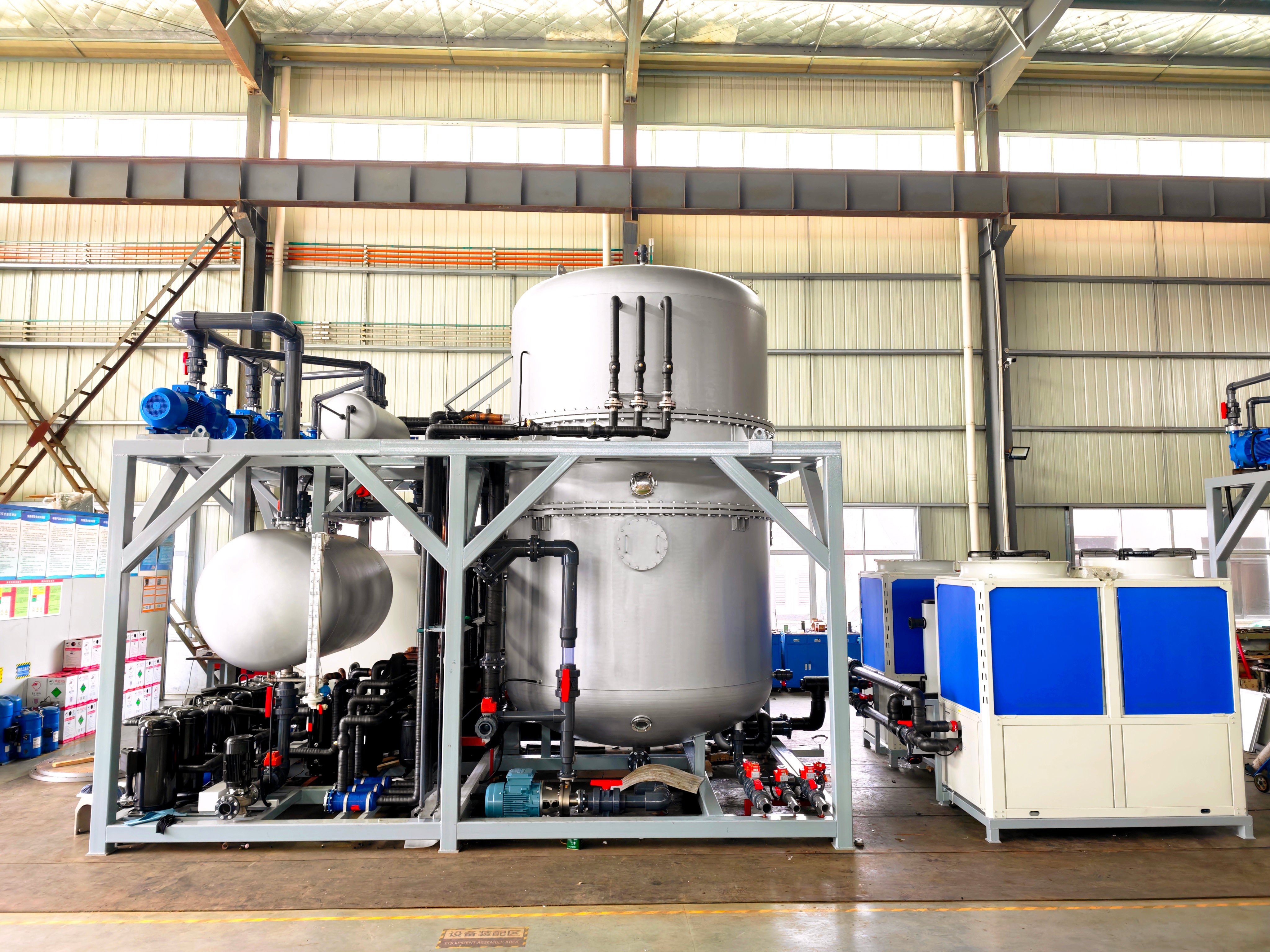
Industrial Wastewater Treatment Facility

All Categories

Get a Free Quote

Our representative will contact you soon.
Email
Mobile
Name
Company Name
Message
0/1000

industrial wastewater treatment facility

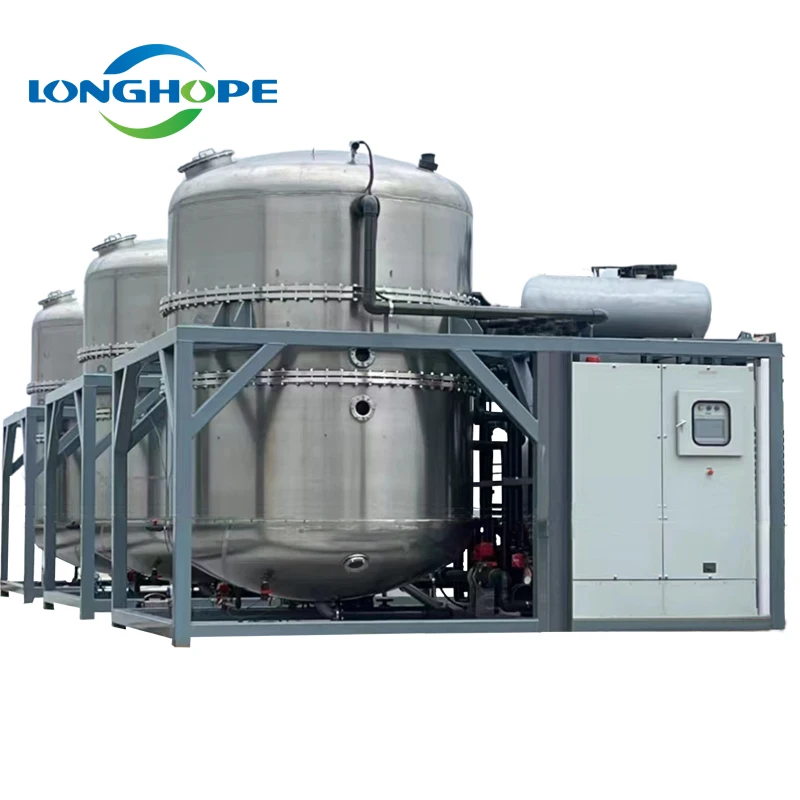
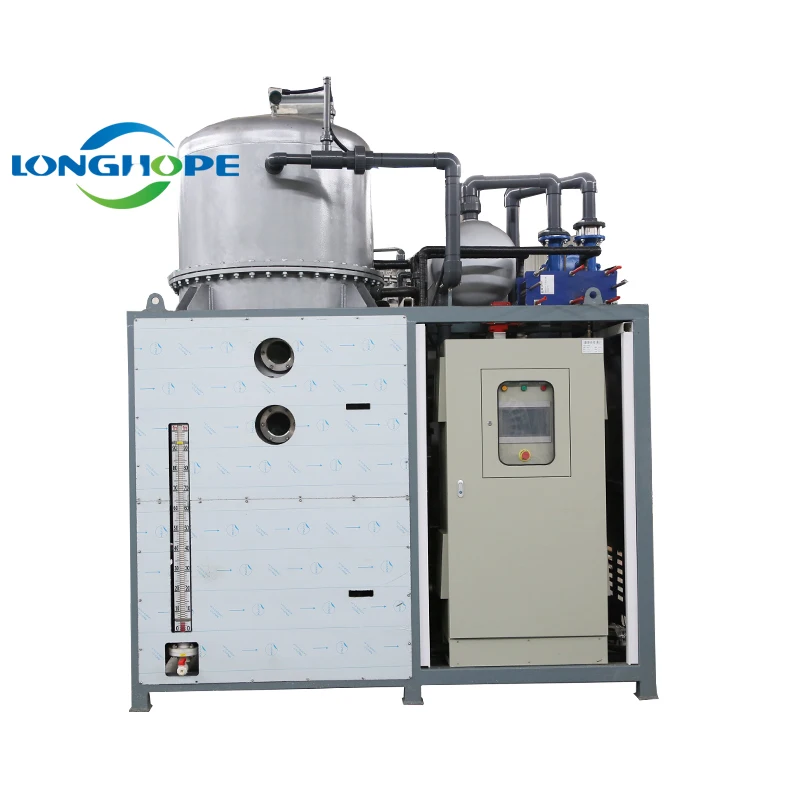
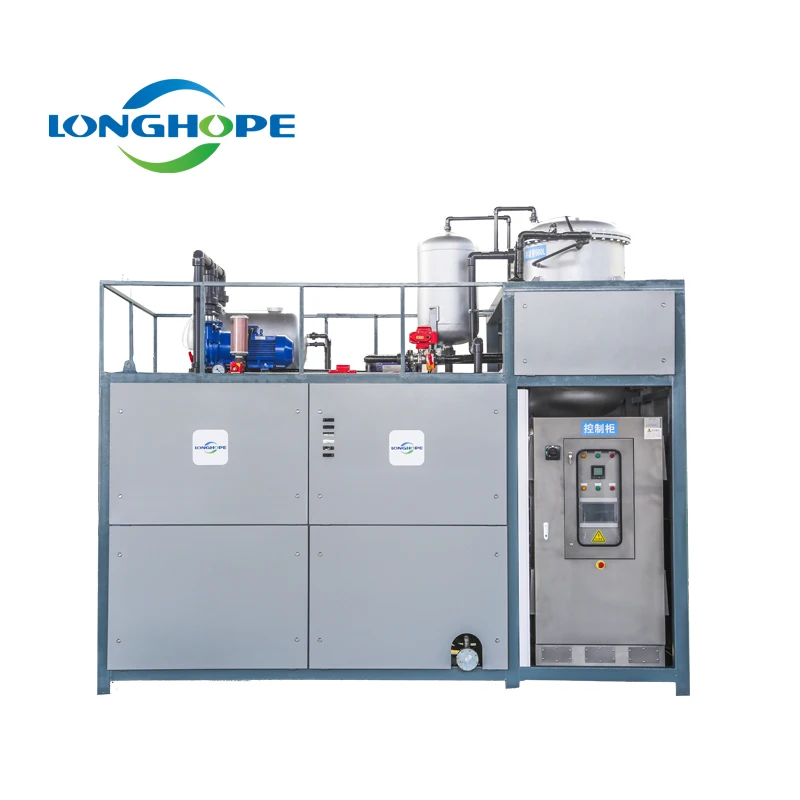
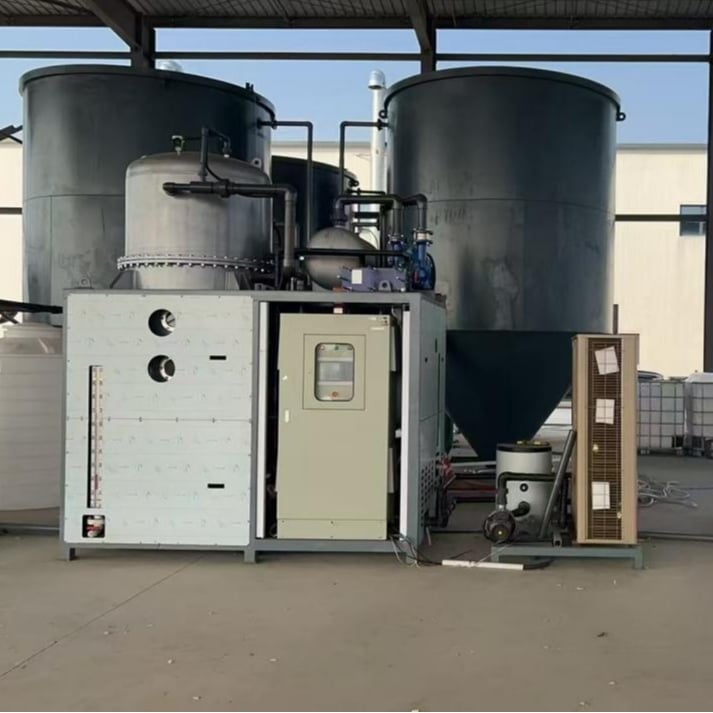
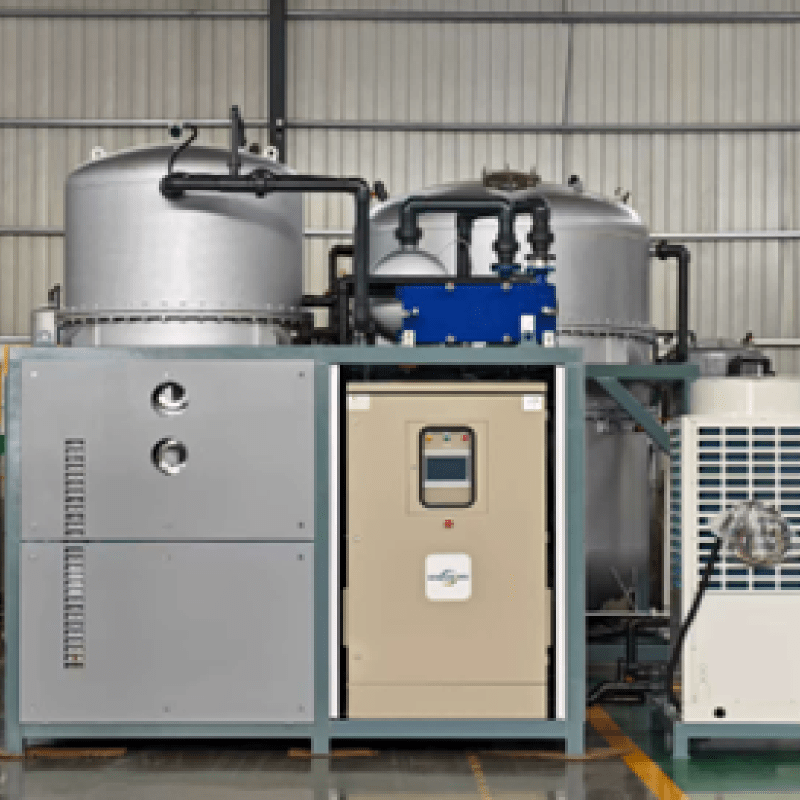
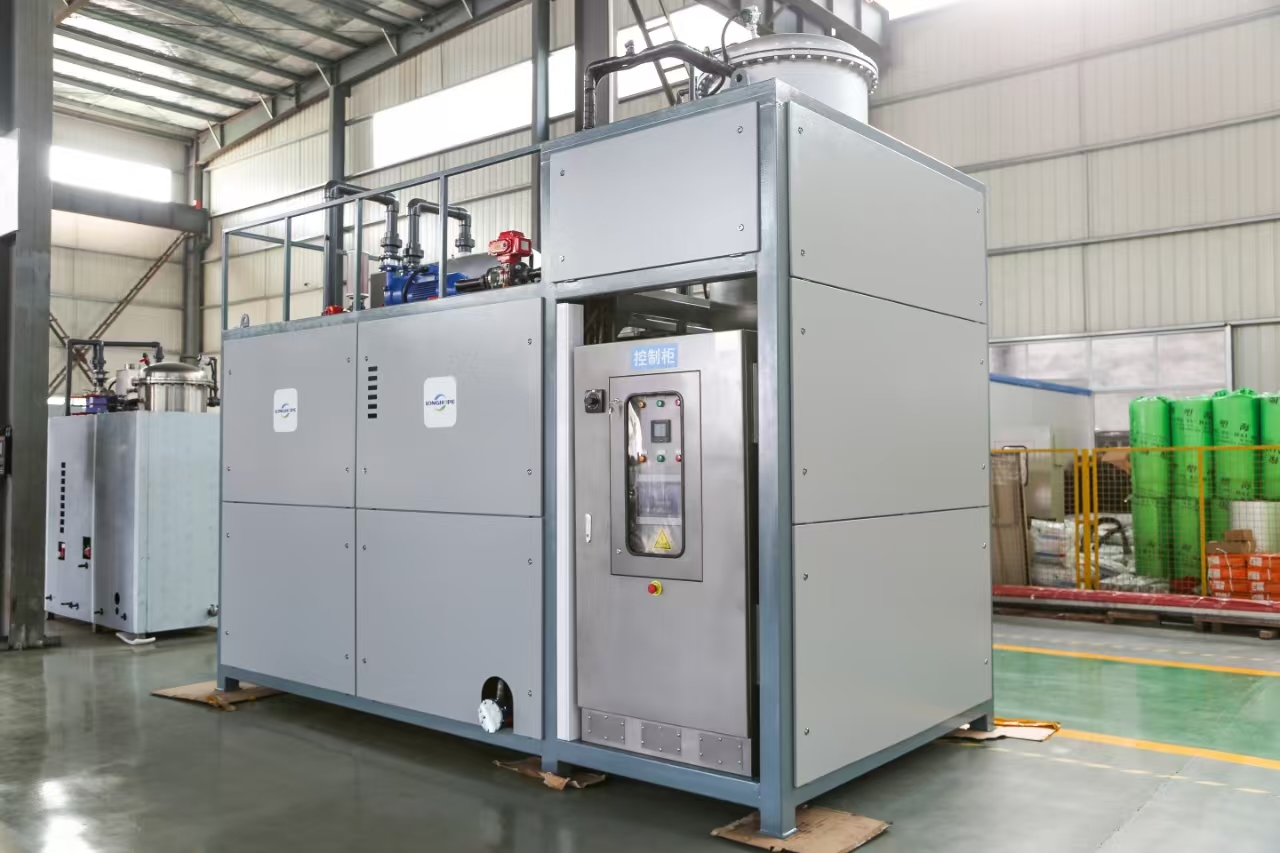
An industrial wastewater treatment facility represents a comprehensive solution designed to manage and purify contaminated water generated by manufacturing, processing, and production operations. This specialized industrial wastewater treatment facility combines advanced technologies and proven methodologies to remove harmful contaminants, suspended solids, chemicals, and pollutants from wastewater before discharge or reuse. The primary functions of an industrial wastewater treatment facility include screening, sedimentation, biological treatment, chemical processing, and filtration. Each stage systematically removes different categories of pollutants to ensure compliance with environmental regulations and quality standards. The industrial wastewater treatment facility utilizes mechanical systems, biological reactors, and chemical treatment processes working in coordinated stages. Technological features incorporated into a modern industrial wastewater treatment facility include automated monitoring systems, real-time quality control, pH adjustment mechanisms, and advanced separation equipment. These innovations enable precise treatment optimization and consistent performance. The facility employs state-of-the-art sensors and control systems that continuously monitor treatment efficacy and adjust processes automatically. Applications of an industrial wastewater treatment facility extend across multiple industries including manufacturing, food processing, pharmaceuticals, textiles, mining, and chemical production. Each sector benefits from customized treatment approaches tailored to specific contaminant profiles. An industrial wastewater treatment facility proves essential for organizations seeking environmental compliance, operational efficiency, and sustainable water management practices in today's regulatory landscape.
New Product Releases

An industrial wastewater treatment facility delivers substantial operational and financial benefits for businesses managing contaminated water streams. The primary advantage centers on achieving consistent regulatory compliance without facing penalties, shutdown risks, or legal complications from improper discharge practices. Operational benefits emerge through reduced water consumption via recycling and reuse capabilities. An industrial wastewater treatment facility enables organizations to recover and reprocess treated water for manufacturing processes, cooling systems, and landscaping applications, significantly lowering freshwater procurement costs and improving sustainability metrics. The cost-effectiveness of an industrial wastewater treatment facility extends beyond water savings. By removing valuable materials and by-products from wastewater streams, facilities recover resources that gain resale value or reduce raw material purchasing expenses. This dual-benefit model transforms wastewater management from a cost center into a profit opportunity. Environmental stewardship represents another critical advantage. An industrial wastewater treatment facility protects local ecosystems, groundwater supplies, and community water sources by eliminating hazardous substances before environmental release. This commitment enhances corporate reputation and stakeholder relationships. Operational reliability improves substantially with an industrial wastewater treatment facility's automated systems. Advanced monitoring, predictive maintenance features, and self-adjusting treatment parameters minimize downtime, reduce manual labor requirements, and ensure consistent treatment performance regardless of fluctuating influent characteristics. Flexibility stands as a significant advantage for growing enterprises. An industrial wastewater treatment facility accommodates expanding production volumes through modular design expansion and capacity scalability without complete system replacement. This adaptability protects capital investments and supports business growth trajectories effectively throughout operational lifecycles.

Tips And Tricks

Low Temperature Heat Pump Evaporator Maintenance Best Practices

24

Jul

Low Temperature Heat Pump Evaporator Maintenance Best Practices

Effective low temperature heat pump evaporator maintenance is essential for preserving system efficiency, extending equipment lifespan, and preventing costly downtime in industrial refrigeration applications. The evaporator represents a critical heat...
View More
Benefits of Low Temperature Heat Pump Evaporator in Industry

24

Jul

Benefits of Low Temperature Heat Pump Evaporator in Industry

Industrial facilities worldwide face mounting pressure to reduce operating costs while maintaining production quality and environmental compliance. The low temperature heat pump evaporator has emerged as a transformative solution that addresses these...
View More
Vacuum Distillation System Maintenance Best Practices

24

Jul

Vacuum Distillation System Maintenance Best Practices

Proper vacuum distillation system maintenance is critical for industries relying on separation, purification, and concentration processes. A well-maintained vacuum distillation system ensures consistent product quality, minimizes operational downtime...
View More
Vacuum Distillation: Key Benefits for Industrial Use

24

Jul

Vacuum Distillation: Key Benefits for Industrial Use

Vacuum distillation has become an essential separation technology across numerous industrial sectors, offering superior performance compared to conventional atmospheric distillation methods. By operating under reduced pressure conditions, vacuum dist...
View More

Get a Free Quote

Our representative will contact you soon.
Email
Mobile
Name
Company Name
Message
0/1000

industrial wastewater treatment facility

Advanced Multi-Stage Treatment Technology

Advanced Multi-Stage Treatment Technology

An industrial wastewater treatment facility incorporates sophisticated multi-stage treatment processes that systematically eliminate diverse contaminants through specialized technologies. The facility combines primary treatment stages that remove large solids and suspended materials, secondary biological treatment phases utilizing microorganisms to break down organic compounds, and tertiary polishing stages employing advanced filtration and chemical processes. This comprehensive approach ensures optimal contaminant removal rates exceeding ninety-five percent for most pollutant categories. The industrial wastewater treatment facility's layered methodology addresses specific contamination challenges unique to different industries and manufacturing processes. Real-time monitoring systems continuously verify treatment effectiveness at each stage, enabling immediate adjustments to maintain peak performance and consistent output quality standards throughout operational cycles.
Complete Environmental Compliance and Regulatory Adherence

Complete Environmental Compliance and Regulatory Adherence

An industrial wastewater treatment facility provides comprehensive solutions ensuring full compliance with local, state, and federal environmental regulations and discharge permits. The facility maintains meticulous documentation and reporting systems that demonstrate regulatory adherence to environmental protection agencies and governmental authorities. Discharge parameters consistently meet or exceed established quality standards for pH levels, dissolved oxygen content, biological oxygen demand, chemical oxygen demand, suspended solids, and hazardous substance concentrations. An industrial wastewater treatment facility eliminates costly penalties, operational disruptions, and legal liabilities associated with non-compliance violations. By proactively managing wastewater treatment through certified facilities, organizations demonstrate environmental responsibility while protecting operational continuity and maintaining positive community relationships essential for sustainable business operations.
Cost Reduction and Resource Recovery Economics

Cost Reduction and Resource Recovery Economics

An industrial wastewater treatment facility transforms wastewater management into a financially advantageous operation through multiple revenue-generating mechanisms and expense reduction strategies. By treating and recycling wastewater internally, facilities substantially decrease freshwater acquisition costs and associated utility expenses. Recovered water streams support manufacturing processes, industrial cooling systems, and auxiliary operations, creating measurable savings across operational budgets. Resource recovery capabilities embedded within an industrial wastewater treatment facility extract valuable materials, metals, and by-products from treatment processes for resale or reuse. Sludge handling systems produce biosolids applicable to agricultural amendments and energy generation applications. These integrated economic benefits position an industrial wastewater treatment facility as a strategic investment rather than merely regulatory requirement, delivering improved profit margins and enhanced financial performance metrics.

Get a Free Quote

Our representative will contact you soon.
Email
Mobile
Name
Company Name
Message
0/1000