Vacuum Crystallization System

All Categories

Get a Free Quote

Our representative will contact you soon.
Email
Mobile
Name
Company Name
Message
0/1000

vacuum crystallization system

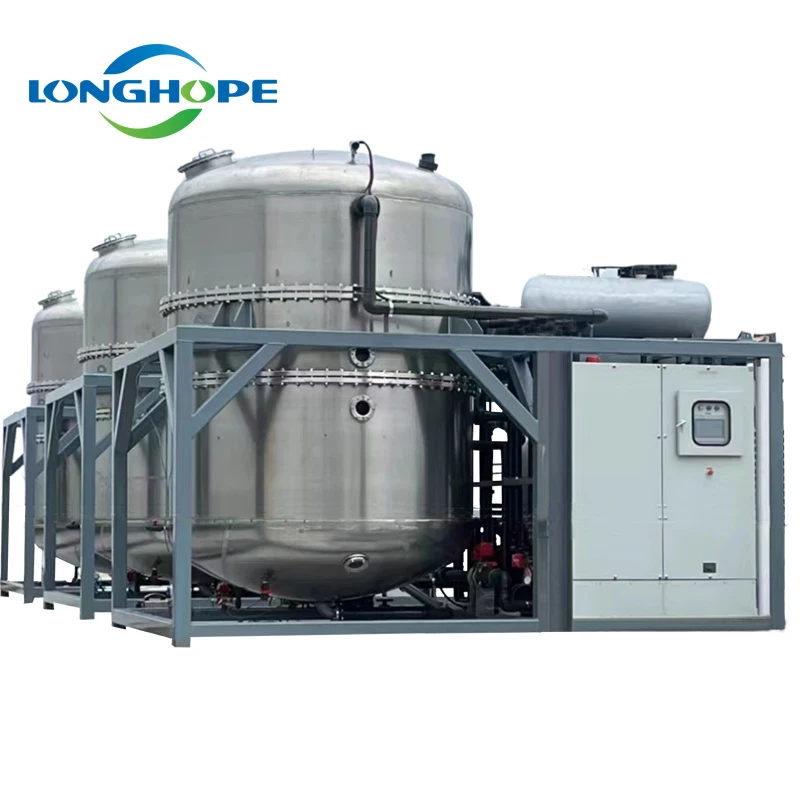
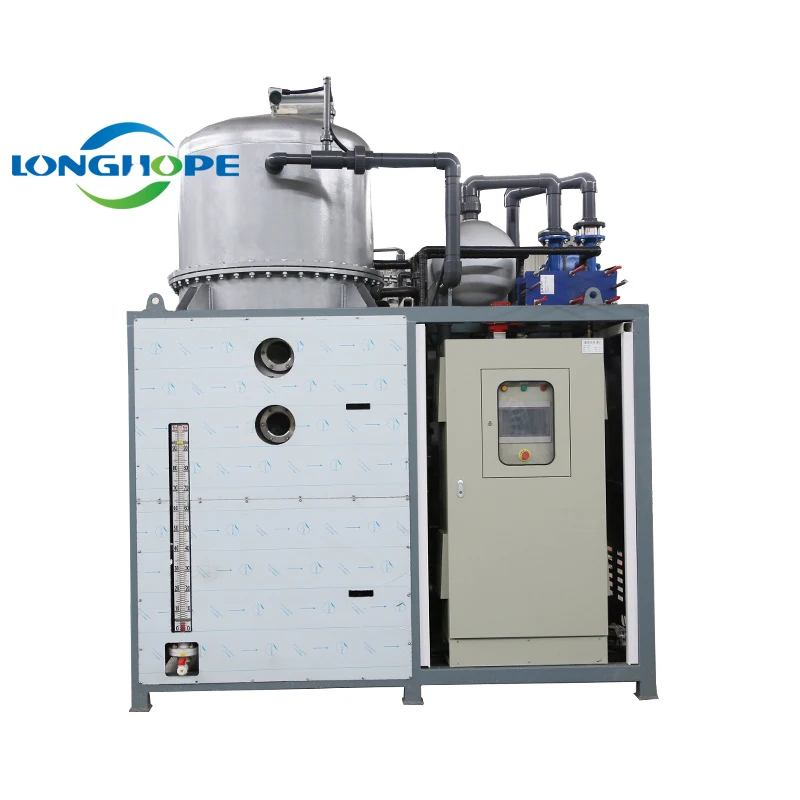
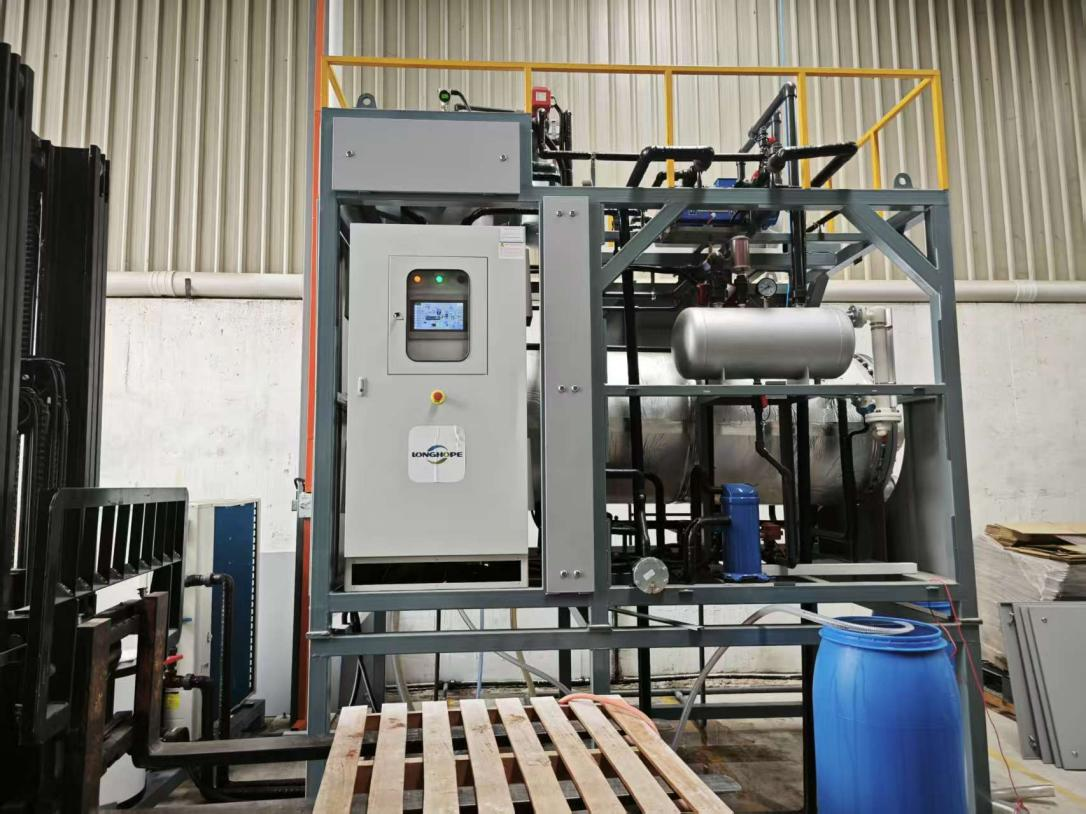
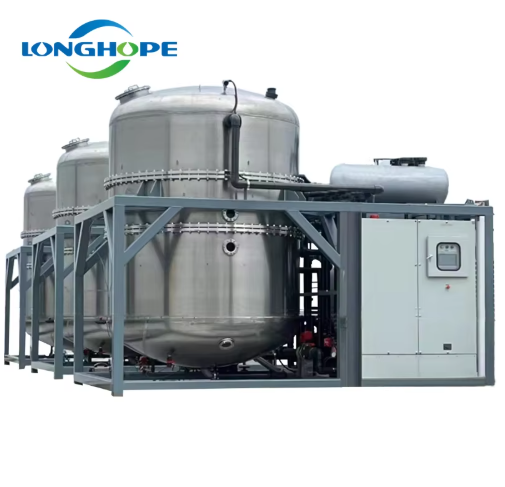
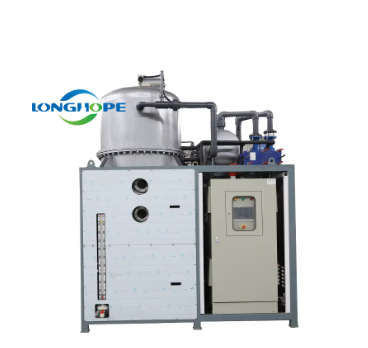
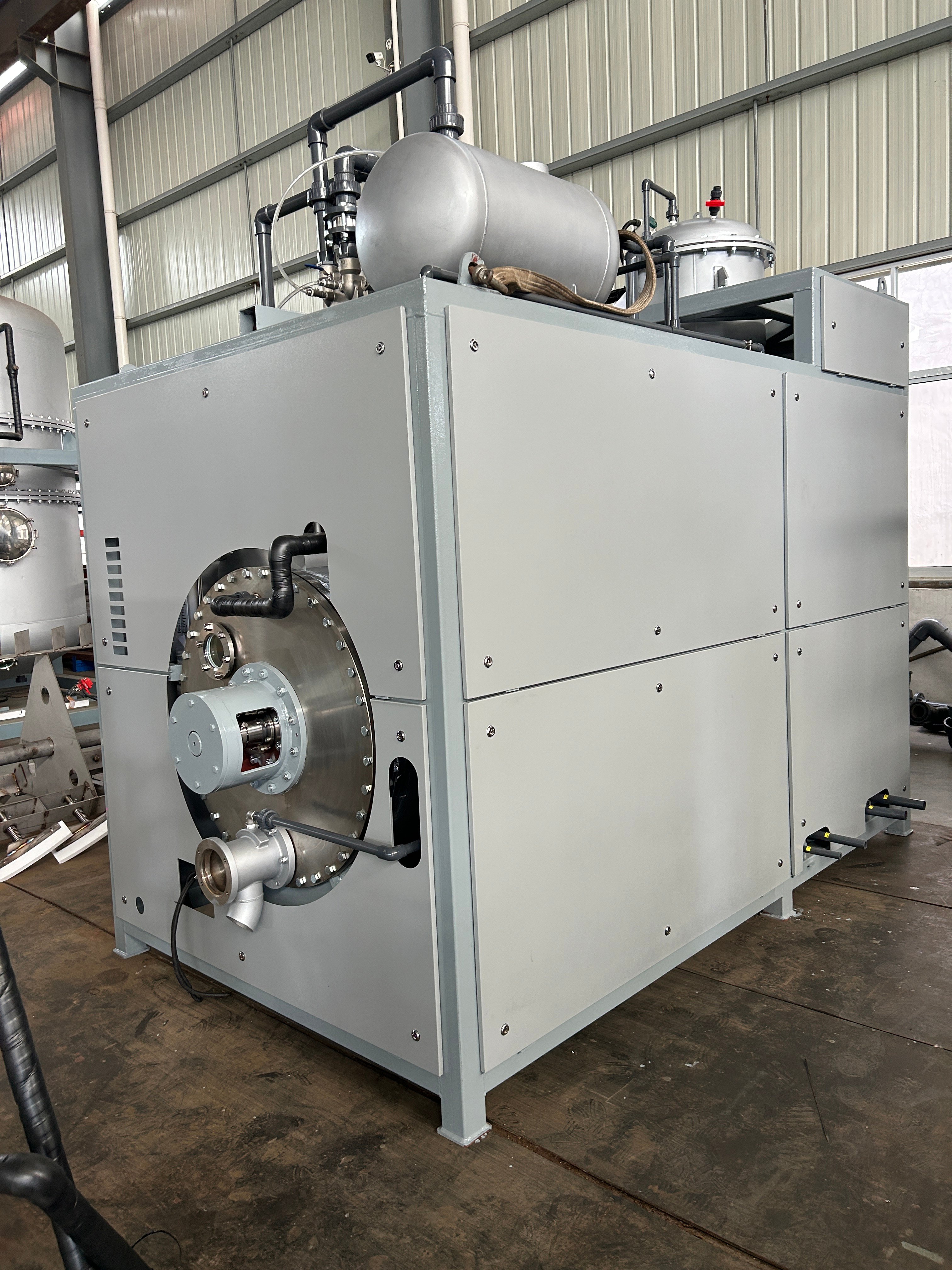
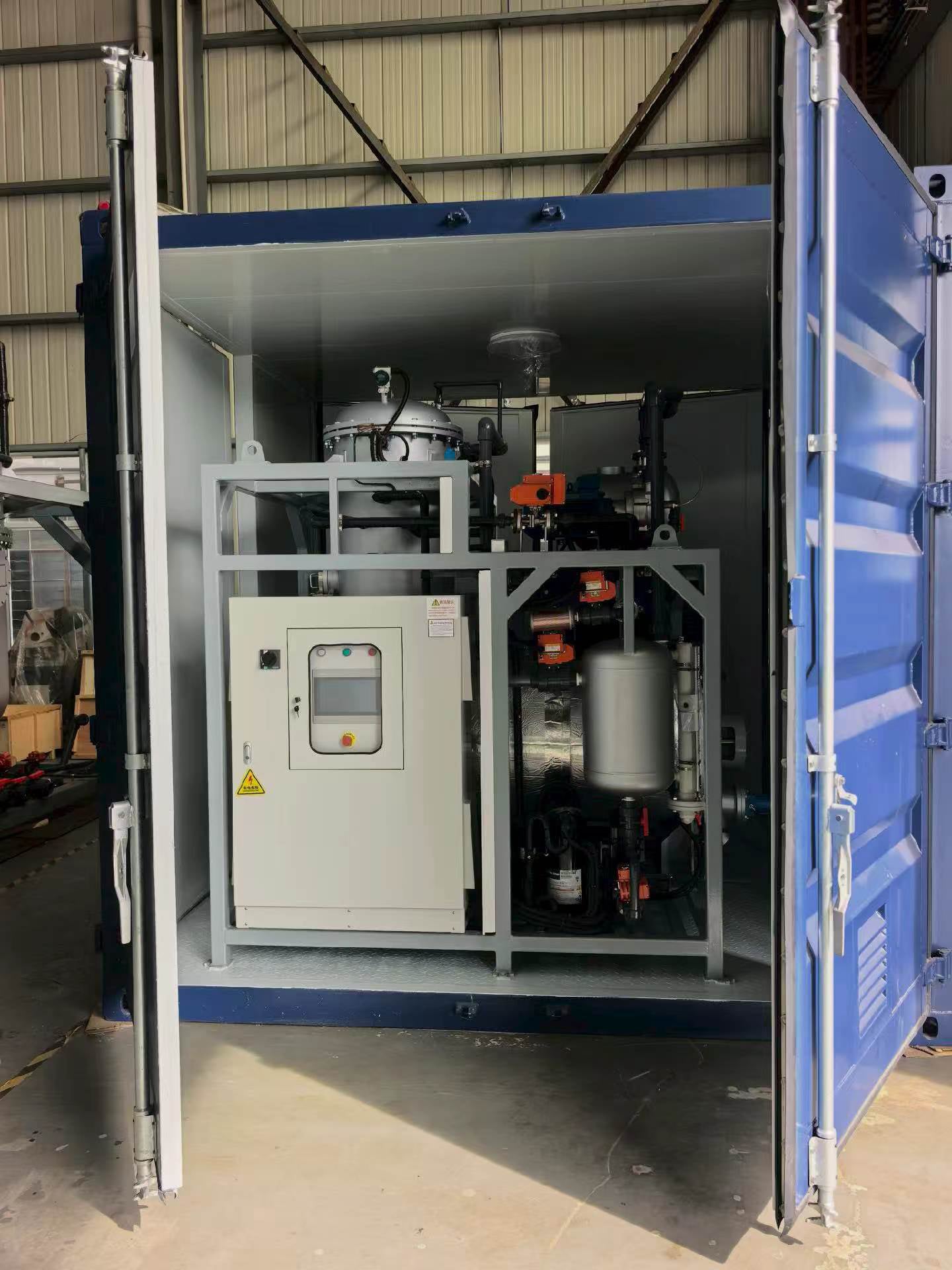
A vacuum crystallization system represents an advanced separation technology designed to extract pure crystalline solids from liquid solutions through controlled evaporation and crystallization processes under reduced pressure conditions. This innovative vacuum crystallization system operates by lowering atmospheric pressure within a sealed chamber, which significantly reduces the boiling point of liquids and enables efficient thermal separation at lower temperatures. The primary function of a vacuum crystallization system involves removing solvents from solutions while promoting the formation of high-purity crystals through precise temperature and pressure management. Technological features of a vacuum crystallization system include sophisticated temperature control mechanisms, vacuum pumps, cooling systems, and automated monitoring equipment that work synergistically to optimize crystallization efficiency. The vacuum crystallization system incorporates heat exchangers that maximize energy recovery while maintaining optimal operating temperatures throughout the crystallization cycle. This equipment configuration allows operators to achieve superior product quality while minimizing thermal degradation of heat-sensitive materials. Applications of a vacuum crystallization system span across pharmaceutical manufacturing, chemical processing, food production, and specialty materials development. Industries rely on the vacuum crystallization system to produce high-purity compounds, recover valuable substances, and reduce waste in production processes. The technology proves particularly valuable for processing compounds with limited thermal stability, where conventional crystallization methods would compromise product integrity. By implementing a vacuum crystallization system, manufacturers can enhance product yield, reduce processing time, and maintain strict quality control standards essential for competitive market positioning.
New Products

The vacuum crystallization system delivers substantial operational advantages that transform how manufacturers approach separation and purification challenges. This technology enables operators to process heat-sensitive materials without degradation, protecting valuable compounds that conventional crystallization methods would damage. By reducing operational temperatures through vacuum pressure control, the vacuum crystallization system minimizes energy consumption while maximizing production efficiency and profitability. Operators experience faster crystallization cycles compared to traditional methods, directly translating to increased throughput and reduced operational costs. The vacuum crystallization system produces superior crystal quality with higher purity levels, eliminating costly downstream purification requirements and improving final product specifications. Production flexibility represents another key benefit of the vacuum crystallization system, allowing manufacturers to adjust processing parameters for different product types without equipment modifications. From a practical perspective, the vacuum crystallization system reduces environmental impact by minimizing solvent emissions through its sealed, controlled environment design. Users benefit from enhanced safety features inherent to the vacuum crystallization system, protecting personnel while reducing hazardous vapor exposure during manufacturing operations. The vacuum crystallization system provides consistent, reproducible results across production batches, ensuring reliable quality control and regulatory compliance. Maintenance requirements for the vacuum crystallization system remain manageable due to straightforward design principles and readily available replacement components. Investment returns accelerate through the vacuum crystallization system's ability to reduce waste, increase product recovery rates, and eliminate expensive rework cycles. Decision-makers recognize that implementing the vacuum crystallization system strengthens competitive positioning by enabling faster time-to-market for new products and supporting sustainable manufacturing practices that appeal to environmentally conscious customers.

Practical Tips

Top 5 Vacuum Distillation Applications in Industry

24

Jul

Top 5 Vacuum Distillation Applications in Industry

Vacuum distillation applications have become essential across multiple industrial sectors, transforming how manufacturers separate, purify, and concentrate valuable materials. By operating below atmospheric pressure, vacuum distillation applications ...
View More
How Low Temperature Heat Pump Evaporator Cuts Energy Costs

24

Jul

How Low Temperature Heat Pump Evaporator Cuts Energy Costs

Industrial operations consume significant energy, and equipment efficiency directly impacts profitability. A low temperature heat pump evaporator represents a transformative approach to reducing energy expenditure while maintaining operational perfor...
View More
Vacuum Distillation: Key Benefits for Industrial Use

24

Jul

Vacuum Distillation: Key Benefits for Industrial Use

Vacuum distillation has become an essential separation technology across numerous industrial sectors, offering superior performance compared to conventional atmospheric distillation methods. By operating under reduced pressure conditions, vacuum dist...
View More
Vacuum Distillation vs Traditional Distillation Methods

24

Jul

Vacuum Distillation vs Traditional Distillation Methods

Vacuum distillation and traditional distillation methods represent two distinct approaches to separating liquid mixtures through controlled evaporation and condensation. Understanding the differences between vacuum distillation and traditional distil...
View More

Get a Free Quote

Our representative will contact you soon.
Email
Mobile
Name
Company Name
Message
0/1000

vacuum crystallization system

Superior Temperature Control for Heat-Sensitive Compounds

Superior Temperature Control for Heat-Sensitive Compounds

The vacuum crystallization system incorporates precision temperature management technology that maintains optimal conditions for processing thermally sensitive materials. This advanced feature enables processors to work with compounds that would otherwise decompose under conventional crystallization temperatures. The vacuum crystallization system's integrated cooling and heating systems adjust temperature parameters in real-time, responding automatically to changing process conditions. This intelligent temperature regulation prevents product degradation while ensuring consistent crystallization quality throughout production cycles. Manufacturers benefit from the vacuum crystallization system's ability to maintain narrow temperature windows, critical for pharmaceutical and specialty chemical applications. The system's sensor network continuously monitors thermal conditions, triggering automatic adjustments to prevent temperature excursions that compromise product integrity. By protecting heat-sensitive molecules, the vacuum crystallization system eliminates costly product losses and rework expenses. This capability makes the vacuum crystallization system indispensable for industries processing valuable or unstable compounds requiring pristine final product specifications.
Energy-Efficient Separation at Reduced Pressure

Energy-Efficient Separation at Reduced Pressure

Operating under vacuum conditions, the vacuum crystallization system dramatically reduces boiling points, enabling efficient solvent removal at substantially lower temperatures than atmospheric crystallization methods. This reduced-pressure operation translates directly to lower energy requirements and operational cost savings across production cycles. The vacuum crystallization system's thermodynamic efficiency surpasses conventional equipment, delivering superior performance while consuming considerably less thermal energy. Heat recovery systems integrated into the vacuum crystallization system capture and reuse waste heat, further minimizing energy expenditure and environmental impact. Organizations implementing the vacuum crystallization system report significant reductions in utility costs, improving overall production economics and profitability margins. The system's energy efficiency addresses sustainability objectives while enhancing competitive cost positioning in price-sensitive markets. Manufacturers appreciate how the vacuum crystallization system reduces carbon footprint through lower energy consumption and minimal environmental emissions. This combination of operational efficiency and ecological responsibility makes the vacuum crystallization system increasingly attractive to environmentally focused organizations.
High-Purity Crystal Production with Minimal Waste

High-Purity Crystal Production with Minimal Waste

The vacuum crystallization system produces exceptionally pure crystalline products through controlled nucleation and growth mechanisms that maximize product recovery while minimizing impurities. This advanced separation capability eliminates downstream purification steps, reducing processing time and associated costs substantially. The vacuum crystallization system's sealed environment prevents contamination from atmospheric sources, ensuring product integrity and regulatory compliance. Superior crystal morphology achieved through the vacuum crystallization system results in improved handling characteristics and enhanced product performance for end-users. Waste reduction represents a significant advantage of the vacuum crystallization system, as the system recovers valuable solvent for reuse rather than disposal. Organizations utilizing the vacuum crystallization system achieve recovery rates exceeding conventional methods by substantial margins. Product quality consistency from the vacuum crystallization system enables manufacturers to meet stringent specifications reliably, strengthening customer relationships and reducing quality-related rejections. The vacuum crystallization system's efficiency in converting raw materials to marketable products directly impacts profitability and sustainability metrics for manufacturing operations.

Get a Free Quote

Our representative will contact you soon.
Email
Mobile
Name
Company Name
Message
0/1000