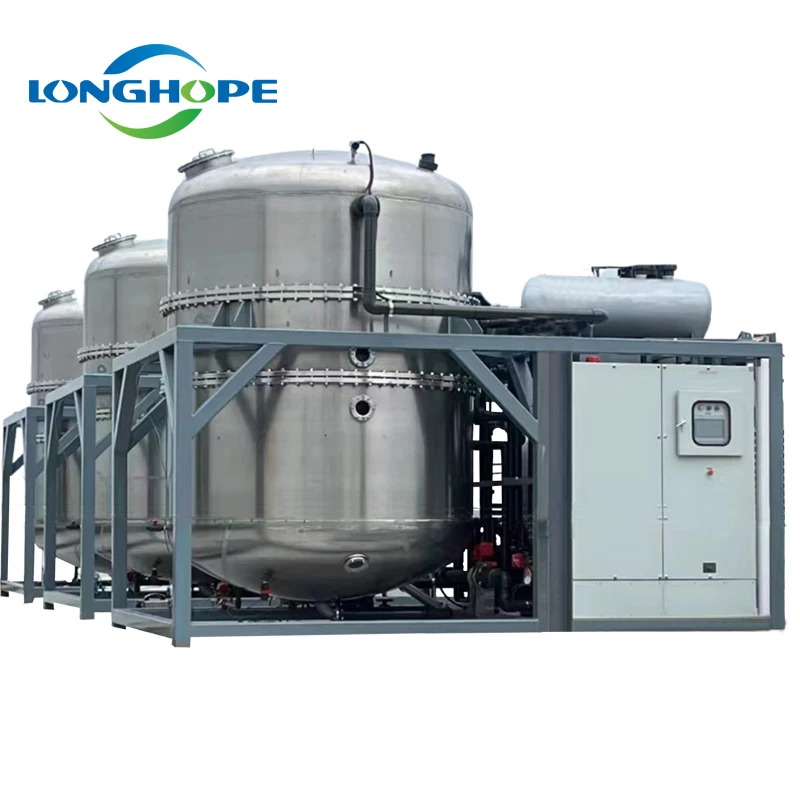
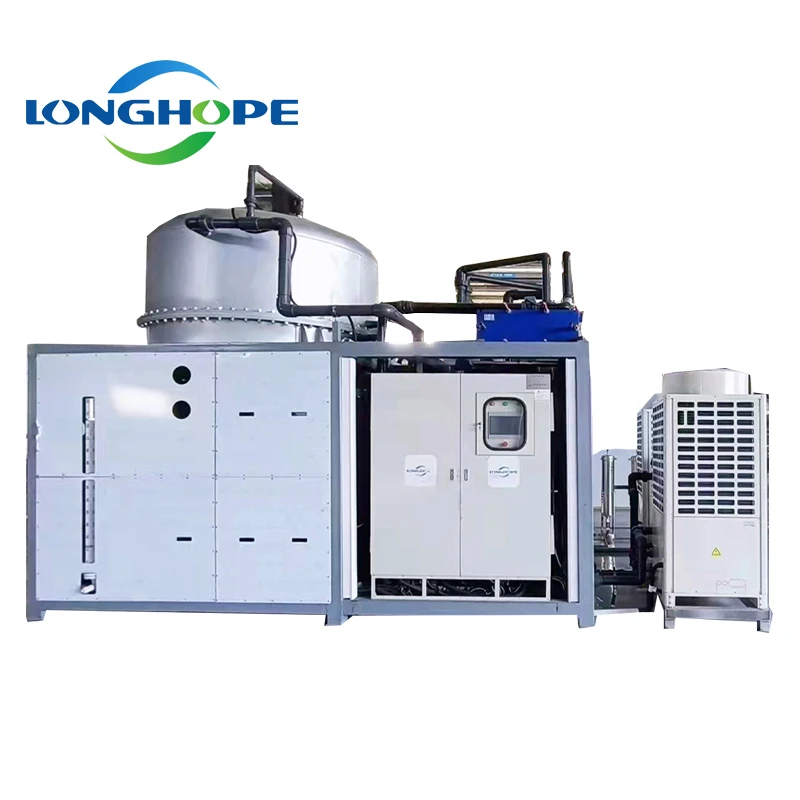
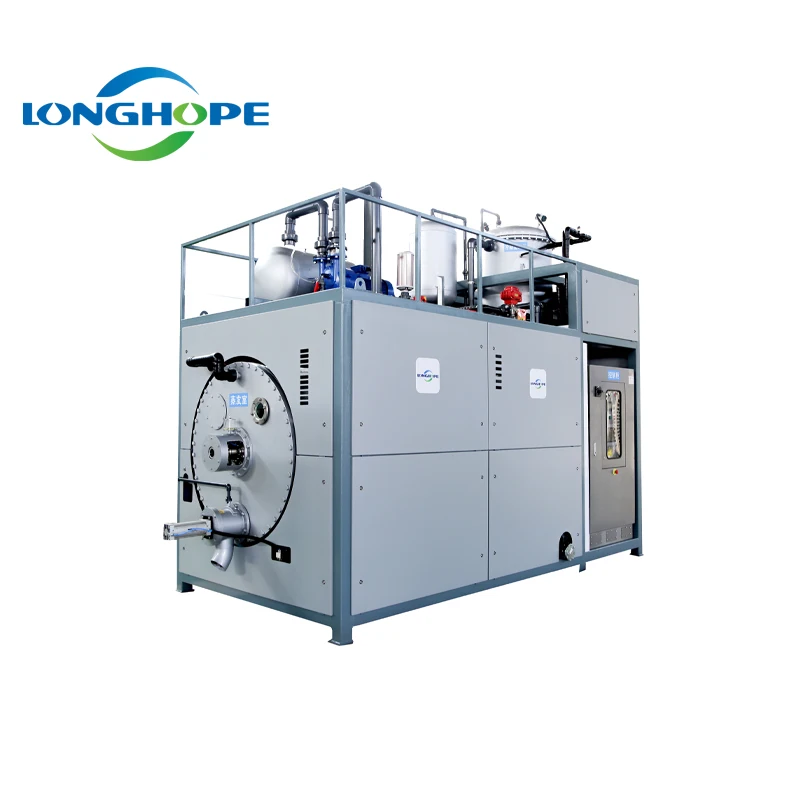
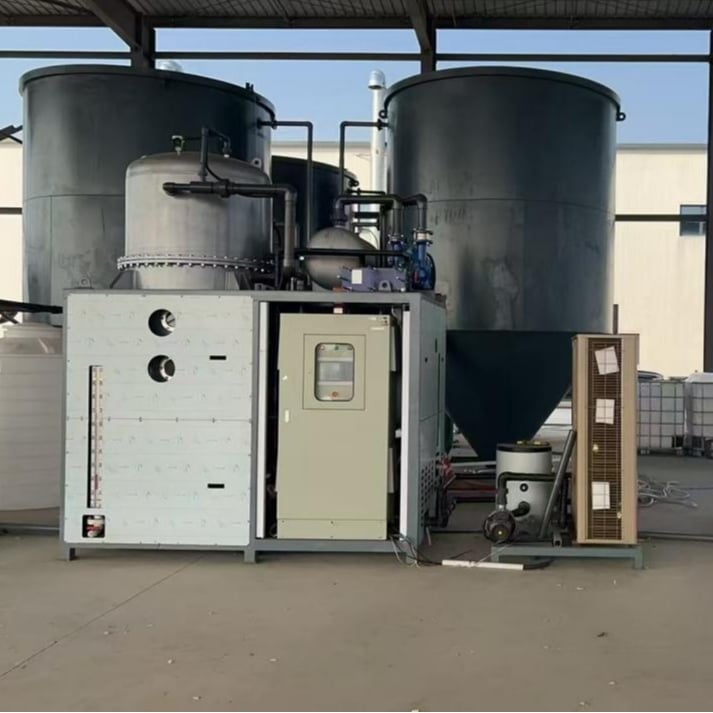
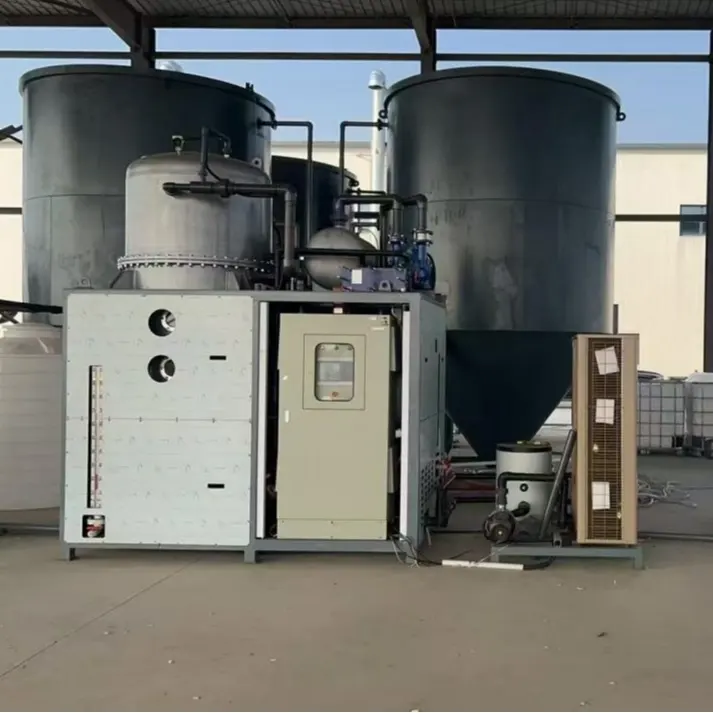
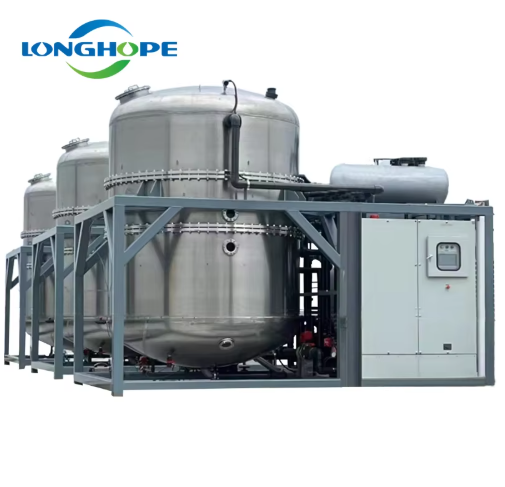
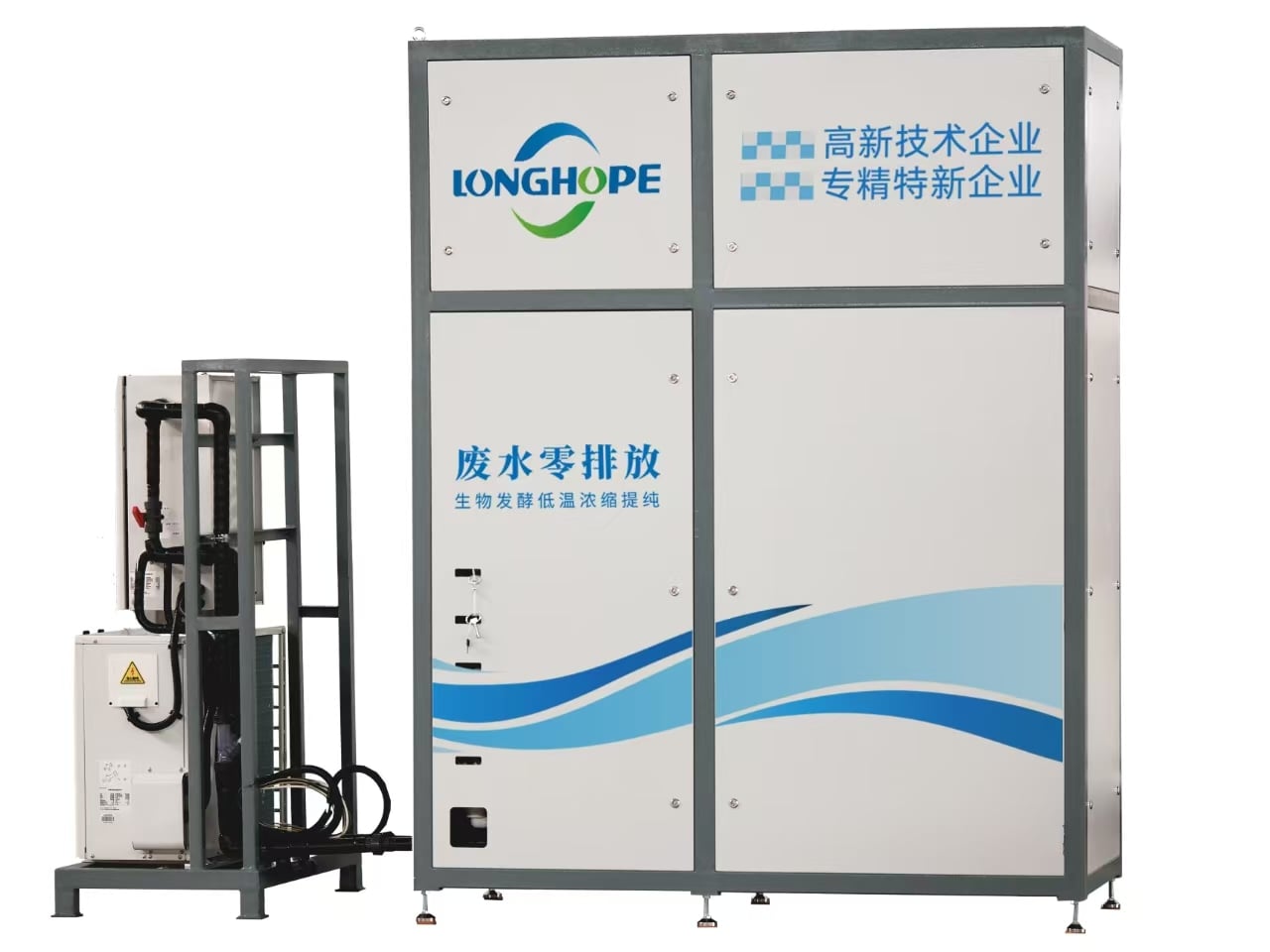
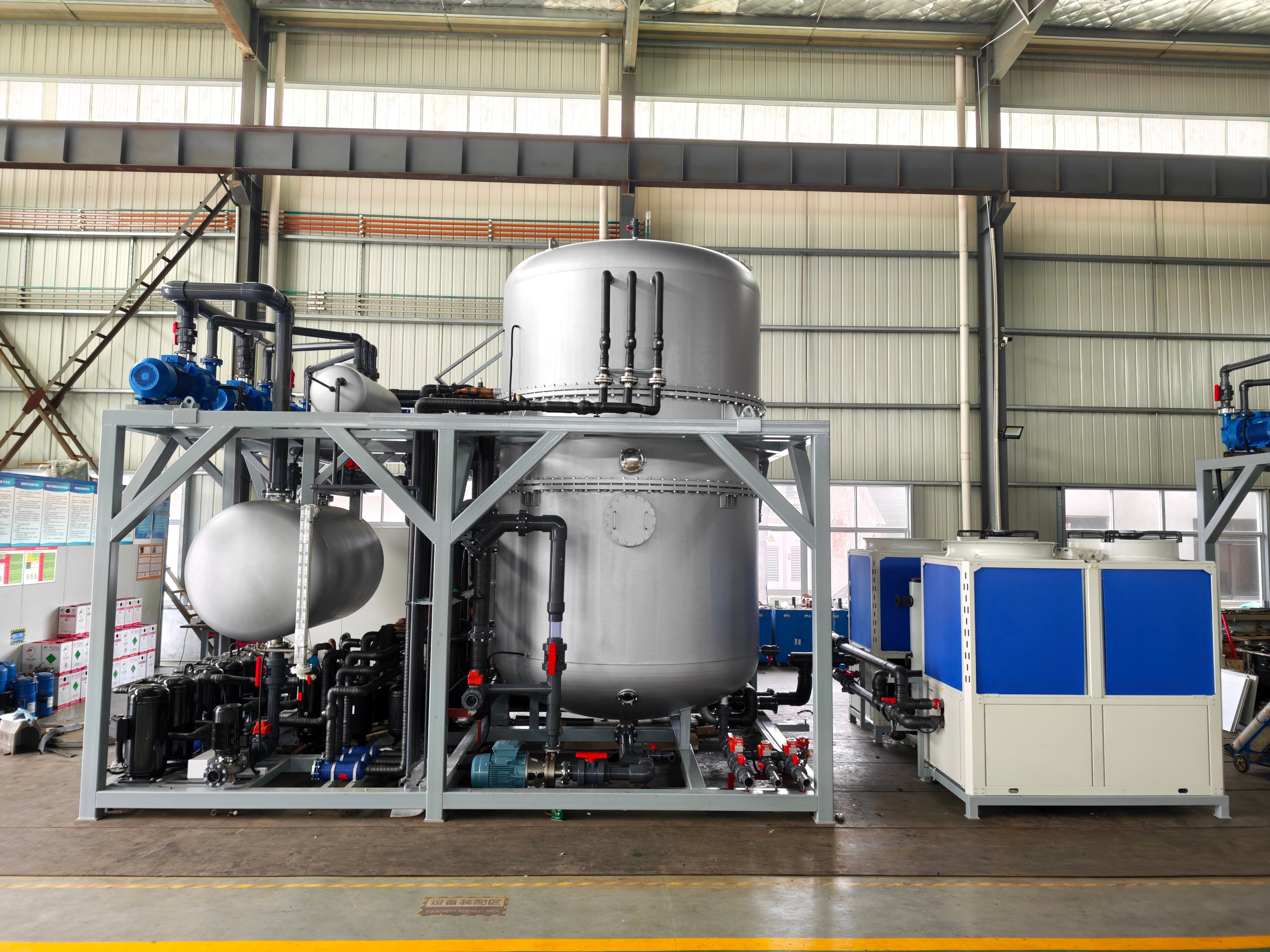
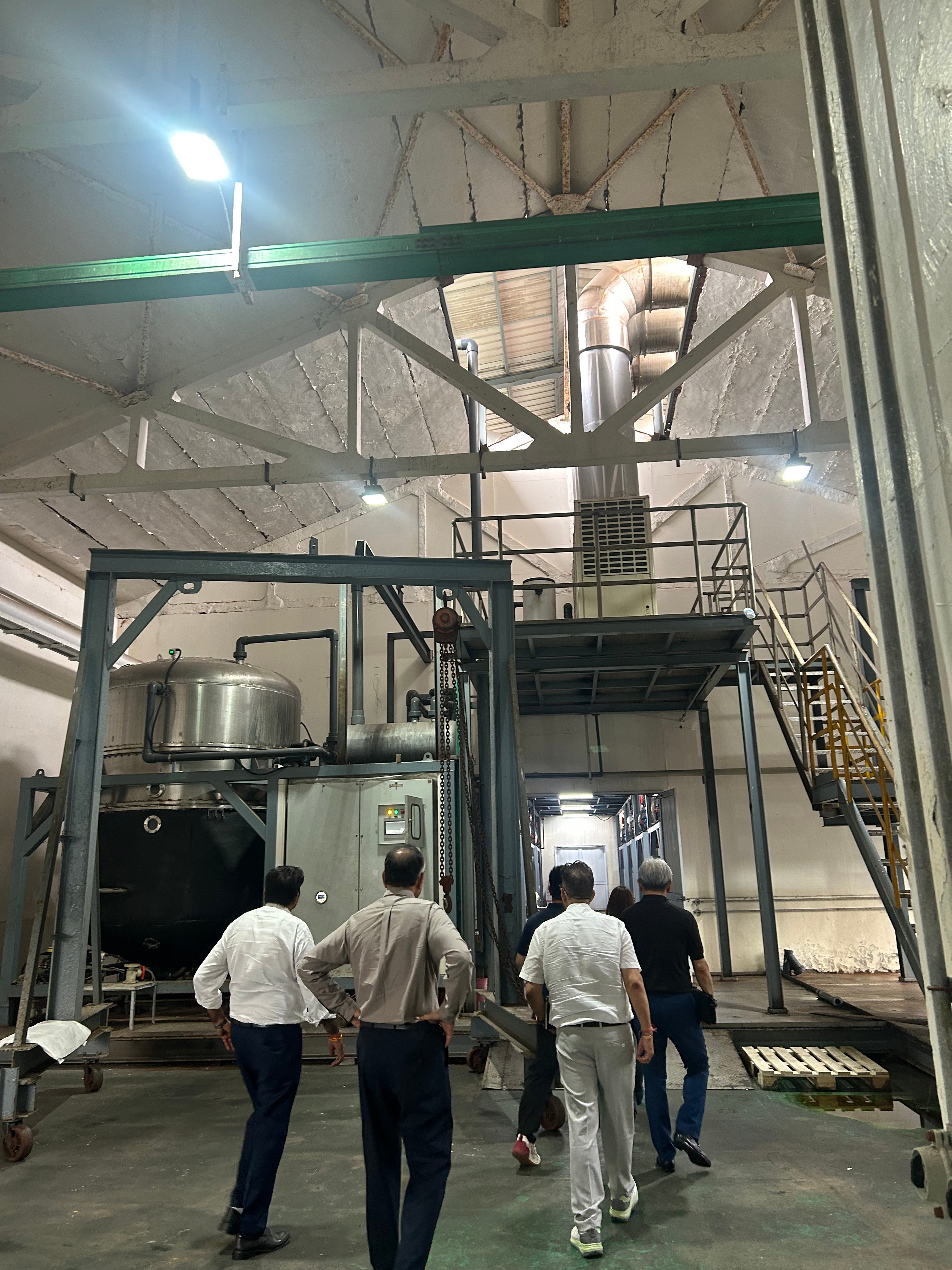
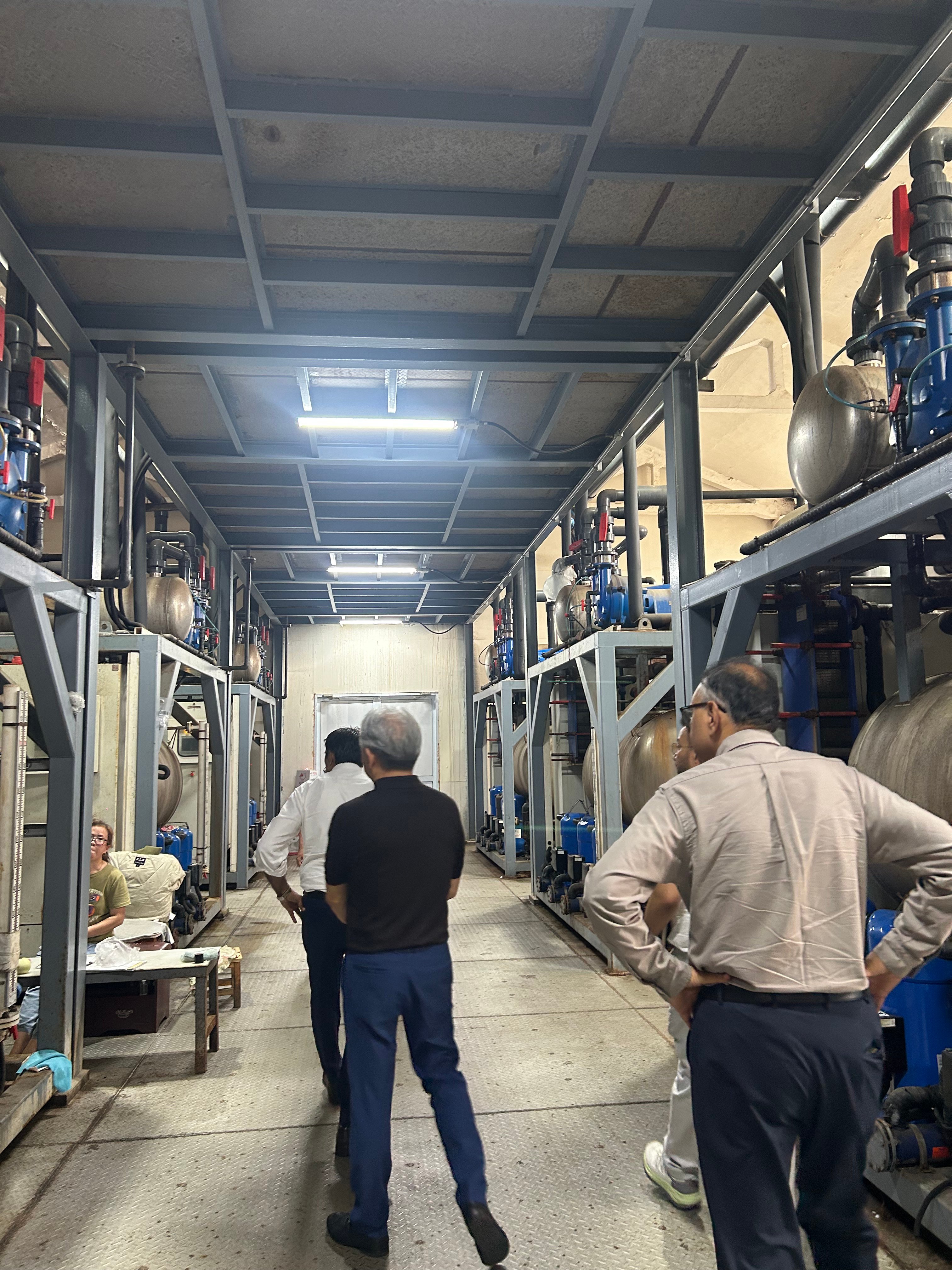
wastewater vacuum evaporator
A wastewater vacuum evaporator is an advanced environmental treatment system designed to handle challenging liquid waste streams through the application of vacuum pressure and thermal energy. This wastewater vacuum evaporator operates by heating contaminated water under reduced pressure conditions, causing water molecules to vaporize at significantly lower temperatures than conventional boiling methods. The technology behind a wastewater vacuum evaporator allows facilities to concentrate hazardous liquids, separate contaminants, and dramatically reduce waste volumes destined for disposal.
The wastewater vacuum evaporator functions by drawing vapors into a condenser where they transform back into clean water, while dissolved solids and pollutants remain concentrated in the bottom chamber. This separation process makes the wastewater vacuum evaporator exceptionally effective for treating industrial effluent, chemical residues, pharmaceutical waste, and food processing liquids. The system operates continuously or in batch modes depending on facility requirements and waste characteristics.
Key technological features of a wastewater vacuum evaporator include heat recovery mechanisms that maximize energy efficiency, automated control systems that monitor temperature and pressure parameters, and stainless steel construction that resists corrosion from aggressive chemicals. Applications for wastewater vacuum evaporator systems span across manufacturing plants, pharmaceutical companies, food processors, electroplating facilities, and waste management centers. The technology transforms problematic liquid waste into manageable residue while producing recoverable distillate suitable for reuse or safe discharge into municipal treatment systems.
 EN