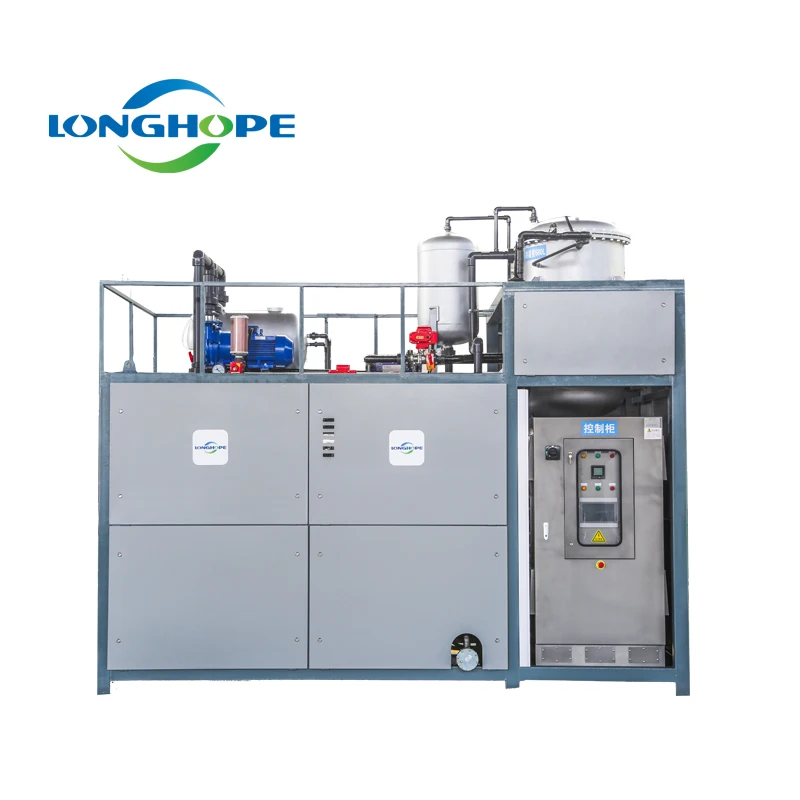
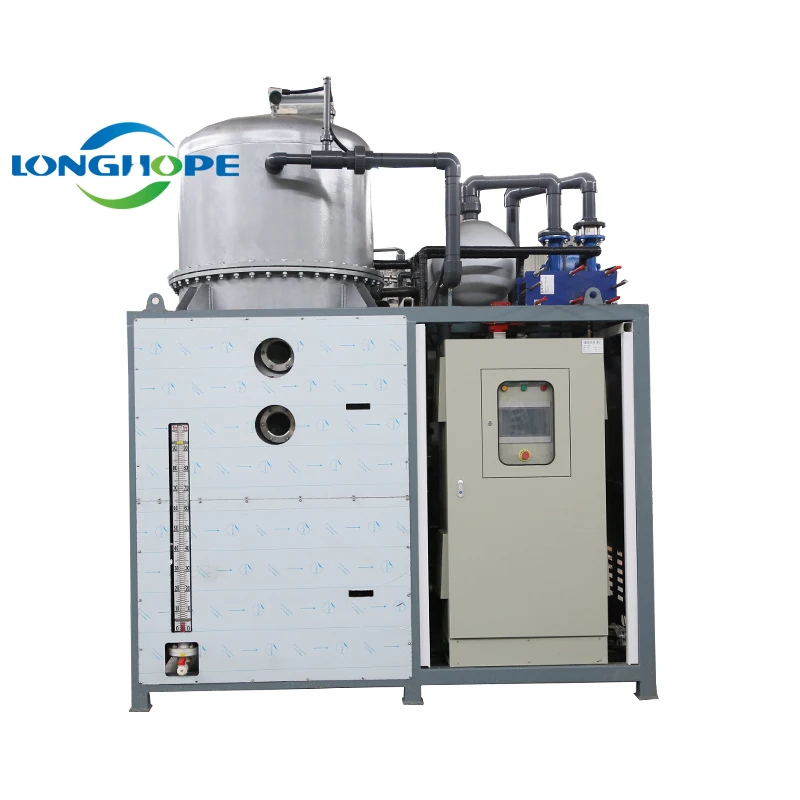
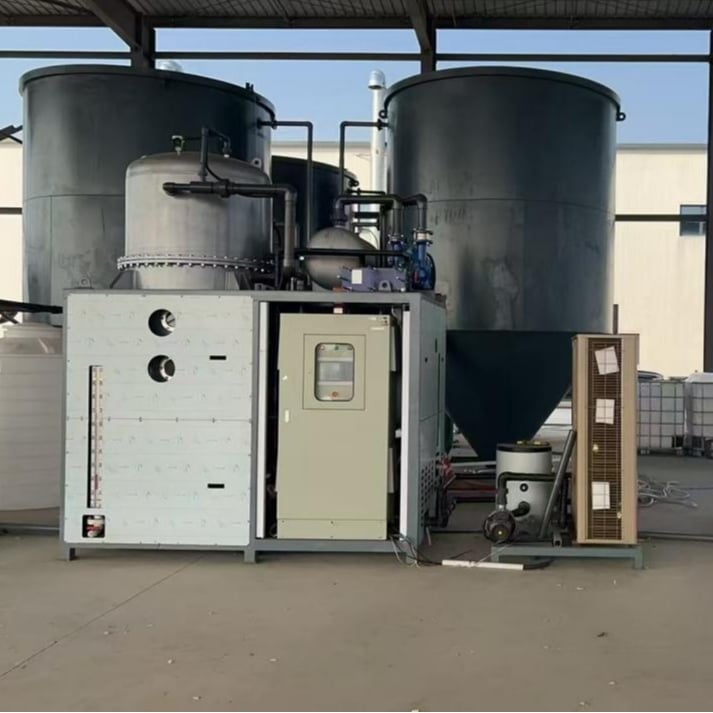
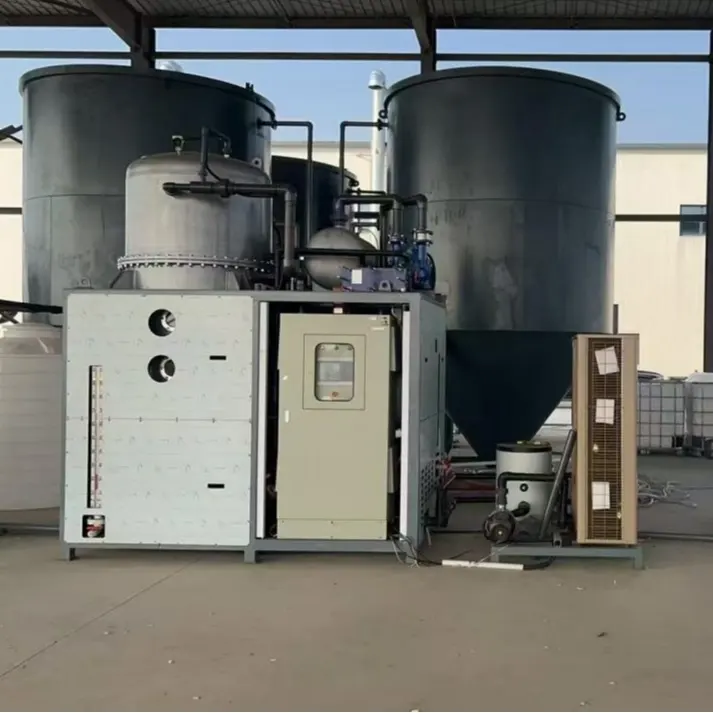
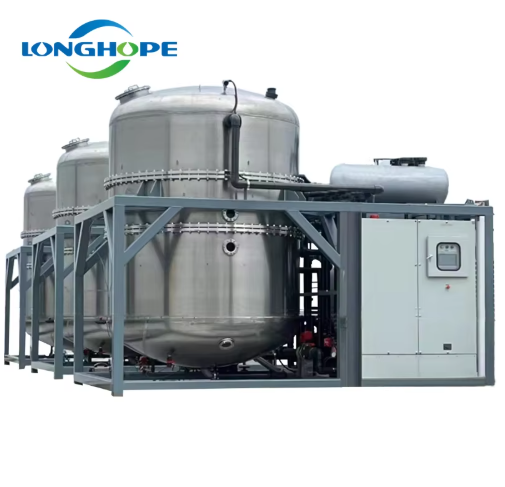
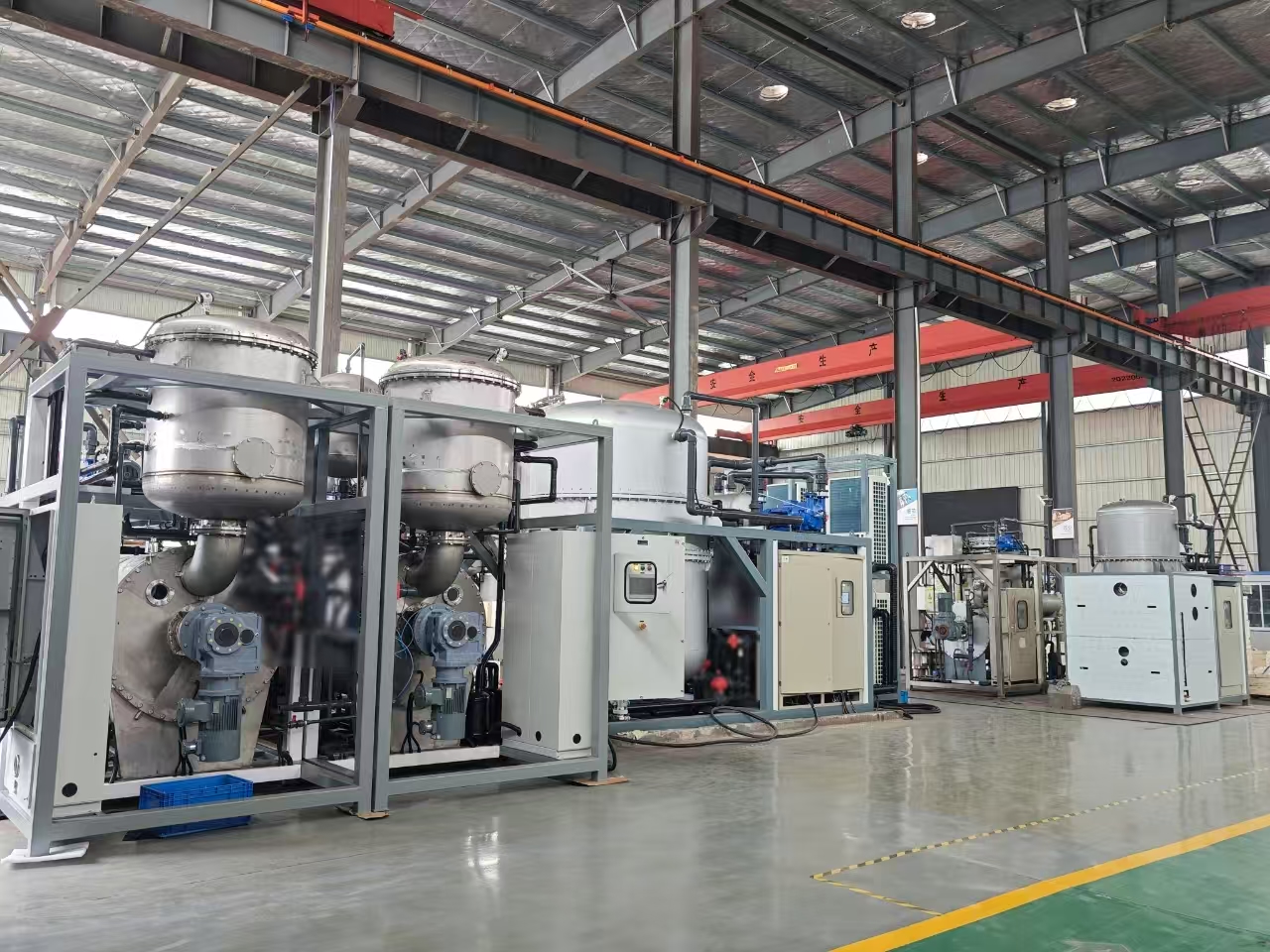
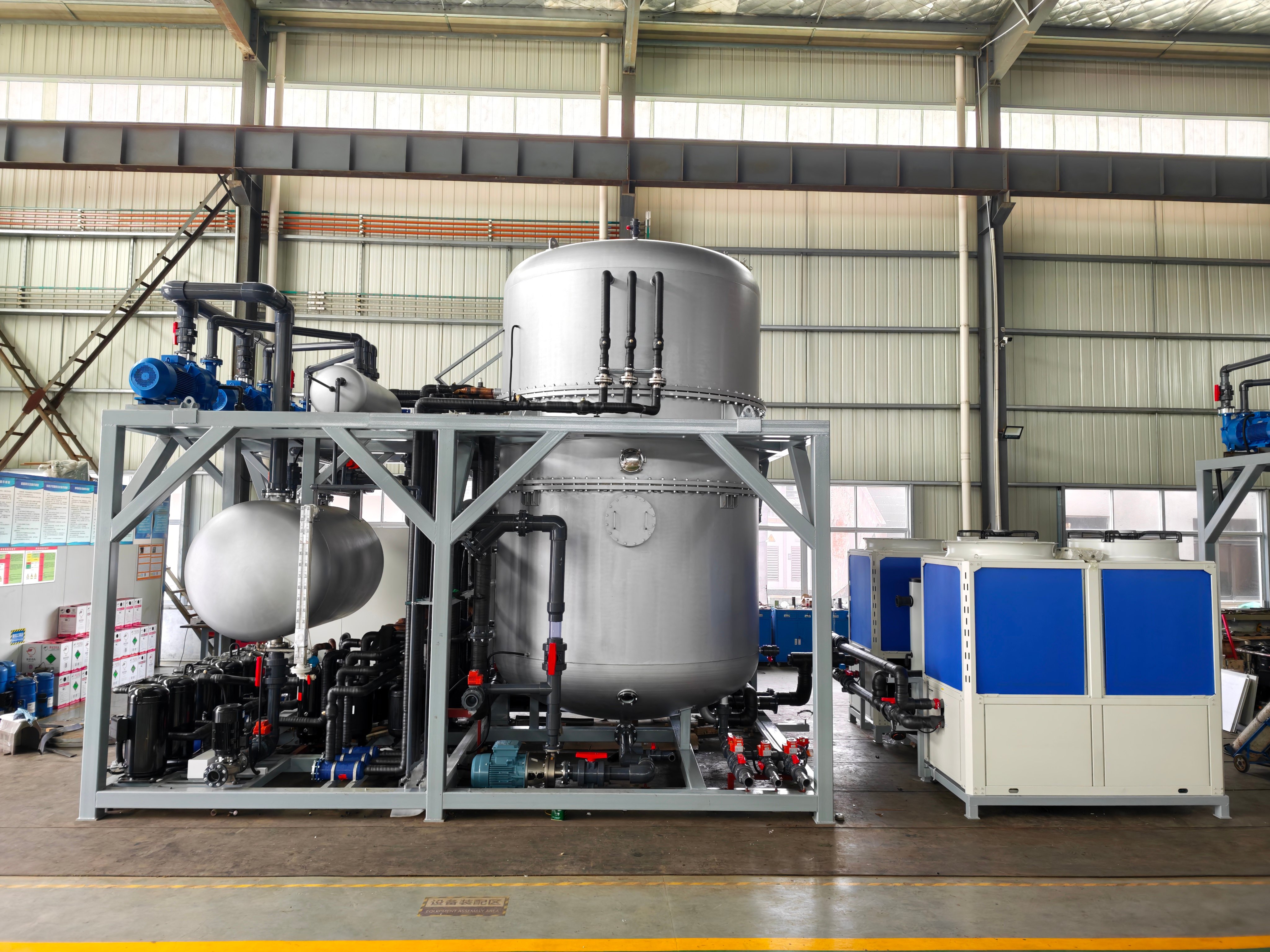
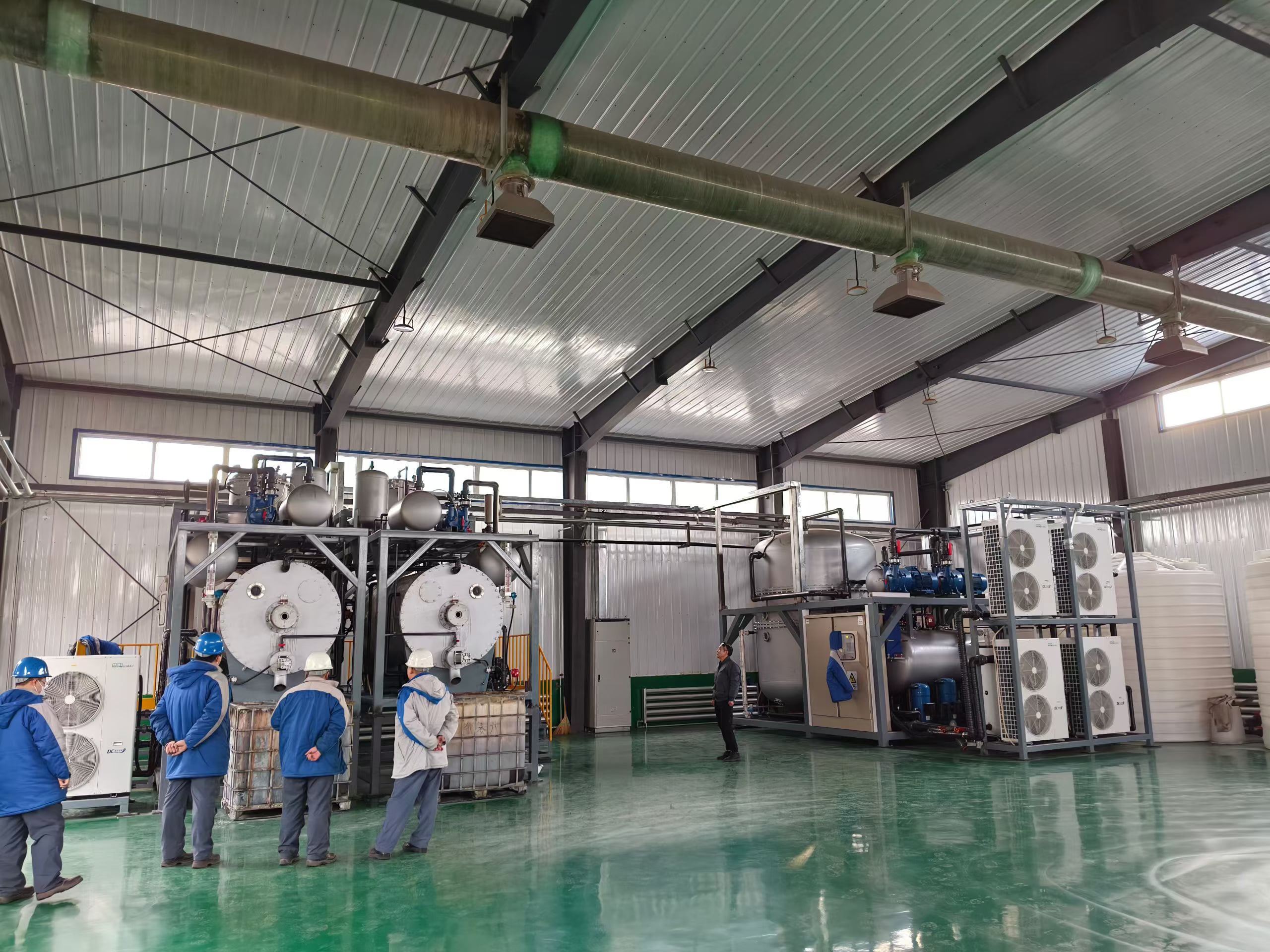
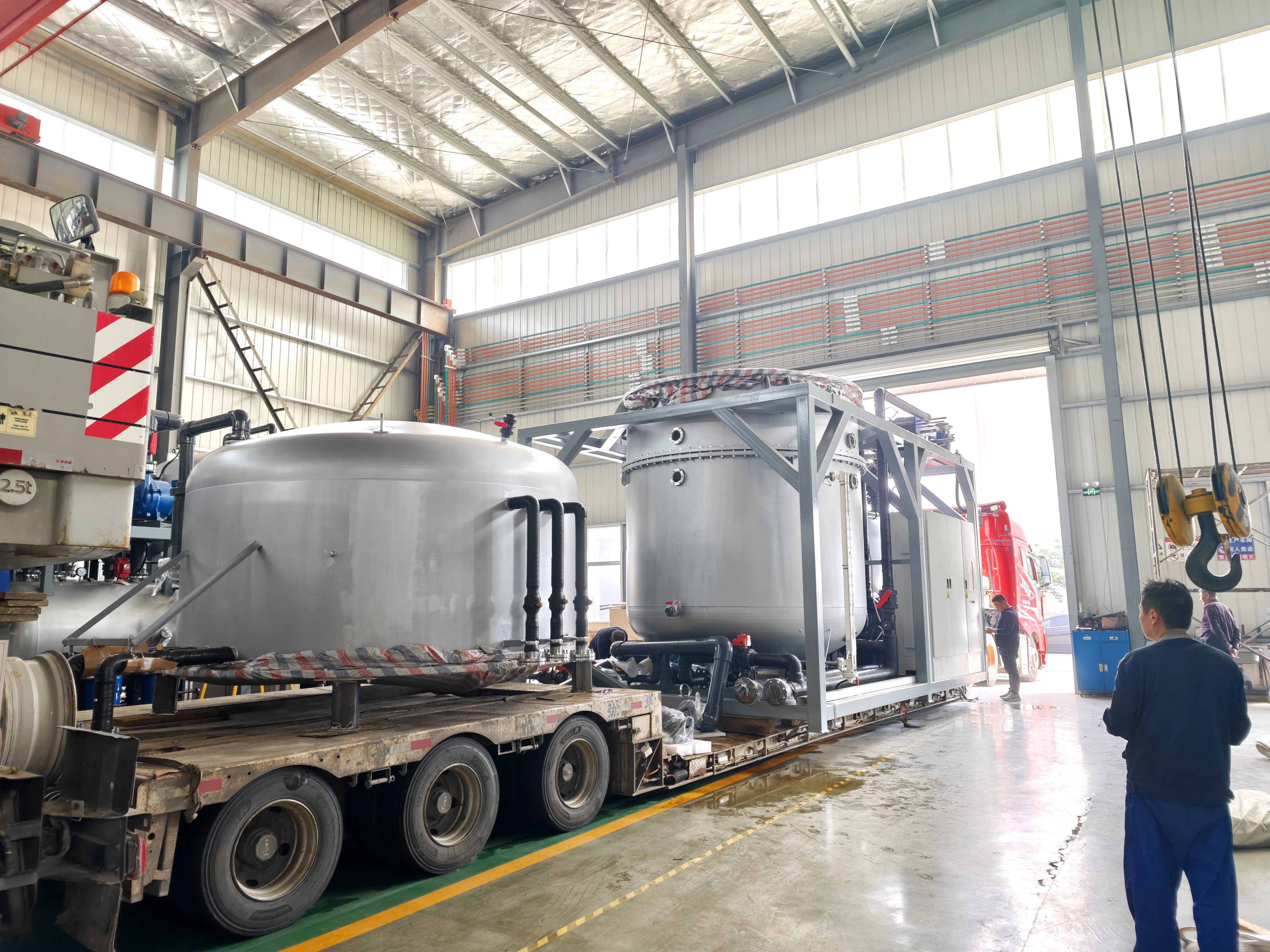
wastewater vacuum evaporation system
A wastewater vacuum evaporation system represents an advanced solution for treating and reducing liquid waste volumes through specialized thermal evaporation technology. This wastewater vacuum evaporation system operates by heating contaminated water under reduced pressure conditions, causing moisture to evaporate while leaving concentrated solids behind. The core function of a wastewater vacuum evaporation system is to minimize waste disposal costs by significantly reducing the volume of material requiring treatment and final disposal.
The wastewater vacuum evaporation system incorporates several technological features that enhance its performance and reliability. These systems utilize vacuum chambers that lower boiling points, reducing energy consumption compared to conventional evaporation methods. The wastewater vacuum evaporation system includes condensation units that recover and purify water vapor, allowing for potential water reuse or responsible discharge. Advanced control systems monitor temperature, pressure, and evaporation rates throughout the process.
Applications for the wastewater vacuum evaporation system span numerous industries, including pharmaceutical manufacturing, chemical processing, food and beverage production, automotive facilities, and municipal treatment plants. Organizations handling hazardous waste, industrial byproducts, or high-concentration liquid streams benefit significantly from implementing a wastewater vacuum evaporation system. The technology proves particularly valuable when waste disposal expenses are substantial or when environmental regulations require waste volume reduction and contamination control. Industries seeking sustainable waste management solutions increasingly adopt the wastewater vacuum evaporation system as part of their comprehensive environmental strategy.
 EN