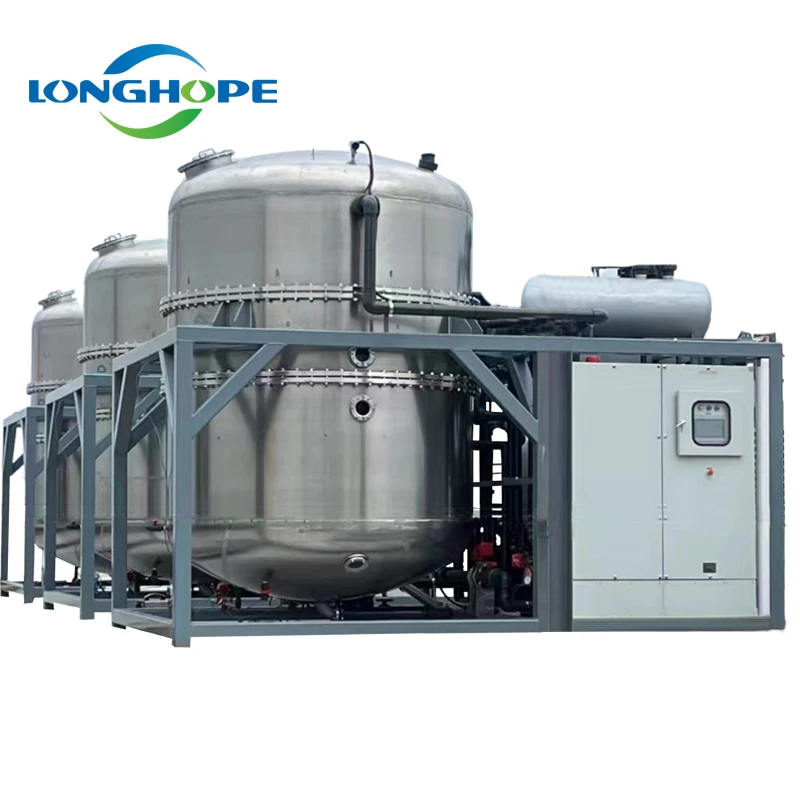
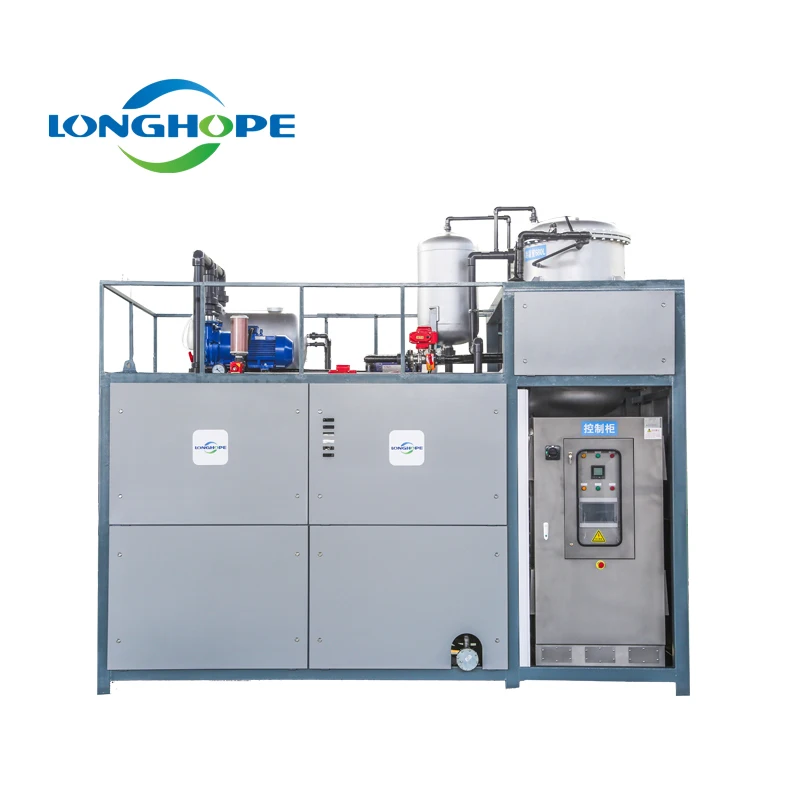
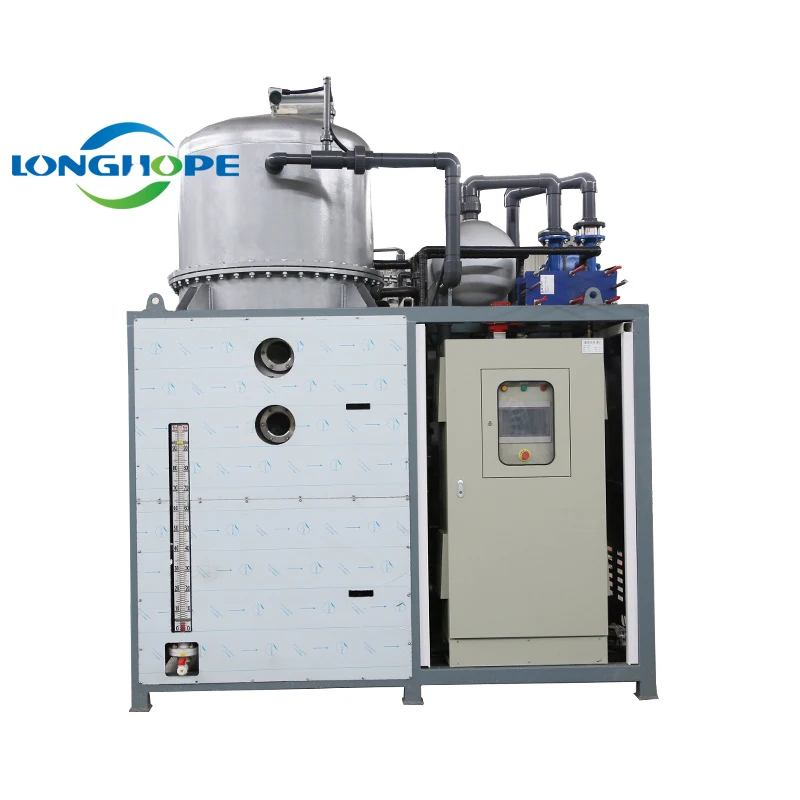
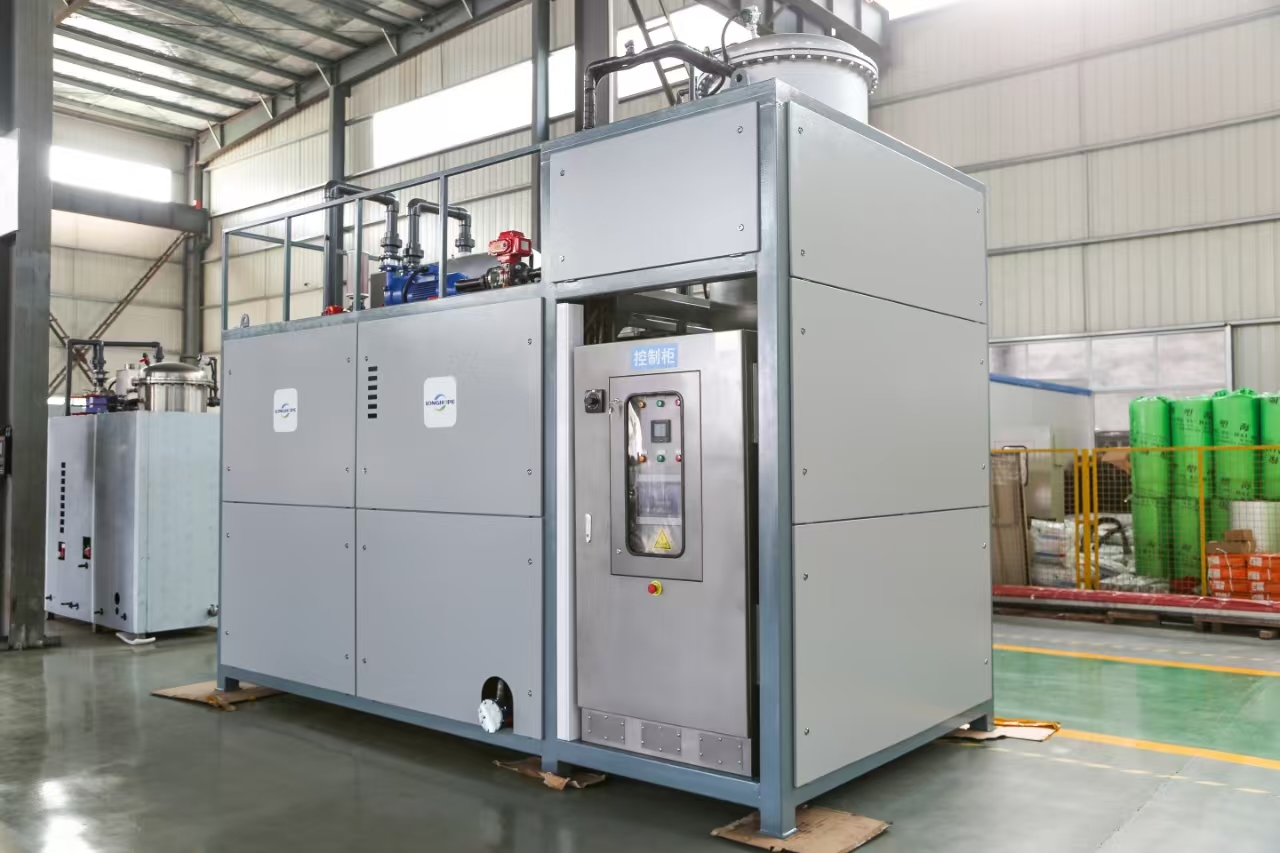
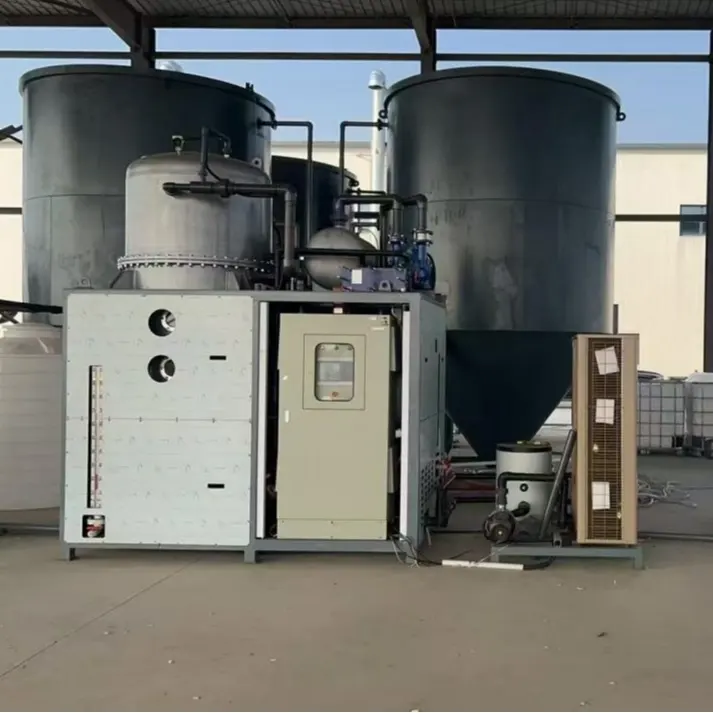
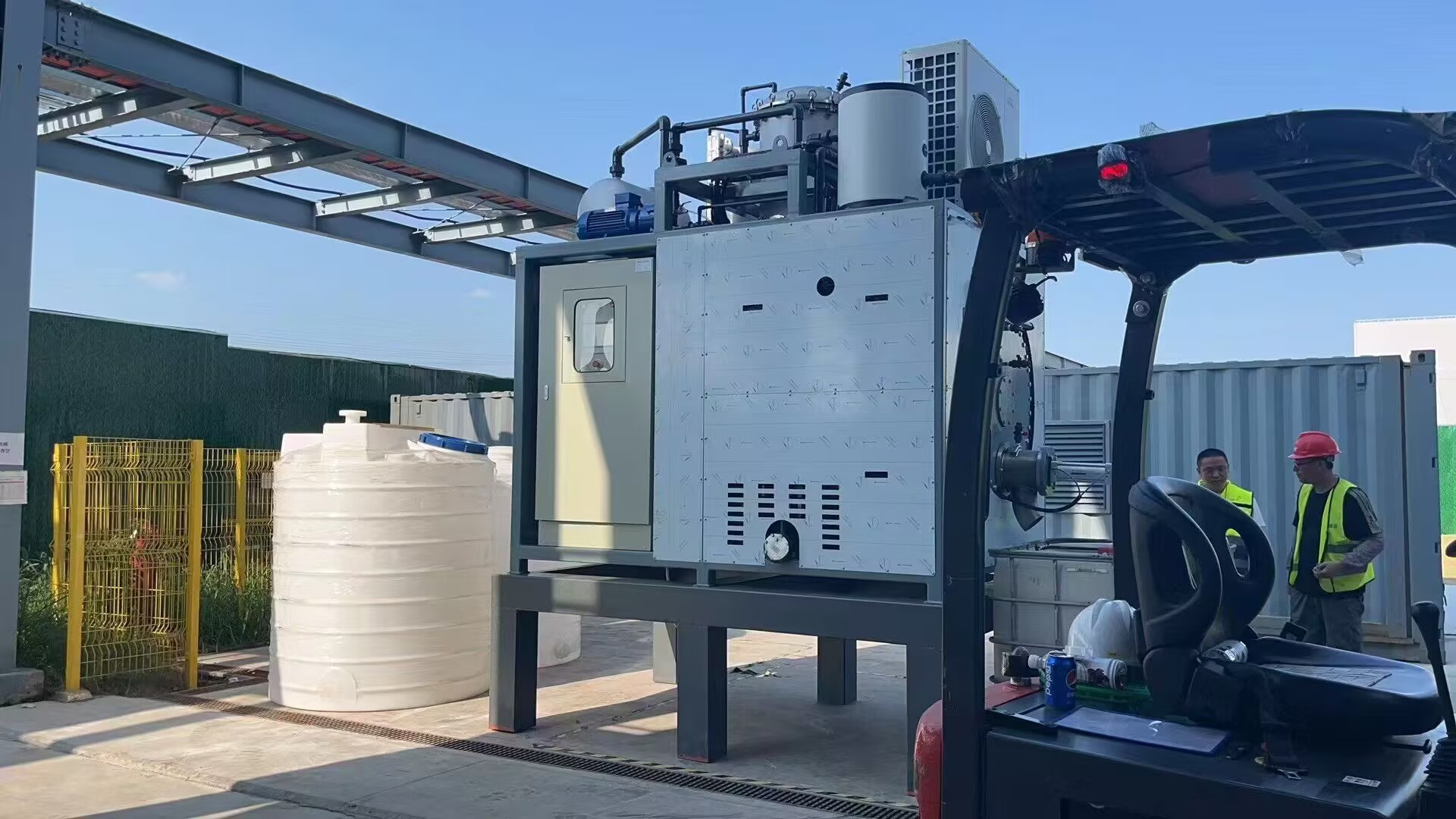
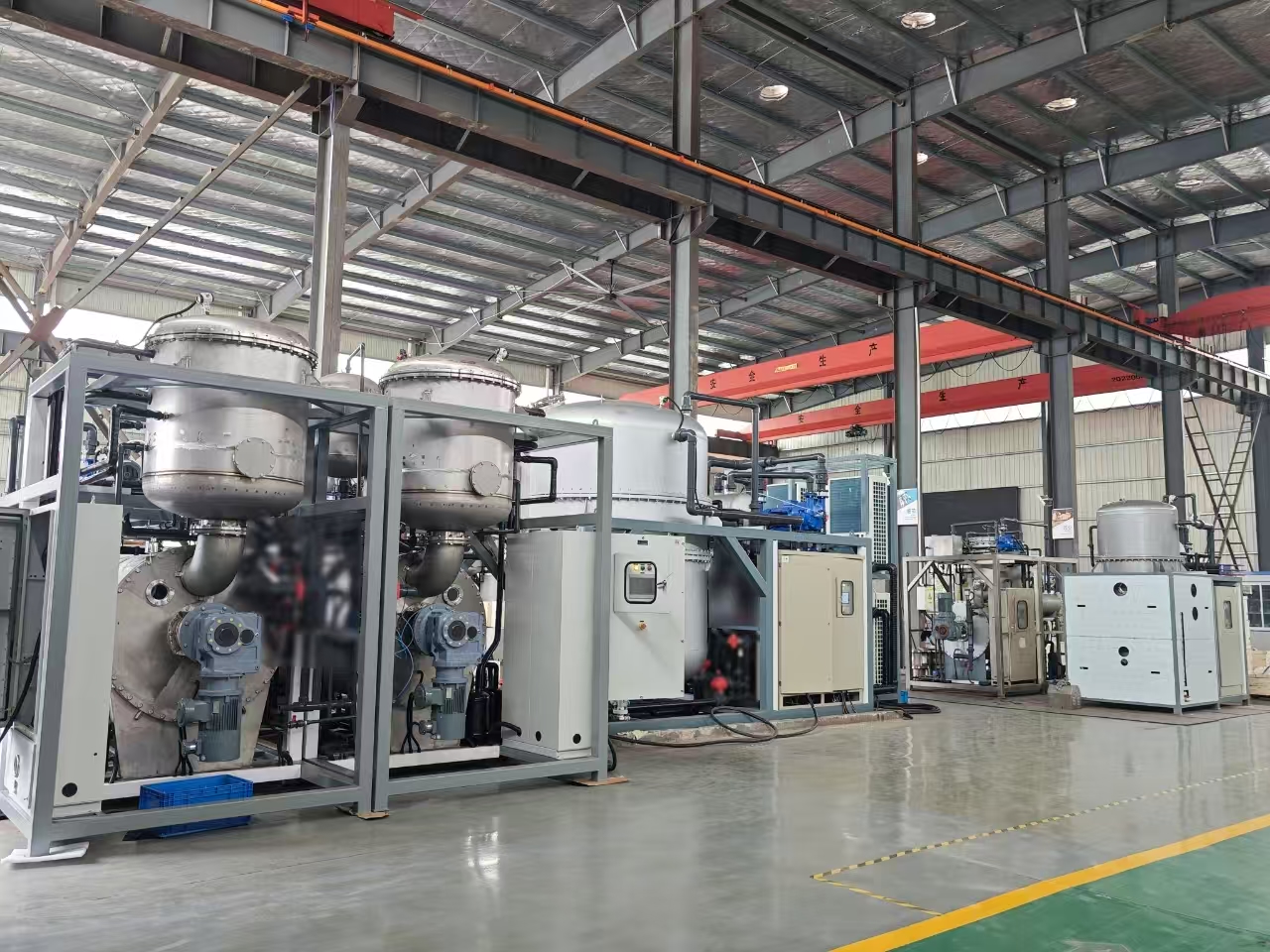
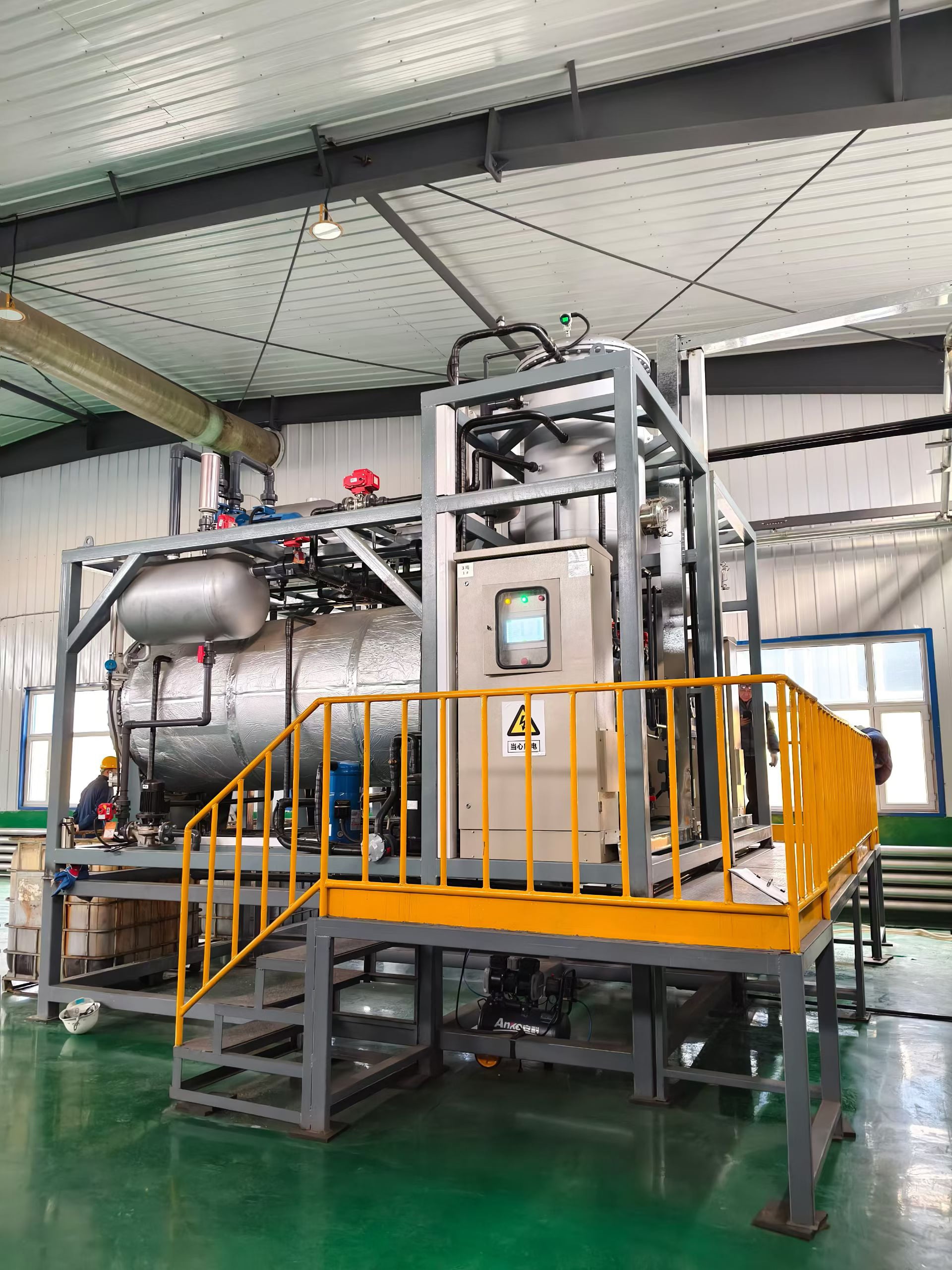
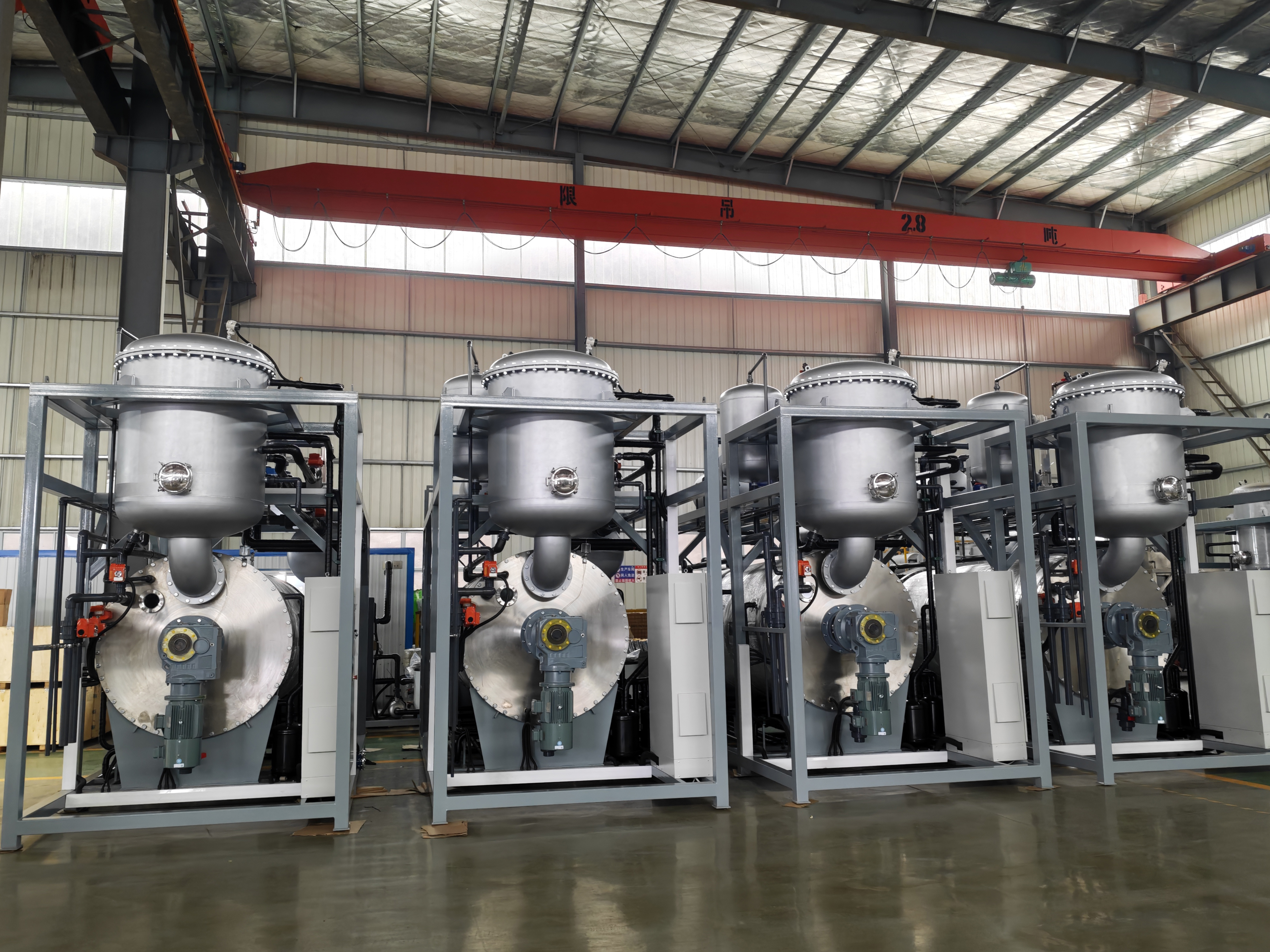
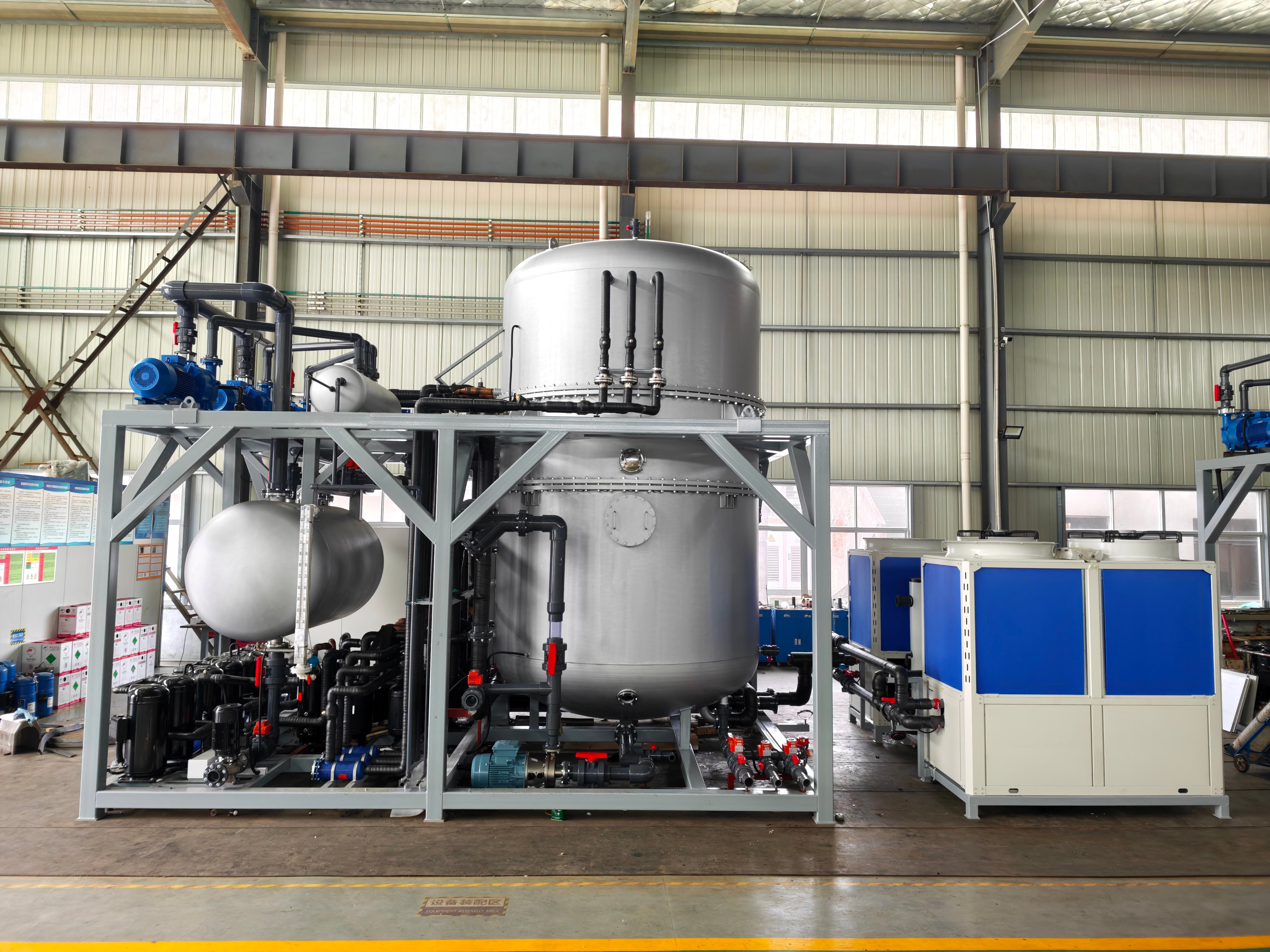
low temperature evaporator
A low temperature evaporator is a specialized industrial equipment designed to concentrate and separate liquid solutions by applying heat at significantly reduced temperatures. This innovative technology operates at substantially lower thermal conditions than conventional evaporators, making it ideal for heat-sensitive materials and temperature-critical applications.
The primary function of a low temperature evaporator is to remove solvent from solutions while preserving the integrity and quality of the remaining product. Unlike traditional evaporators that rely on high-temperature processing, a low temperature evaporator utilizes advanced vacuum technology and gentle heating methods to achieve efficient evaporation without causing thermal degradation or product decomposition.
Key technological features of the low temperature evaporator include vacuum systems that lower the boiling point of liquids, enabling evaporation at reduced temperatures. The equipment incorporates heat exchange surfaces designed for optimal thermal transfer while maintaining controlled operating conditions. Multiple-effect configurations allow a low temperature evaporator to maximize energy efficiency by reusing vapors generated during the evaporation process.
Applications for a low temperature evaporator span numerous industries. Pharmaceutical manufacturers utilize this equipment to concentrate active ingredients and extract valuable compounds without compromising efficacy. The food and beverage industry relies on low temperature evaporators to preserve nutritional value and flavor profiles during concentration processes. Chemical manufacturers employ this technology for solvent recovery and product purification. Environmental remediation facilities use low temperature evaporators for wastewater treatment and industrial waste processing. Research institutions and laboratories depend on low temperature evaporators for experimental applications requiring precise thermal control and minimal product loss during concentration and separation operations.

 EN